
Tianpei Zeng
BROWSE ALL FROM THIS PHOTOGRAPHER HERE
↓
Shenzhen Bao'an Waterfront Cultural Park / SWA GROUP +AUBE CONCEPTION


https://www.archdaily.com/971635/shenzhen-baoan-waterfront-cultural-park-aube-conceptionCollin Chen
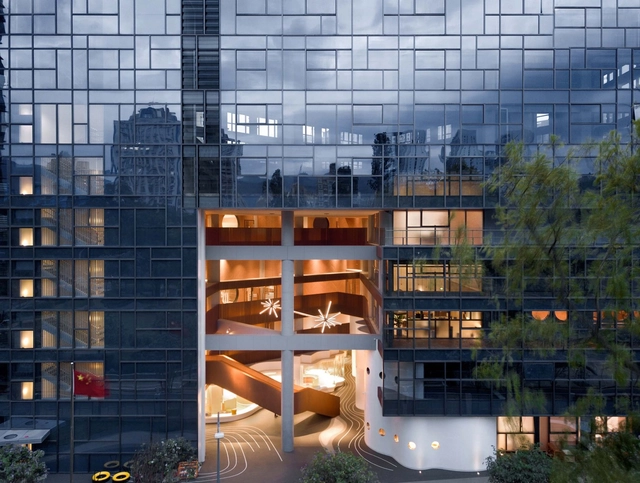
Shenzhen King's Kindergarten / Groundwork Architects & Associates


.jpg?1631100259&format=webp&width=230&height=230&crop=true)
.jpg?1631100250&format=webp&width=230&height=230&crop=true)

-
Architects: Groundwork Architects & Associates
- Area: 5000 m²
- Year: 2020
https://www.archdaily.com/968123/golden-apple-kindergarten-groundwork-architects-and-associatesCollin Chen
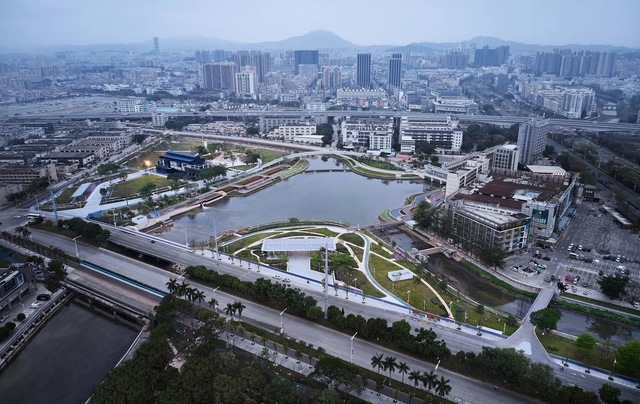
Haoxiang Lake Park / eLandscript Studio


-
Architects: eLandscript Studio
- Area: 130000 m²
- Year: 2021
https://www.archdaily.com/962715/haoxiang-lake-park-elandscript-studioYu Xin Li
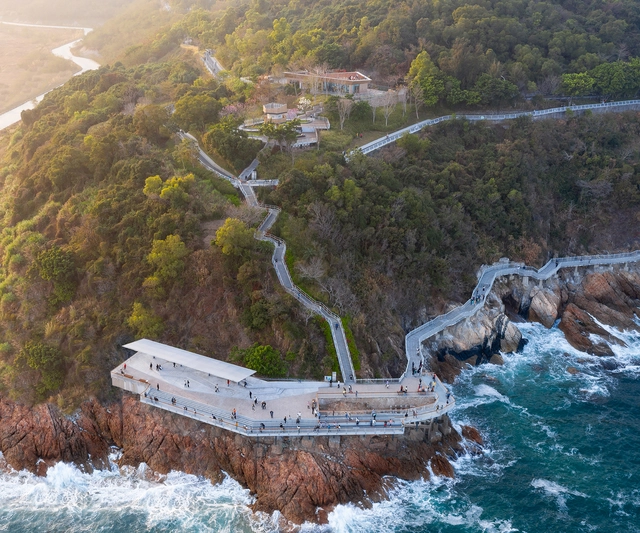
Yantian 19.5km Waterfront Boardwalk / eLandscript Studio


-
Architects: eLandscript Studio
- Area: 200000 m²
- Year: 2020
https://www.archdaily.com/958428/yantian-1km-waterfront-boardwalk-elandscript-studioYu Xin Li
Underground Architecture Around the World: 15 Examples of Mimicry and Thermodynamic Efficiency
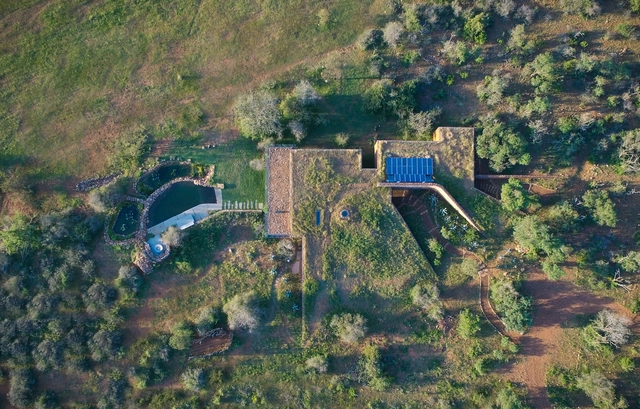
As a human creation, architecture as an object always poses the challenge of its integration into the landscape. When a design opts to go underground, it can bring various design benefits, such as blending into the context, as well as technical advantages like increased thermodynamic efficiency.
https://www.archdaily.com/1124039/underground-architecture-around-the-world-15-examples-of-mimicry-and-thermodynamic-efficiencySantiago Baraya
B-TECH Towers / TSK Architects + Huayi Design
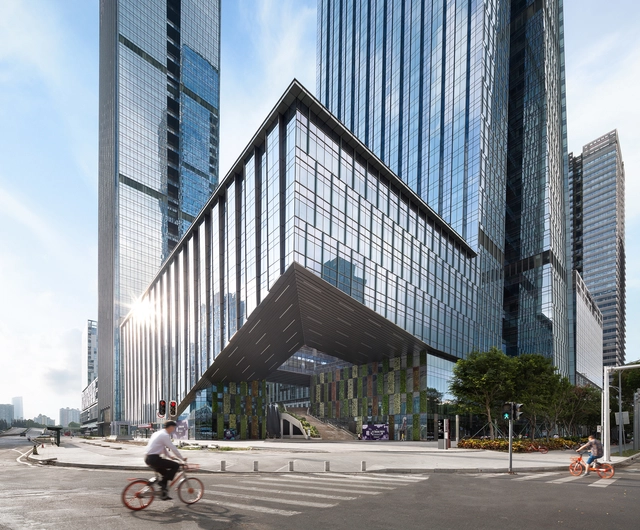


-
Architects: Huayi Design, TSK Architects
- Area: 18800000 ft²
- Year: 2020
https://www.archdaily.com/953153/b-tech-towers-tsk-architects-plus-huayi-designAndreas Luco
Built Nature: When Architecture Challenges Human Scale
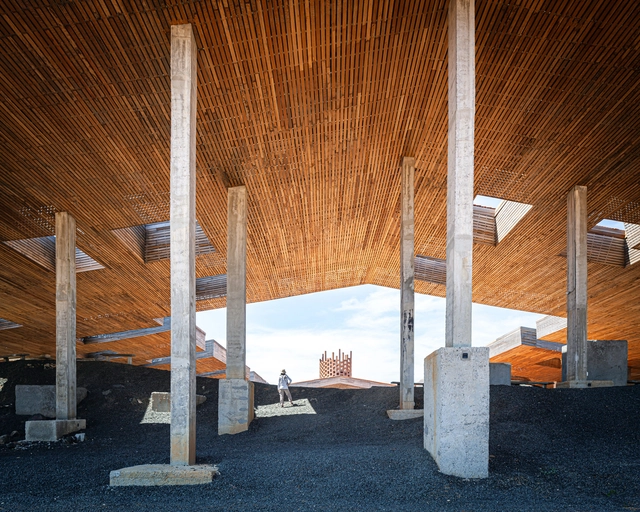
Going beyond human scale is not a novelty. For centuries, builders, engineers, and architects have been creating monumental edifices to mark spirituality or political power. Larger than life palaces, governmental buildings, or temples have always attracted people’s admiration and reverence, nourishing the still not fully comprehensible obsession with large scale builds.
Nowadays, some of the largest and most impressive structures relate less to religious or governmental functions and seem to be turning towards more cultural programs. Most importantly though, today’s grandiose works are generally and openly imitative of Nature.


https://www.archdaily.com/950403/built-nature-when-architecture-challenges-human-scaleHana Abdel
Longgang Chuangtou Headquarters Tower / MENG YAN, LIU XIAODU | URBANUS
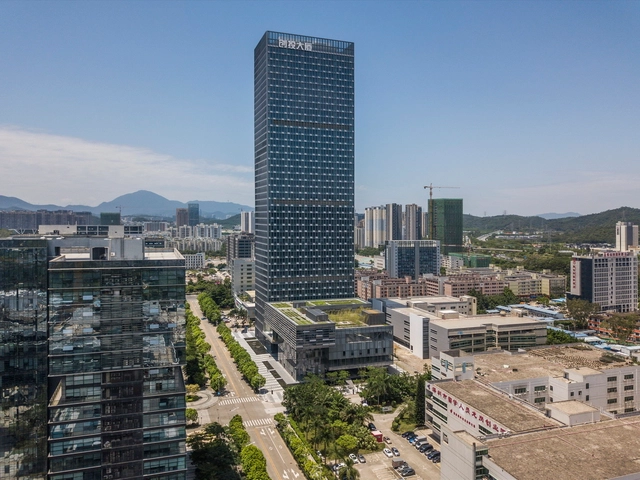


-
Architects: MENG YAN, LIU XIAODU | URBANUS
- Area: 233000 m²
- Year: 2017
https://www.archdaily.com/945151/longgang-chuangtou-headquarters-tower-urbanus罗靖琳
World Architecture Day: Designing for the Future of the Human Habitat
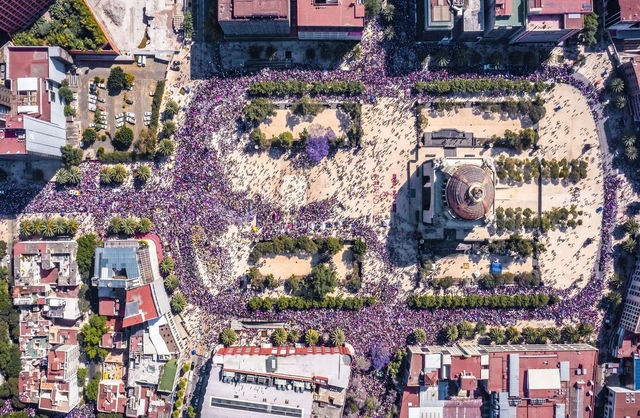
World Architecture Day, celebrated on the first Monday of every October, was set up by the Union International des Architects (UIA) back in 2005 to “remind the world of its collective responsibility for the future of the human habitat”, coinciding with UN-Habitat's World Habitat Day.
https://www.archdaily.com/277569/happy-world-architecture-dayArchDaily Team
Pingshan Performing Arts Center / OPEN Architecture
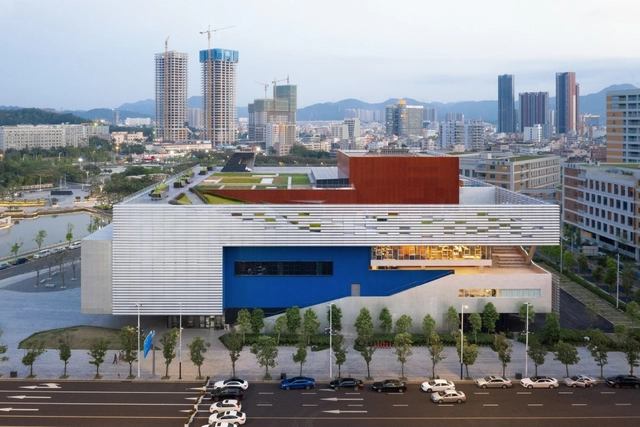


-
Architects: OPEN Architecture
- Area: 23542 m²
- Year: 2019
https://www.archdaily.com/947881/pingshan-performing-arts-center-open-architectureCollin Chen
Floating Archipelago, Pedestrian Bridge Design / FCHA

.jpg?1599387174&format=webp&width=230&height=230&crop=true)

.jpg?1599387230&format=webp&width=230&height=230&crop=true)
.jpg?1599387297&format=webp&width=230&height=230&crop=true)

-
Architects: FCHA
- Area: 10000 m²
- Year: 2020
-
Professionals: Dadi Curtain Wall Technology Co.Ltd
https://www.archdaily.com/947168/floating-archipelago-pedestrian-bridge-design-fchaCollin Chen
Holy Fire Lit Place for the Second China National Youth Games 2019 / WANG HUI | URBANUS


-
Architects: WANG HUI | URBANUS
- Area: 980 m²
- Year: 2019
https://www.archdaily.com/946576/holy-fire-lit-place-for-the-second-china-national-youth-games-2019-urbanusCollin Chen
Tips for Using Rainwater in Architectural Projects
The total amount of water on our planet has, theoretically, stayed the same since earth's formation. It's possible that the glass of water you drank earlier contains particles that once ran down the Ganges River, passed through the digestive system of a dinosaur, or even cooled a nuclear reactor. Of course, before it quenched your thirst, this water evaporated and fell as rain millions of times. Water can be polluted or misused, but never created or destroyed. According to a UNESCO study, it is estimated that the Earth contains about 1386 million cubic kilometers of water. However, 97.5% of this amount is saline water and only 2.5% is fresh water. Of this fresh water, most (68.7%) takes the form of permanent ice and snow in Antarctica, the Arctic, and in mountainous regions. Another 29.9% exists as groundwater. Ultimately, only 0.26% of the total amount of fresh water on Earth is available in lakes, reservoirs, and watersheds, where it is easily accessible for the world's economic and vital needs. With the population steadily increasing, especially in urban areas, several countries have already had severe problems with providing the necessary amount of drinking water to their populations.
https://www.archdaily.com/940535/tips-for-using-rainwater-in-architectural-projectsEduardo Souza
Shenzhen Shenwan Street Park / AUBE CONCEPTION
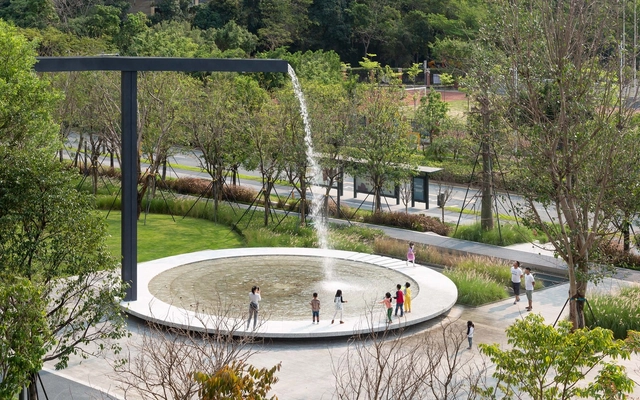


-
Architects: AUBE CONCEPTION
- Area: 11643 m²
- Year: 2019
https://www.archdaily.com/939209/shenzhen-shenwan-street-park-aube-conceptionCollin Chen
Hercules Ecosystem Supply Chain / CAPA & Yizhou Design


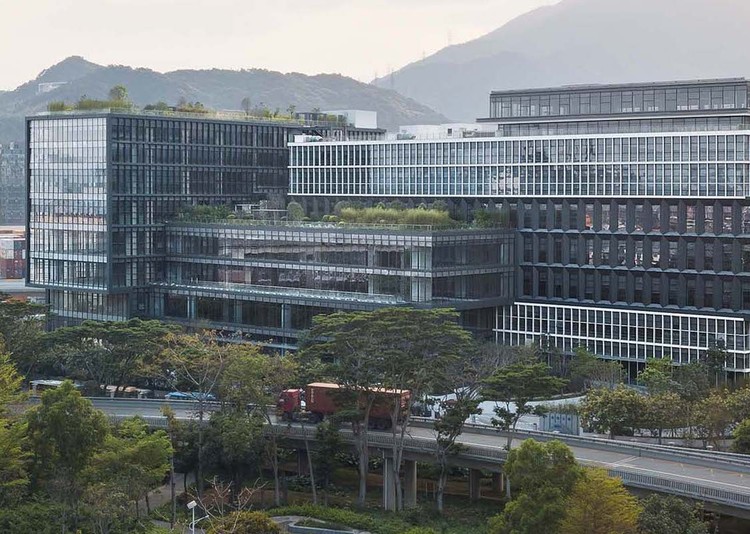
-
Architects: CAPA & Yizhou Design
- Area: 83990 m²
- Year: 2018
https://www.archdaily.com/937233/hercules-ecosystem-supply-chain-capa-and-yizhou-designCollin Chen
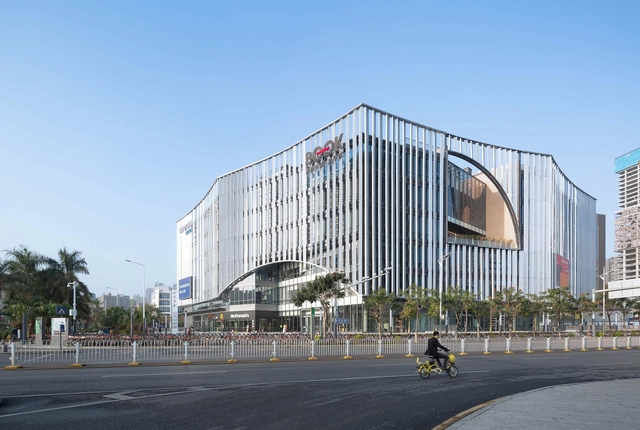
Shenzhen Longhua Book City / Atelier Global
.jpg?1585645076&format=webp&width=230&height=230&crop=true)

.jpg?1585645044&format=webp&width=230&height=230&crop=true)


https://www.archdaily.com/936669/shenzhen-longhua-book-city-atelier-globalCollin Chen
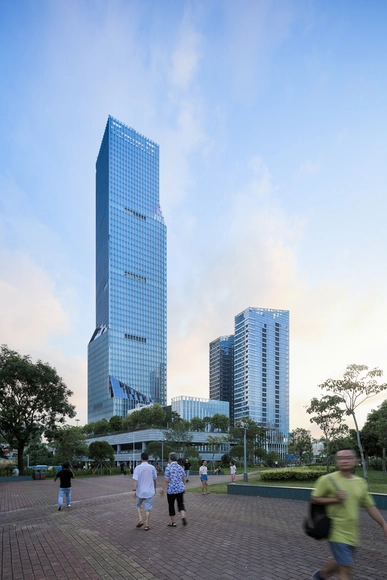
Shenzhen North Station Huide Tower / HPP Architects


-
Architects: HPP Architects
- Area: 173470 m²
- Year: 2019
-
Professionals: Tongji Architectural Design
https://www.archdaily.com/925678/shenzhen-north-station-huide-tower-hpp舒岳康 - SHU Yuekang
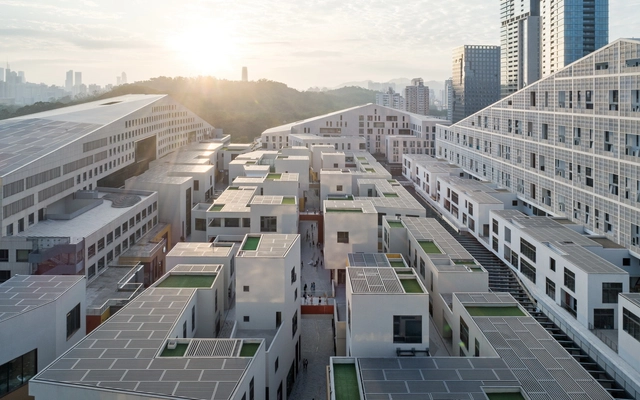
SHUM YIP UpperHills LOFT / MENG YAN, LIU XIAODU | URBANUS


-
Architects: MENG YAN, LIU XIAODU | URBANUS
- Area: 105000 m²
- Year: 2018
https://www.archdaily.com/919939/shum-yip-upperhills-loft-urbanusCollin Chen