

-
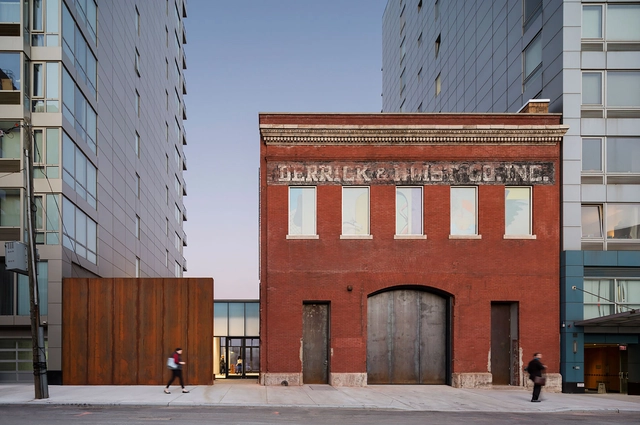
Architects: O’Neill Rose Architects
- Area: 3800 ft²
- Year: 2018
-
Manufacturers: ABC Stone, Bliss Nor-Am, Lepage Millwork, Stone Source
-
Professionals: Ross Dalland P.E
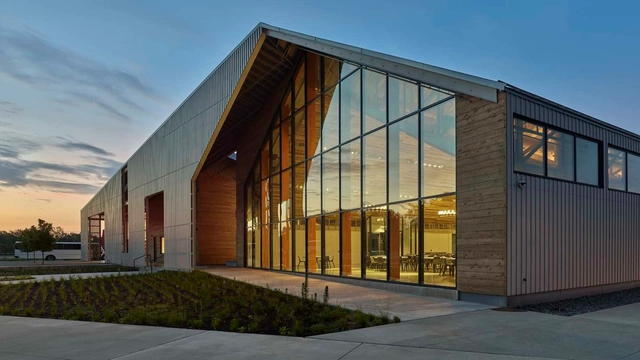
The American Institute of Architects (AIA) has selected 11 projects as winners of its 2022 Architecture Awards. The annual Architecture Award program celebrates the best contemporary architecture, and highlights how spaces can cater to their residents and context and include a sense of place, purpose, history, and environmental sustainability. The selected projects include commercial, residential, and civic typologies, all designed by US-licensed architects.

Circulation spaces are often challenging for designers as they are intended—as the name implies—for moving from one room to another. While many take advantage of these areas by using them as storage spaces, Mies van der Rohe at the Farnsworth house reduced circulation to a minimum, creating an open floor plan completely free of hallways. When faced with vertical circulation, the issue is similar. Stairs fulfill the purpose of overcoming the height between one floor and another, but rarely constitute indoor living spaces. Bleachers, in turn, play this role in several projects. Until recently, they were only found in sports spaces or amphitheaters; now the use of bleachers has become widespread and is seen in office spaces, public buildings, schools and even homes.


American architect Brian Mac grew up near Detroit. He graduated from the Architecture School at the University of Detroit in 1988 and for the next five years worked for a preservationist firm, Quinn Evans Architects in Ann Arbor. There he learned to love historic architectural detailing, and, while working at the firm, in 1992, became a licensed architect. Then followed a short period of disillusion with the profession and moving to Ohio to work in a residential treatment center for adolescent felony offenders.
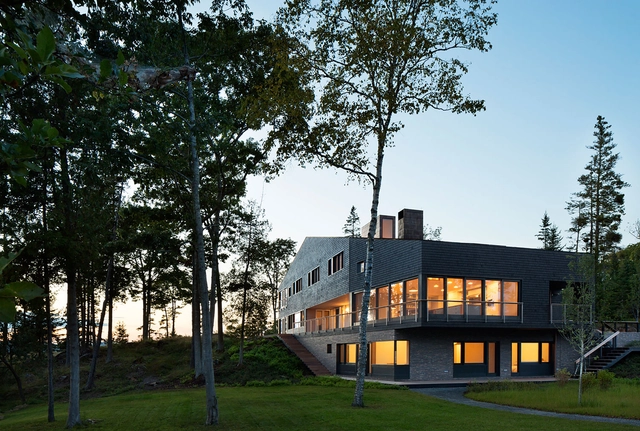
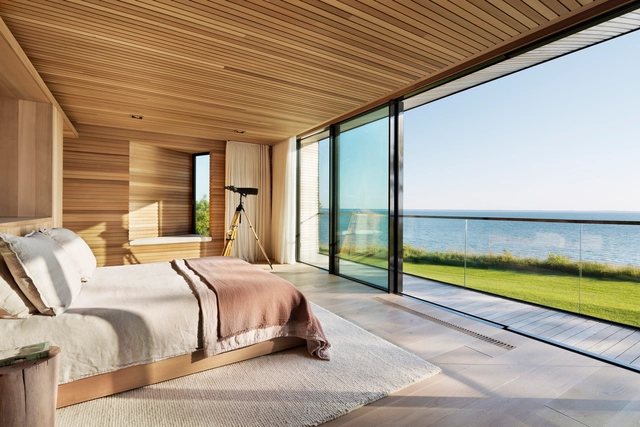
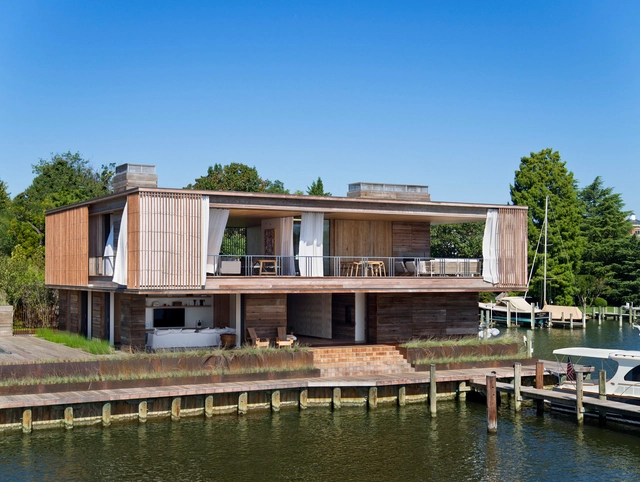
The Hamptons are defined by a storied past. As wealthy New Yorkers were drawn to this part of Long Island’s South Fork for the last century and a half, they increasingly built a series of exclusive and luxurious homes. Today, new residences along the coastline are some of the most expensive properties in the United States. As summer homes and vacation getaways, many of these residences are designed as private retreats surrounded by nature.

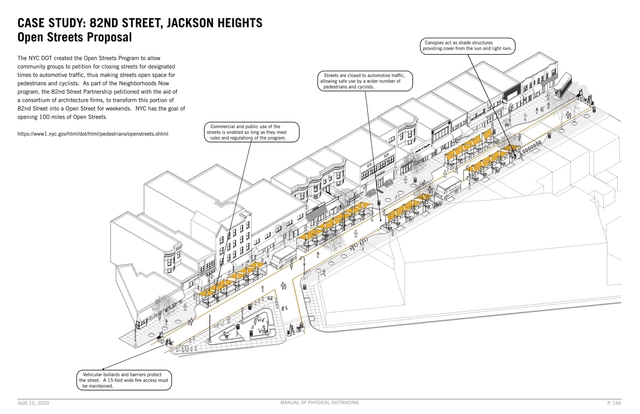
LTL Architects have released the latest version of the Manual of Physical Distancing exploring the spatial impact of COVID-19. The 211 page document visualizes scientific studies and design practices addressing the viral spread, and includes new section on urban vs suburban transmission rates, solar radiation and medical research on masks.
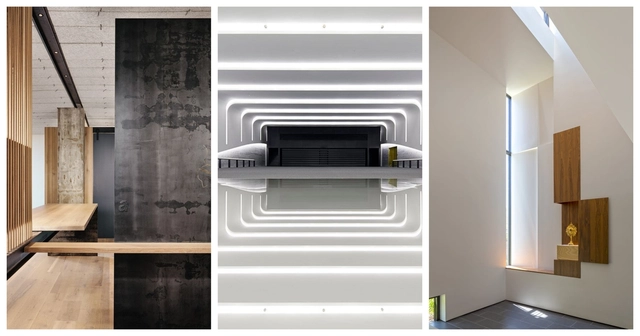
Nine projects have been recognized this year by the American Institute of Architects (AIA) in the 2019 Institute Honor Awards for Interior Architecture. A five-member jury evaluated entries’ sense of place and purpose, ecology and environmental sustainability, and history to choose this year’s most innovative interior spaces.
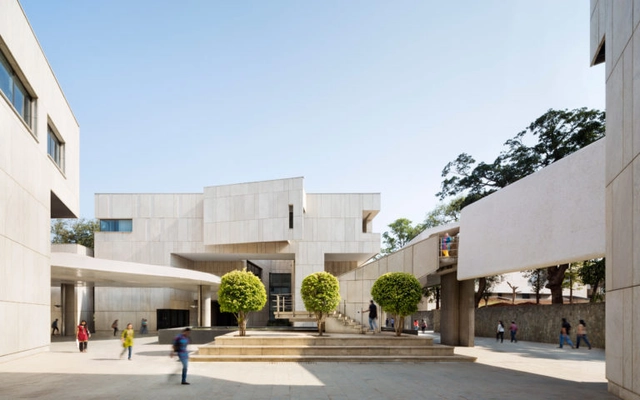
The New York Chapter of the American Institute of Architects has presented 27 projects with 2019 Design Awards. AIANY announced the results after two days of deliberations by a a jury of independent architects, educators, critics, and planners. For each of the five categories, winning projects were granted either an “Honor” or “Merit” award, and were chosen for their design quality, innovation and technique.
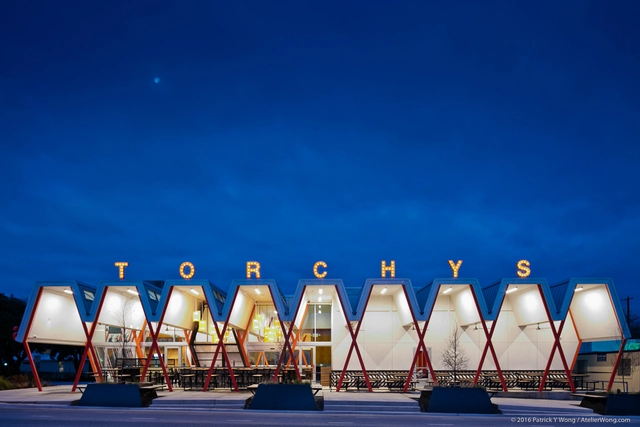
A quintessential characteristic of Mexican culture — in addition to its architecture and rich pre-Colombian identity — is its gastronomy. In 2010, UNESCO's Intangible Cultural Heritage list inscribed Mexican Traditional Cuisine. The foundation remarked that "their knowledge and techniques express community identity, reinforce social bonds, and build stronger local, regional and national identities." However, from Mole to Birria and Pozole to Cochinita Pibil, the most iconic, versatile, and tasty meal is the taco.
In honor of Mexico's rich history, tradition, and food, take a look at 7 taquerias that can inspire your next project.
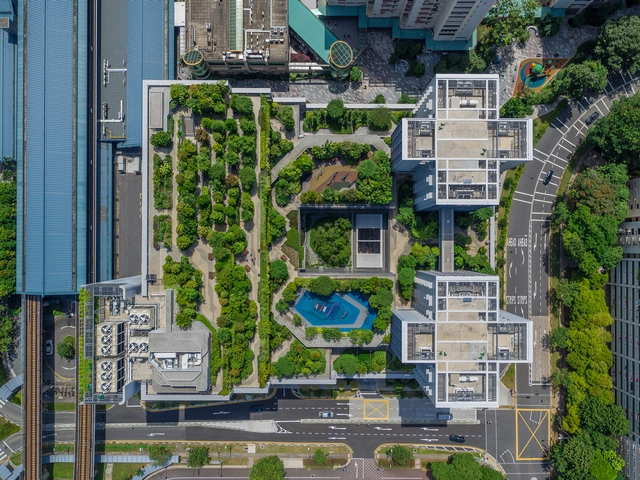
Though seemingly opposite environments, cities are a lot like rainforests. At ground level, the world is dank, dark, and full of predators. Inhabitants seeking fresh air, sunshine, and privacy have only one direction to go: up.
So in the urban jungle, it’s only natural to build a “canopy” in the form of rooftop architecture. The popularity of rooftop amenities across residential, commercial, hospitality, and even health-care projects shows that’s exactly what’s happening.