Refurbishment and adaptive reuse have been at the forefront of architectural discourse in recent years. This demonstrates that the profession is becoming increasingly aware of its impact on the environment and the opportunities presented by reusing what has already been built. Architecture 2030 has recently launched CARE, or Carbon Avoided Retrofit Estimator, a new digital tool that enables designers, owners, and communities to quantify the carbon benefits of adaptive reuse. By entering a streamlined set of project information, such as energy targets and potential building interventions, users can quickly estimate both operational carbon emissions generated by the use of the building and embodied carbon emissions, which are tied to the building materials employed.
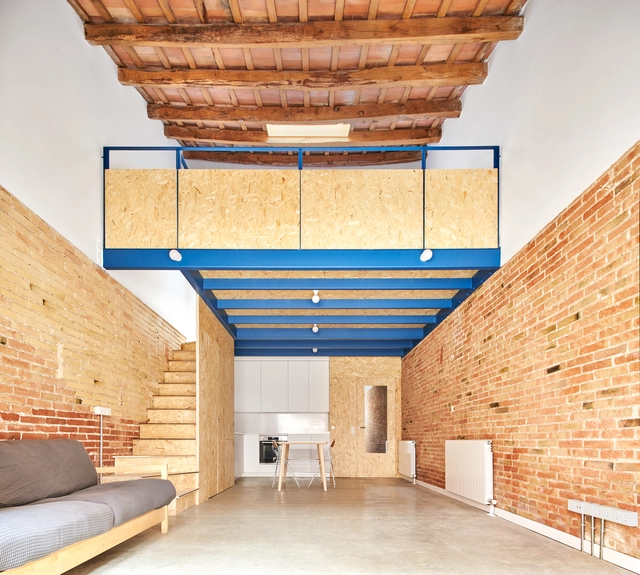
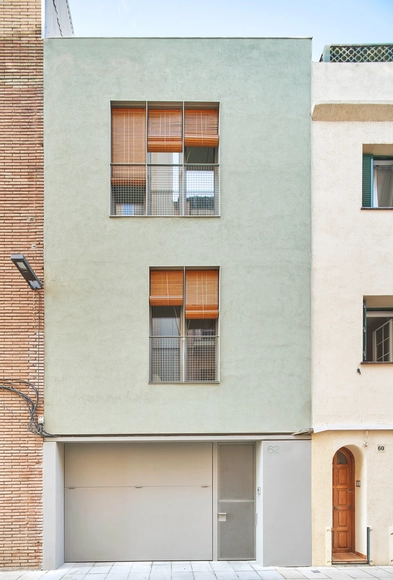
On February 15, 2023, the Living Places / Simon Architecture Prize 2023 award ceremony was held in Barcelona. An initiative by Simon, with the support of the Fundació Mies van der Rohe, the prize seeks to recognize excellence in architecture from the perspective of the inhabitant. In fact, "it distinguishes those works which strengthen the ability of adaptability of spaces to reach comfort and well-being to its residents".
Despite the initially slow and arduous process of molding glass into shape, mankind has used the material for thousands of years. According to archaeological evidence, the first human-made glass tools and jewelry were found in Eastern Mesopotamia and Egypt around 3500BC — and after the invention of the blowpipe in Syria in the 1st century BC and the Western Industrial Revolution made mass production easier, the material's signature traits of transparency and durability could finally be applied on a large scale in architecture and design.
Fast forward to the present day, and the use of glass for building facades and windows is well documented. But what about once we move inside? By treating glass for different levels of transparency, cleverly positioning it within a room, or employing its reflective surface to their advantage, interiors can benefit just as much from the material as exteriors.
The interest in co-living is on the rise, a direction emphasized by the merger between the largest co-living operator in the US, Common, and their European equivalent, Habyt. The two companies manage more than 4,000 apartments in the US and 7,000 apartments in Europe and Asia, as reported by The Wall Street Journal. The term co-living refers to a modern form of group housing where residents share communal spaces for socializing, cooking, and gathering, and have access to shared amenities such as cleaning services or dog walking.
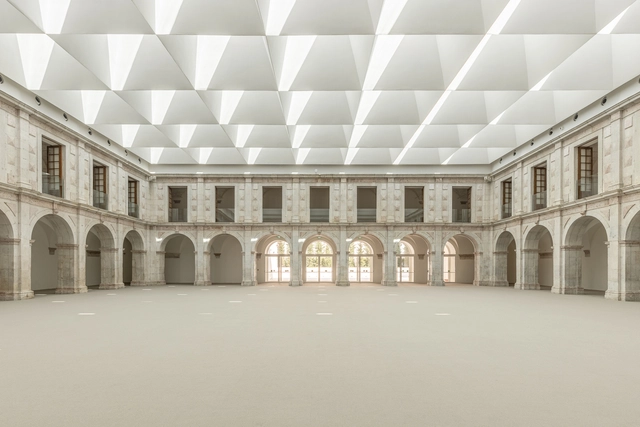
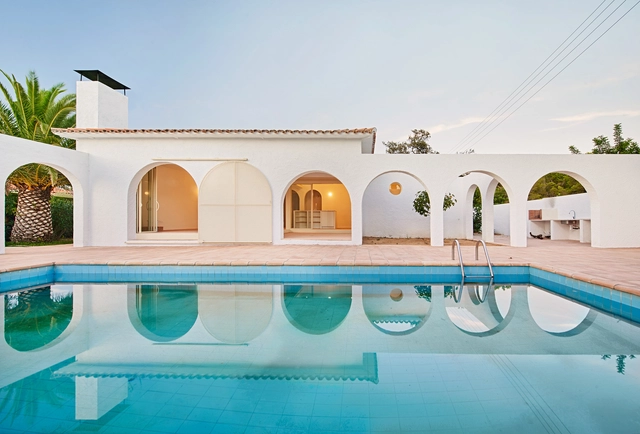
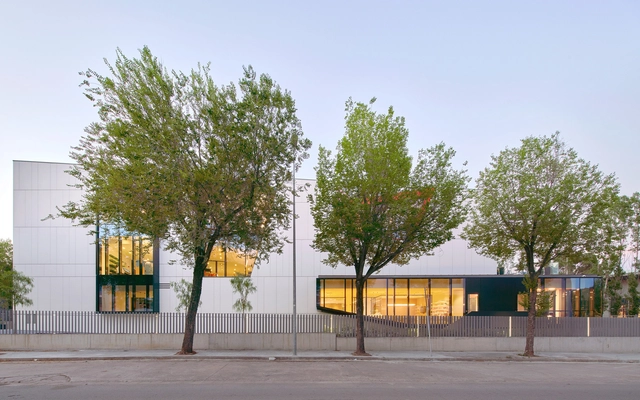
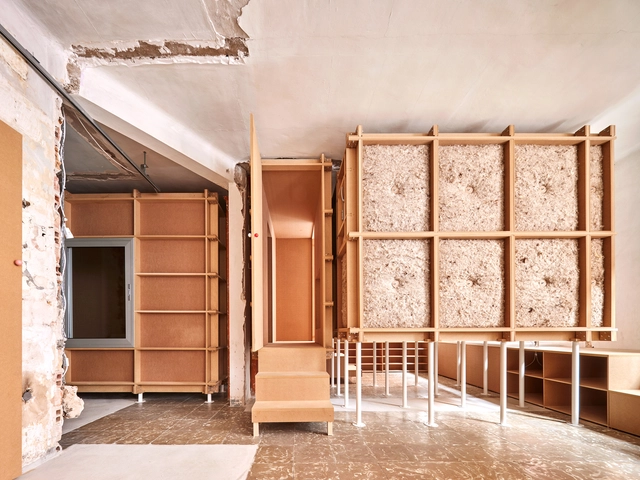
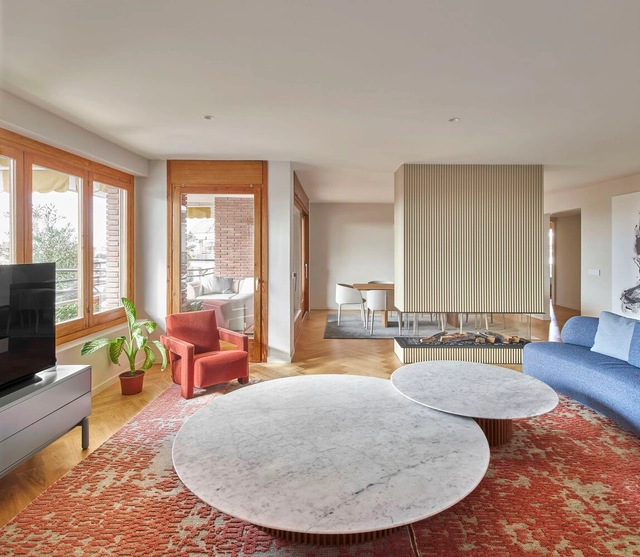
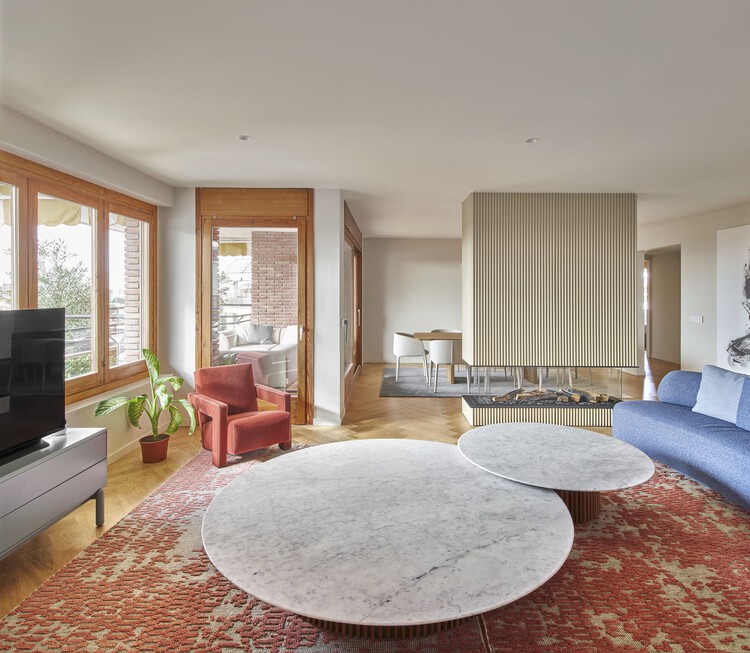
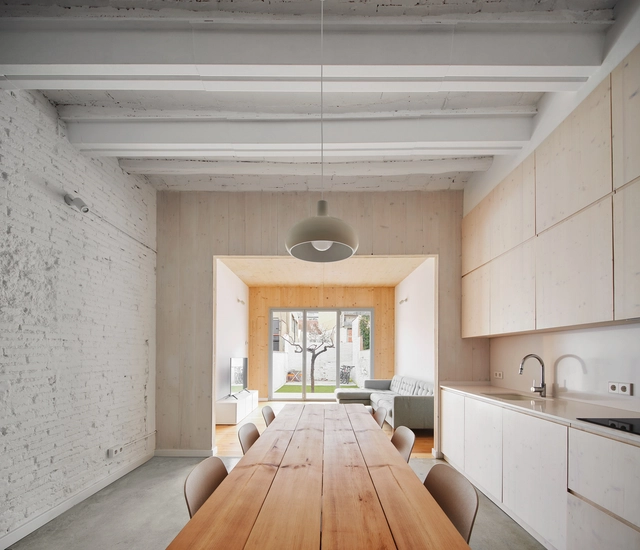
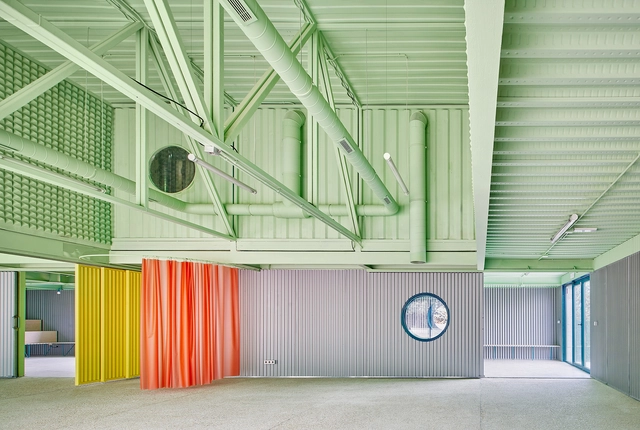
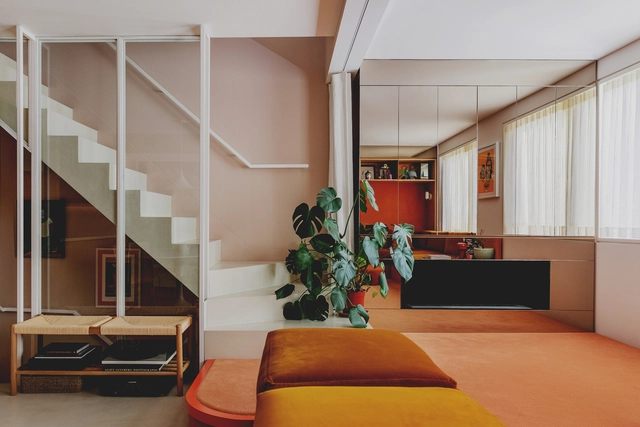
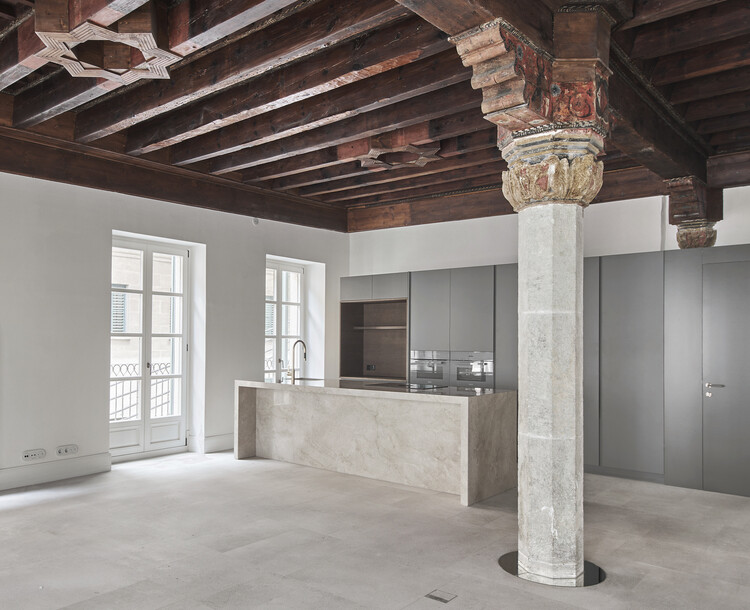
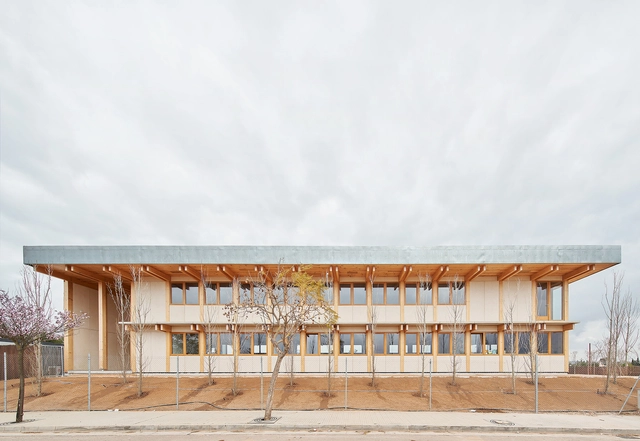
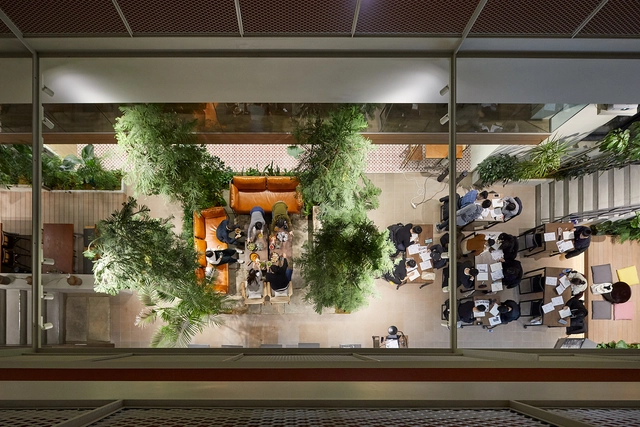
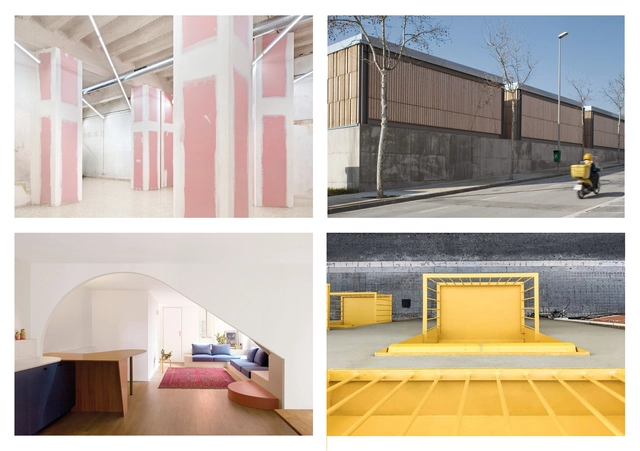
Galería de arte en calle Trafalgar; Archivo histórico comarcal del Garraf; Rehabilitación de vivienda en Walden-7, Viviendas siete vidad - Montaje con fotografías de proyectos de los estudios mencionados
We are going through times of great change and we are all aware of that. The role of women in the field of architecture is becoming more and more relevant and, unlike other times, such as in the 20th century, the female figure is no longer hidden behind the male figure, as happened to Anne Tyng with Louis Kahn or Lilly Reich with Mies van der Rohe, just to mention a few examples.
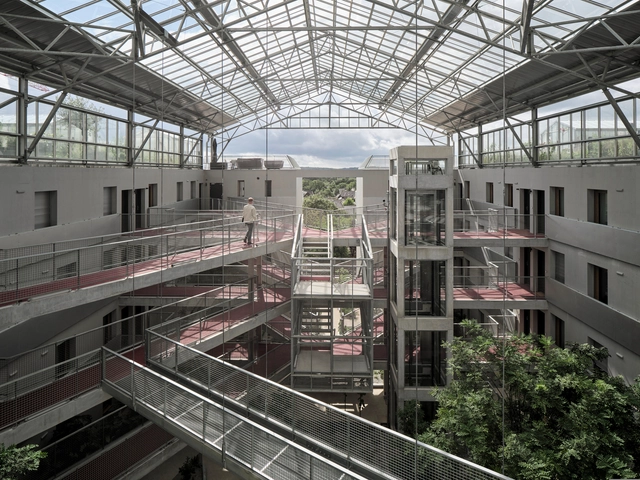
The demolition of the Pruitt-Igoe housing project will be 50 years old in 2022. Many ideas of how to live collectively have changed since then. Check out some housing projects in which the placement values encounters and community living.
The Pruitt-Igoe Housing Project, designed by Minoru Yamasaki, is considered a landmark of modernist architecture. Its high towers, inspired by Le Corbusier's Unité d'Habitation, which totaled almost 3000 units, set out to fill about half of the government-indicated housing deficit in the 1950s in St. Louis, USA. Besides the innovative architectural project, the government also bet on an interracial coexistence that involved poor and vulnerable strata of society - in the middle of the segregationist period in the United States.