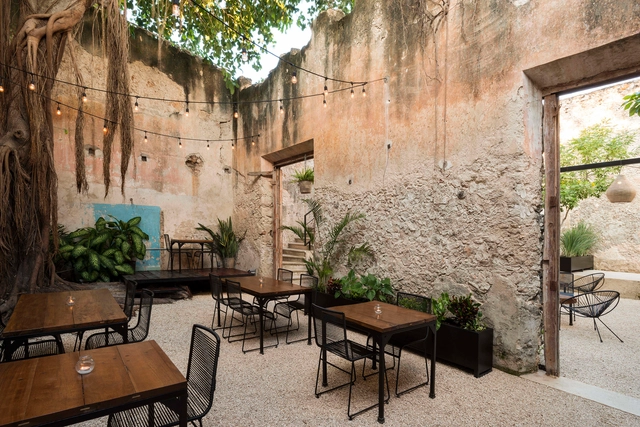
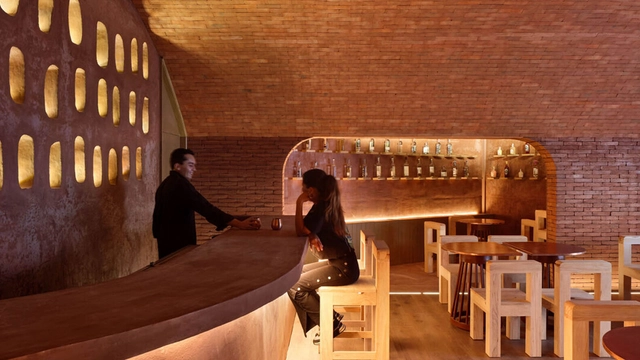
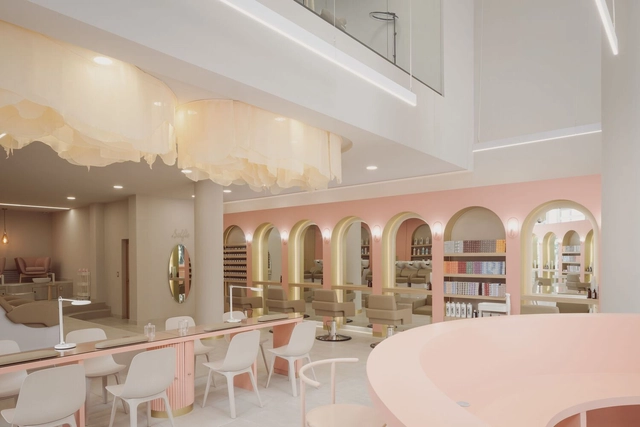
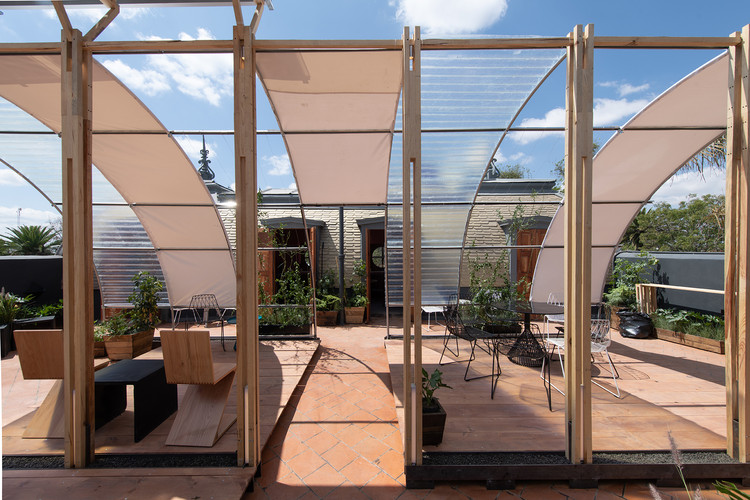
The spatial distribution of a restaurant or bar is essential to its success. Faced with this design challenge, several architects have experimented and proposed configurations that both enhance the use of space in different culinary experiences.
With this being said, take a look at 50 gastronomic establishments in plan and section to inspire your next design.
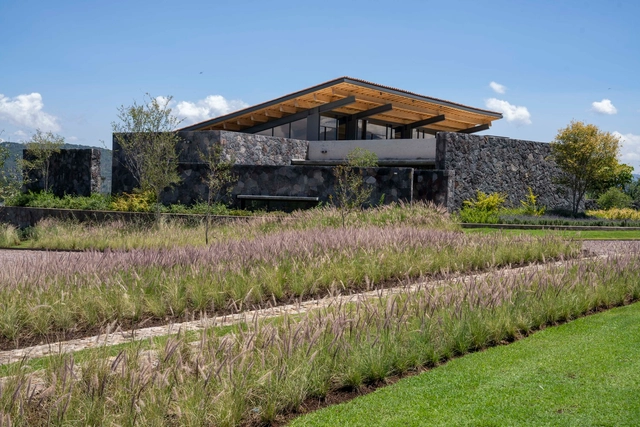
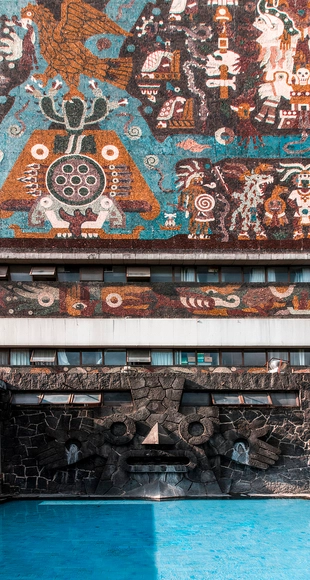
From the pre-Columbian period of the Americas –during which cultures such as the Olmec, Maya, Purepecha, and Mexica (Aztec) thrived– to the modern era where architecture has been influenced by social movements and even natural disasters, Mexican architecture showcases a valuable architectural expression, with its own unique voice and distinctive characteristics. Nobel Literature Laureate Octavio Paz argued that architecture is an incorruptible witness to history. Likewise, the materials used to shape it have acted as protagonists of that history, enduring in many cases over time and evolving thanks to the generations of architects who have contributed to it, from different perspectives.
To trace a timeline, it is possible to take as a starting point pre-Hispanic architecture, which exhibited a diversity of nuances due to Mexico's vast territorial extension. This allowed diverse cultures to find their niche and develop their characteristic architectural styles. Subsequently, the era of Spanish colonization, which itself drew influence from Islamic architecture, represented a noteworthy turning point in architectural development. This phase endured until the advent of Mexican Independence in the 19th century. In turn, this marked the initiation of social and cultural movements, both during and after the Mexican Revolution in the early 20th century.
https://www.archdaily.com/1005554/materials-that-define-the-contemporary-mexican-architectural-aestheticEnrique Tovar
The relationship between architecture and music has existed throughout history and can be observed in various aspects. The way architectural spaces are designed can affect the sound quality and auditory experience of a musical piece. The acoustics of a place, determined by its shape, size, and materials used in its construction, can influence how sounds and music are perceived. That's why architecture plays an essential role in the design of auditoriums and concert halls. The aspects to consider include space distribution, seat placement, the shape of the venue, and acoustics to ensure an optimal sonic experience.
Water and architecture are closely related in habitat design, encompassing both functional and aesthetic aspects. The best option is to take this into account from the beginning of the design process, as implementing appropriate technologies and systems will determine water consumption. Currently, it is our responsibility as professionals to think about how we can reduce and recycle water consumption within our own homes. There are various ways to address these needs, such as installing low-flow devices in faucets and showers, dual-flush toilets, and efficient irrigation systems for landscaping. In addition, rainwater collection and reuse systems can be implemented for irrigation or house cleaning, which contributes to its conservation.
Mezcal is a Mexican beverage that has gained great popularity in the last decade. Its history dates back to pre-Hispanic times when cultures consumed various drinks derived from the agave plant in different ways. During the pre-Columbian period, this plant was used for various purposes, ranging from food to the production of fibers and medicines. However, within the different processes, they discovered that they could ferment and distill the juice of the agave to obtain an alcoholic beverage, which they called "pulque".
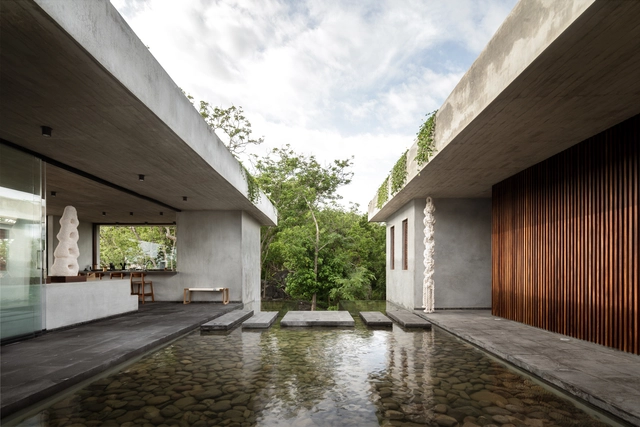
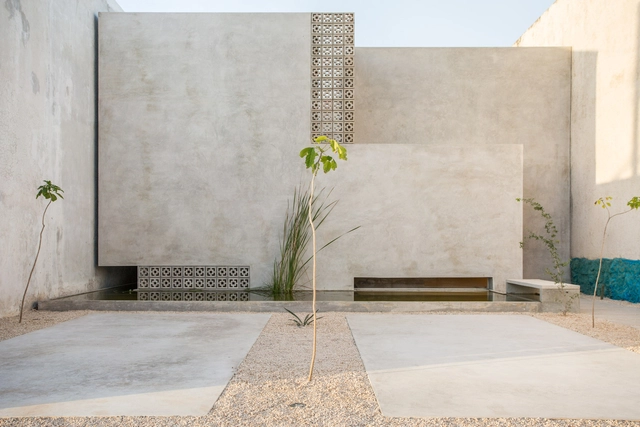
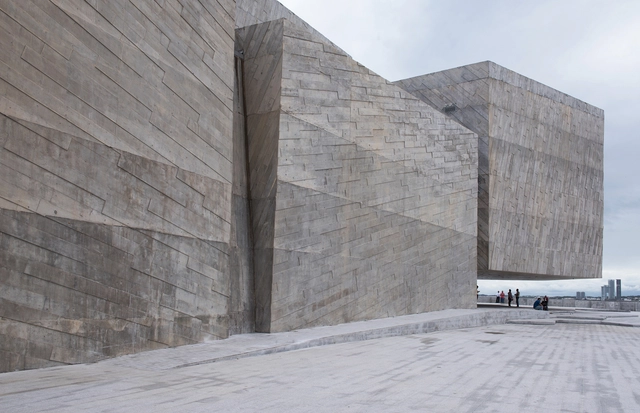
Due to its ability to mold and create different shapes, concrete is one of architecture's most popular materials. While one of its most common uses is as a humble foundation, its plasticity means that it is also used in almost all types of construction, from housing to museums, presenting a variety of details of work that deserves special attention.
Check out this collection of 40 projects that highlight the use of concrete. Impressive!
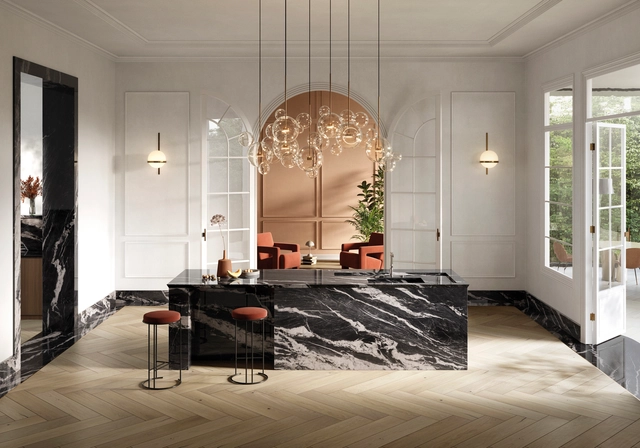
Aplicación de colección XTONE Cyclone Black. Image Cortesía de Porcelanosa
This year, Porcelanosa celebrates 50 years of inspiring architects, stimulating creative exploration in design, and bringing memorable projects to life. Since its founding in 1973 in Vila-real, Spain, Porcelanosa has become a benchmark for architecture, design, and interior design, focusing its production on flooring, single-fired wall tiles, stoneware, and porcelain tiles. Moving away from traditional red clay manufacturing, José Soriano and brothers Héctor and Manuel Colonques introduced the distinctive touch of ceramics to design.
Alongside developing comprehensive space design solutions, year after year, Porcelanosa sets trends in materials, textures, and interior design. Additionally, since 2018, the company has organized an international exhibition showcasing annual design trends in flooring, wall coverings, kitchens, bathrooms, and other elements such as wardrobes, furniture, and lighting.
To develop materials that meet the needs of the future, it is important to consider the challenges of both the past and the present. Concrete, a widely used construction material, has maintained its basic composition since its modern conception in the 19th century with the invention of Portland cement by Joseph Aspdin. Highly valued for its strength and cohesion, concrete has become one of the most widely used materials in the world. Driven by its technical and aesthetic characteristics, architects have erected landmarks such as the ECLAC building and the Palmira Chapel, which have become milestones of contemporary architectural production. Today, however, such performance characteristics are no longer the sole criteria for weighing a material's value, given the pressing need to develop materials with a sustainable focus. Indeed, the concrete industry releases a high volume of pollutants into the atmosphere, accounting for approximately 8% of global CO₂ emissions.
https://www.archdaily.com/1136072/photocatalytic-concrete-a-sustainable-approach-to-air-quality-in-constructionEnrique Tovar
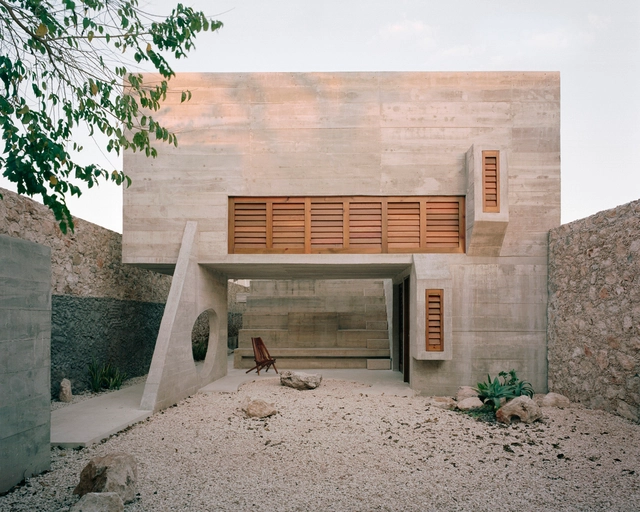
Brutalism is an architectural style that originated in the 1950s and became popular in the 1960s. Its name comes from the French "béton brut," which means "raw concrete," as this material is one of the most characteristic elements of the style. Its main features are the apparent use of concrete, offering visuals where natural texture and tonality are the protagonists of the buildings. Brutalist buildings often have an austere and massive aesthetic, with simple and repetitive geometric shapes. The use of industrial materials and innovative construction techniques is also common in brutalism.
Art Deco is an artistic and design style that emerged in Europe in the late 19th and early 20th centuries, reaching its peak in the 1920s and 1930s. Although it's difficult to identify a single origin for Art Deco, it's believed that the style developed as a reaction against the Arts and Crafts and Art Nouveau movements, which emphasized craftsmanship and naturalistic ornamentation. The style quickly spread throughout the world and had a major influence on architecture, interior design, fashion, and visual arts during the first half of the 20th century.
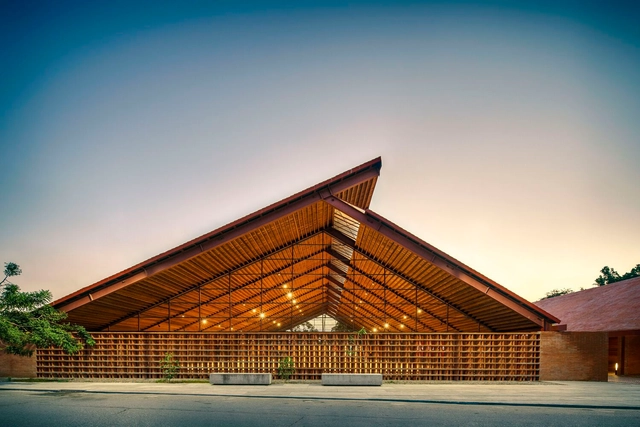
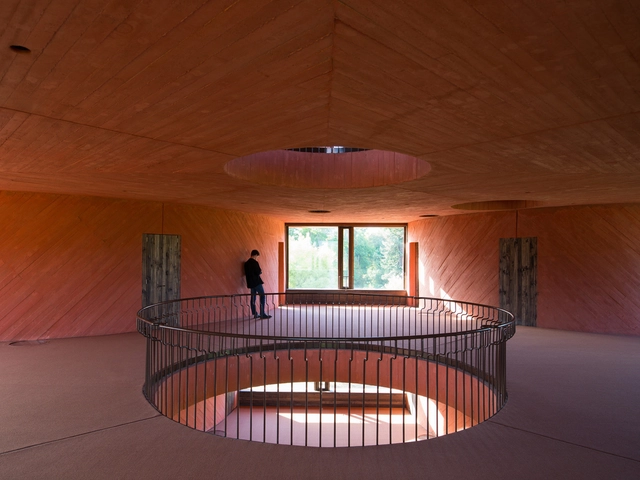
INES Centro de innovación / Pezo von Ellrichshausen. Image Cortesía de Pezo von Ellrichshausen
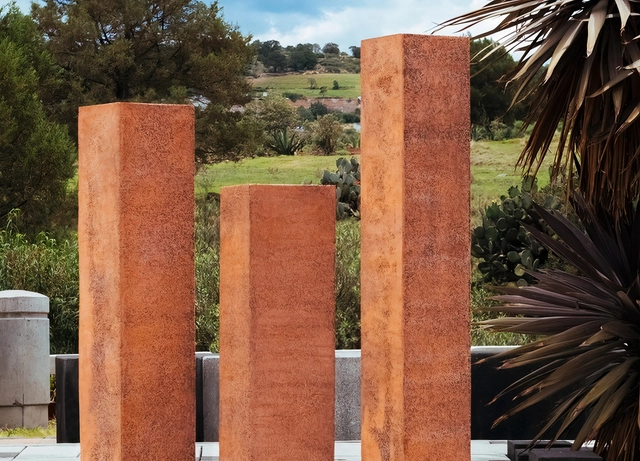
While colors can accentuate architectural designs, there is no single color that is "best". The choice depends on the style and purpose of the architecture, as well as the effect you want to create. However, colors that contrast with predominant tones can help highlight important details - and yes: red tones here can create an intense visual contrast.
The philosopher and sociologist Henri Lefebvre coined the notion of "production of space" in 1974, breaking with the vision of space as a container or scenario of objects and social relations, to move towards space understood as a process. From this vision based on the Marxist tradition, space is a product and a producer of social relations and processes.
With the rise of social media, we have entered an era of a multimedia "society of the spectacle," where the influence of images on the public grows year by year. Visually-driven media platforms are increasingly dominating the market, serving as an alternative form of travel that allows people to experience breathtaking scenes from around the world without leaving home. Dedicated to bringing design inspiration to the public, ArchDaily established its presence on Instagram years ago. In 2022, we expanded onto China’s Xiaohongshu (RED), hoping to share exceptional projects with a broader audience. As expected, the influence of star architects remains strong, while playfulness, aesthetics, and relevance emerge as key terms guiding reader interest. Here, we present the top 20 most-liked architectural projects of 2022 on ArchDaily’s official Xiaohongshu and Instagram accounts. Read on to discover the public's architectural preferences.
According to the UN, more than 7000 extreme weather events have been recorded since 2000. Just this year, wildfires raged across Australia and the west coast of the U.S.; Siberia charted record high temperatures, reaching 100 degrees Fahrenheit before Dallas or Houston; and globally, this September was the world’s hottest September on record. As the effects of the climate crisis manifest in these increasingly dire ways, it is the prerogative of the building industry – currently responsible for 39% of global greenhouse gas emissions – to do its part by committing to genuine and sweeping change in its approach to sustainability.
One of the most challenging aspects of this change will be to meet mounting cooling demands in an eco-friendly way. Cooling is innately more difficult than heating: any form of energy can become heat, and our bodies and machines naturally generate heat even in the absence of active heating systems. Cooling does not benefit equally from spontaneous generation, making it often more difficult, more costly, or less efficient to implement. Global warming and its very tangible heating effects only exacerbate this reality, intensifying an already accelerating demand for artificial cooling systems. As it stands, many of these systems require large amounts of electricity and rely heavily on fossil fuels to function. The buildings sector must find ways to meet mounting demand for cooling that simultaneously elides these unsustainable effects.
https://www.archdaily.com/949585/cooling-interiors-will-be-the-architectural-challenge-of-the-futureLilly Cao
As part of the celebrations marking the fifth anniversary of the opening of Foro Boca, on December 2, Mexican architect Michel Rojkind was invited to give a lecture at the venue located in Boca del Río, Veracruz (Mexico). Titled "The Continuous Construction of a Public Space," the talk aimed to share with the local community the ideas and strategies that have shaped his work for over two decades.
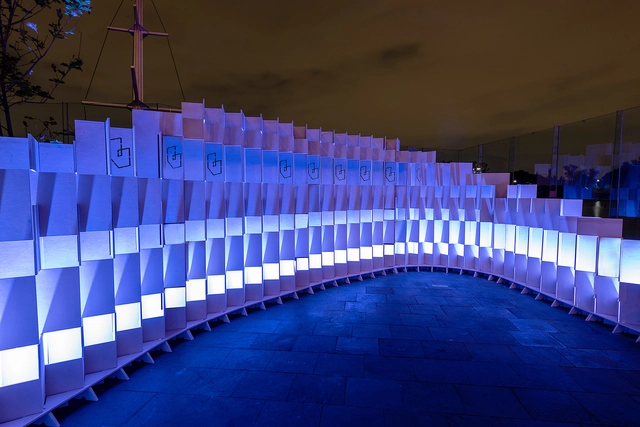
To mark the tenth anniversary of ArchDaily Mexico, Rojkind Arquitectos + Think Parametric designed an installation for the celebration held at the LAGO/ALGO Cultural Center. Located in the Second Section of Chapultepec Forest, the 810-hectare urban park is divided into four zones and home to some of Mexico's most prominent tourist landmarks.