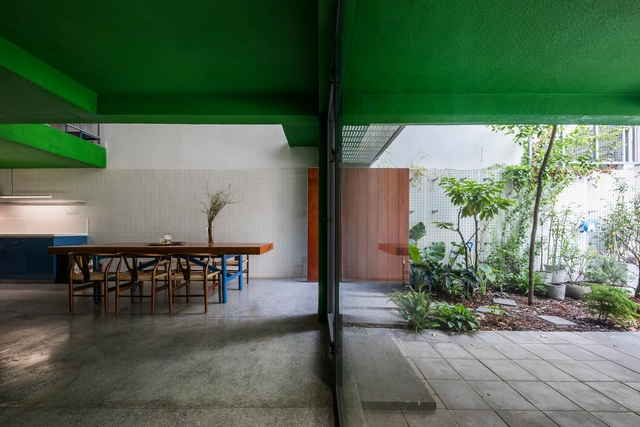


BOHO Décor Head Office / BOHO Décor


-
Architects: BOHO Décor
- Area: 780 m²
- Year: 2021
-
Professionals: BOHO Décor, DJCoalition
https://www.archdaily.com/974222/boho-decor-head-office-boho-decorHana Abdel
Offices with Integrated Greenery: 7 Notable Examples
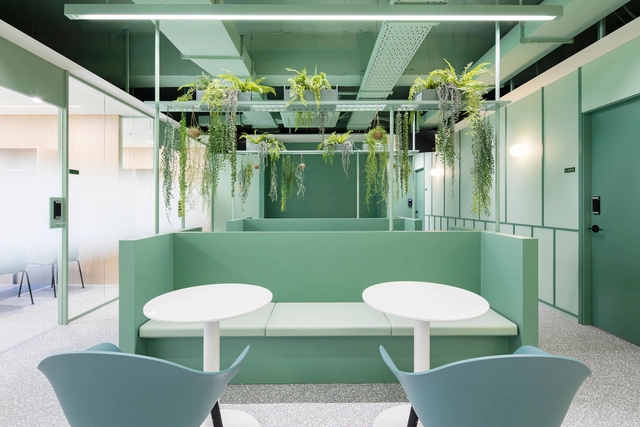


Offices have evolved tremendously in recent years. They are becoming more and more like a domestic space, incorporating new color palettes, flexible furnishings, warm textures, and even greenery as part of the design. In the latter case, it is not simply an aesthetic addition, but the greenery is integrated in such a way that it completely transforms and enhances the work experience of the people inside. How can plants become protagonists of the workspace? Let's review 7 cases that creatively integrate them in favor of the well-being of users.
https://www.archdaily.com/973587/offices-with-integrated-greenery-7-notable-examplesJosé Tomás Franco
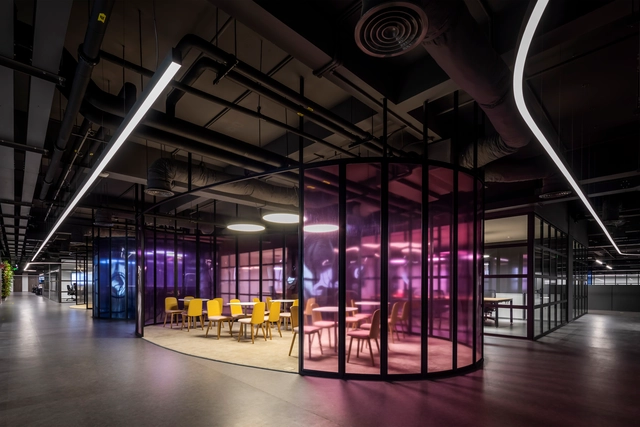
Crystal Martin Vietnam Office / D&P Associates


-
Architects: D&P Associates
- Area: 10000 m²
- Year: 2021
-
Manufacturers: Barrisol, Gerflor, LAMEX, Xingfa
https://www.archdaily.com/969676/crystal-martin-vietnam-office-d-and-p-associates-vietnamHana Abdel
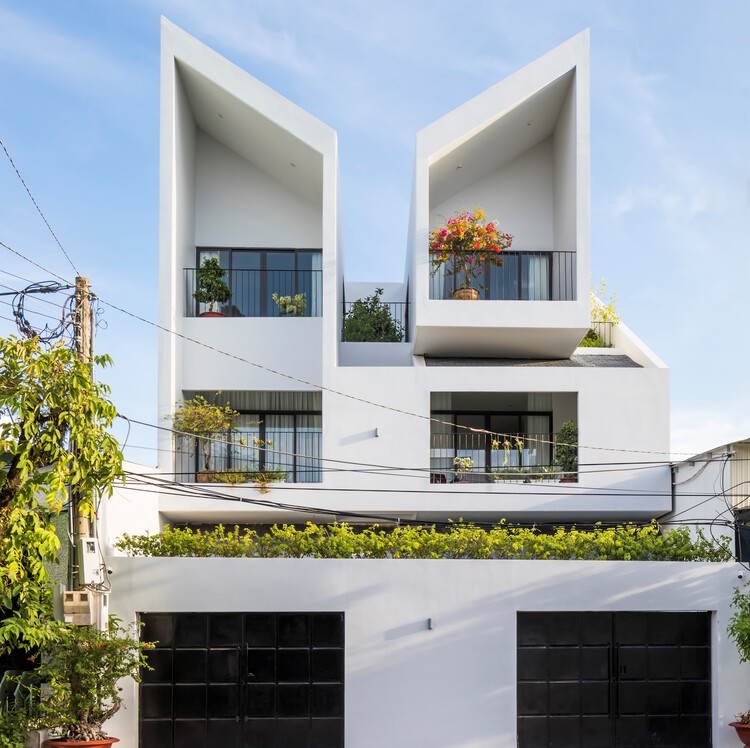
Twin House / 6717 Studio


-
Architects: 6717 Studio
- Area: 180 m²
- Year: 2019
-
Manufacturers: Jotun, Kohler, Vietceramics, Xinfa
https://www.archdaily.com/969540/twin-house-6717-studioHana Abdel
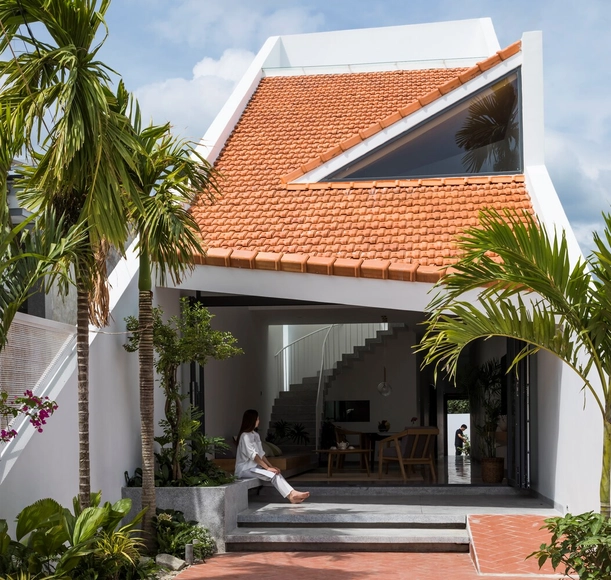
Diên Khanh House / 6717 Studio


-
Architects: 6717 Studio
- Area: 130 m²
- Year: 2020
-
Manufacturers: Jotun, Kohler, Xinfa
https://www.archdaily.com/969207/dien-khanh-house-6717-studioAndreas Luco
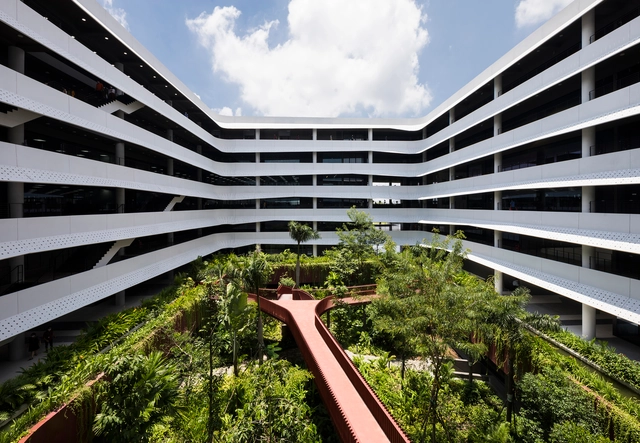
Concrete Waves / G8A Architecture & Urban Planning


-
Architects: G8A Architecture & Urban Planning
- Area: 31000 m²
- Year: 2019
-
Manufacturers: Ashita Wood, Decocrete, Graphenstone, Hisung, IBS Stone, +5
-
Professionals: G8A Architects
https://www.archdaily.com/968928/concrete-waves-g8a-architecture-and-urban-planningHana Abdel
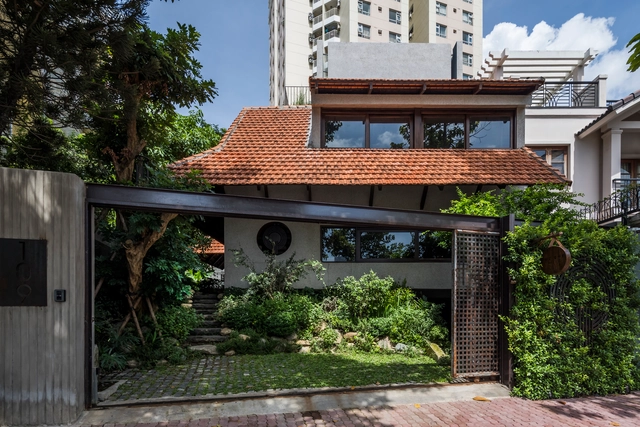
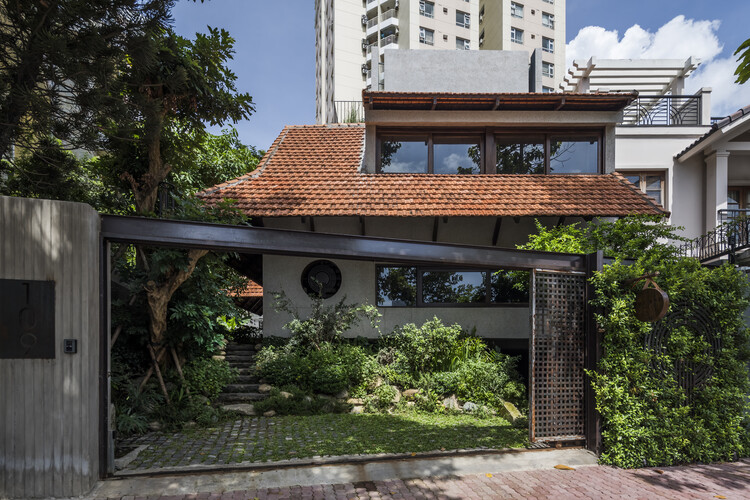
The Quê / 23o5Studio


-
Architects: 23o5Studio
- Area: 275 m²
- Year: 2020
-
Manufacturers: Schneider Electric, Jotun, Kanly, Toto, Xingfa
https://www.archdaily.com/968213/the-que-23o5studioHana Abdel
J14 Residence / 23o5Studio
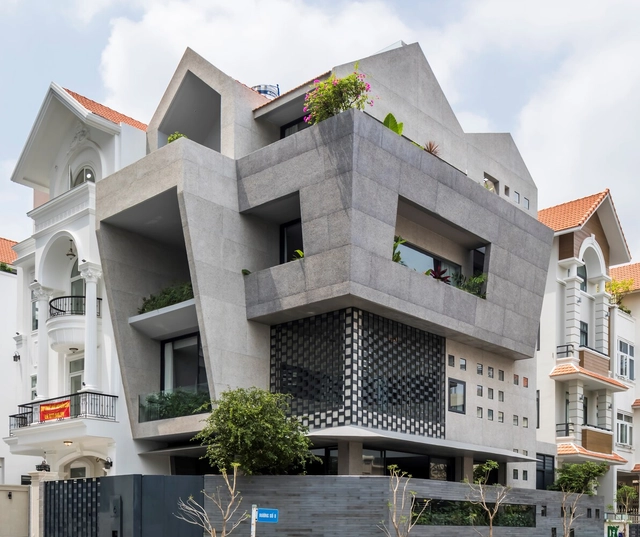
-
Architects: 23o5Studio
- Area: 240 m²
- Year: 2020
-
Manufacturers: Grohe, Schneider Electric, AA Window, Blum, Hafele, +3
https://www.archdaily.com/967561/j14-residence-23o5studioHana Abdel
Quiin House 2 / 23o5Studio
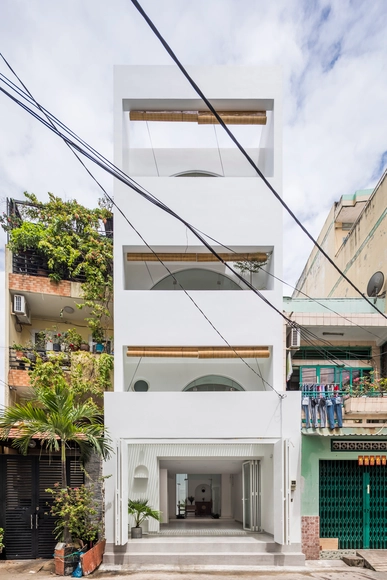


-
Architects: 23o5Studio
- Area: 80 m²
- Year: 2018
-
Manufacturers: Jotun, Kanly, Toto, Xingfa
https://www.archdaily.com/966970/quiin-house-2-23o5studioPilar Caballero
Asia's Local Mesh Material: 18 Projects that Explore the Versatility of Rattan
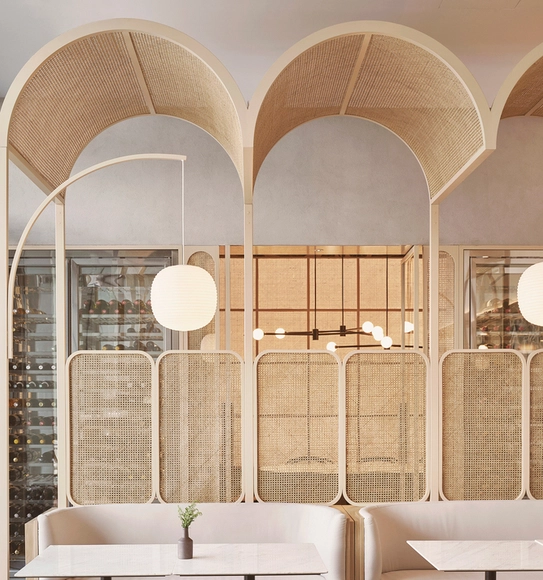
Over the past couple of years, many designers have voiced their commitment to ethical and ecological sourcing, resorting to frugal designs through local materials, traditional techniques, and equitable architecture. Having this approach in mind, many found inspiration in their cultural heritage, reimagining ancient designs in contemporary contexts.
When thinking of recycled design trends, we can't overlook one of the most well-known and popular materials that was shared by nations all around the globe over the span of 100 years; on balconies, outdoor patios, gardens, and indoor living spaces: rattan. It is estimated that almost seven hundred million people worldwide use rattan, with many countries presenting it as an integral part of their cultures. In this article, we look at how architects and designers integrated rattan in their designs and found numerous ways to make the best out of Southeast Asia's popular local material.


https://www.archdaily.com/966829/southeast-asias-woven-local-gem-18-projects-that-explore-the-versatility-of-rattanDima Stouhi
House 9A / 23o5Studio


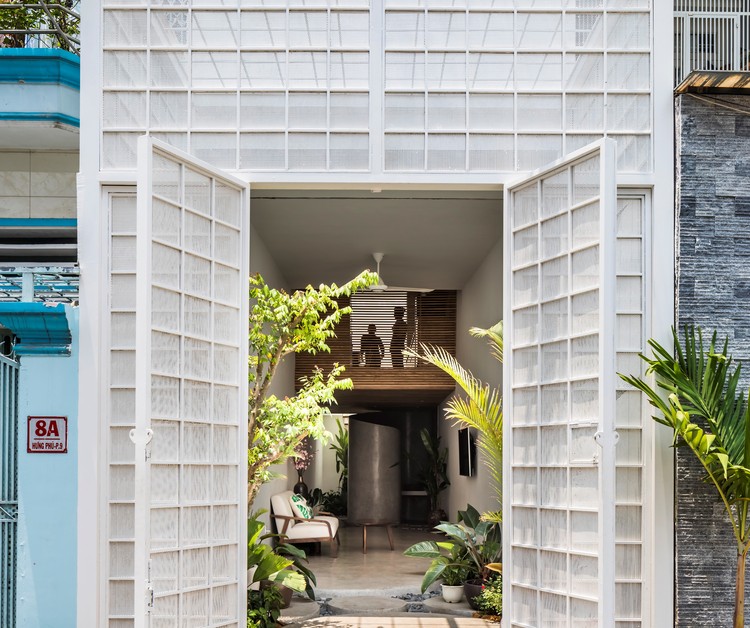
-
Architects: 23o5Studio
- Area: 54 m²
- Year: 2018
-
Manufacturers: Jotun, Kanly, Toto, Xingfa
https://www.archdaily.com/966942/house-9a-23o5studioHana Abdel
Kim-chon House / 23o5Studio


-
Architects: 23o5Studio
- Area: 57 m²
- Year: 2017
-
Manufacturers: Ha Tien cement, Toto, Xingfa
https://www.archdaily.com/966706/kim-chon-house-23o5studioPilar Caballero
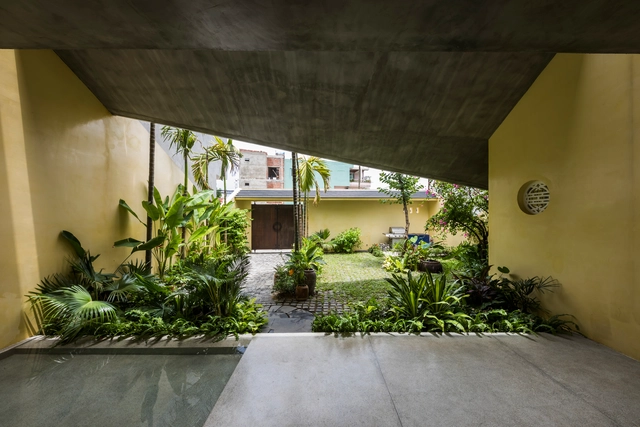
Nhà Tường Vàng House / 23o5Studio


-
Architects: 23o5Studio
- Area: 300 m²
- Year: 2018
-
Manufacturers: Jotun, Kanly, Toto, Xingfa
https://www.archdaily.com/966764/nha-tuong-vang-house-23o5studioHana Abdel
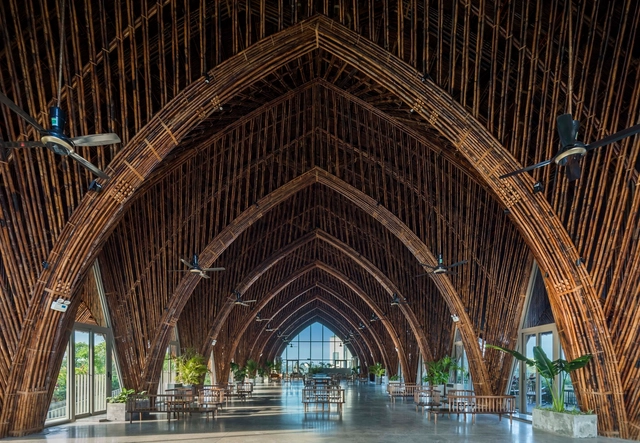
Casamia Community House / VTN Architects


-
Architects: VTN Architects
- Area: 1600 m²
- Year: 2021
-
Professionals: VTN Architects
https://www.archdaily.com/965674/casamia-community-house-vtn-architectsHana Abdel
How (and Why) to Let Weather Into Your Buildings: 6 Projects that Bring Nature Inside
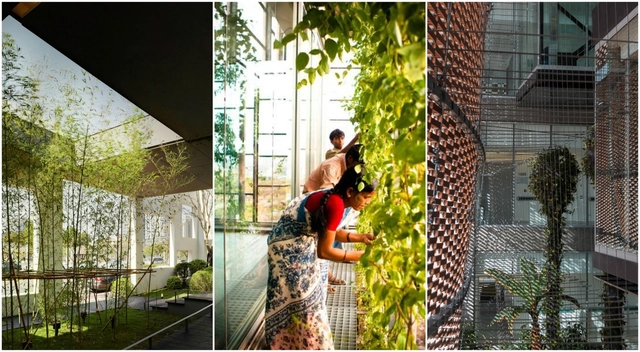
Bringing the weather inside is usually the opposite of what you want from a building envelope. However, new research from the University of Oregon, described in an article by The Washington Post, aims to show the physical and psychological benefits of letting nature inside. Signs of nature and change are both beneficial to our well-being, yet we don’t always have access to them when inside buildings—and humans are now spending 90% of our lives inside. But even in an urban setting, where nature may be hard to come by, there’s no escaping the weather. When researchers found ways to bring things like wind and dappled reflections of the sun inside, they found that exposure to these natural movements lowered heart rates, while being less distracting than similar artificially generated movements.
By now, green buildings are a familiar concept, but the article in The Washington Post proposes moving beyond green buildings as we know them today. While green building can be great in new construction, that excludes a lot of existing buildings that could and should also benefit from an intervention of nature. Ideally, buildings should actively demonstrate their relationship with nature, moving beyond simply “doing no harm.”


.jpg?1503108285&format=webp&width=230&height=230&crop=true)

https://www.archdaily.com/878034/wind-sun-and-rain-how-and-why-to-let-weather-into-your-buildingsMegan Schires
What Are The Most Used Materials in Social Housing? 15 Diverse Applications and Construction Styles
.jpg?1626079817&format=webp&width=640&height=580)
Choice of building materials and the inherent continuous reflection about the reach and capabilities of architecture are an interesting alternative way to approach this issue. The materials used in social housing should address local and economic possibilities and the real needs for access to housing in the contemporary context.
In this article, we analyze different projects published on our site to identify some of the predominant materials used in social housing, both for the formation of structures or enclosures. The intentions of this are two-fold: firstly, to create a worldwide panorama of different case studies with different construction styles from a range of geographical locations, and secondly, to provide inspiration and tools to architects to make better social housing.
Below we present 15 social housing projects and their diverse materials and construction styles.
https://www.archdaily.com/881187/which-are-the-most-used-materials-in-social-housingFabian Dejtiar
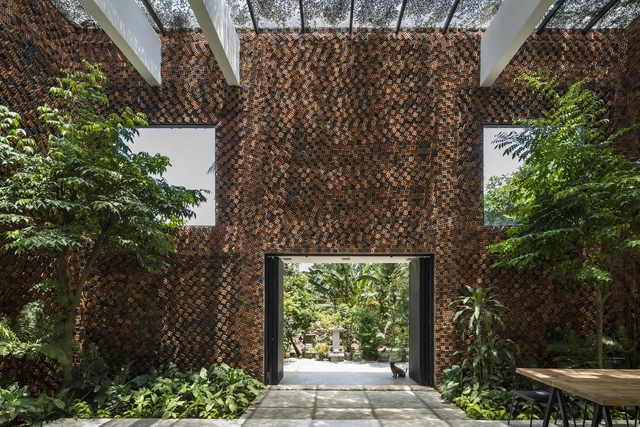
Wall House / CTA | Creative Architects


-
Architects: CTA | Creative Architects
- Area: 208 m²
- Year: 2018
-
Professionals: Viet Tin Phuc Company Limited
https://www.archdaily.com/942020/wall-house-cta-creative-architectsHana Abdel