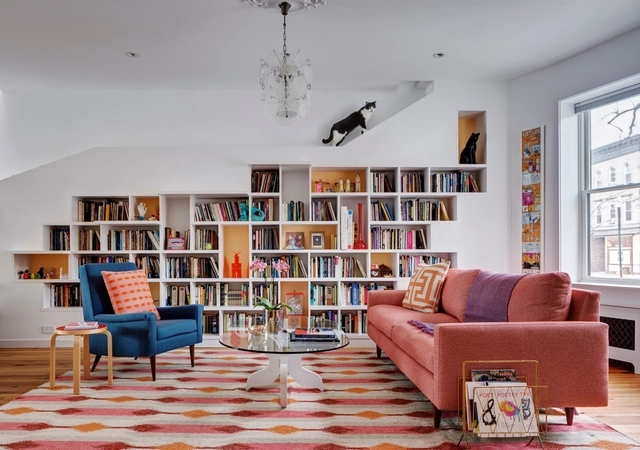
In times of an ongoing global pandemic and constant video meetings, more and more people are leveraging their bookshelves at home to not only create appropriately stylish screen backdrops but also communicate credibility. There’s even a Twitter account on the subject. That being said, not everyone has a library-worthy collection to display or the space to store heavy art volumes. But whatever your personal shelf dream – even if it involves cats – here are five design elements that will help you make the most out of a tool you didn’t know you had, plus real examples of how they are being used to enhance bookshelves in projects around the globe. Head to the bookshelf section on Architonic for further inspiration and concrete product examples.
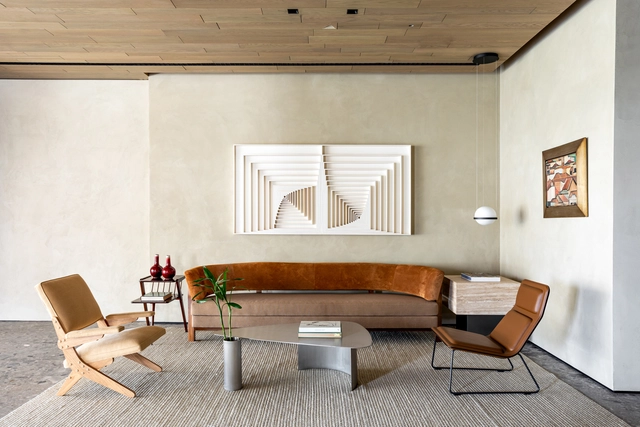
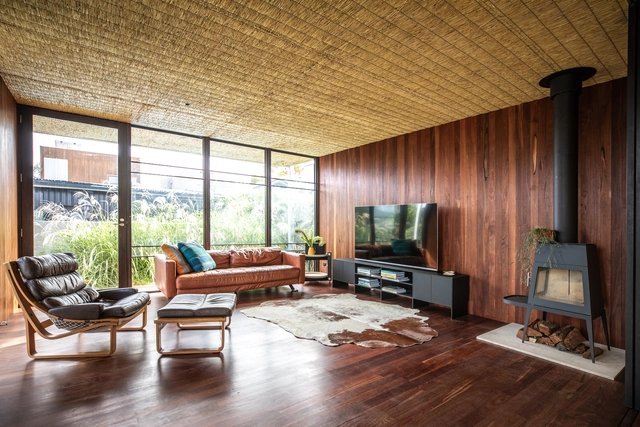
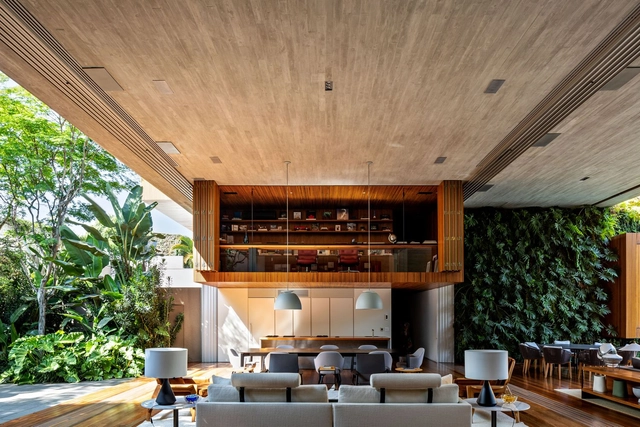
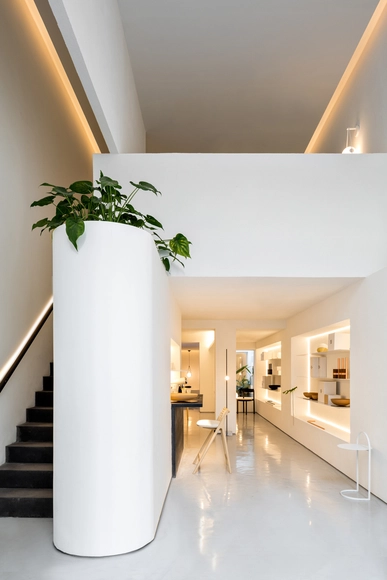
In apartments and small houses, the rest and entertainment spaces tend to share the same environment, making the living room fully oriented towards the television. But what to do when television is removed from space? Here are ideas on how to organize the living room without having the television as the main object of the room.
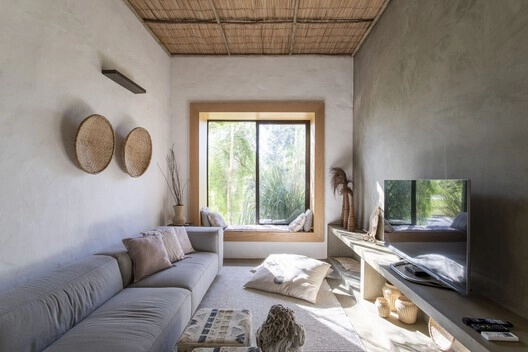
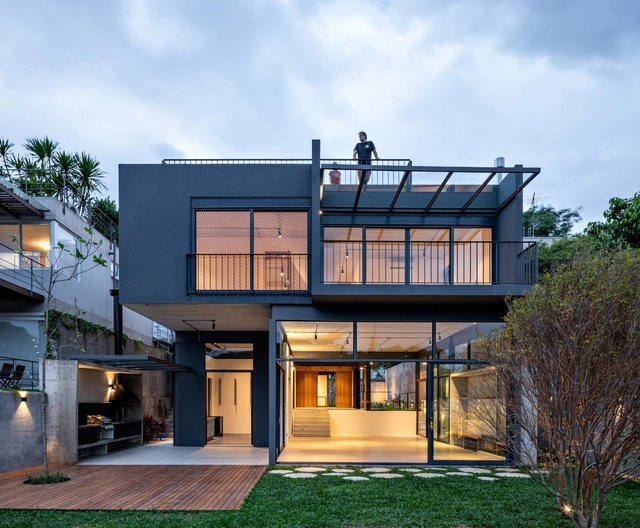
Designing houses in tropical climates, as is the case in Brazil, means paying special attention to openings, both in relation to the functioning and conviviality of the house, as well as in relation to issues of environmental comfort. In this article we bring you 16 Brazilian homes that take advantage of their strategic openings to create cozy, stunning, well-lit and ventilated environments.
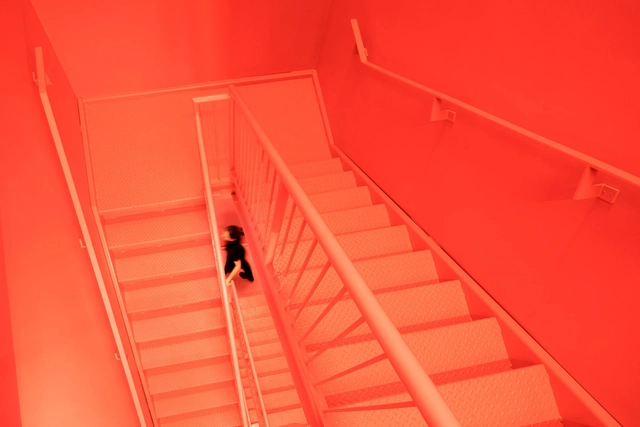
Just as the colors of an abstract painting or photograph can produce a certain mood, so can the colors of a building or room profoundly influence how the people using it feel. Physiologically, study after study has shown that blue light slows the production of melatonin, keeping people more alert or awake even at night. Psychologically, people associate certain colors with certain feelings due to cultural symbols and lived experiences – for example, they might perceive the color red as menacing or frightening because of its connection to blood.
Altogether, the way a room is colored can have complex effects on how its users feel, while a façade can be perceived in dramatically different ways depending on how it is colored. Below, we summarize the emotional associations of every color, assessing their differing effects as each is used in architectural space.
https://www.archdaily.com/930266/how-color-affects-architectureLilly Cao
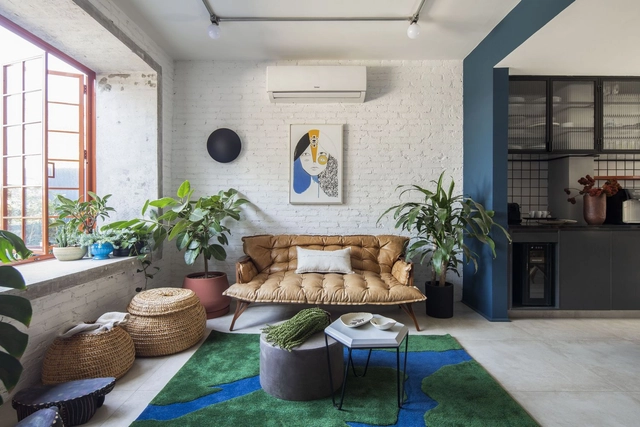
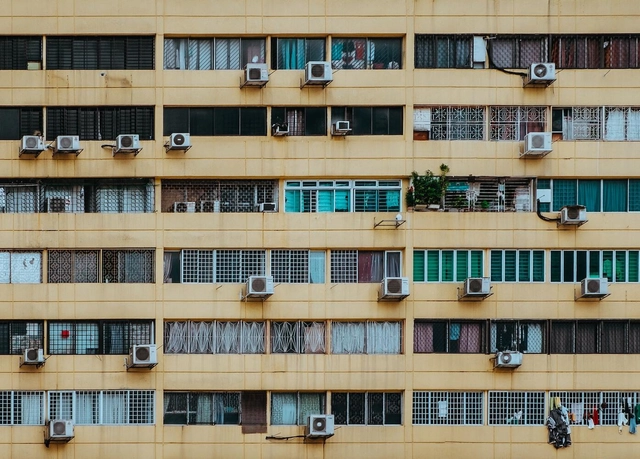
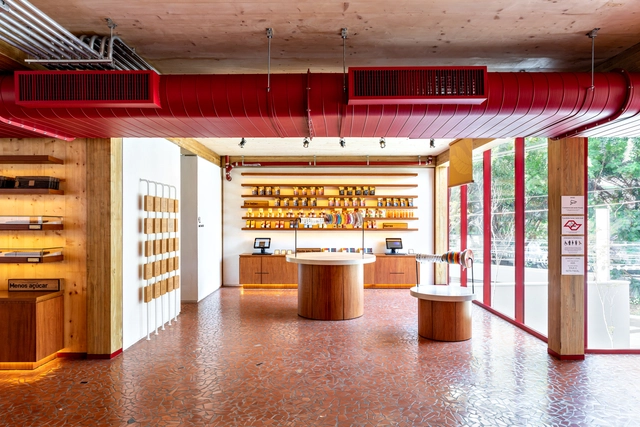
Architectural projects often strive to avoid forced cooling systems by relying on passive strategies that support cross-ventilation, solar control, and heat gain mitigation. Building orientation, the positioning of openings, louvers, and shading elements are key to reducing the reliance on air conditioning; however, in certain situations, these strategies are not enough to withstand high temperatures, making it necessary to resort to mechanical cooling technologies. Understand what it is and how to discreetly and efficiently integrate air conditioning into your home.
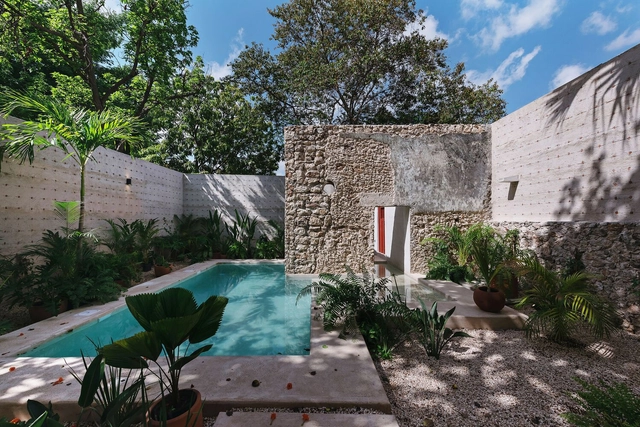
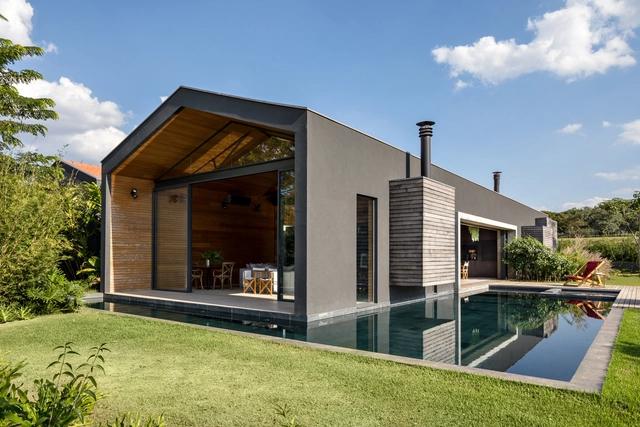
Residential swimming pools have become a staple in housing developments and private homes, particularly in regions where warm weather prevails for most of the year. Sun, shade, and cool water call for a landscape design that fosters harmony in these spaces.
We talk a lot about sound treatment for architecture but normally for new projects. In projects that are already built, either a rented apartment or small commercial space, we often have to deal with noises that we can't control, affecting our physical and mental health. In this article, we explore practical tips on how to manage and reduce these noises and improve the quality and atmosphere of these environments.
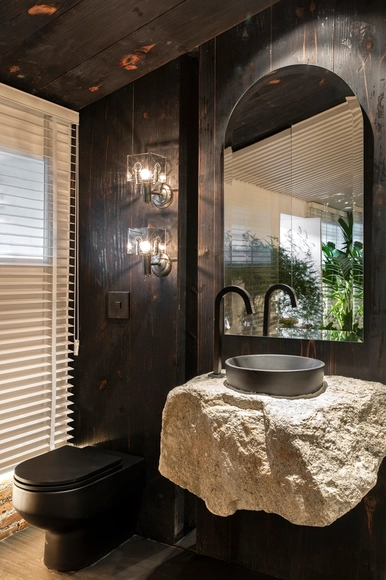
Choosing the fixtures and finishes for bathrooms, kitchens, and laundry rooms is always a design challenge. Whether dealing with wall coverings, fittings, or sanitaryware, gathering as much information as possible is crucial to designing a functional and harmonious space. Among these components, we highlight here the essential details for choosing the best type of sink and its applications.
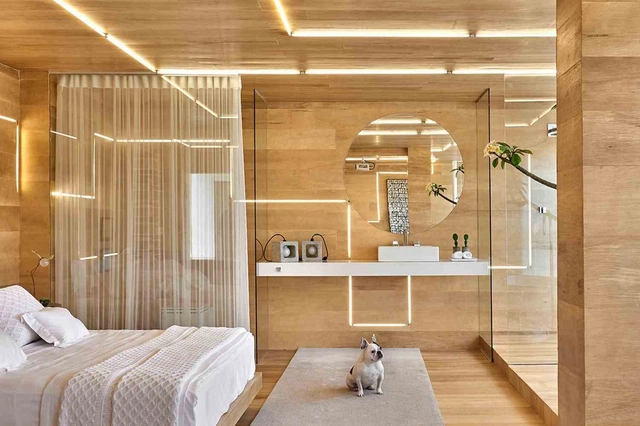
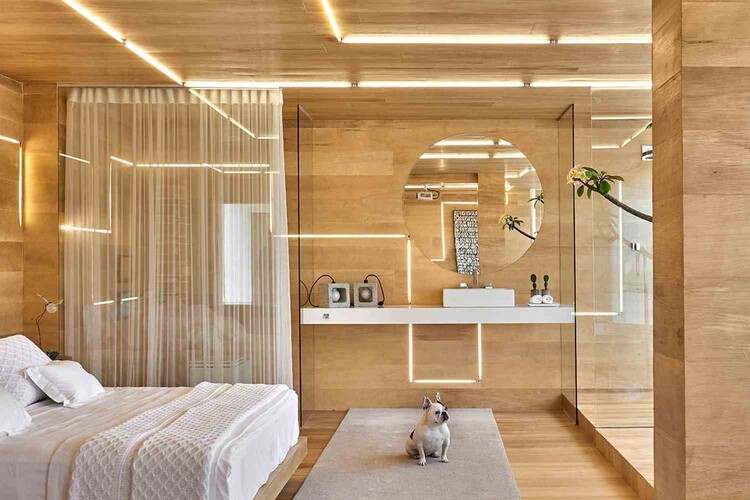
Natural or artificial, lighting is one of the most important elements in architecture, directly affecting our perception of spaces. It is capable of defining volumes, enhancing colors, textures, and therefore, contributing to the overall relationship between dimension, proportion, and contrasts. One of the many challenges of architecture is to shape spaces based on light and shade, and sometimes natural light is not enough, requiring additional light sources to be installed and controlled.




























.jpg?1593672566&format=webp&width=230&height=230&crop=true)

.jpg?1593672763&format=webp&width=230&height=230&crop=true)
.jpg?1593672714&format=webp&width=230&height=230&crop=true)
