-
Architects: Wutopia Lab
- Area: 2453 m²
- Year: 2020
-
Professionals: Alignment Studio, Z Studio
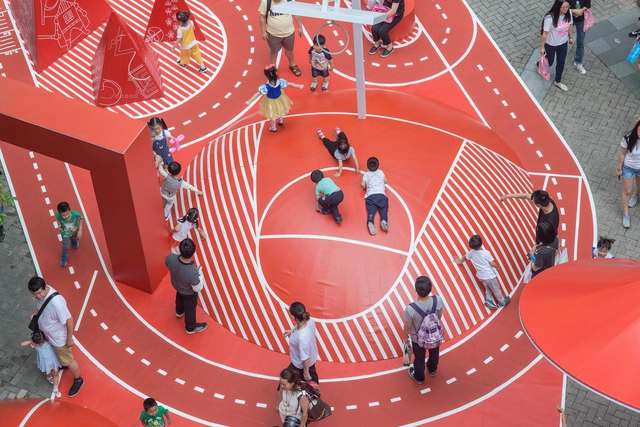
Since the 1990s, copious amounts of cities in China have been undergoing urban renewal. Prompted by this state-facilitated urban redevelopment, skyscrapers are being built rapidly in major cities to attract affluent middle-classes, resulting in countless relocation and displacement of the working-class population. Such process is known as “gentrification”.
As cities and neighborhoods are being gentrified thoroughly to meet middle-class taste and boost economic growth, urban land resources are being treated in ways to increase business potential, leaving little room for the development of urban street life. Among rows of concrete and steel constructions, nowadays, urbanites are struggling to find a place to sit, rest, and play during leisure time. Analyzing five architectural practices creating livable urban public spaces, this article discusses the challenges and opportunities of urban revitalization in China under the phenomenon of gentrification.
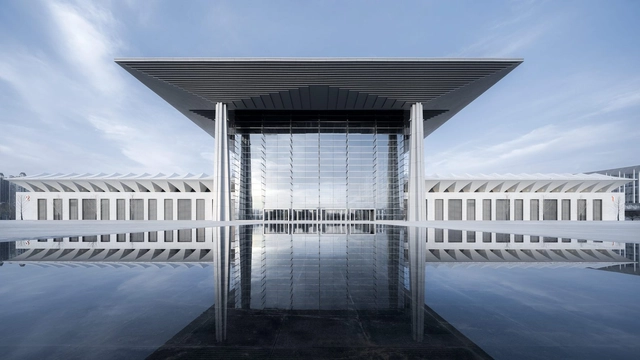
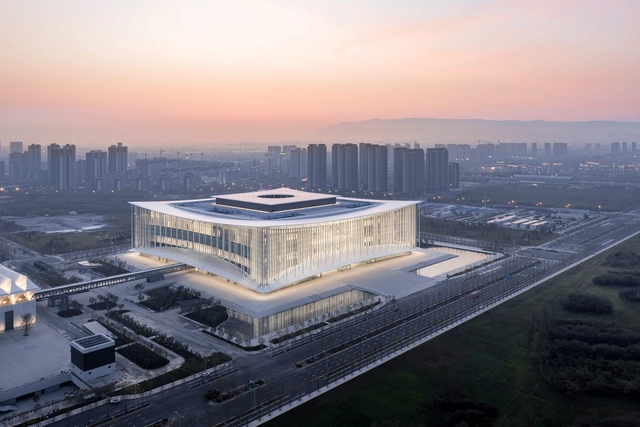
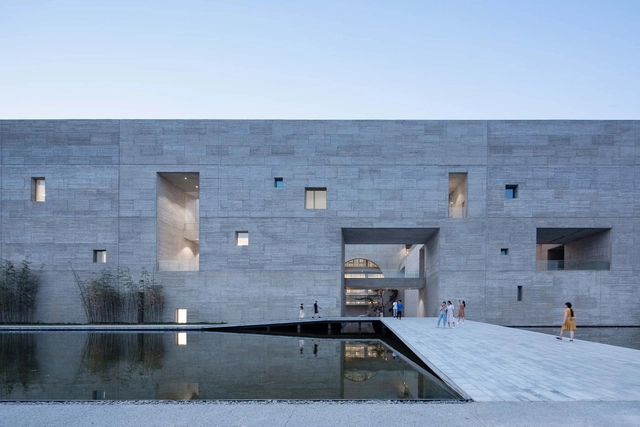
As a Chinese architectural educator and practicing architect, Zhu Pei has founded Studio Zhu-Pei in 2005. Since then, he has been focusing on cultural architecture in both theoretical and practical ways. Based on the concept of 'natural architecture’, he has designed a series of experimental and artistic buildings.

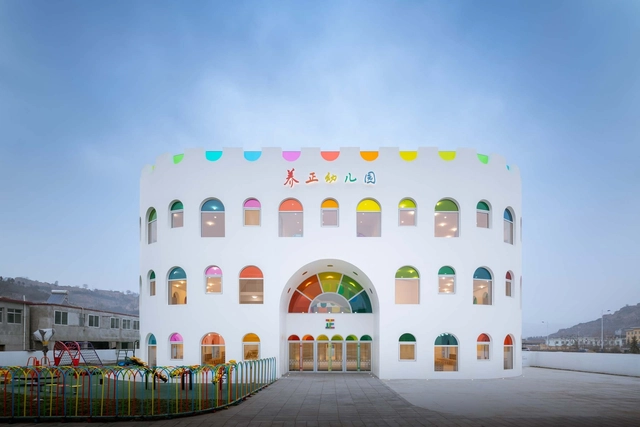


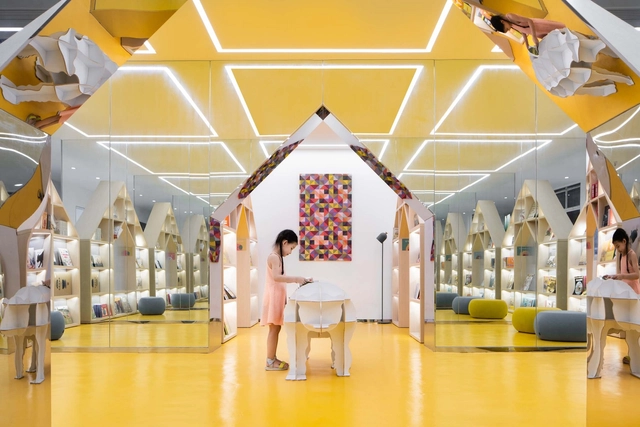
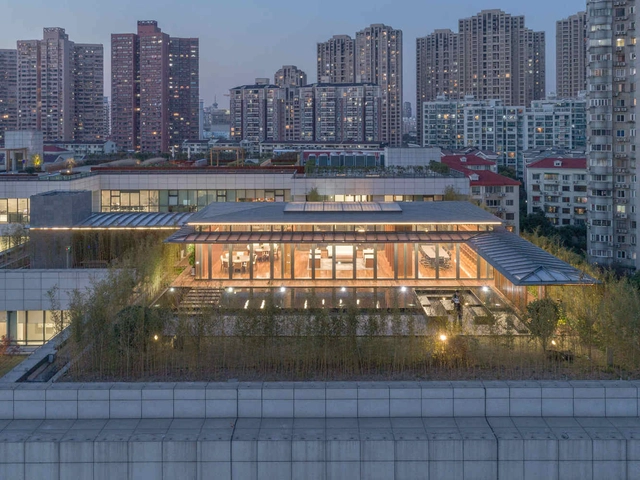

China's unique social development has provided a distinctive breeding ground for contemporary Chinese architecture. As one of the country's primary design hubs, Shanghai can be seen as an ideal entry point to understanding this landscape. Shanghai-based architect Liu Yuyang, who was born in Taiwan and raised in the United States, has forged a unique architectural trajectory shaped by his rich life experiences and multicultural background. Through an extensive portfolio of built work, he has established a distinct voice within the broader professional landscape. In the following excerpt from an interview with author Zhang Yifan (YF), Liu discusses his design approach, the origins of his philosophy, and his professional ethos.