The focus of buildings should ultimately be the well-being of the people using them. When we think of our experiences in hospitals, clinics, the dentist's office, and other medical facilities, the feeling is rarely pleasant. Perhaps it's the smells, the dull, monotone colors, or the sound of medical gadgets working away on some unlucky patient.
In a conversation for the third edition of Revista CLEA—an annual publication of the Latin American Coordinator of Architecture Students (CLEA)—Ecuadorian architect María Augusta Hermida explores the capacity to decolonize spaces and cities today.
With its wide range of applications and cosmetic properties, concrete is having a moment in the world of architecture. Today, thanks to the ever-moving stream of innovation in concrete production and application, optimal results are now the norm rather than the exception. For architects and builders alike, concrete is an opportunity to explore and experiment with tones and textures, ensuring that there is something for every design and project.
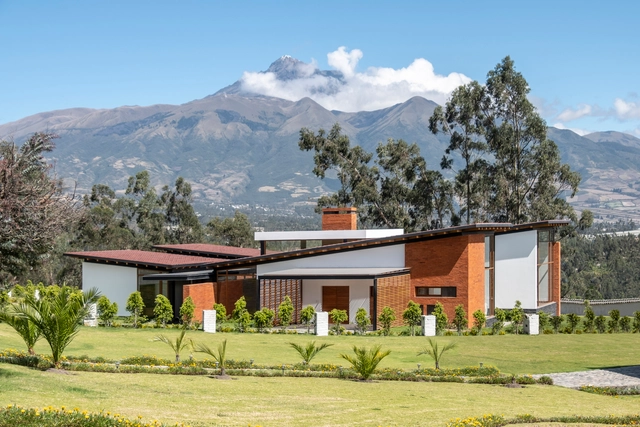
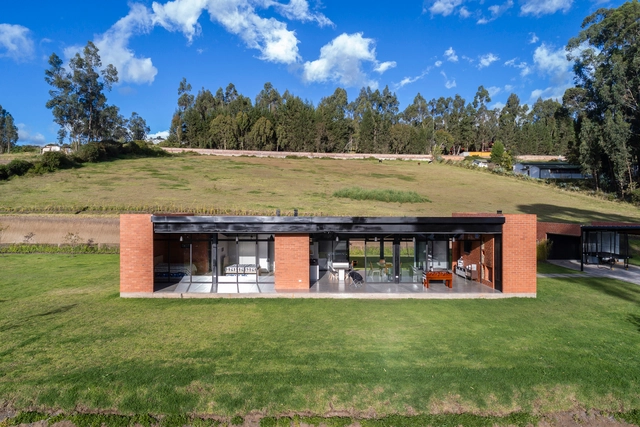
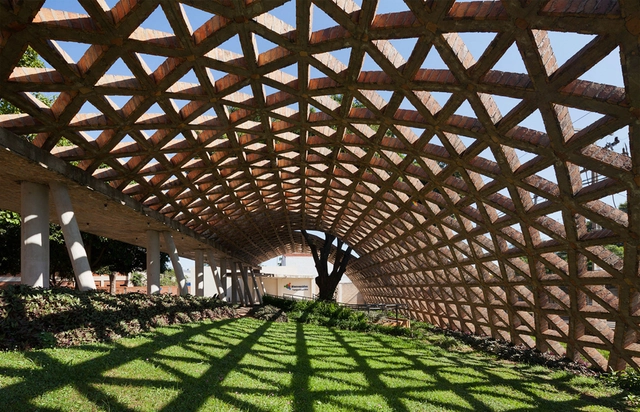
Brick stands as one of the defining materials of Latin American architectural culture. The diversity and versatility of this masonry unit have led to a wide array of uses and applications. Whether chosen for economic or aesthetic reasons, exposed brick—left unfinished and without exterior cladding—is widely used across the region's designs, showcasing the rich textures and tones inherent to the material.
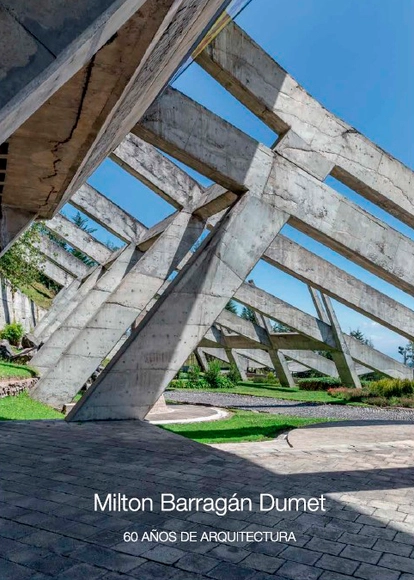
This book serves as the most comprehensive testament to the world of Milton Barragán Dumet as an architect. His architecture, which addresses timeless human themes, is considered among the most significant in Ecuador and Latin America. It acts as a visible and tangible link to the identity, symbolic creation, and unique aesthetic of its architect, as well as his vision of the city.
.jpg?1591226080&format=webp&width=640&height=580)