November 28 | Sponsored Content
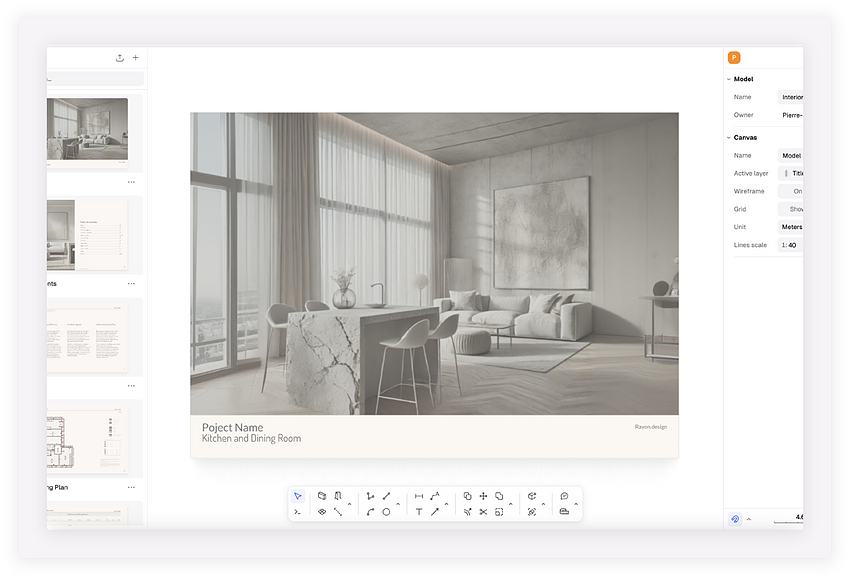
Design professional presentations Organize drawings, prepare presentation pages, incorporate schedules, and share the finished set.
https://www.archdaily.comhttps://www.archdaily.com/catalog/us/products/39860/how-to-create-a-client-ready-drawing-set-rayon-design
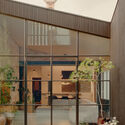
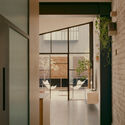
https://www.archdaily.com/1024358/house-b-kart-projects-architecture Miwa Negoro
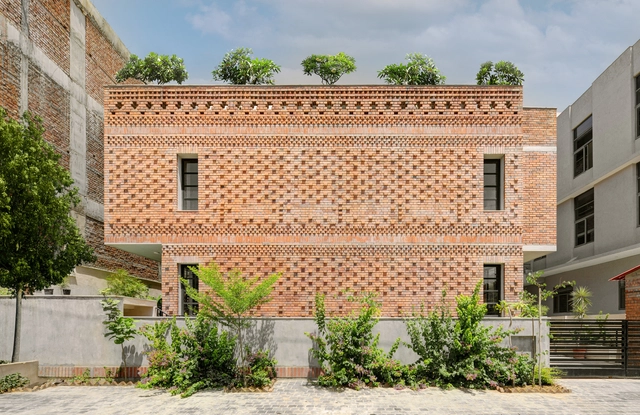
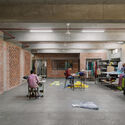
https://www.archdaily.com/1024368/studio-chinar-textile-studio-juhi-mehta-architects Hana Abdel
https://www.archdaily.com/1024311/node-of-life-office-and-residence-nomados Miwa Negoro
https://www.archdaily.com/1024010/lantana-house-dinamita Andreas Luco
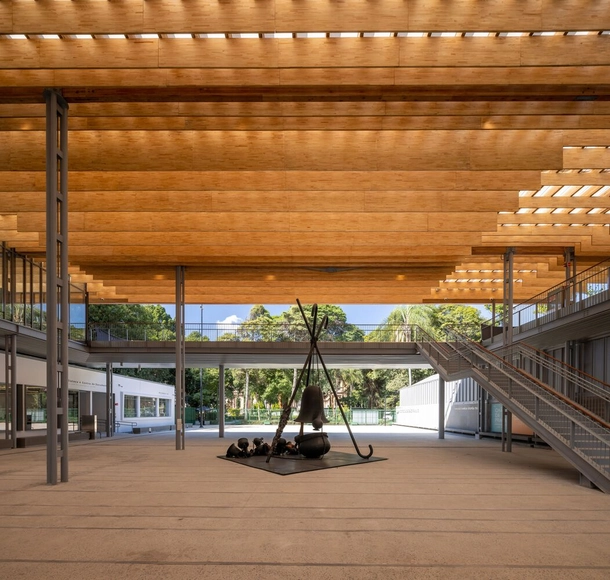
https://www.archdaily.com/1014137/pina-contemporanea-museum-arquitetos-associados Susanna Moreira
https://www.archdaily.com/1023777/milla-nova-boutique-store-balbek-bureau Andreas Luco
https://www.archdaily.com/1024274/ping-pang-sports-space-aida Hadir Al Koshta
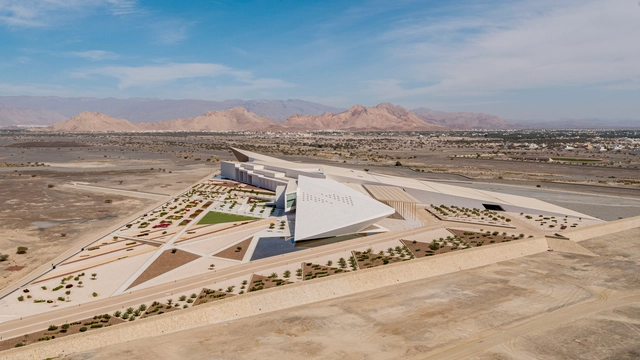
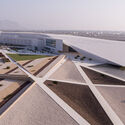
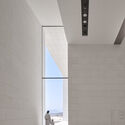
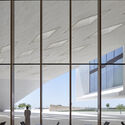
https://www.archdaily.com/1024366/oman-across-ages-museum-cox-architecture Miwa Negoro
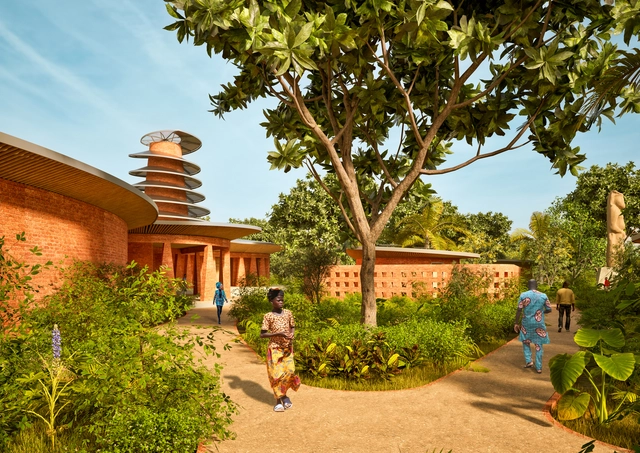
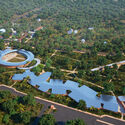
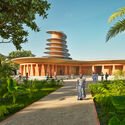
Big Temple rendering. Image © Kéré Architecture
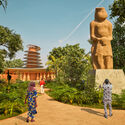
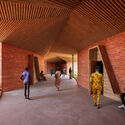
Kéré Architecture has revealed the design of a masterplan and series of buildings dedicated to the cultural and spiritual heritage of the Ewé people in the town of Notsé, in Togo. Commissioned by the Kothor Foundation, the center incorporates a sanctuary, several temples, a large-scale open-air amphitheater, as well as cultural functions such as exhibition halls, an auditorium, restaurants, and a reconstruction of the ancient royal palace of the Ewé Kingdom. The project, Francis Kéré's first in Togo, started construction in October 2024 and is scheduled for completion in February 2026.
+ 11
https://www.archdaily.com/1024399/kere-architecture-unveils-design-for-a-spiritual-and-community-center-in-notse-togo Maria-Cristina Florian
https://www.archdaily.com/1024356/proclamation-house-state-of-kin Hana Abdel
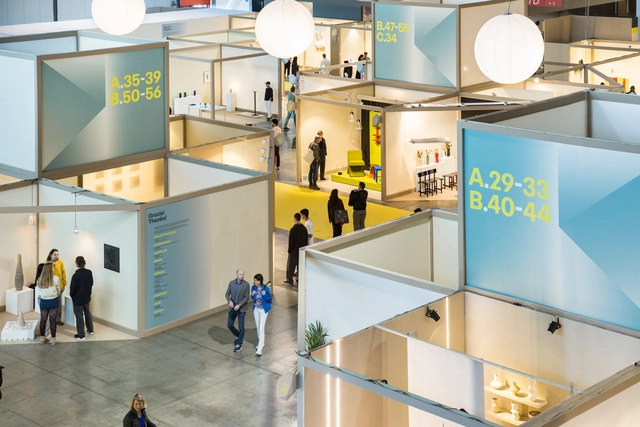
Lombardini22 and Salone del Mobile's People-Centric Approach to Fair Design. Image © Ludovica Mangini Salone del Mobile.Milano
In recent years, the integration of neuroscience and architecture has revolutionized our understanding of how built environments influence human well-being, behavior, and cognition. This interdisciplinary field, known as neuroarchitecture , explores the connections between spatial design, brain function, and psychology , offering insights into creating environments that promote health, creativity, and emotional resilience .
+ 9
https://www.archdaily.com/1024242/the-science-of-design-how-neuroscience-can-help-architects-shape-the-built-environment Moises Carrasco
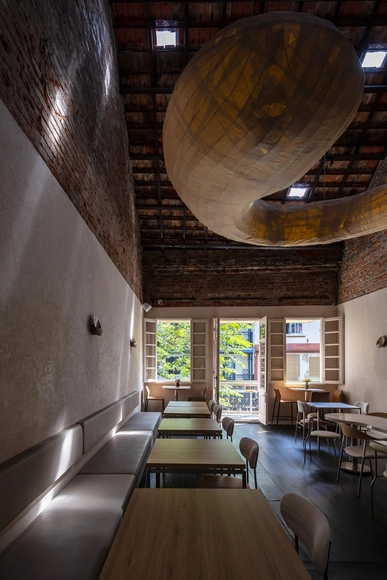
https://www.archdaily.com/1024322/cultra-taproom-cafe-bar-idee-architects Miwa Negoro
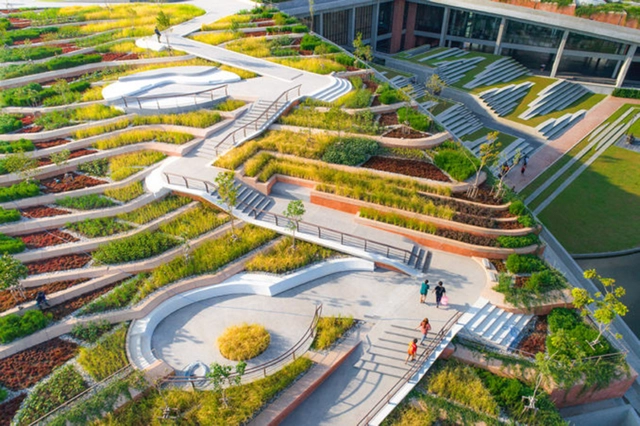
https://www.archdaily.com/1005449/puey-ungpahakorn-centenary-hall-arsomslip-community-and-environmental-architect Hana Abdel
https://www.archdaily.com/1024337/casa-churri-zooco-estudio Andreas Luco
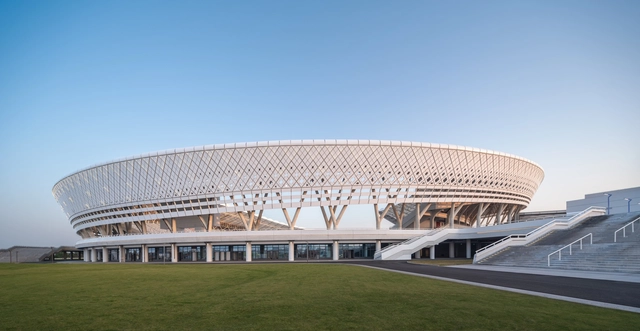
https://www.archdaily.com/1024198/xiangyang-national-sports-center-csadi Pilar Caballero
https://www.archdaily.com/1024305/345-house-tium-architects Miwa Negoro
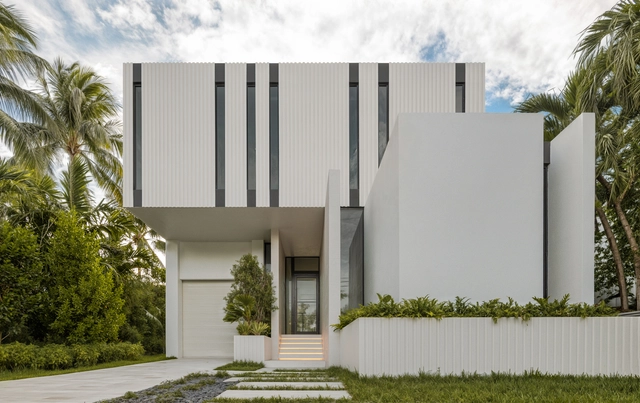
https://www.archdaily.com/1024272/veil-house-if-studio Hadir Al Koshta
https://www.archdaily.com/1063430/magic-cube-apartment-chalabi-architects Valeria Silva
Discover more
Did you know? You'll now receive updates based on what you follow! Personalize your stream and start following your favorite authors, offices and users.