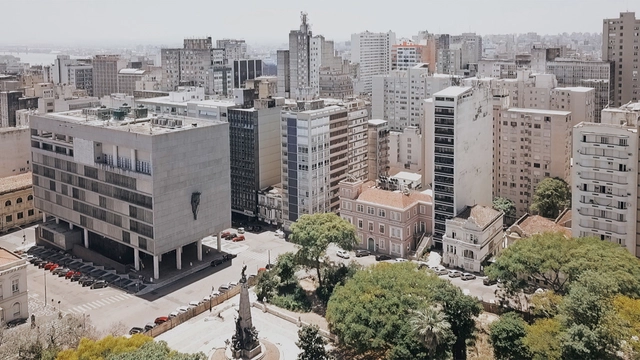
Gaúcho modernist icons are featured in a new documentary series on YouTube

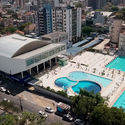
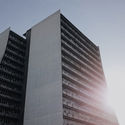
Honoring and reaffirming the importance of Porto Alegre's modernist icons, a new series launched by AsBEA-RS on its YouTube channel invites the public to visit, alongside architects, market experts, and users, six of the most important buildings constructed between the 1950s and 1960s in the state capital.

Faial, Santa Tecla, Santa Cruz, Palácio da Justiça, Centro Administrativo Fernando Ferrari, and Grêmio Náutico União: six projects that shape the skyline and reaffirm the construction quality of fifty-year-old structures, revisiting the legacy and lessons of prominent architects from Rio Grande do Sul for contemporary urban development. 

Gaúcho modernist icons are featured in a new documentary series on YouTube - Imagem 1 de 4Gaúcho modernist icons are featured in a new documentary series on YouTube - Imagem 2 de 4Gaúcho modernist icons are featured in a new documentary series on YouTube - Imagem 3 de 4Gaúcho modernist icons are featured in a new documentary series on YouTube - Imagem 4 de 4Gaúcho modernist icons are featured in a new documentary series on YouTube - More Images+ 7

Designer captures daily life in isolation in an illustrated book

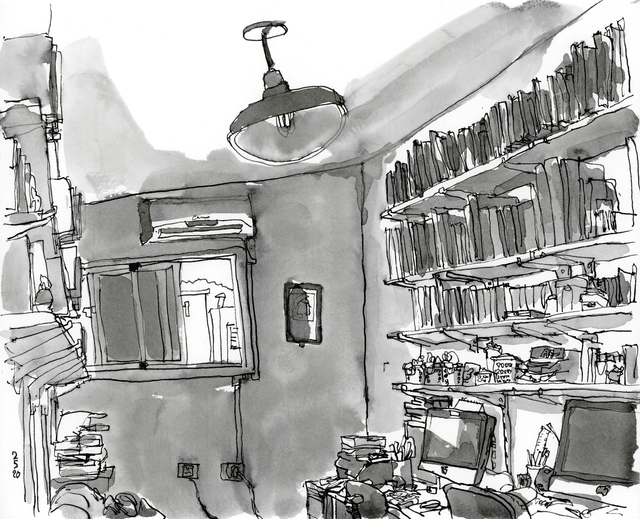
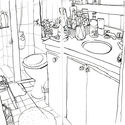
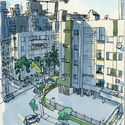
During the first two months of isolation due to Covid-19, designer Ivan Jerônimo accumulated more than forty drawings depicting objects and rooms in his apartment. These are ordinary scenes that were suddenly brought to the forefront during the pandemic.

Designer captures daily life in isolation in an illustrated book - Imagen 1 de 4Designer captures daily life in isolation in an illustrated book - Imagen 2 de 4Designer captures daily life in isolation in an illustrated book - Imagen 3 de 4Designer captures daily life in isolation in an illustrated book - Imagen 4 de 4Designer captures daily life in isolation in an illustrated book - More Images+ 2

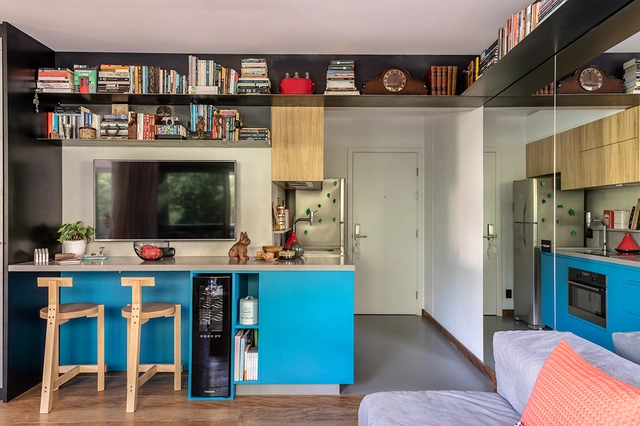
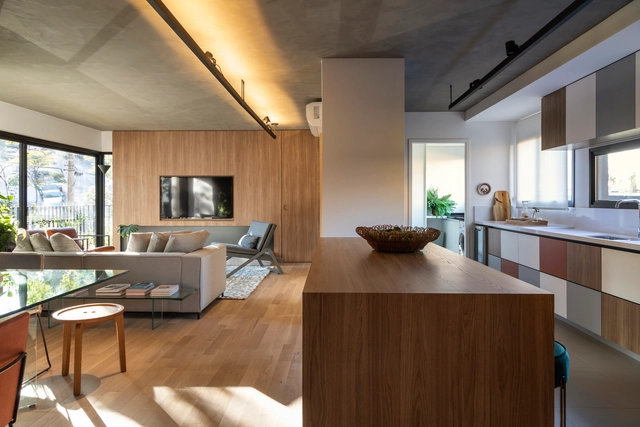
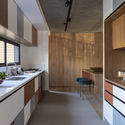
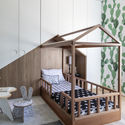
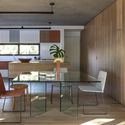
Apto República PP / DT Estúdio

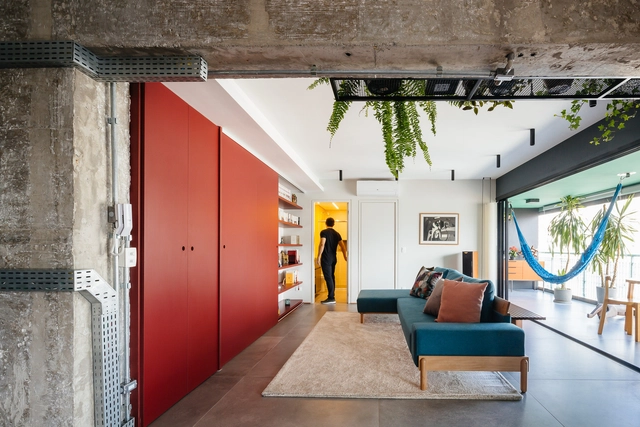
Apto República PP / DT Estúdio - Interior Photography, Apartment InteriorsApto República PP / DT Estúdio - Interior Photography, Apartment InteriorsApto República PP / DT Estúdio - Interior Photography, Apartment Interiors, Kitchen, CountertopApto República PP / DT Estúdio - Interior Photography, Apartment InteriorsApto República PP / DT Estúdio - More Images+ 19

  • Architects: DT Estúdio
  • Area Area of this architecture project Area:  44
  • Year Completion year of this architecture project Year:  2019
  • Manufacturers Brands with products used in this architecture project
    Manufacturers:  AutoDesk, Terracor, Portobello, REKA

City of São Paulo Launches New Urban Design and Road Works Manual

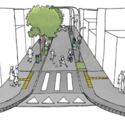
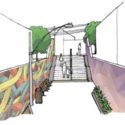
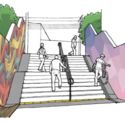
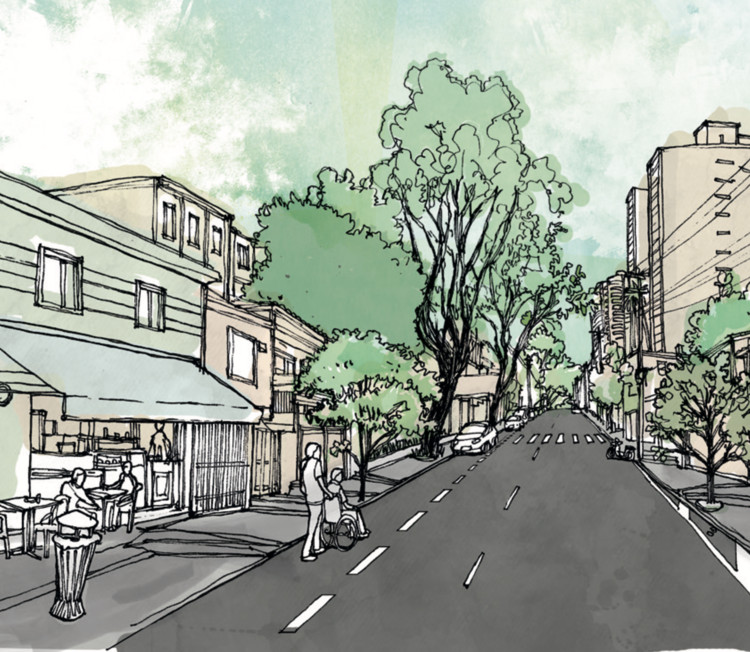
The City of São Paulo launched the digital platform for the Urban Design and Road Works Manual in December last year. This document compiles guidelines for urban projects aligned with the principles of accessibility, social equity, road safety, and environmental sustainability. Coordinated by Elisabete França, José Renato S. Malhem, and Maria Teresa Diniz, the manual aims to guide the design of projects in the road space to meet citizens' well-being needs.

City of São Paulo Launches New Urban Design and Road Works Manual - Imagen 1 de 4City of São Paulo Launches New Urban Design and Road Works Manual - Imagen 2 de 4City of São Paulo Launches New Urban Design and Road Works Manual - Imagen 3 de 4City of São Paulo Launches New Urban Design and Road Works Manual - Imagen 4 de 4City of São Paulo Launches New Urban Design and Road Works Manual - More Images+ 2

IABsp announces the jury for the co-curatorship competition of the 13th International Architecture Biennale of São Paulo

In November 2020, IABsp, the organizer of the International Architecture Biennale of São Paulo, launched a Co-Curatorship Competition for the Biennale's 13th edition, scheduled for 2022. Proposals, which can be submitted through the website until January 24, 2021, will be evaluated by a jury representing diverse fields of knowledge, composed mostly of women and Brazilians.

The 13th Biennale presents RECONSTRUCTION as its initial central provocation, starting from the idea of rebuilding, reshaping, and renewing the relationships of social groups with their domestic spaces, citizens with public spaces, and the personal and professional dynamics unfolding in spaces of confinement and collective use, during and after the pandemic. The Competition also proposes that this reflection involve one or more guiding themes: democracy, bodies, memory, information, and technology.

Eyes on 2021: Climate, Cities, and Forests to Watch in Brazil

Subscriber Access | 

Who could have predicted 2020? Even at the beginning of the year, when the existence of a new coronavirus was already known, it was hard to imagine that the world would undergo so many changes. The impacts were not limited to health; they spread to behavior, the economy, and many other aspects of life on the planet, including the environment.

At this point, it is impossible to predict how vaccines against the virus might change humanity's destiny over the coming year, or what Brazil's trajectory will be in recovering from the crisis caused by Covid-19. The year 2021 begins with this mix of uncertainty and expectation—and a strong sense of urgency. January also marks the start of a new decade fraught with major challenges such as the climate emergency, the need to transition to cleaner economies, the imperative to transform our relationship with forests and land use, reimagining urban spaces, and the struggle to reduce inequality and systemic racism, among many others.

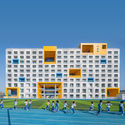
Yellow, Blue, and Red: The Use of Primary Colors in Architectural Projects

Subscriber Access | 

Naturally associated with characteristics such as simplicity and clarity, but also expressiveness, vibrancy, and energy, the three primary colors—which give rise to other colors—offer a wide range of application possibilities in architecture. As crucial elements in the compositions of the leading exponents of the De Stijl movement, such as Piet Mondrian, Theo van Doesburg, and Gerrit Rietveld, yellow, blue, and red, when used together, became icons in design and architecture, and for many professionals in the field, an obsession.

Yellow, Blue, and Red: The Use of Primary Colors in Architectural Projects - Imagen 3 de 4Yellow, Blue, and Red: The Use of Primary Colors in Architectural Projects - Imagen 7 de 4Yellow, Blue, and Red: The Use of Primary Colors in Architectural Projects - Imagen 10 de 4Yellow, Blue, and Red: The Use of Primary Colors in Architectural Projects - Imagen 11 de 4Yellow, Blue, and Red: The Use of Primary Colors in Architectural Projects - More Images+ 9

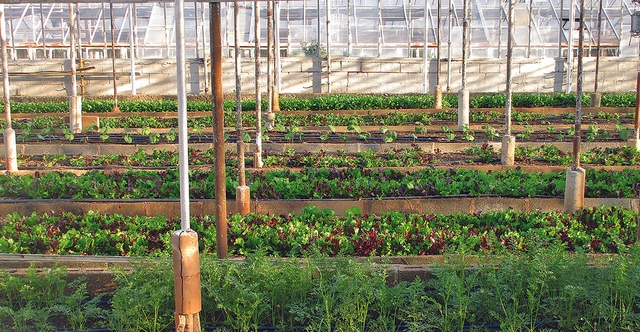
Project transforms vacant spaces into urban gardens in Roraima

Having a backyard and the willingness to learn how to grow their own food are what unite low-income families participating in an innovative project in Roraima. This is "Sustainable Backyards" (Quintais Sustentáveis), an initiative by Embrapa in partnership with Lar Fabiano de Cristo (Casa de Timóteo unit) and funded by CNPq, which seeks to stimulate the production and consumption of vegetables, fruits, and medicinal plants in backyards across Boa Vista.

Launched in 2018, the project's pillars include sustainable agroecological production, food and nutritional security, income generation, and the social and productive inclusion of vulnerable populations.

Project transforms vacant spaces into urban gardens in Roraima - Image 1 of 4Project transforms vacant spaces into urban gardens in Roraima - Image 2 of 4Project transforms vacant spaces into urban gardens in Roraima - Image 3 of 4Project transforms vacant spaces into urban gardens in Roraima - Image 4 of 4Project transforms vacant spaces into urban gardens in Roraima - More Images

Buraco do Lume in Rio de Janeiro: Between Rescues, Erasures, and Threats

Subscriber Access | 

The approval of the controversial draft legislation dubbed the “Lei do Puxadinho” in mid-2020, which relaxed zoning parameters in the city of Rio de Janeiro, sparked widespread debate across various sectors of society—particularly among architects and urban planners, many of whom have strongly criticized the proposal. The debate, however, intensified even further when, under the auspices of this law, a surprise amendment was published in the Official Gazette. This amendment temporarily lifted several restrictions on the Buraco do Lume site, which is adjacent to the square officially named Praça Mário Lago—an important venue for political demonstrations in the city, landmarked by the municipality in 1989 and by the state government in 2019.

What is the role of markets in urban policy?

Subscriber Access | 

The relationship between the market and the state has traditionally been understood as a three-tiered framework. The state guarantees property rights and other preconditions for markets. Markets operate within this structure and deliver efficient outcomes. The state corrects market failures through complementary institutions, such as, in some cases, social welfare policies. Managing cities is no different, and issues such as economic development, accessibility to goods and services, mobility, sustainability, freedom, and well-being depend on the relationship between markets and the state.

Design Competition: "Women's House in Africa"

The competition aims to design a "Women's House" through symbolic, ecological architecture inspired by local traditions. It is envisioned as a space where associations and various elements of society can meet and discuss issues on equal terms and human rights, thereby fostering the involvement and emancipation of the women's community in support of the territory's social, economic, and political development. Gender equality is not merely a fundamental human right; it is a necessary condition for a prosperous world.
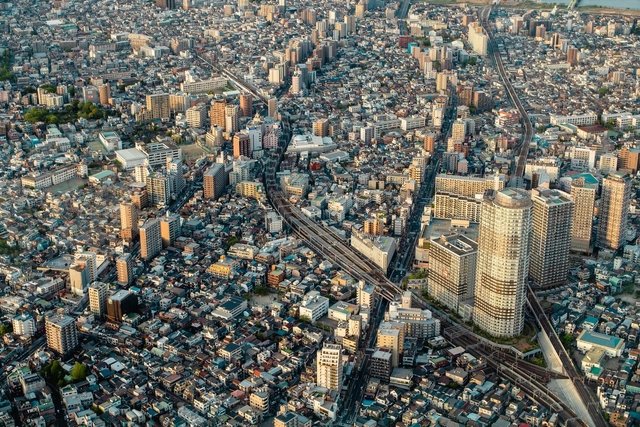
Are we moving toward the generic city?

Subscriber Access | 

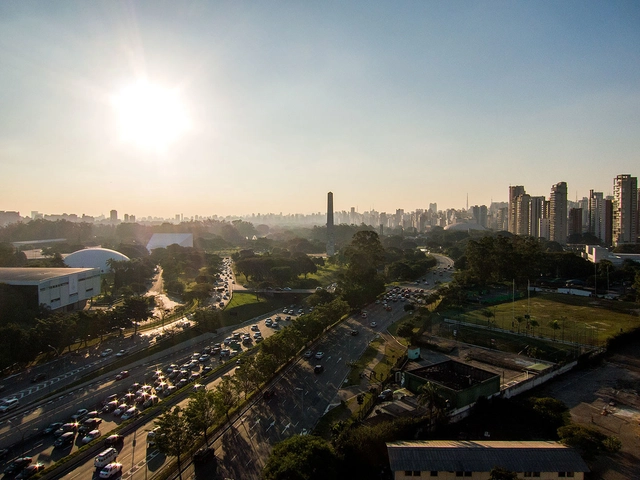
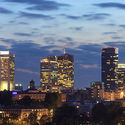
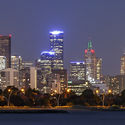
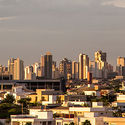
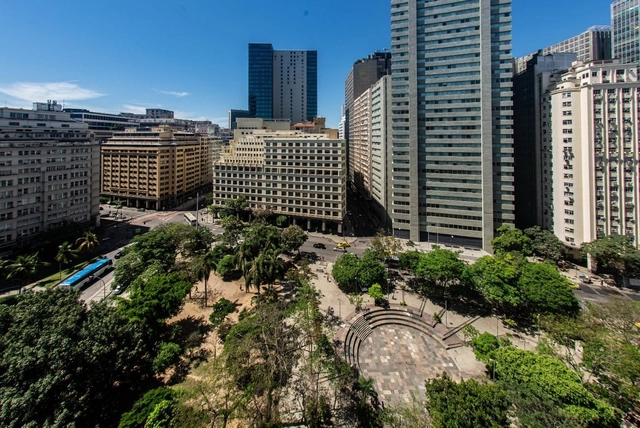
Skylines are icons that intrigue people through their urban complexity, shaping character and defining a sense of place. As Kevin Lynch noted in his classic “The Image of the City,” the visual landscape of a city can be treated as an object of varied, unpredictable meanings. While we can envision a clear image when building a city, its true definitions emerge indirectly over the course of its development. In other words, as cities evolve, their skylines evolve alongside them in unpredictable ways.
Are we moving toward the generic city? - 1 的图像 4Are we moving toward the generic city? - 2 的图像 4Are we moving toward the generic city? - 3 的图像 4Are we moving toward the generic city? - 4 的图像 4Are we moving toward the generic city? - More Images+ 6

Buenos Aires expands its bike lane network to major avenues in response to COVID-19

Subscriber Access | 

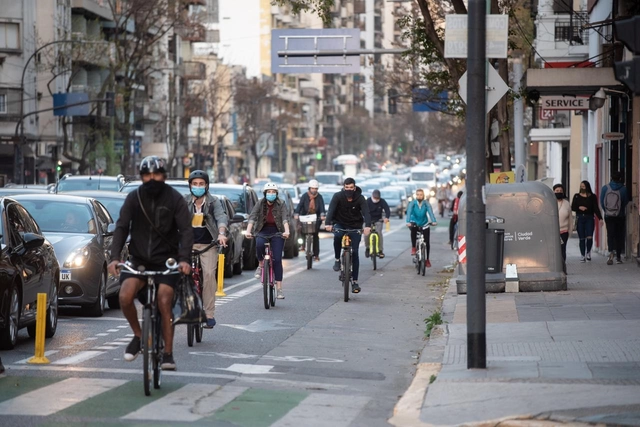
Bicycle infrastructure has grown rapidly in Latin American cities over the last decade. Cities like Bogotá and Santiago have more than doubled the extent of their bike networks. This is promising news, as studies show that cities prioritizing safe infrastructure record significant reductions in cyclist deaths and injuries and gain considerable economic benefits from reduced traffic congestion and fewer sick leave requests.

Nevertheless, much of the existing bicycle infrastructure in Latin American cities was built on local and secondary roads. While implementation may be easier on less busy streets, this approach also reduces the efficiency and overall impact of cycling, in addition to creating safety issues. Cyclists tend to seek shortcuts and the most direct routes, potentially leading to dangerous interactions with cars when they enter arterial roads not designed for non-motorized transport.
Nido Apartment / Sala2 Arquitetura

Nido Apartment / Sala2 Arquitetura - Interior Photography, Apartment Interiors, Kitchen, CountertopNido Apartment / Sala2 Arquitetura - Interior Photography, Apartment InteriorsNido Apartment / Sala2 Arquitetura - Interior Photography, Apartment Interiors, BedNido Apartment / Sala2 Arquitetura - Interior Photography, Apartment Interiors, KitchenNido Apartment / Sala2 Arquitetura - More Images+ 11

  • Architects: Sala2 Arquitetura
  • Area Area of this architecture project Area:  143
  • Year Completion year of this architecture project Year:  2018
  • Manufacturers Brands with products used in this architecture project
    Manufacturers:  REKA

Ipiranga Museum celebrates São Paulo's anniversary with a series of online events

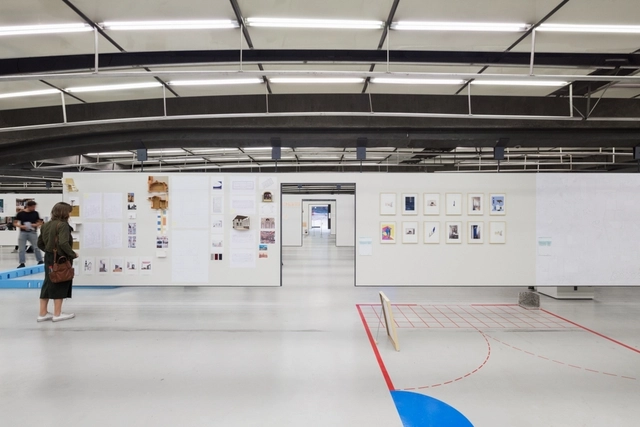
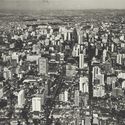
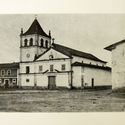
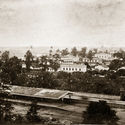
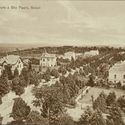
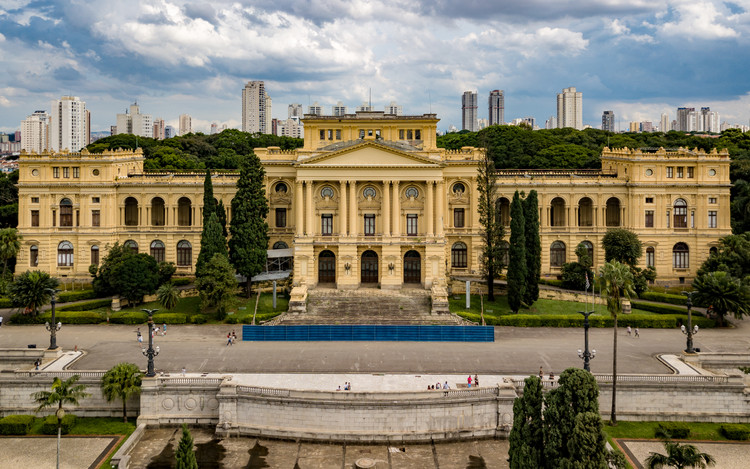
To celebrate the 467th anniversary of the city of São Paulo, the Museu do Ipiranga is launching the digital campaign São Paulo – Território em Construção on January 25. Through the collection's rich iconography, along with testimonies from historians, architects, and urban planners, the public is invited to reflect on the city's transformations, from its founding in the colonial period to the grand metropolis we know today. The content, formatted as web stories, will be available on a website featuring a timeline, photos, paintings, and maps from the collection, as well as explanatory audio and videos about the evolution of São Paulo's urban space. Visitors can also learn more about the city's main landmarks, such as Pátio do Colégio, Paulista Avenue, and Nove de Julho Avenue.
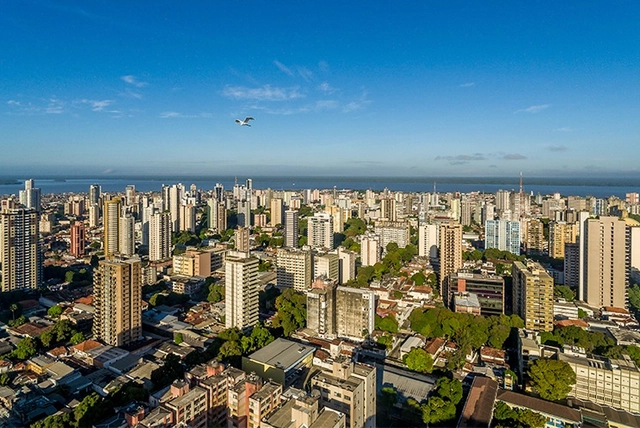
Ipiranga Museum celebrates São Paulo's anniversary with a series of online events - 1 的图像 4Ipiranga Museum celebrates São Paulo's anniversary with a series of online events - 2 的图像 4Ipiranga Museum celebrates São Paulo's anniversary with a series of online events - 3 的图像 4Ipiranga Museum celebrates São Paulo's anniversary with a series of online events - 4 的图像 4Ipiranga Museum celebrates São Paulo's anniversary with a series of online events - More Images+ 1

Urban space and the daily lives of Indigenous peoples in Brazil

Subscriber Access | 

In 2017, Escola da Cidade—through its Seminar on Culture and Contemporary Reality course, then coordinated by Professor José Guilherme Pereira—welcomed anthropologist and PhD in Social Sciences Manuela Carneiro da Cunha to discuss the history, spatialization, and daily life of Indigenous peoples in Brazil, highlighting issues from not only a cultural standpoint, but also a legal and environmental one.

Apartamento Harmonia / Ateliê GR

Apartamento Harmonia / Ateliê GR - Interior Photography, Apartment InteriorsApartamento Harmonia / Ateliê GR - Interior Photography, Apartment InteriorsApartamento Harmonia / Ateliê GR - Interior Photography, Apartment Interiors, DoorApartamento Harmonia / Ateliê GR - Interior Photography, Apartment Interiors, BathroomApartamento Harmonia / Ateliê GR - More Images+ 13

  • Architects: Ateliê GR
  • Area Area of this architecture project Area:  100
  • Year Completion year of this architecture project Year:  2018
  • Manufacturers Brands with products used in this architecture project
    Manufacturers:  Tramontina, REKA

Blue Apartment / ENTRE Arquitetos

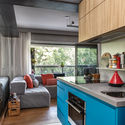
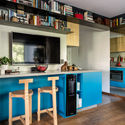
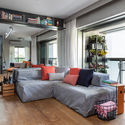
Blue Apartment / ENTRE Arquitetos  - Interior Photography, Apartment Interiors, KitchenBlue Apartment / ENTRE Arquitetos  - Interior Photography, Apartment InteriorsBlue Apartment / ENTRE Arquitetos  - Interior Photography, Apartment InteriorsBlue Apartment / ENTRE Arquitetos  - Interior Photography, Apartment InteriorsBlue Apartment / ENTRE Arquitetos  - More Images+ 14

  • Architects: ENTRE Arquitetos
  • Area Area of this architecture project Area:  50
  • Year Completion year of this architecture project Year:  2019
  • Manufacturers Brands with products used in this architecture project
    Manufacturers:  Docol, Portobello, Trimble

You've started following your first account!

Did you know?

You'll now receive updates based on what you follow! Personalize your stream and start following your favorite authors, offices and users.