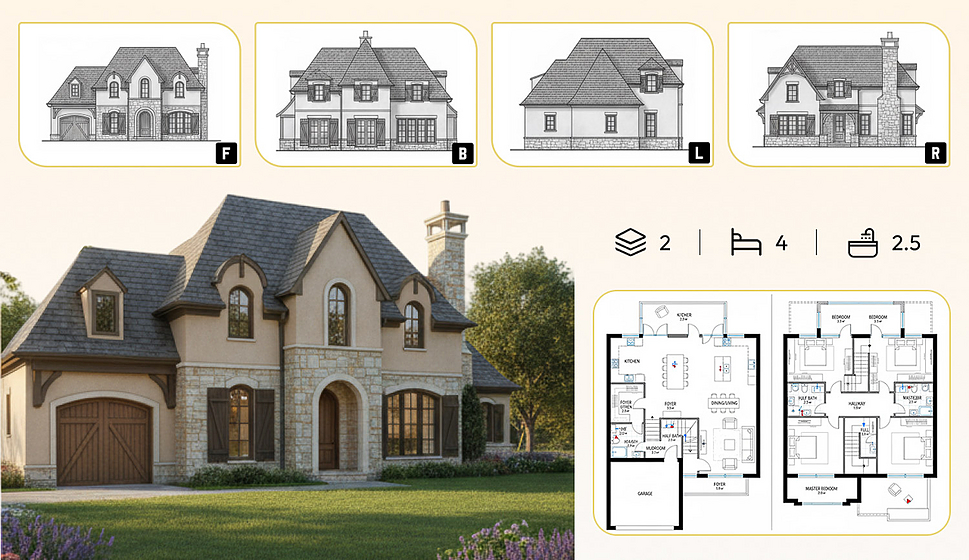
This guide covers a workflow that moves from project parameters to generated floor plans, 3D perspective views, exterior design exploration, and site context visualization, using AI tools in place of preliminary CAD and rendering work.
This guide covers a workflow that moves from project parameters to generated floor plans, 3D perspective views, exterior design exploration, and site context visualization, using AI tools in place of preliminary CAD and rendering work.

This online event brings together experts from various fields to demonstrate how companies are adapting to the current landscape and what to expect from upcoming changes.

The way you experience the city, the urban infrastructure provided in the areas you frequent, and even the job opportunities that come your way are all, to some extent, shaped by the color of your skin. These themes unfold across multiple layers to discuss racial segregation in the urban environment in the seminar "The City and Racial Subjection," organized in 2018 by the Laboratory of Race and Urban Space Studies (Labraça) at FAUUSP.
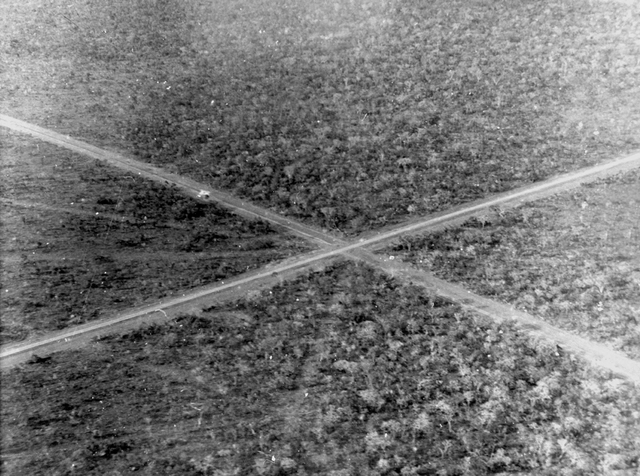
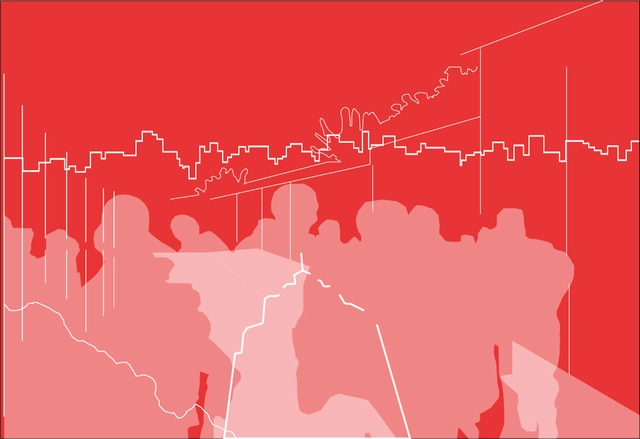
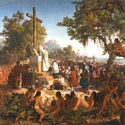
As it celebrates its 60th anniversary, Brasília has an opportunity to draw inspiration from the anti-racist and anti-colonial movements worldwide that have challenged the monumentality of official history, confronting the memorialization of colonialism within its own urban landscape. Rather than celebratory events that reiterate official narratives, marking the city as a *bandeirante* milestone of national modernity, we should pause—a pause moreover imposed by the pandemic—to reflect on how certain memories are eternalized while others are erased, and thus trace new memorial cartographies onto the urban fabric of the capital.
.jpg?1596827058&format=webp&width=640&height=580)

Twenty-first-century urbanism will be marked by an increase in both the number and scale of global megacities—urban agglomerations with over 10 million inhabitants, according to the UN—alongside a geographical shift. By 2100, African metropolises such as Lagos (Nigeria) and Kinshasa (Democratic Republic of the Congo) are projected to exceed 80 million residents. The rise of these new, larger metropolises, especially in Africa and Asia, compounded by the urgent need to address the ongoing climate crisis, demands immediate changes in the discourse surrounding urban mobility.

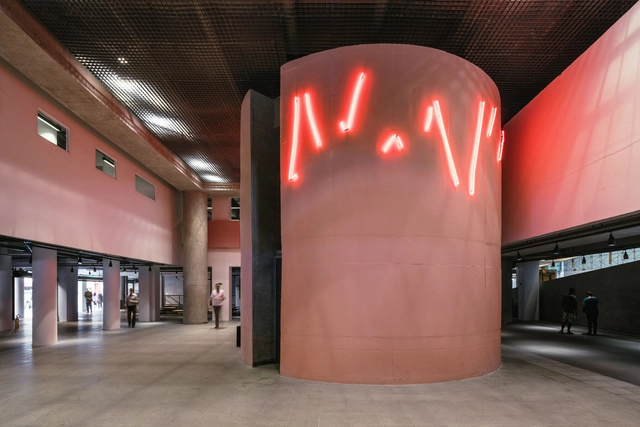
Sesc São Paulo has made a series of catalogs, educational materials, and booklets produced for the institution's exhibitions available for free on its website. Fittingly, several of these themes intersect with thinking on architecture and the city.

The Municipal Secretariat of Culture, through the Department of Historical Heritage (DPH), is hosting the 15th Heritage Appreciation Week. On August 12, 13, and 14, three online sessions will explore the theme "Our City, Our Memories." The free broadcast will be available on the DPH YouTube and Facebook channels.
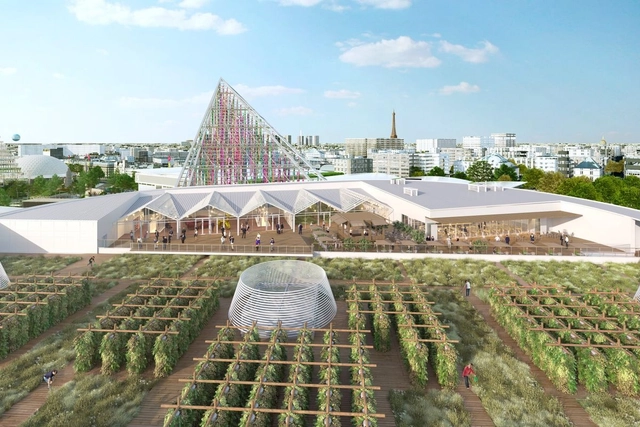
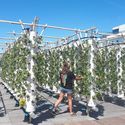
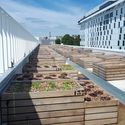
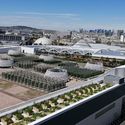
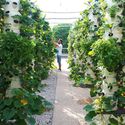
While modern metropolises have verticalized our way of life, creative solutions are continually emerging to reclaim and redefine urban space. Rooftops are already widely used for events and leisure, and now, growing plants and crops on them is becoming increasingly common. In Paris, a massive 14,000 m² urban farm has just opened on a building's rooftop. Although cultivation does not yet cover the entire area, once fully completed, it will be considered the largest in Europe and, perhaps, the world.
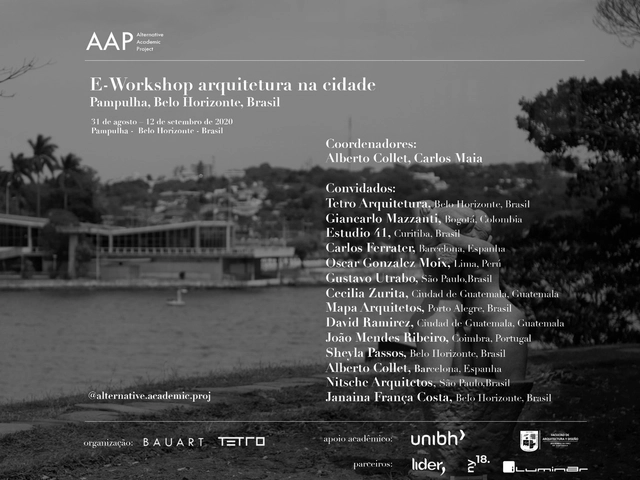
The workshop will be held online from August 31 to September 12, 2020. Its primary objective is to examine the challenges surrounding the Pampulha Lagoon, a UNESCO World Heritage site defined by the works of Oscar Niemeyer.
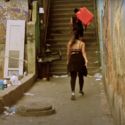
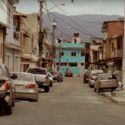
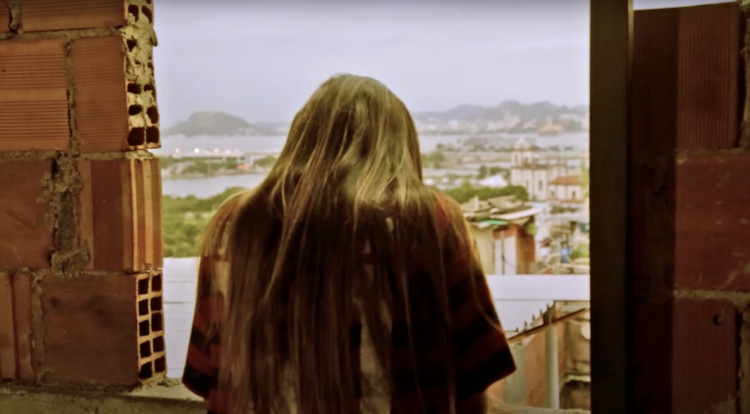
Dia a dia is a three-part mid-length film miniseries developed by the Urban Policy Commission (CPU) of CAU/RJ. Each episode is dedicated to one of the three pillars proposed within the theme of the right to the city—sanitation, mobility, and housing—through the perspectives and daily lives of three women living in completely different areas of Rio de Janeiro: Realengo, Barra da Tijuca, and the Santo Amaro community (Catete). The first episode, which premiered on August 21 and addresses housing, is available online.
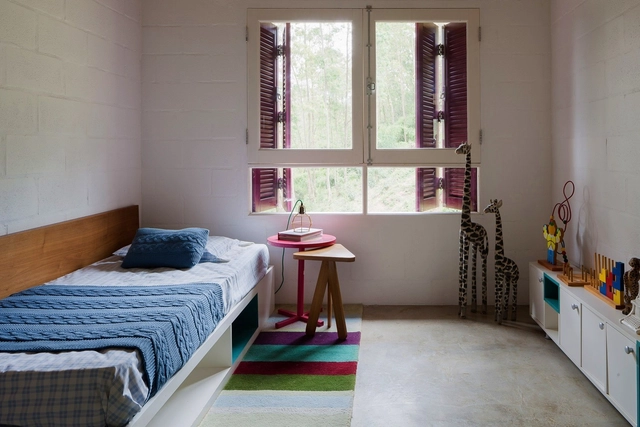
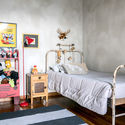
Many factors influence people's well-being, but few have power as great as the quality of sleep. Adults spend, on average, a third of their day (and their life) sleeping. In the case of young children, this proportion is even higher. According to a study published by the WHO in 2019, babies (4 to 11 months) should sleep between 12 and 16 hours/day; and children up to 4 years old should sleep between 10 and 13 hours/day.
Quality sleep acts directly on the child's brain development, especially during his first and second childhood (from birth to 12 years old). During the rest period, the body releases the hormones necessary for growth and learning, and this is directly related to physical, motor, emotional, and cognitive development. It is also known that the environment where one sleeps interferes with the quality of that sleep, and some important aspects must be considered when designing sleeping spaces for children and babies.
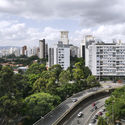
São Paulo, Sociedade Anônima is a film with a complex and profound approach to São Paulo, crafted with a sensitive and distinct 1960s perspective by those who lived through a moment of urban and socioeconomic renewal in the metropolis. Capturing this unique social transformation, the film became a cinematic landmark of the era, tracing an intense relationship between character and urban space. It contains multiple layers of interpretation that dissect the meaning of the modern, the urban, the scenographic, and the architectural, using these concepts as tools to express a historical period lived and experienced by its population, capturing the transformations of both the city and its society.





.jpg?1596827331 "© Ivan Araújo")
.jpg?1596827150 "© Ivan Araújo")
.jpg?1596827362 "© Ivan Araújo")
.jpg?1596827181 "© Ivan Araújo")
.jpg?1596827058)






.jpg?1608754075)
.jpg?1608754026)
.jpg?1608753953)