As it celebrates its 60th anniversary, Brasília has an opportunity to draw inspiration from the anti-racist and anti-colonial movements worldwide that have challenged the monumentality of official history, confronting the memorialization of colonialism within its own urban landscape. Rather than celebratory events that reiterate official narratives, marking the city as a *bandeirante* milestone of national modernity, we should pause—a pause moreover imposed by the pandemic—to reflect on how certain memories are eternalized while others are erased, and thus trace new memorial cartographies onto the urban fabric of the capital.
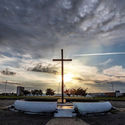
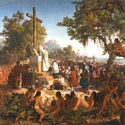
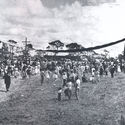


Visual narratives communicated through archives, art, and architecture must be deconstructed and redefined through broad debate with diverse segments of society, especially those whose memories have been neglected (rather than monumentalized). In this regard, simply promoting “plural narratives” around monuments is insufficient; it is not a matter of different perspectives on history, but rather of historical reparation.