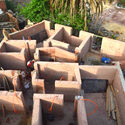
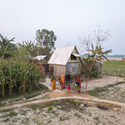
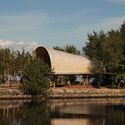
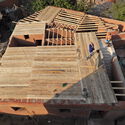
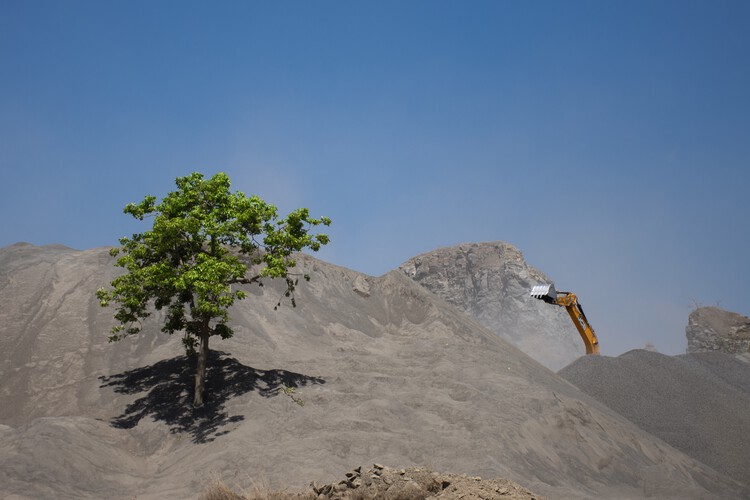
ArqFilmFest and the Colegio de Arquitectos de Chile hosted the preview of the first episode of the documentary series Chiloé yesterday. The series, which premieres this coming Sunday, May 6, at 7:00 PM on La Red TV, consists of five episodes that present stories from the island featuring architects, carpenters, and local inhabitants alike, highlighting the diversity of the local reality and architecture as its form of expression.
Chiloé, a production by Glaciar Films directed by Diego Breit and David Guzmán, is a project that, as the creators note, began by focusing on heritage and ultimately came to represent something greater: a reflection on the island's current identity.
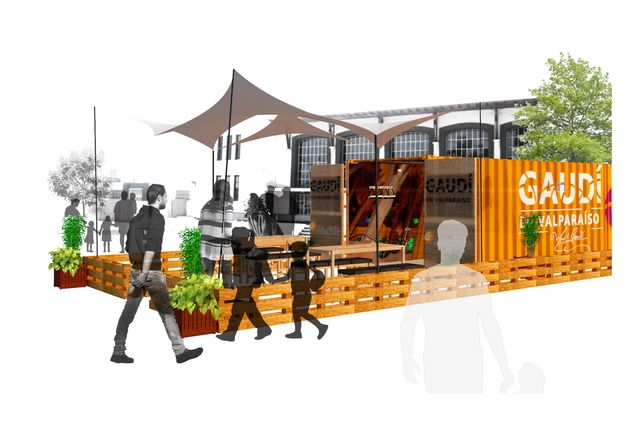
Antoni Gaudí will be present in the Valparaíso Region from October 2018 to May 2019, thanks to a traveling exhibition that will visit 12 communes throughout the region.
Today, the project 'A Virtual World: Gaudí Tours the Region' was launched with an inaugural event at the former Los Andes train station. The project begins with traveling presentations in a container equipped with virtual reality headsets in communes such as Viña del Mar, San Antonio, Quilpué, Rancagua, Quillota, and San Felipe, running until February 2019. Subsequently, from March 9 to May 10, 2019, the 'Gaudí in Valparaíso' exhibition will be installed at the Valparaíso Cultural Park.
Estereo(auto)scopio is an ephemeral public art piece co-created by Esteban Pastorino and Nicolás Sáez, funded by the "Chile-Argentina Residencies of the Performing and Visual Arts Exchange Program" grant from the Ministry of Cultures, Arts, and Heritage of the Government of Chile. On this occasion, the creative residency took place at "Residencia Corazón" in the city of La Plata, Argentina.
The project was first installed in the center of Plaza Moreno, then moved to the Pasaje Dardo Rocha Cultural Center, and finally exhibited at Residencia Corazón, accompanied by a discussion with the authors. The project, with the collaboration of Diego del Pozo, Nahuel Bralo, Ismael Maldonado, Juan Pablo Ferrer, and Rodrigo Mirto, offers visitors an immersive experience through a device that allows them to view aerial perspectives of the city. Using stereoscopic photographs taken by a drone, it provides observers the opportunity to view their current location from above and gain awareness of the urban characteristics.
Learn more about the project in detail through the words of its authors below.
As part of Casa Portal 2018—an Argentine architecture and interior design exhibition dedicated to intertwining art and solidarity—the Emergen Project by visual artist Rocío Moreno and architect Gonzalo Viramonte is presented as a quest to reflect on the state of emergency at the Children's Hospital.
The visual proposal continues the production line associated with light-based work, this time using neon to illuminate children's drawings, thereby incorporating them into the conversation.
This festival, which invites the public to view, experience, and contemplate cities in a new light through film and other activities, will screen over forty films. These include seven titles selected by the festival team for the "showcase," several of which will be Chilean or Latin American premieres.
Whether you are an architecture student or already practicing in the field, you are likely aware of the growing importance of BIM methodology in the design and construction sector over the last few years. In countries like Spain, efforts are already underway to make its implementation as "natural" as possible, making it essential to provide educational resources so that both public administrations and private firms can make the "leap to BIM" and begin to reap the benefits that these new technologies offer the architectural sector.
In this regard, many experts in the field are doing important outreach work through their YouTube channels, creating and sharing high-quality content. This content is easily accessible and—in most cases—free, allowing both students and professionals to stay constantly up to date.
To continue learning about BIM, we have compiled some of the best YouTube channels to help you either take your first steps or stay current with the latest developments in this new methodology, which is already changing and revolutionizing the way we work and collaborate.
https://www.archdaily.com/1053363/5-spanish-language-youtube-channels-to-learn-about-bimJavier García Librero
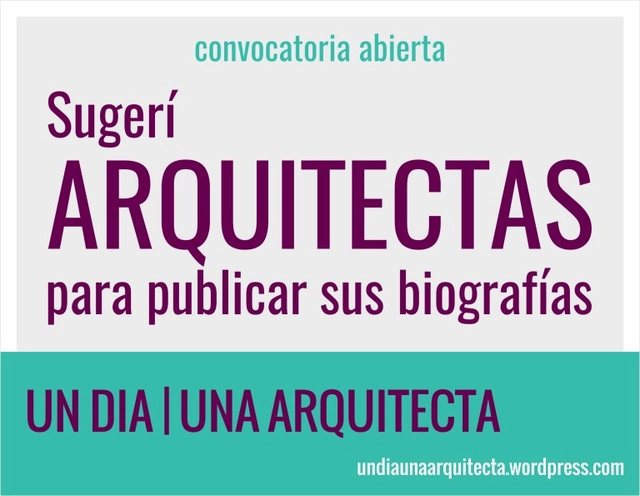
Would you like to help highlight the work of women in architecture? Un día | Una arquitecta invites readers to suggest architects to be featured in the 2018-2019 cycle.
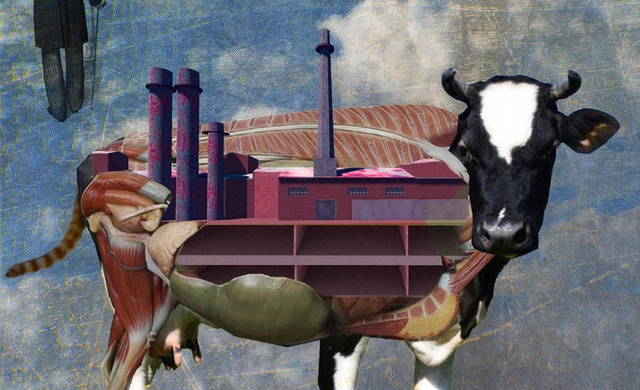
In response to the historical threat posed by urban transformations, applying "collage thinking" to heritage could prove to be a compelling tool, capable of easily identifying values and roles, and suggesting narratives between disparate historical elements.
Camila Mancilla Vera highlights and explores this in the series Brotes de la industria (Industrial Sprouts). By combining 3D representation techniques, photographs, newspaper archives, and publications, the series aims to visualize and foster debate regarding elements worthy of protection.
Below, the author presents a series of considerations.
Do you have questions about how to properly finish gypsum board? Or how to prepare surfaces for painting or wallpapering?
Canal Encuentro offers a series of eleven Spanish-language videos to help you learn the basics of finishing and answer your questions in the most instructional way possible.
Glaciar Films has made three video clips featuring interviews with key figures in Chiloé architecture available to our readers. In the first installment, we featured Jonás Retamal and local modes of production on the island. In this second installment, Edward Rojas highlights the importance of architecture that is relevant to its place.
These video clips are part of the Chiloé series, a production by Glaciar Films directed by Diego Breit and David Guzmán, which presents five episodes exploring the island's architectural identity and its key figures. Architects, carpenters, craftspeople, and residents weave together a narrative that addresses the history of construction and how it faces imminent change and the adoption of modern patterns.
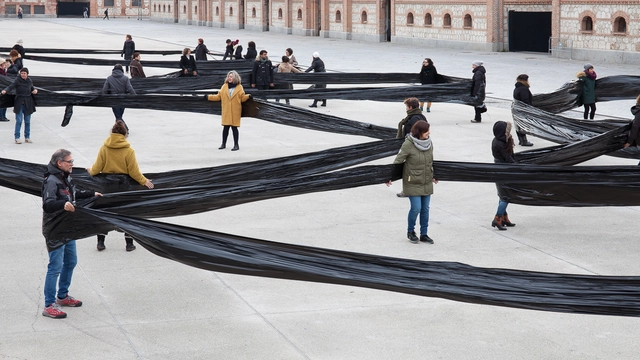
Miguel Braceli presents a project developed for the Escuela de Art Thinking, an initiative that invites reflection on the possibilities that arise when moving educational spaces and their teaching models into the public realm, integrating the social, political, and cultural content that defines them.
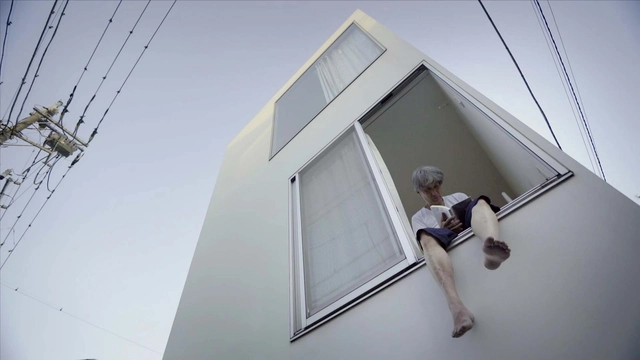
"Moriyama-san" de los directores Ila Bêka -Louise Lemoine, Francia, 2017.. Image Cortesía de ArqFilmFest
After receiving more than 1,500 films for the fourth edition of the "The City is..." competition at the Architecture Film Festival Santiago (Arqfilmfest), taking place from October 25 to 28, the event's organizing team has selected 34 audiovisual productions to compete in various categories: documentary, fiction, experimental, and architectural documentation.
See the feature films and short films participating in the final stage below.
Arquitectos: Maestros del espacio is an engaging audiovisual catalog provided by Encuentro, showcasing the work of renowned Argentine architects: Alejandro Bustillo, Alejandro Virasoro, Alberto Prebisch, Francisco Salamone, Mario Roberto Álvarez, Amancio Williams, Clorindo Testa, and Claudio Caveri.
Presented by actor Rafael Spregelburd, the series explores architectural projects that are part of Argentina's collective memory, reminding us of the importance of acknowledging the material history that defines a country.
This time, we are presenting a new series of 8 videos from the same channel focused on plumbing—an interesting resource for brushing up on your knowledge of pipe installation and maintenance.
Arquitectas. Maestras del espacio [Architects. Masters of Space] is a recent series from Encuentro. Over the course of two months, the weekly episodes built an engaging audiovisual catalog of the historical work of eight Argentine architects.
The second installment of this architecture series is once again presented by actor Rafael Spregelburd, who reminds us of the importance of highlighting the lesser-known creators behind the country's celebrated architectural projects.
Recently released, 'La obra secreta' (The Secret Work) is an Argentine feature film directed by artist Graciela Taquini that—recalling 'El Hombre de al Lado' (The Man Next Door)—once again addresses one of the country's most renowned architectural projects: the Casa Curutchet, a work in the city of La Plata resulting from the meeting of Pedro Curutchet, Amancio Williams, and Le Corbusier.
The footage is part of Chiloé, a series by Glaciar Films directed by Diego Breit and David Guzmán. The five-episode series documents the island's architectural identity and its key figures: architects, carpenters, artisans, and inhabitants.
Chiloé is a production by Glaciar Films which, directed by Diego Breit and David Guzmán, offers five episodes presenting the island's architectural identity and its key figures. Architects, carpenters, craftspeople, and residents weave together a narrative that explores the island's construction history and how it faces imminent change and the adoption of modern patterns.
In this instance, Glaciar Films has made three video clips featuring interviews with key figures in Chiloé architecture available to ArchDaily readers. In the first chapter, Jonás Retamal—an architect from the University of Chile who has lived on the island for 15 years—discusses traditional materiality and the adoption of modern patterns in local production methods.
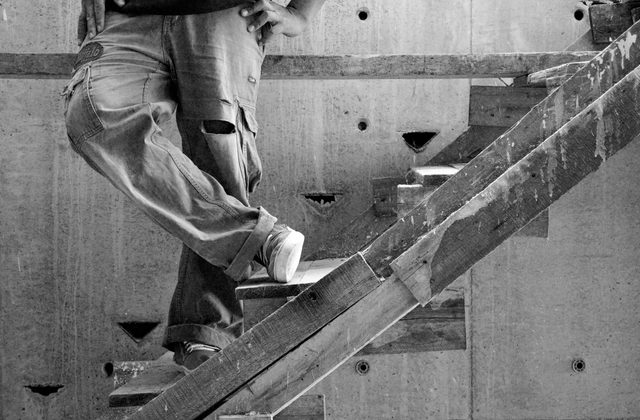
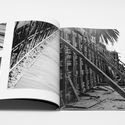
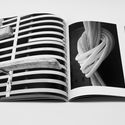
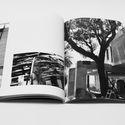
In FOMM, architect Manuel Mosquera captures the construction phase of a residence in Argentina designed by architects Mathias Klotz and Edgardo Minond.
This black-and-white photography book offers a new perspective, rescuing the small stories and practices inherent in the process while capturing its unique atmosphere and details. Simultaneously, it highlights a range of records and observations that invite us to reflect on the procedures, timelines, and considerations of construction.
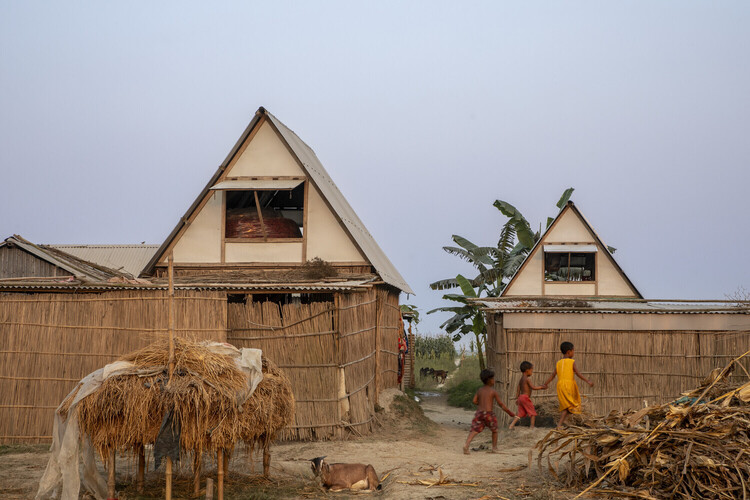
Across different climates and building cultures, many contemporary projects are working with local ways of building in new ways. Earth walls, bamboo structures, shaded thresholds, and collective construction processes are being reconsidered not as references, but as tools for the conditions architecture is facing now and will continue to face.
In these projects, vernacular knowledge appears through practical decisions: how to cool a building without machines, how to build with what is nearby, how to make a structure easier to repair, and how to keep construction knowledge within the community that will use it. The conditions making this knowledge necessary are not coming. They are already here.
An informal vendor selling balloons along La Séptima in the Plaza de Bolívar. "Bogota, Colombia" by szeke is licensed under CC BY-SA 2.0
This article is the winning entry of the Epistle Writing Prize 2025, an annual competition dedicated to recognizing outstanding writing on design, architecture, and the environment.
It's wet season, but this morning's downpour does little to deter the rhythm along La Carrera Séptima. Cyclists and pedestrians weave past ambulatory vendors with carts of avocados, ginger sweets, and phone cases. Toy cars, lightbulbs, and hand-beaded jewelry glisten with raindrops, arranged neatly on tarps that demarcate vendors' territories. Police officers approach a recycler gathering bottles; a tourist bargains for a jacket; two women find each other in the middle of the road, embracing as their coats grow heavy with rain.
La Séptima, or Bogotá's Seventh Avenue, is the most emblematic road in Bogotá, traversed by more than two million people every day. Along this single road — part marketplace, part protest route, part transportation hub — Bogotá's history unfolds. For nearly a year, I traced its rhythms as a pedestrian, commuter, inhabitant, and researcher. In all these moments and their historical incarnations, one image endured: the road is a living body. It is imagined as Bogotá's backbone, its vital artery, its heart. It bleeds, bears scars, and demands care.
Most of Europe's future housing already exists, yet renovation continues to happen too slowly to address climate, housing, health and resource challenges at the scale required. Re:Living explores how renovation can move from isolated projects to a scalable approach for transforming existing buildings. At the heart of the initiative is a new research project, The Housing We Need for the Future We Want, which examines how better use of the existing building stock can unlock new opportunities for architects, cities and communities.