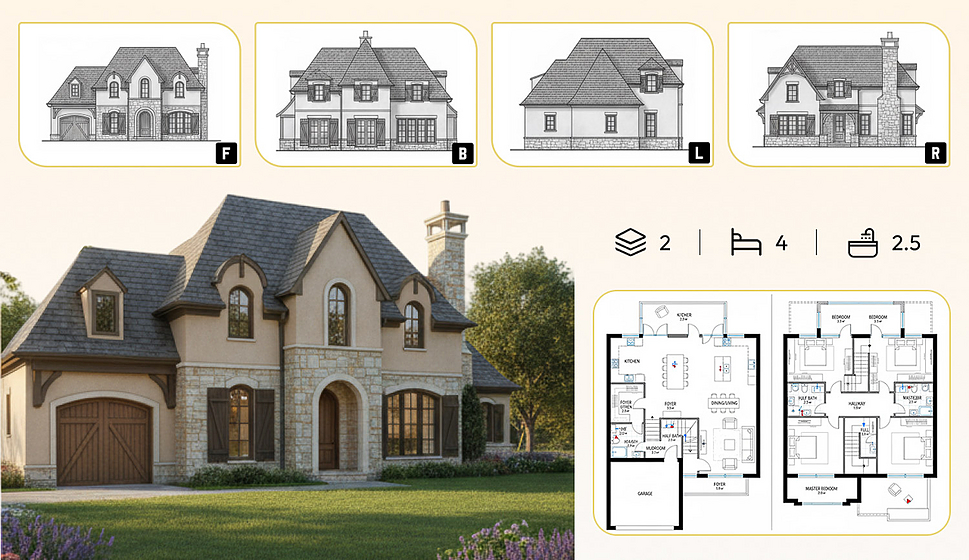
This guide covers a workflow that moves from project parameters to generated floor plans, 3D perspective views, exterior design exploration, and site context visualization, using AI tools in place of preliminary CAD and rendering work.
This guide covers a workflow that moves from project parameters to generated floor plans, 3D perspective views, exterior design exploration, and site context visualization, using AI tools in place of preliminary CAD and rendering work.
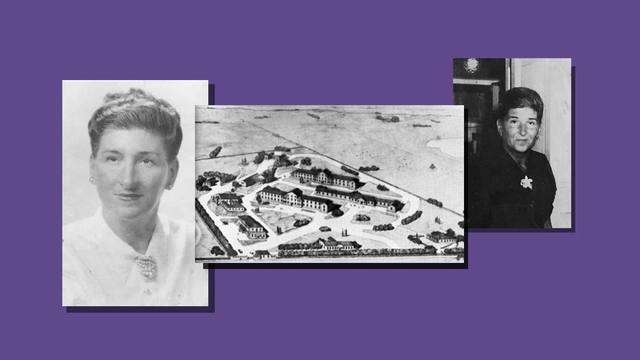
The first woman to receive an architecture degree in Argentina was Filandia Pizzul in 1928 from the University of Buenos Aires, more than 50 years after the program was first established. Starting in 1874, the architecture program operated independently of the Department of Sciences, where these studies had been housed since 1865. She was a pioneer in several fields, also becoming the first woman to complete courses at the Civil Aviation Directorate in 1928, earning pilot's license No. 181.


For its 43rd edition, the Grand Jury of the 2022 Konex Awards has selected the 100 most outstanding figures of the last decade in Argentine Visual Arts, spanning the period from 2012 to 2021. Honoring five individuals in each of the 21 established disciplines, the awards and diplomas of merit will be presented on Tuesday, September 13.
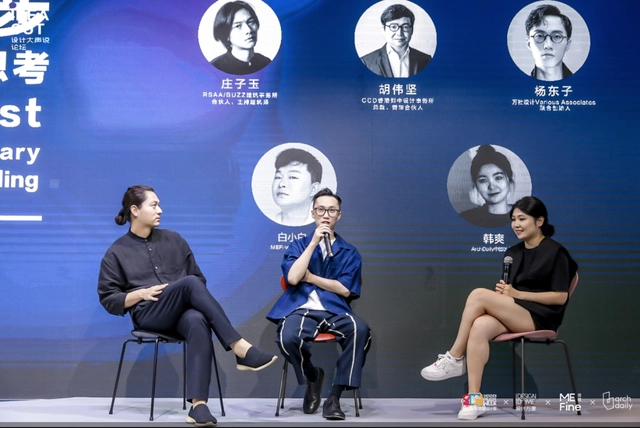
The 2022 Shenzhen Creative Home Design Week (hereinafter referred to as "Design Week") has successfully concluded. Against the ongoing backdrop of the pandemic, ArchDaily partnered with MEFine to present a themed design forum, "One Step Ahead: Contemporary Reflections on Dwelling." Hosted as part of "Design Out Loud"—a forum series dedicated to design and creativity curated by Design Dome—the event has successfully come to a close, leaving behind a wealth of memorable insights.
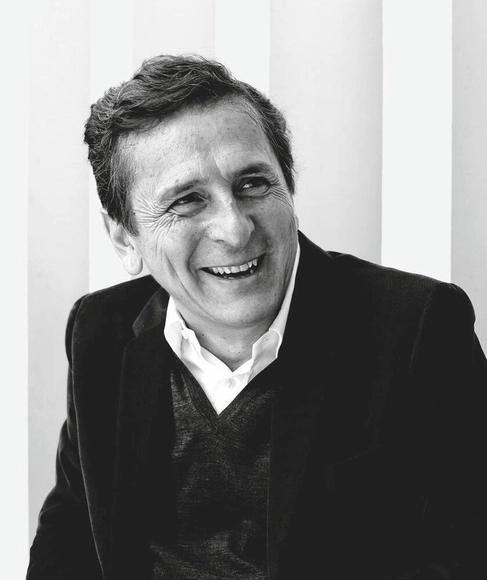
Today, it was announced that architect Emilio Tuñón has been awarded the 2022 National Architecture Prize, presented by the Ministry of Transport, Mobility, and Urban Agenda (Mitma).
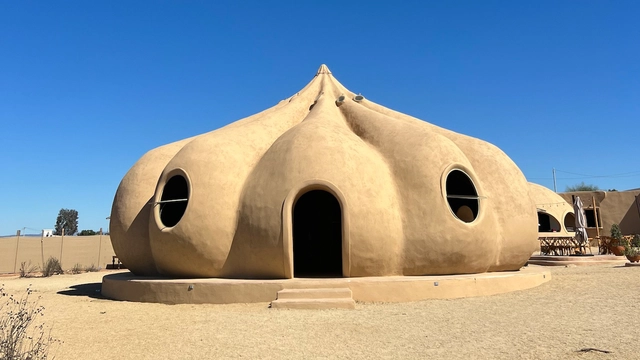
Featuring a spectacular amorphous structure, Bloodlust Wine Bar is located in Ejido El Porvenir, in the heart of Valle de Guadalupe, Baja California, Mexico. Its origins date back to late 2019, conceived by the vision of Juliette Cheanne, Poncho Muriedas, and Yuri Muriedas—three highly creative minds with a single shared mission: to bring to life a gastronomic space that, in addition to featuring an inimitable architectural facade designed by surrealist illustrator Jaime Zuverza, would offer an immersive auditory and visual experience to all who visit.
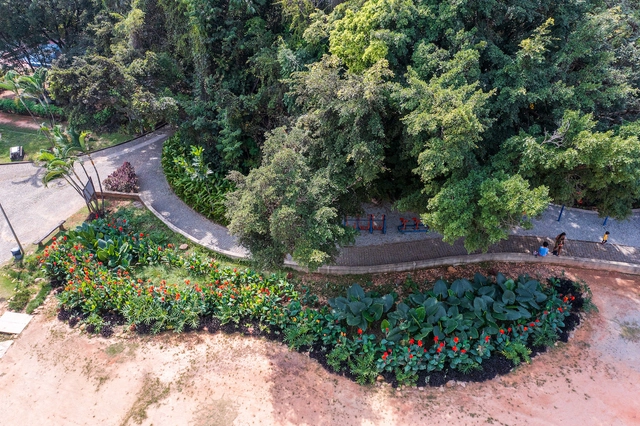
Nature-based solutions (NBS) have become widely recognized as efficient approaches for adapting cities to the climate crisis and mitigating increasingly frequent disasters. Projects such as rain gardens, linear parks, hillside restoration, and urban agriculture help make cities more resilient to extreme weather events, while generating additional benefits for society, the economy, and the environment.
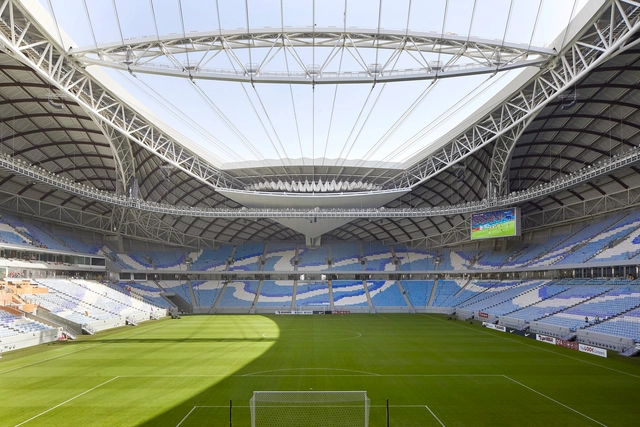
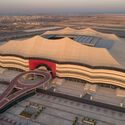
The World Cup will take place between November and December. This scheduling is due to the fact that average temperatures in the host nation, Qatar, can soar to 40 to 50°C during June and July.

Celebrating its 35th anniversary, this edition of CasaCor brings together projects by 68 renowned professionals spread across more than 10,000 square meters inside a landmark of São Paulo modernism, the Conjunto Nacional. Under the theme “Particular Infinite,” this year's exhibition focuses on the accumulation of time, on the stories already told and those we tell about ourselves. In this universe of ways of inhabiting the world, and of the traces we leave around us—from finger marks on the walls to the dust we carry on the soles of our shoes—we are always searching for something that is ours alone, inexhaustibly our own.
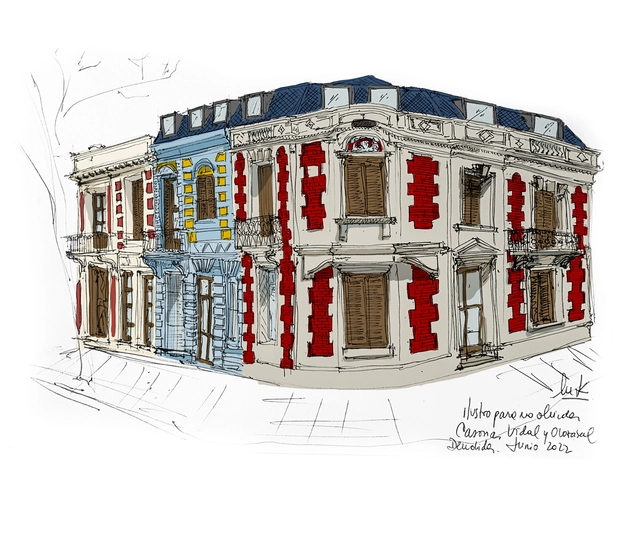
Ilustro para no olvidar is a documentation, research, and registration initiative led by architect Natalia Karbabian that aims to illustrate heritage architecture that has been demolished or is at risk within the city of Buenos Aires. Serving as a testament and a form of protest, this artistic project seeks to honor these buildings of architectural, cultural, and emotional heritage value that define our identity, belonging, and the narrative of our history as a city and its citizens, understanding Buenos Aires as a melting pot of eras, cultures, and social classes. Currently, the project has recorded more than 50 illustrations, with over 250 still left to draw.
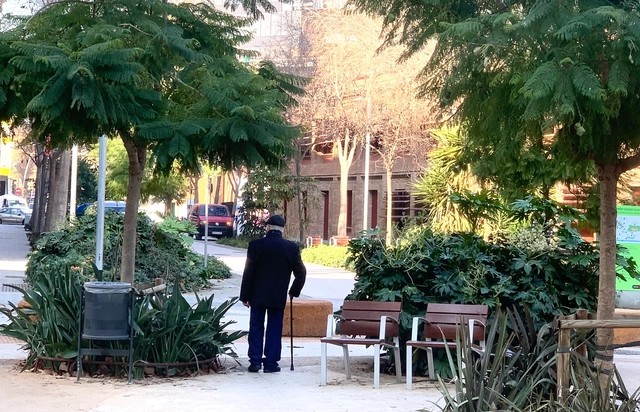
CityMakers is working with ArchDaily to publish a series of articles, conversations, and interviews with the various actors in urban co-production behind the CityMakers Barcelona Lab 2022, an event taking place from November 14 to 18. For this edition, Víctor Torres, an architect with a Master's in Territorial Planning and Environmental Management from the University of Barcelona, presents his article "Renaturalizing the City from the Smallest Scale: The Neighborhood."
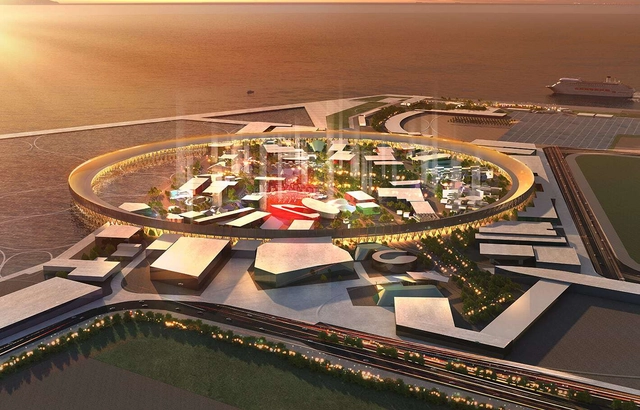
The Brazilian Trade and Investment Promotion Agency (ApexBrasil) has launched the design competition for the Brazil Pavilion at the Osaka World Expo, which will take place between April and October 2025. The official call for entries was released on October 3, marking the celebration of World Architecture Day. Registration is open until November 7 on the official competition website, and the results will be announced on December 5.
“Domingos Libro” is presented by Carmelo of Enorme Studio, where he delves into forgotten architectural publications, books, and architectural magazines from the 60s, 70s, and 80s, which harbor the most fascinating backstories.
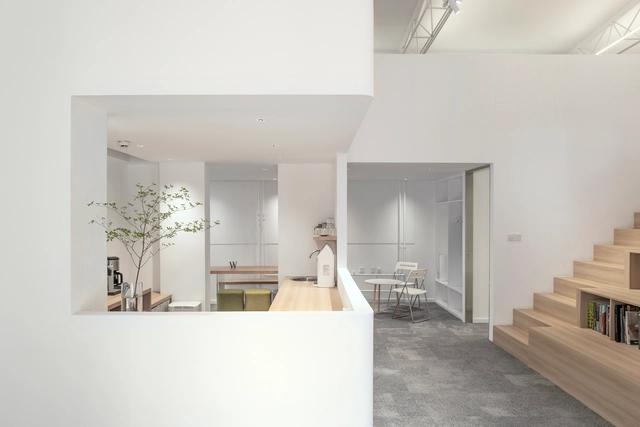
weico is a high-profile, emerging design practice founded by a group of highly experienced architects. Its scope of work encompasses architectural design, interior design, urban planning, project programming, and engineering consultancy, with a particular focus on the cross-disciplinary integration of design with technology, industry, economics, and the humanities. Led by principal architect Sun Wei (former partner of HENN China), weico, within less than a year of its inception, has secured and undertaken projects including the T3 Headquarters, Hengli International Headquarters, Hongqi High-End Customization Center, and the Phase II consultancy for the Hong Kong University of Science and Technology (Guangzhou). It has also been shortlisted for the CGN Scientific Research Base and the Bay Area University projects, garnering significant attention within the domestic industry.

The International Solicitation for the Urban Design of the Center Area of Western China (Chongqing) Science City has officially launched! We warmly invite outstanding design teams from around the world to participate.
International Solicitation for Urban Design of the Center Area of Western China (Chongqing) Science City is now open for pre-qualification! Design teams from home and abroad are welcome to participate.
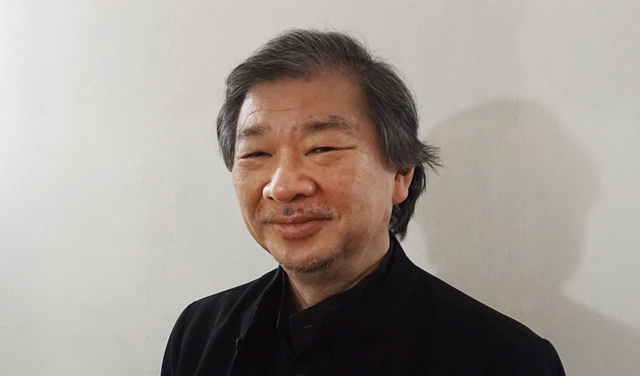
From September 21 to 25, the Mextrópoli Festival + the XII Ibero-American Biennial of Architecture and Urbanism took place in Mexico City. As part of the event, ArchDaily sat down with 2014 Pritzker Prize laureate Shigeru Ban to discuss the theme "Inhabiting at the Margins." This topic seeks to explore solutions addressing the growing social, environmental, and economic demands at the fringes of the architectural system.
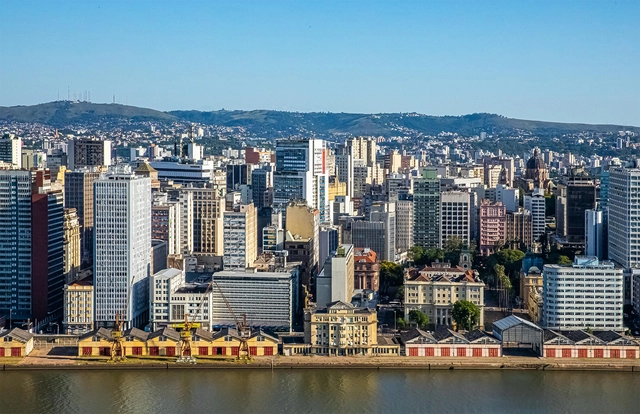
It is common to find the concept of Created Land (Solo Criado) in Master Plans (PD) and Land Subdivision, Use, and Occupation Laws (LPUOS). This concept enables the implementation of certain urban planning instruments, such as the Onerous Grant of the Right to Build (OODC) and the Transfer of Development Rights (TDR). But what exactly is Created Land?
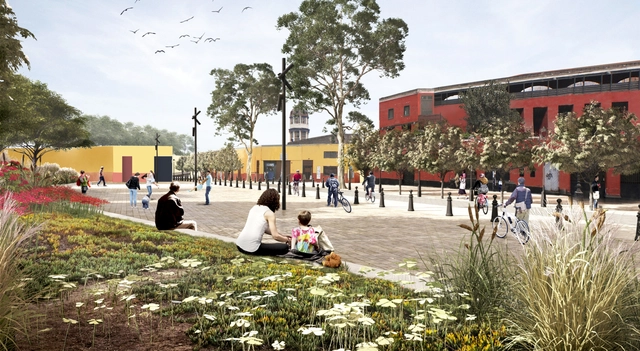
Within the context of the comprehensive recovery of the Historic Center of Lima, the Rímac River Special Landscape Project (PEPRR) is developing a proposal for the regeneration of the iconic Alameda and Plazuela de Acho. This project—together with the other 50 interventions proposed in the PEPRR master plan—aims to spark a multidimensional recovery of the riverfront and heritage environment, while simultaneously defending and strengthening the civic qualities of Lima's public spaces through a systemic approach that coordinates mobility, the urban environment, heritage, and landscape.
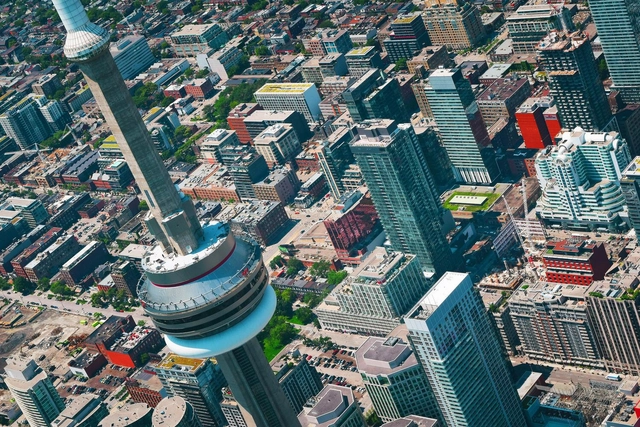
Brazil has steadily advanced the implementation of public-private partnership initiatives. The Radar PPP platform currently monitors more than 3,400 PPP and concession projects across various sectors, compared to just 625 in 2015. While public-private partnerships typically bring to mind PPP and concession contracts for public services, they are not limited to these models. A prime example is the Business Improvement District, or simply BID.
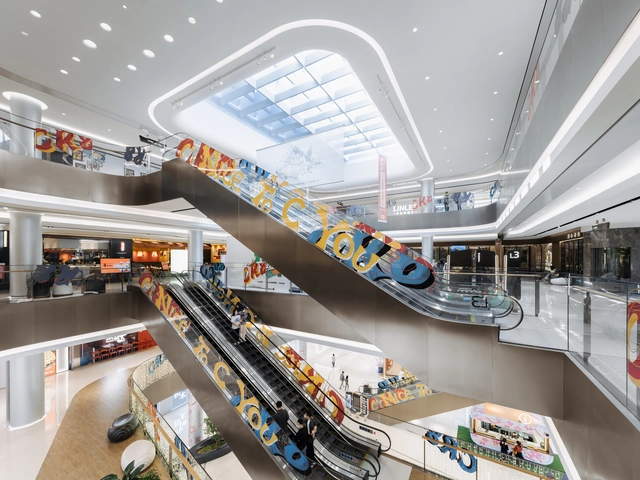
Featured Interviewee: Zhu Ping, Founder of DUStudio
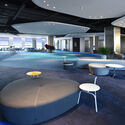
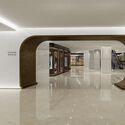
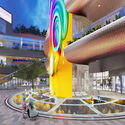
Design Union Studio (DUStudio)’s approach lies in integrating resources across the entire design supply chain. Rather than merely delivering design expertise, the firm helps clients coordinate other disciplines to ensure that top-tier teams are engaged at every stage to realize the project's core concept—essentially designing with a client-side mindset. Fusing spatial design, commercial curation, and multimedia installations creates a closed-loop process. By connecting and seamlessly integrating every phase of design, they deliver the most successful projects.
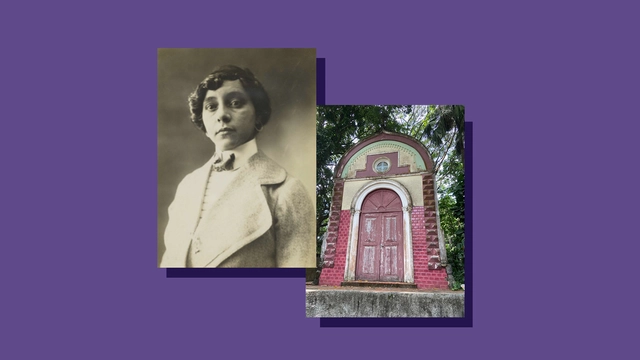
For decades, the history of Brazilian architecture has crowned male figures as its primary representatives. In recent years, however, we have seen a growing body of work dedicated to identifying female figures in this field. “Where are the women in the history of architecture in Brazil?” was, and still is, one of the questions most frequently encountered by architectural and urban historians. Often, the answer points to Lina Bo Bardi and Carmen Portinho—fundamental references, to be sure, but we might still wonder: how many other figures built their careers in this field?
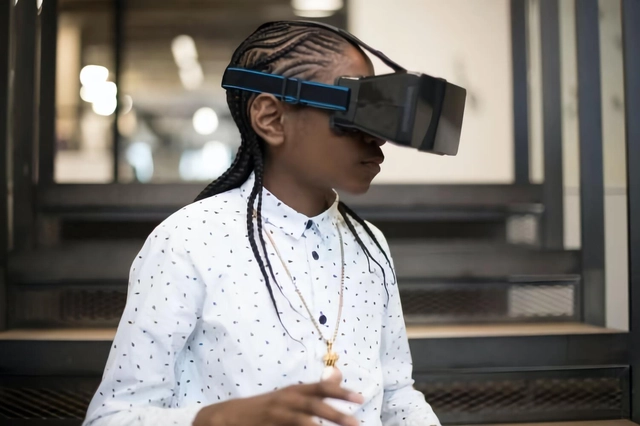
Ever since Meta CEO Mark Zuckerberg renamed his company and announced a larger investment in the so-called “metaverse,” searches for the term have surged considerably. And while it is not a new concept, the technological topics surrounding the subject have exploded in recent years.
Cryptocurrencies, NFTs, and the overall creation of a virtual economy help illustrate how the metaverse is cementing its place in our daily lives. Yet, the opportunities extend far beyond financial shifts: the metaverse is also proving to be an important space for engineers and architects alike.
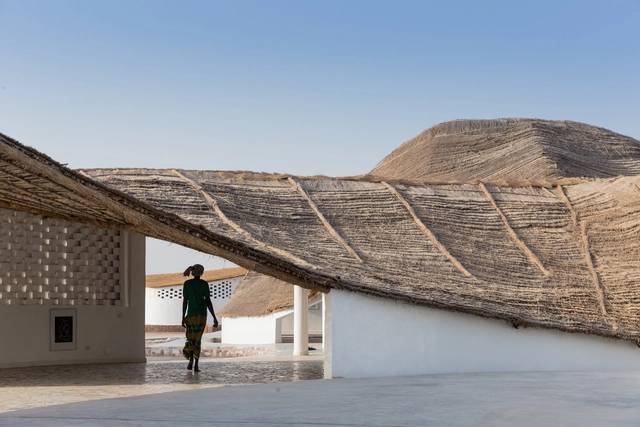
The FIFA World Cup is one of the world's largest events, bringing together fans of all nationalities. Having previously been hosted across various continents, this year's tournament will take place in Qatar, a country on the Arabian Peninsula with a population of about 2.7 million people, the majority of whom are Muslim. Alongside the host nation, 31 other countries will compete for the title of world champion.
Beyond its status as a sporting event, the World Cup is also an opportunity to observe, learn about, and experience other cultures—especially for the host country. Divided into eight different groups, the first to play, from Groups A and B, will be Qatar, Ecuador, England, Iran, Senegal, the Netherlands, the United States, and Wales. Below, explore some examples of architecture from these countries.

Founded in 2013 in São Paulo, this young transdisciplinary practice focuses on architecture, urbanism, and fine arts. Influenced by visual arts, music, theater, and everyday urban life, the firm translates these lived experiences into projects across diverse scales, briefs, and contexts.
Named after a term with multiple meanings in Portuguese—in architecture, *vão* represents the void or span between structural elements, a space to be occupied and activated by social, political, artistic, and various other interactions—the firm was founded by Anna Juni, Enk te Winkel, and Gustavo Delonero. Throughout its nearly ten-year history, it has maintained a small team, alongside occasional collaborations with friends and colleagues on specific projects.
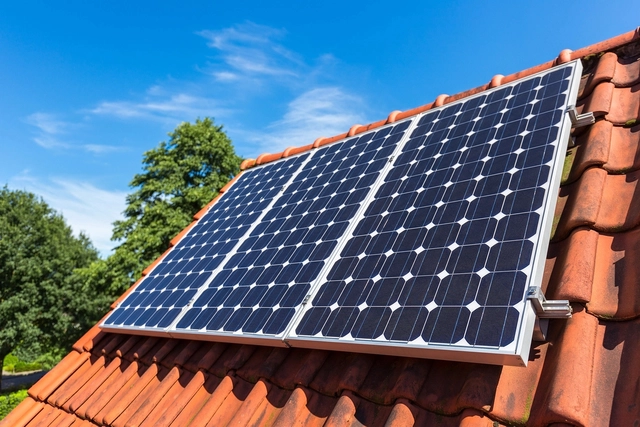
In January of this year, a legal framework for distributed micro- and minigeneration of energy was established under Law 14,300/2022. The text ensured that the sector's previous rules would be maintained until 2045 for existing solar installations and new customers within a 12-month window. Now, with only three months left in the year, the topic is back in the spotlight, as the deadline to secure benefits like exemptions from certain tariff components is fast approaching.