
The World Cup will take place between November and December. This scheduling is due to the fact that average temperatures in the host nation, Qatar, can soar to 40 to 50°C during June and July.
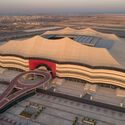




At the start of negotiations, FIFA released a report flagging a summer tournament as a potential health risk. However, the host organizers insisted on holding the games in summer, promising to deploy a range of advanced air-conditioning technologies across stadiums, training pitches, and fan zones. Given the level of technological development showcased to the world by the UAE at the time, it seemed temperature might not pose an obstacle to the tournament. To back this up, the British firm Arup developed a prototype called "Qatar Showcase" to demonstrate how the system would function. Nevertheless, these efforts were ultimately in vain as FIFA stood its ground, deeming the final two months of the year the ideal timeframe. Although this period brings milder weather to Qatar, expected temperatures will still hover between 20°C and 30°C. Consequently, air-conditioning systems will still be necessary, especially within the stadiums. Qatar will continue to develop existing temperature-control technologies because, as Hassan Al Thawadi, Secretary General of the Qatar 2022 World Cup Supreme Committee, stated, it is crucial that the tournament leaves a meaningful design legacy for the nation's people.


