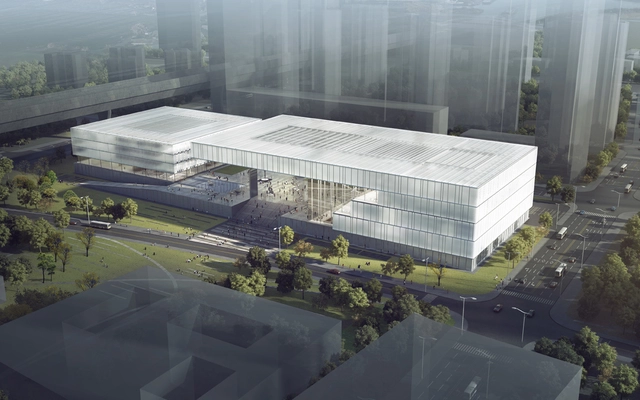
KSP Jürgen Engel Architekten has won an international competition for the new Shenzhen Art Museum and Library. Selected over schemes by Steven Holl, Mecanoo, OMA, and others, the winning project takes the shape as three "elements" - an art museum, library and archive, and new "Culture Plaza" - united by a "stone podium."
"The main concept behind the design was to create a space that brings together art, culture, and an urban environment – a space where people and culture are encouraged to interact," says the architects.
Students and faculty from the USC School of Architecture, in partnership with USC’s American Academy in China (AAC), have been engaged in a summer‐long program examining how the “middle zone,” or more rural, outlying areas in between cities, are growing. The program travelled to Beijing, Lushan, and Xian, and is currently in Shenzhen where it is staging the exhibition China in Flux: Mapping the Middle Zone.
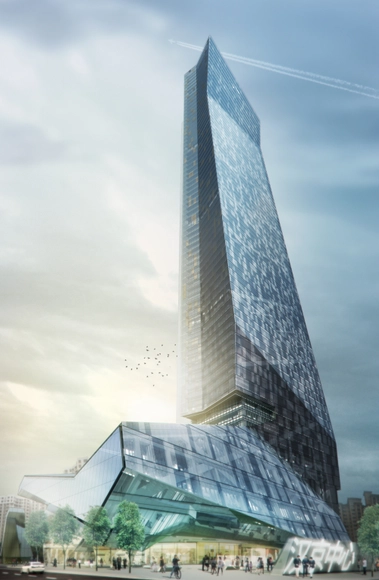
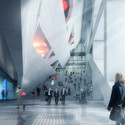
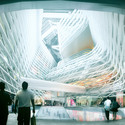
Construction is underway on a striking new tower by Morphosis Architects in Shenzhen. "A departure from conventional towers," as the practice describes, the "Hanking Center Tower" merges commercial retail with private office space through the folding of its steel structure. Beyond that, tenants are connected via a series communal sky gardens and a massive sun-lit atrium that occupies the building's core.
The winning entry in a competition for Pingshan's first theater, Beijing-based OPEN Architecture's Pingshan Performing Arts Center has broken ground in Shenzen. The 1350-capacity theatre is located in the city's new urban district, and slated for completion by the end of 2015.
Read more about the project and view selected images after the break.
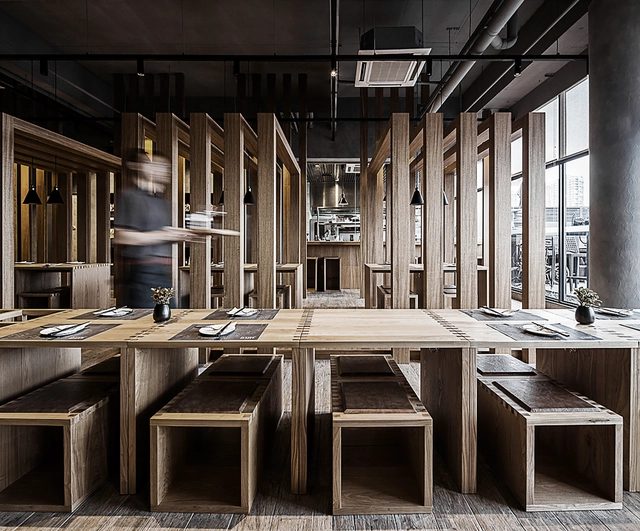
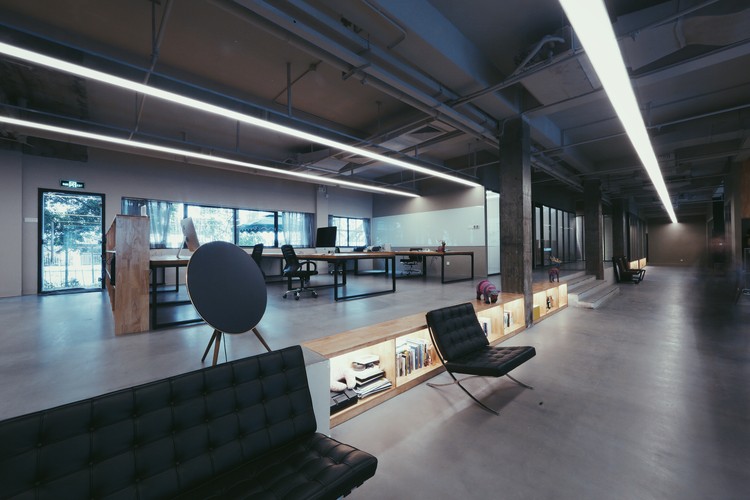
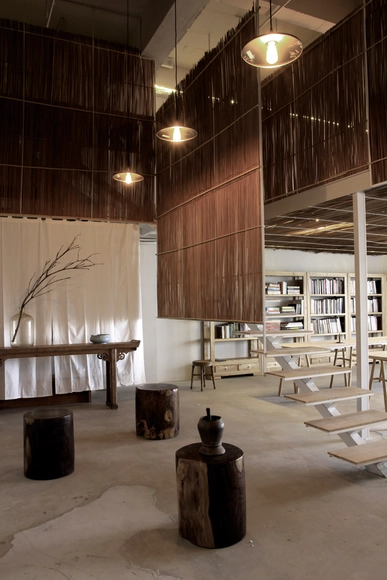
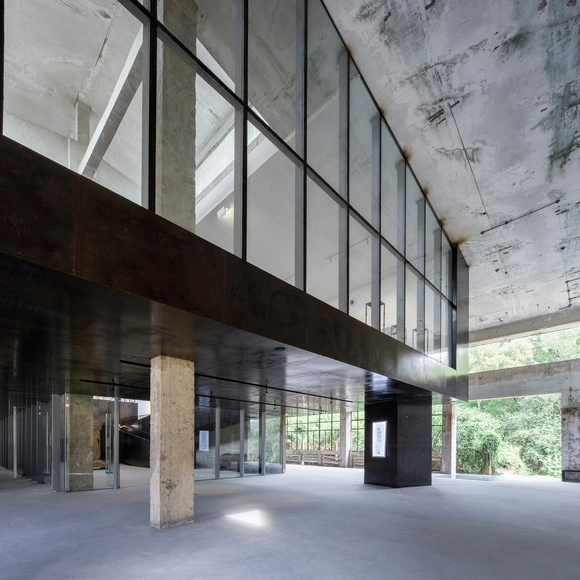
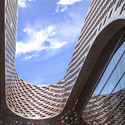
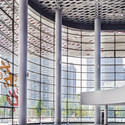
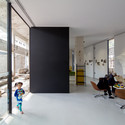
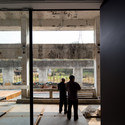
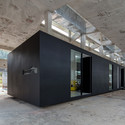
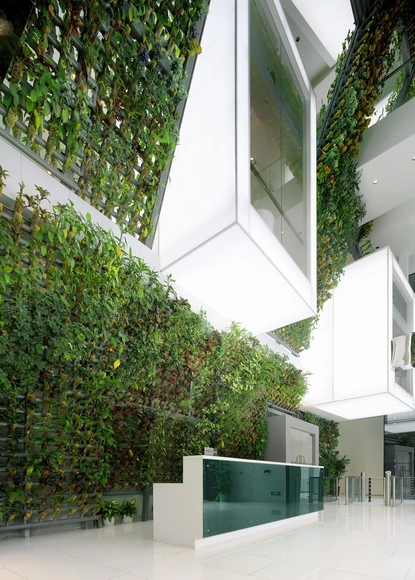
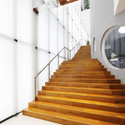
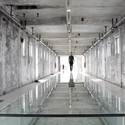
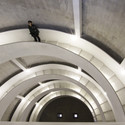
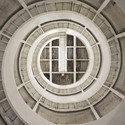
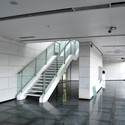
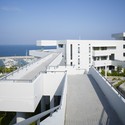
As part of the Shenzhen Architecture Biennale, Finnish practice Lassila Hirvilammi Architects entered into a collaboration with Chinese architect Gigi Leung to explore the themes of copying, authenticity and knowledge transfer between cultures. Working with master craftsmen, they created two versions of the same space (each influenced by their respective cultures), intentionally blurring the line between copying and taking inspiration.
Read on for more on this lesson in sharing differing architectural understandings


































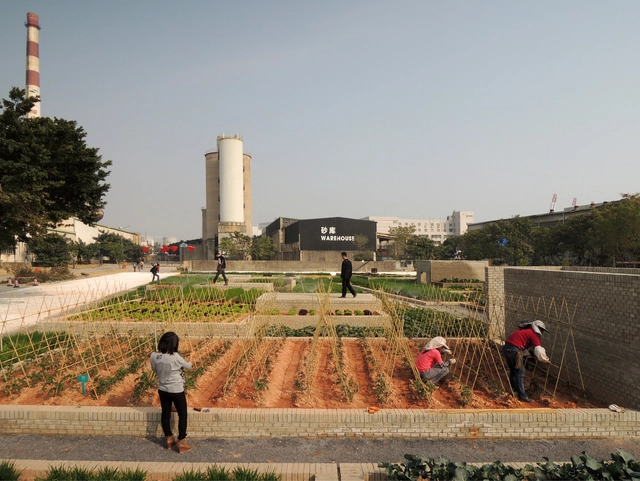



_Tuomo_Tammenpa%C3%8C%CB%86a%C3%8C%CB%86.jpg?1391784293&format=webp&width=640&height=580)
_Tuomo_Tammenpa%C3%8C%CB%86a%C3%8C%CB%86.jpg?1391784314 "© Tuomo Tammenpää")
_Pekka_Turunen.jpg?1391784061 "© Pekka Turunen")
_Tuomo_Tammenpa%C3%8C%CB%86a%C3%8C%CB%86.jpg?1391784144 "© Tuomo Tammenpää")
_Tuomo_Tammenpa%C3%8C%CB%86a%C3%8C%CB%86.jpg?1391784245 "© Tuomo Tammenpää")
_Tuomo_Tammenpa%C3%8C%CB%86a%C3%8C%CB%86.jpg?1391784293)