Victor Delaqua holds a Master's degree from FAUUSP (São Paulo). He is an architect and urban planner from UFSC (Florianópolis) and studied at the Polytechnic University of Valencia. A contributor to ArchDaily since 2012, he is the Head of Newsletters. Professionally, he also works in exhibition and set design.
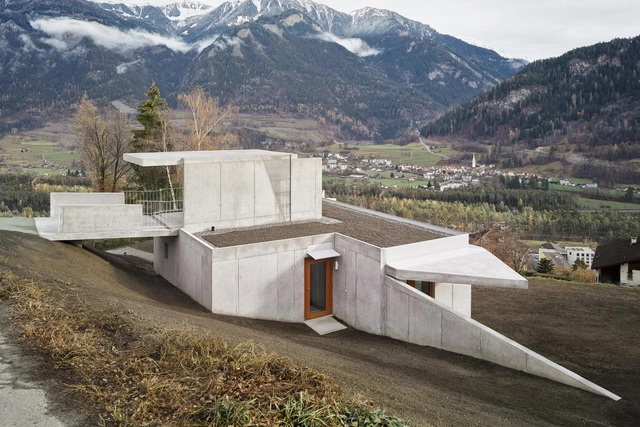
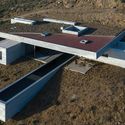
Sloping plots often present themselves as major challenges and therefore become a determining factor of the project by enabling various forms of approach, overlapping the ground, respecting its slope or even burying itself in it. To illustrate all these alternatives, we selected fifteen projects that present different solutions in dealing with landscape.
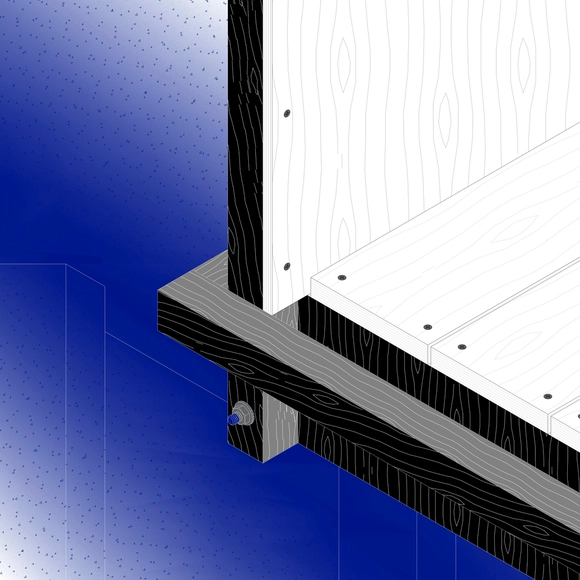
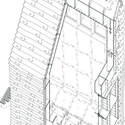
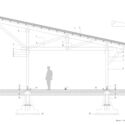
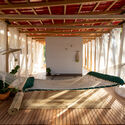
Drawing plays a pivotal role in architectural design as it is the primary means for transforming ideas into tangible spaces. Within wooden architecture, numerous techniques exist for creating joints, and connections, and seamlessly incorporating the material into other structural components. Beyond merely conveying precise details, drawing can also produce instructional guides for construction, simplifying comprehension for the workforce and facilitating project execution. This is why we've curated a collection of diverse projects that exemplify various approaches to depicting the use of wood and its myriad possibilities.
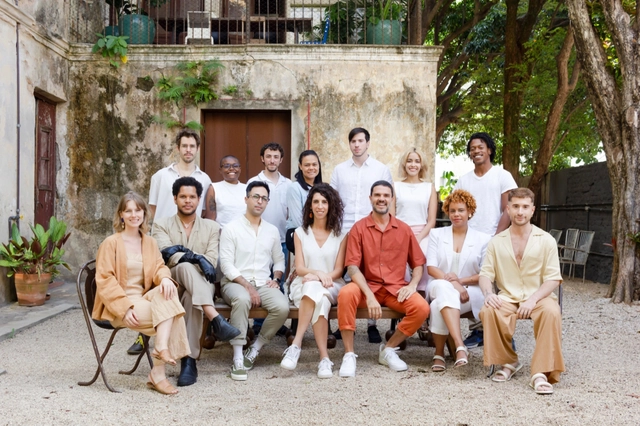
Equipe do Estudio Guto Requena. Photo Courtesy by Guto Requena.
During July, we delved into the Design Process as our monthly topic. Inspired by practices that intersect various uncommon layers in their creations, we talked with architect Guto Requena. When designing, his studio experiments with different digital technologies through a sustainable lens and with a keen eye on social issues, aiming to deliver innovative and emotional experiences. Today, the architect boasts numerous national and international awards, including the ArchDaily Building of the Year and the UNESCO Prix Versailles.
In the interview, Requena shares his journey, highlighting the diversity of his team as a critical innovation point in his firm. He also addresses crucial questions about fostering innovation and creativity with new materials in architecture, among other topics.
Color hues play an important role in the thermal comfort of buildings, influencing the absorption, reflection, and emission of thermal energy. Alongside the analysis of the local climate, solar orientation, and the qualities of construction materials, it is possible to design an integrated approach based on surface coatings that even helps save on utility bills. Learn how these variables can be combined to leverage color for the thermal performance of your project.
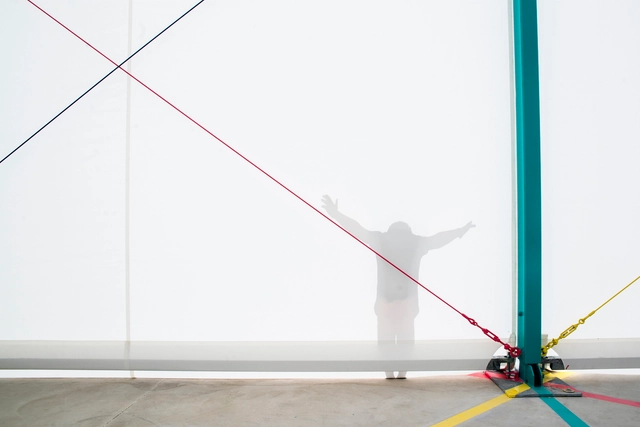
Anthony McCall. "Between You and I" (2006). Installation view, Peer/The Round Chapel, London, 2006. Photograph by Hugo Glendinning. LNickou, CC BY-SA 4.0 , via Wikimedia Commons
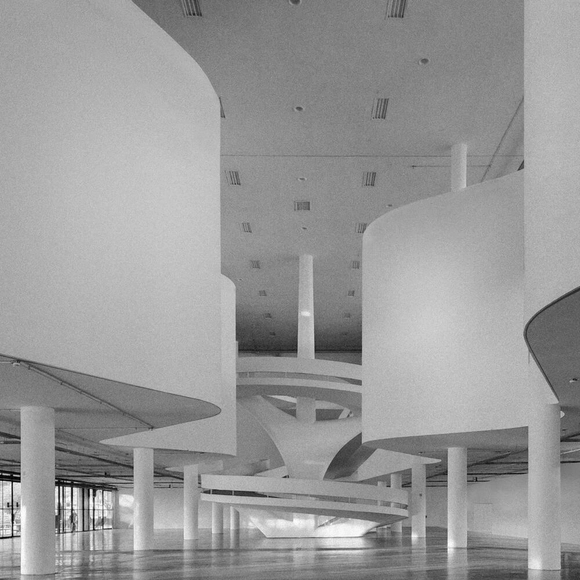
To transcend the idea of progressive, linear, Western time. To create strategies for bypassing, crossing boundaries, and escaping the impossibilities imposed by the world. Attentive to the "politics of movement and political movements intertwined in artistic expressions," the 35th Bienal de São Paulo - choreographies of the impossible presents, through spatial intervention and its list of participants, ways of relating that expand the cultural and social aspects defining the seemingly insurmountable crisis we face as a society.
To delve deeper into how spatial, territorial, and architectural issues unfold in this upcoming edition of one of the world's largest and most important art exhibitions, we spoke with the curatorial collective* comprising Diane Lima, Grada Kilomba, Hélio Menezes, and Manuel Borja-Villel.
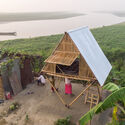
Contemporary architecture does not come from scratch. Today’s projects are based on a series of experiments that have occurred since humanity began to conceive living and coexistence spaces. An intrinsic connection between customs, traditions, local materials, and construction techniques gave rise to ancestral and vernacular architectures. The influence of each population's context and culture can be an inspiration for contemporary architects who, by looking to the past, can effectively respond to the future.
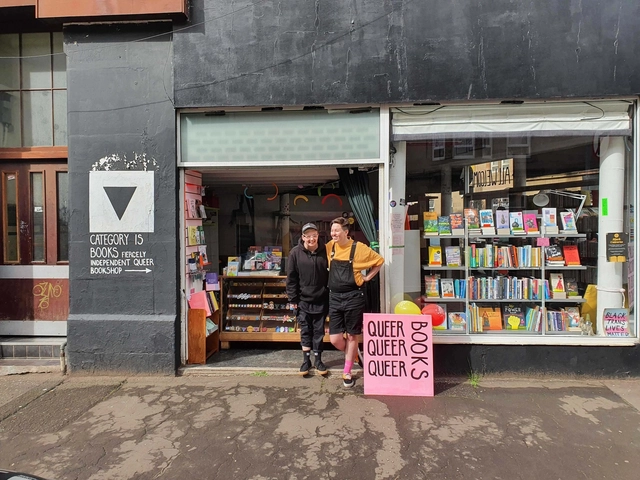
As we explore social practices that challenge the dominant model in architecture, we have come to recognize the significance of addressing issues related to identity, gender, race, and sexual orientation within the realm of spatial design. By considering these dimensions, we aim to highlight how the built environment can foster new ways of envisioning society and shaping our relationship with the world around us. To provide valuable insights, we have curated a bibliography that showcases the perspectives and experiences of individuals who defy the norms dictated by a universalizing approach. This collection of 20 books offers diverse narratives that invite us to perceive, imagine, and experience space through an LGBTQIA+ lens.
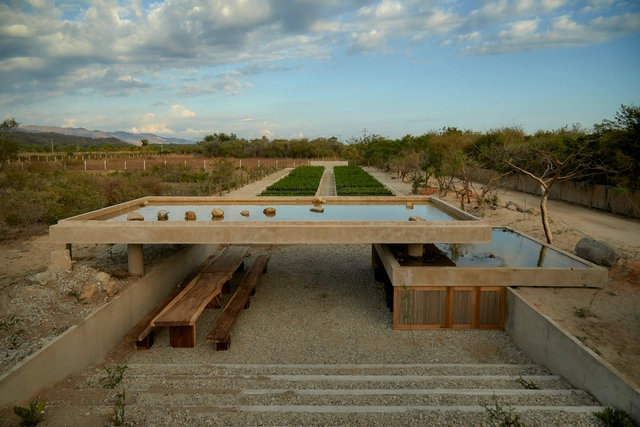
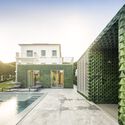
Integrating water into landscaping in unique and sustainable ways has become an increasingly relevant approach to recent projects. Proper use of this natural resource adds aesthetic value to green spaces and can also promote ecologically positive responses to the work. Looking for different perspectives and innovative solutions, we look for projects with different approaches that integrate water and landscape.
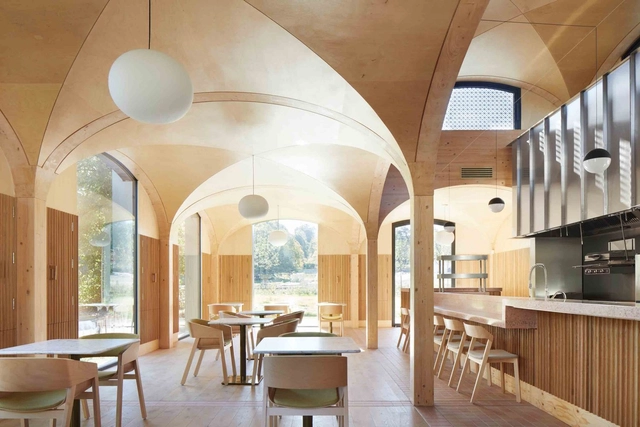
The simplest definition of a vaulted ceiling is a self-supporting arched structure to cover a space. This technique was used extensively during the Roman Empire and the Middle Ages but fell into disuse with the advance of other building solutions that became more practical. However, many contemporary projects still build these elements or highlight the original structures in renovations because of their powerful impact on the building design.
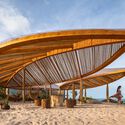
From ancestral constructions to the "concrete of the future", terms abound to describe timber. Present in the history and horizon of world architecture, the material demonstrates a sustainable possibility and is associated with the coziness and warmth that it provides in the spatial atmosphere. In Brazil, it is no different. Several contemporary works explore the qualities and benefits of its use, including structural bias.
To think about how we inhabit is to think about architecture. If the primal need for shelter gave rise to the discipline, today, housing remains one of architects' most significant concerns. Providing comfort, seeking innovative materials, respecting memory, transforming culture - multiple layers intersect in a residence's design. Therefore, imagining the synthesis of the contemporary home is a great challenge. In search of new perspectives, we collaborated with Ulises Design Studio to understand how Artificial Intelligence (AI) perceives the contemporary home in the context of 15 different countries. Among data that touches on facts of reality and fiction, the pictures that emerge can bring inspiration and important reflections on spatial practice and the creation of its images.
Videos
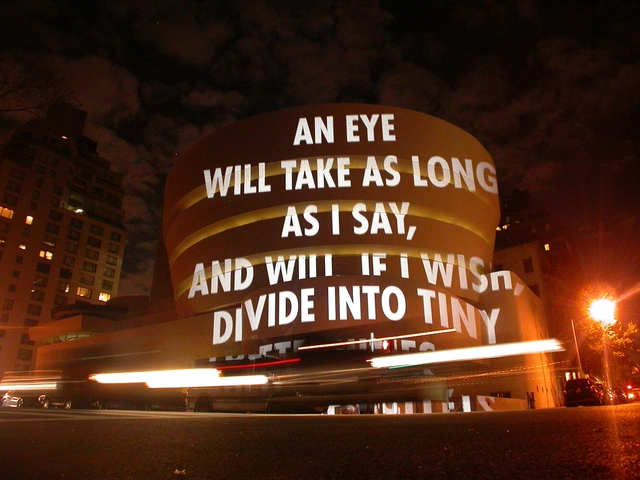
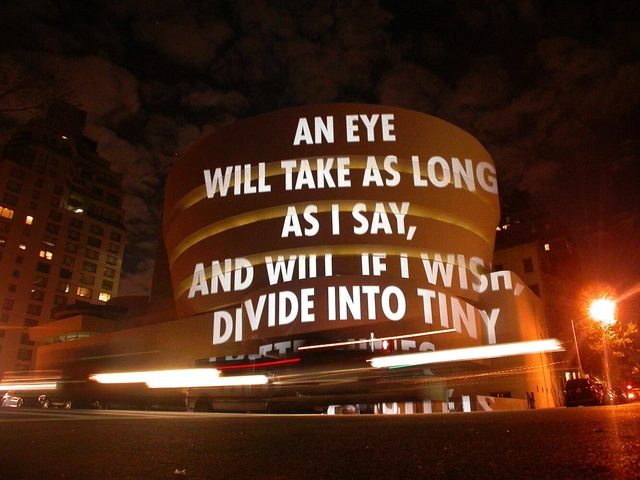
Jenny Holzer, installation at Guggenheim New York. Image: fluido & franz, CC BY-NC-SA 2.0 via Flickr
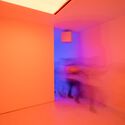
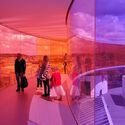
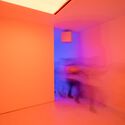
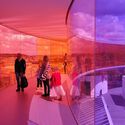
Light has been present in art for centuries. To think of the Baroque or Gothic without this element would be impossible. However, in the 20th century, artists began to explore light qualities and transformed them into a means of materializing art. Sculptures, immersive installations, and ways of shaping the environment through light, its colors and intensities brought new spatial perceptions by establishing a unique relationship with architecture.
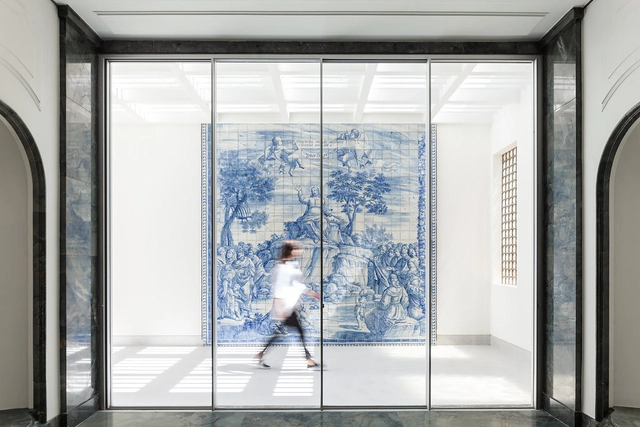
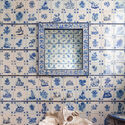
Culture reflected in a material. Portuguese tiles narrate historical themes, from the religious to the profane. They shape the Portuguese landscape and scenery when covering buildings, interiors and public spaces. In this way, its expression continues in constant change and adaptation to weave the Moorish ancestry with contemporaneity.
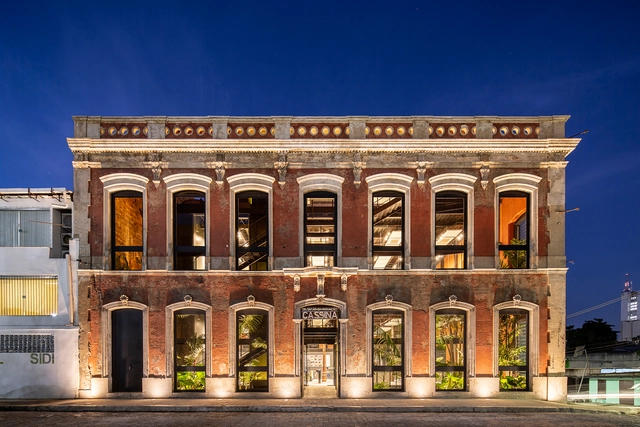
Form and function. Terms that accompany several definitions that belong to architecture, but more is needed to summarize the practice in 2023. Nowadays, building involves understanding the cycles of materials and how each action can be linked to the extraction of natural resources and their damage to the environment. We live in an urgent need to review the way we produce built space. In this search for models that move away from linear systems and provide a constant process of transformation and redistribution of matter, strategies arising from the circular economy emerge as a possible path. Its application in architectural heritage – for maintenance or restoration – can incentive the necessary changes toward a more sustainable society.
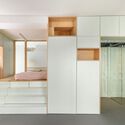
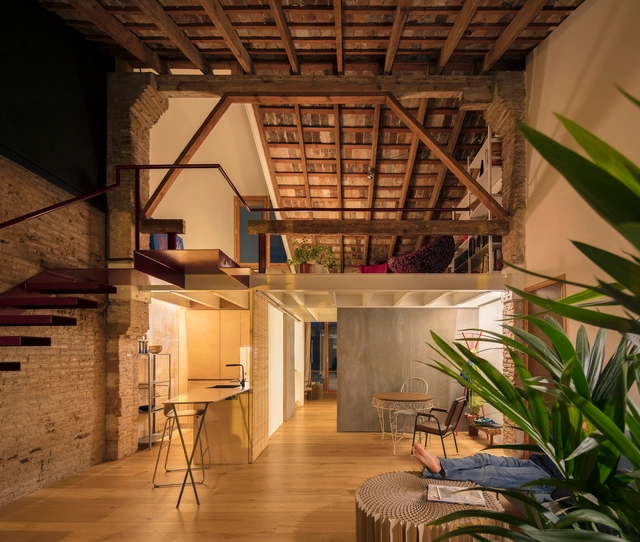
Lofts can refer to the highest story of a building, such as attics, for example, which have been converted into apartments or studios. Later on, the term loft started to be used to describe open-concept spaces, where the entire architectural program was incorporated into one large room, resulting in a market trend.
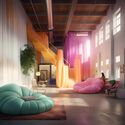
People are increasingly looking for more flexible and open spaces, so we have put together a selection of 25 lofts that provide different approaches to these environments: either by creating a mezzanine to take advantage of the high ceiling or simply by arranging furniture.
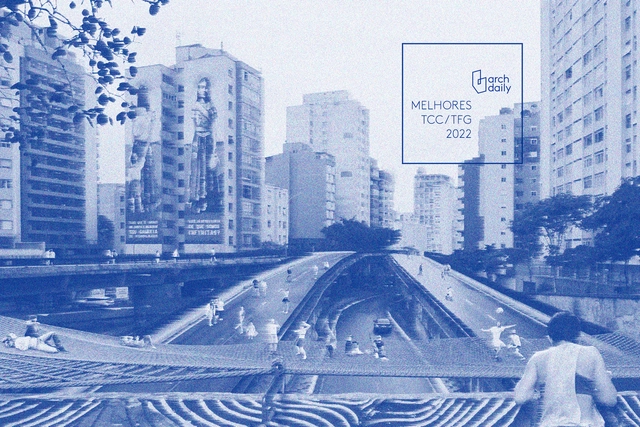
Montage created based on the work "Intentos por São Paulo: Ensaio Minhocão" by Julia Getschko
Academia has much to contribute to the fields of architecture and urbanism. Inspiring visions emerge through its research and proposals, sparking critical debates on how we perceive, occupy, and design the built environment. With this in mind, we hold an annual call for final graduation projects open to all Portuguese-speaking countries to showcase a panorama of themes and projects that we believe stood out over the past year.
Today is National Architect and Urban Planner Day in Brazil. Since 2018, Law 13,627/2018 has officially established this date on the Brazilian calendar. The day was chosen to honor architect Oscar Niemeyer on his birthday, and also commemorates the founding of the Council of Architecture and Urbanism (CAU).