Victor Delaqua holds a Master's degree from FAUUSP (São Paulo). He is an architect and urban planner from UFSC (Florianópolis) and studied at the Polytechnic University of Valencia. A contributor to ArchDaily since 2012, he is the Head of Newsletters. Professionally, he also works in exhibition and set design.
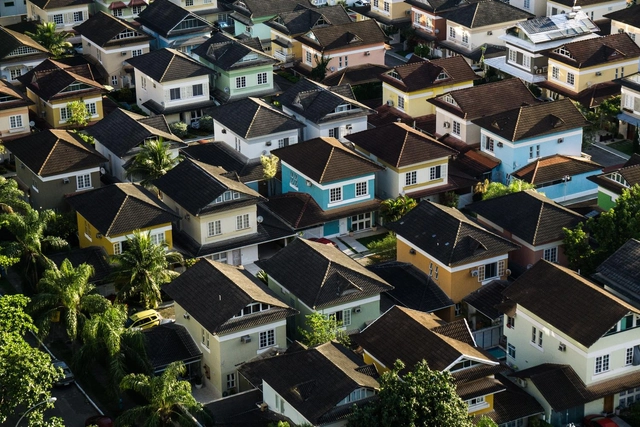
Established by master plans, zoning indexes consist of a set of regulations that govern building dimensions relative to the lot on which they are built. These requirements vary according to the zone in which the land is located and are divided into three main principles: Lot Coverage, Floor Area Ratio (FAR), and Permeability Rate. Learn what each one means and how to calculate them below.
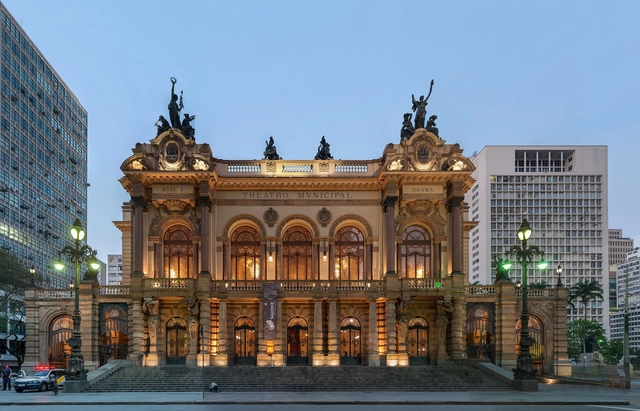
Theatro Municipal de São Paulo. Photo: By Wilfredor, CC0, via Wikimedia Commons
The centennial celebrations of the Modern Art Week have already begun. Over the past week, articles and press coverage on the subject have filled various media outlets. After all, one hundred years ago, a group of artists gathered in pursuit of an art that looked to the future and stood against the past, proposing a new way of exploring Brazilian identity in music, poetry, painting, and dance. To understand how the event shaped new directions in Brazilian culture and remains relevant today, we have compiled a guide to several spaces that celebrate the Week of '22!
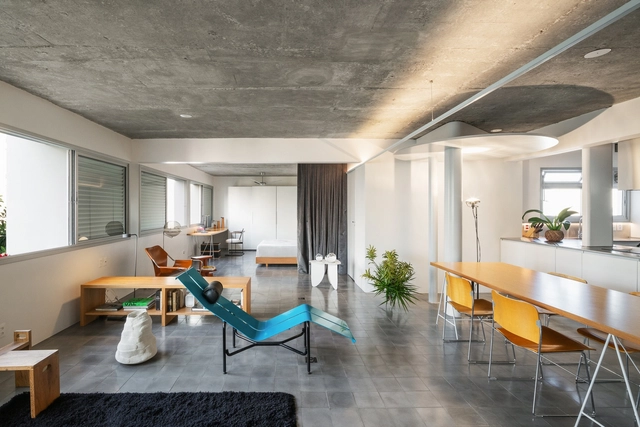
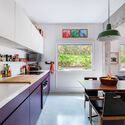
Designing a limited space like an apartment can be a genuine challenge. Creating new layouts and projects over what has already been imagined by someone else is an exercise that demands a keen eye and respect for the existing structure. In addition to this, there is the need to bring character to the space through interior design without overlooking spatial functionality, ensuring the best possible quality of life for its residents.
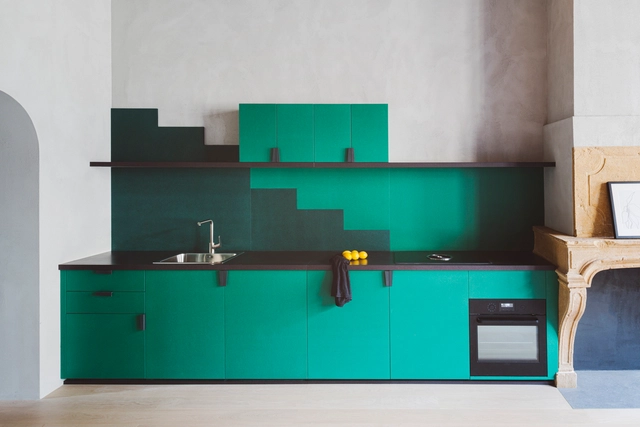
Renovations can often be a major headache. To avoid this, thorough planning and investing time in a comprehensive project are essential to ensure that every stage is executed on time and, most importantly, within budget. With this in mind, here are some tips and key elements to consider before embarking on a basic kitchen renovation.
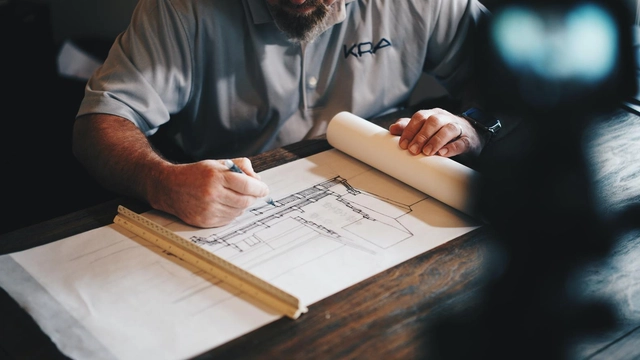
An architectural project goes far beyond final plans, stunning renderings, or physical models. It progresses through several phases that generate a comprehensive set of documents—including technical drawings, written reports, and various other forms of representation—covering everything from conceptualization to construction. More than just a methodology, these stages are governed by standards, with NBR 13532 (Preparation of Building Projects - Architecture) serving as the foundation for the necessary conditions of architectural design development.
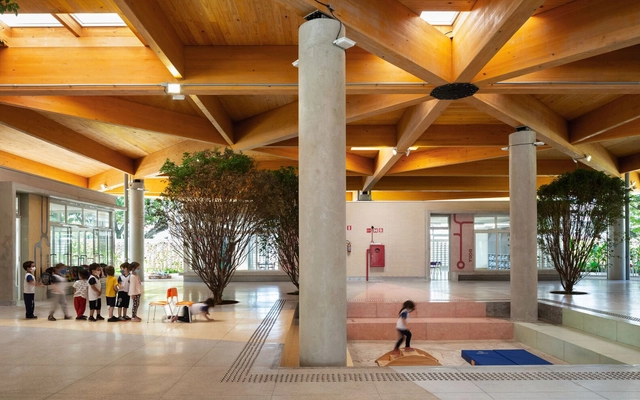
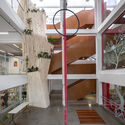
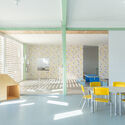
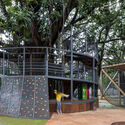
National School Day was celebrated yesterday, March 15, an important date to remember and value the role of educational institutions. Spaces that foster new perspectives, knowledge, exchanges, interaction, and play must be designed to rise to the challenge. While we have previously highlighted fifteen projects designed by Brazilian architects, today we take the opportunity to showcase some of the solutions and techniques adopted in recent years when approaching this program.
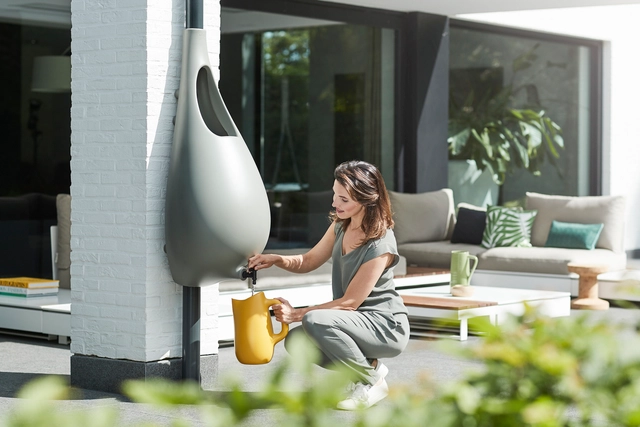
Raindrop. Image Courtesy of Studio Bas van der Veer
Today is World Water Day, established in 1992 by the United Nations (UN) to broaden discussions surrounding this resource. As drinking water becomes increasingly valuable, we present three architectural design alternatives to save and make better use of water in your home.
Pingado, carioca, espresso, drip, americano, cappuccino. Unlike in architecture, in this case, form is the least important factor when it comes to declaring a passion for coffee. A loyal companion since the college days of pulling all-nighters, and one that continues to accompany the daily creative process throughout the careers of many architects, this traditional beverage holds a special place in the profession and deserves to be celebrated. Today, March 14, is World Coffee Day. To celebrate, we feature a selection of projects where this sensory-awakening ingredient takes center stage.
Terra. A term used to define the planet we live on, the soil we walk on, and the raw material for the most diverse works. From it derives the word territory, which, beyond its symbolic meaning in shaping culture and worldviews, is also the foundation of any settlement and of nature itself. The power of all the meanings this word carries is taken as the title of the 6th Lisbon Architecture Triennale, which explores themes concerning the human relationship with its context and the revolutionary processes spanning the most diverse scales of architecture.
Color hues play an important role in the thermal comfort of buildings, influencing the absorption, reflection, and emission of thermal energy. Alongside the analysis of the local climate, solar orientation, and the qualities of construction materials, it is possible to design an integrated approach based on surface coatings that even helps save on utility bills. Learn how these variables can be combined to leverage color for the thermal performance of your project.
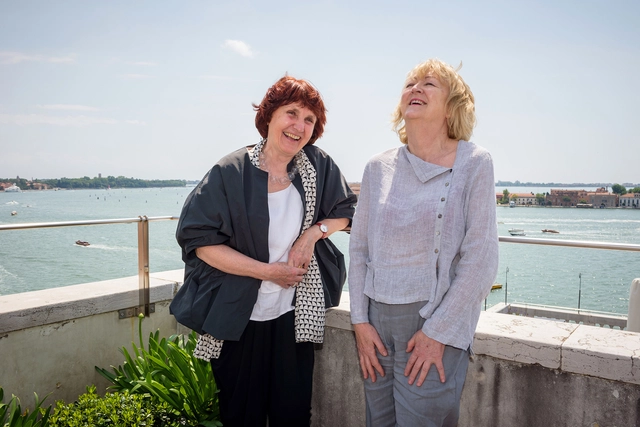
Yvonne Farrell and Shelley McNamara, co-founders of Grafton Architects, were awarded the 2020 Pritzker Architecture Prize. Earlier this year, they also received the Royal Institute of British Architects (RIBA) Gold Medal, becoming the first pair of women to jointly receive the honor.
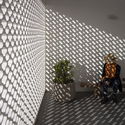
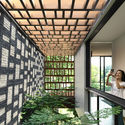
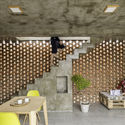
These architectural elements are used for different reasons almost everywhere, because they have a visual permeability that promotes the much desired dialogue between interior and exterior, which most architects seek, while being able to maintain the privacy of the users of a building. However, in tropical climates, they gain even greater importance as they allow constant natural ventilation, shade areas with large amounts of sunshine, and provide natural lighting and thermal comfort.
Pé na Estrada is an outreach project of the School of Architecture and Urbanism at the University of Brasília, active since 2011 as an extracurricular activity. Its primary goal is to organize and promote study trips across Brazilian cities. However, due to the COVID-19 pandemic, the project had to adapt to social distancing, launching new heritage education initiatives and encouraging alternative ways of experiencing spaces studied in the classroom to expand the knowledge and creative vocabulary of both students and the community.
The way you experience the city, the urban infrastructure provided in the areas you frequent, and even the job opportunities that come your way are all, to some extent, shaped by the color of your skin. These themes unfold across multiple layers to discuss racial segregation in the urban environment in the seminar "The City and Racial Subjection," organized in 2018 by the Laboratory of Race and Urban Space Studies (Labraça) at FAUUSP.
Sesc São Paulo has made a series of catalogs, educational materials, and booklets produced for the institution's exhibitions available for free on its website. Fittingly, several of these themes intersect with thinking on architecture and the city.
As the end of the year approaches, it brings the opportunity to reflect on the standout architectural moments of 2023. With this in mind, we looked at the most liked photos on ArchDaily Brasil's Instagram.
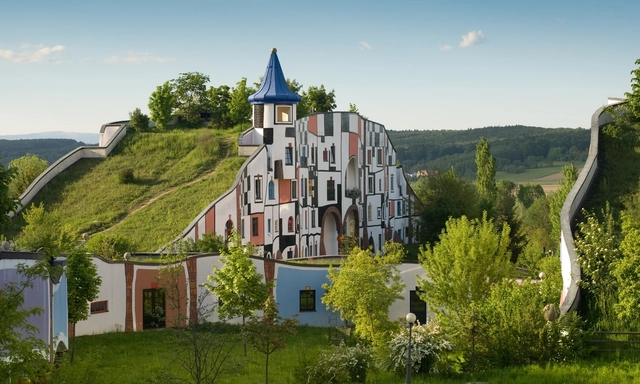
Hotel Therme Rogner Bad Blumau designed by Hundertwasser. Photo: Intentionalart, CC BY-SA 3.0 , via Wikimedia Commons
Imagining and experiencing alternative ways to understand the relationship between the human body, space, and the ideas that connect it to the world was one of the central themes that Hundertwasser brought to light. The Austrian artist and architect, born in 1928, dedicated much of his work to environmental issues, expressing his perspective through the theory of the five skins: the epidermis, clothing, the home, social identity, and the world. Due to its universality, this concept retains a contemporary relevance.
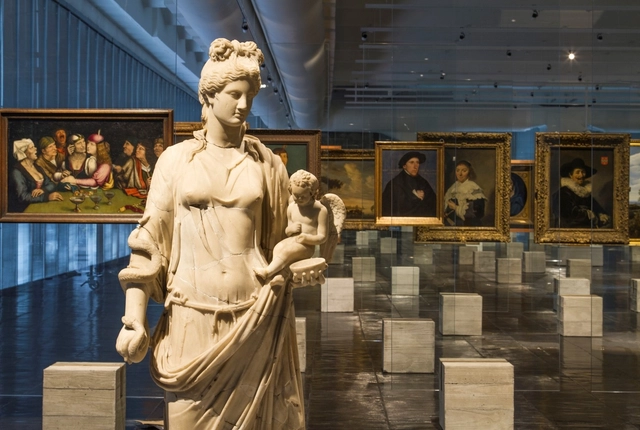
Today, May 18, is International Museum Day, celebrated under the theme "The Future of Museums: Recover and Reimagine." Amid the pandemic landscape imposed by COVID-19, some museums have reopened with major restrictions, while many others have remained closed. Regardless, these institutions have begun to reconsider their models and redefine their role in society. In this sense, the pandemic catalyzed a shift in exhibition formats, bringing new solutions and innovations to the public, such as virtual tours.























.jpg?1617308349 "Photo: Martin Abegglen from Bern, Switzerland, CC BY-SA 2.0 , via Wikimedia Commons")

.jpg?1617308454 "Main facade of the KunstHausWien Museum by Friedensreich Hundertwasser (Vienna, Austria). Photo: Jules Verne Times Two / www.julesvernex2.com, CC BY-SA 4.0 , via Wikimedia Commons")