Victor Delaqua holds a Master's degree from FAUUSP (São Paulo). He is an architect and urban planner from UFSC (Florianópolis) and studied at the Polytechnic University of Valencia. A contributor to ArchDaily since 2012, he is the Head of Newsletters. Professionally, he also works in exhibition and set design.
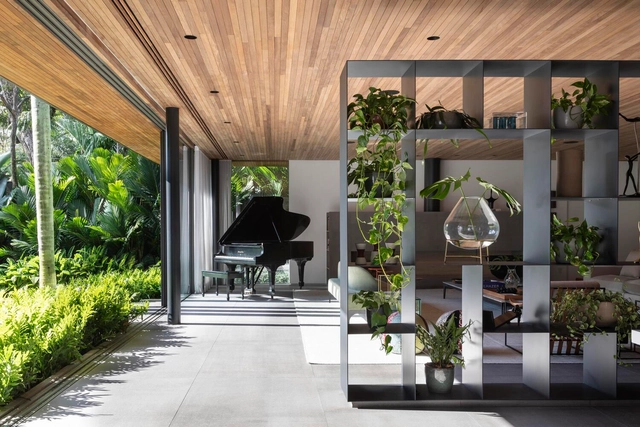
To create a cozier scale in large open-plan spaces or accommodate diverse uses under a single roof, defining areas through custom furniture design has become a highly effective solution. Serving as functional storage or even display units, shelving systems that double as room dividers can generate new perspectives, guide circulation, and foster greater permeability between different spaces.
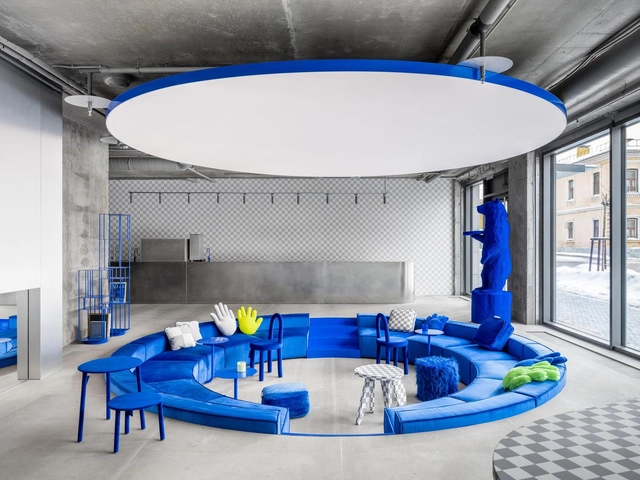
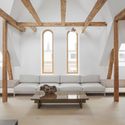
The sofa is a recurring element across a wide range of programs. Defined by the comfort and coziness it provides, its color, shape, and texture help convey the personality of a room while assisting in its layout. We have searched our archives for twenty examples of how this element can add value to a project through different design solutions.
Today, Paulo Mendes da Rocha would have received the highest honor from the International Union of Architects at the World Congress of Architects (UIA 2021 RIO). To mark the occasion, the IAB São Paulo sent a letter to the city's mayor and councilors proposing a tribute to the architect.
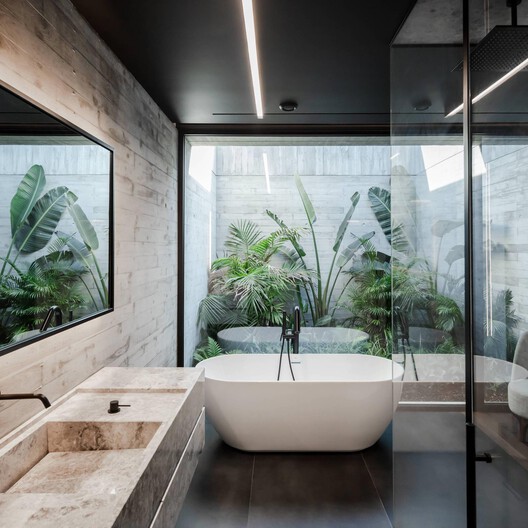
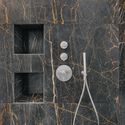
Spending more time at home made many people realize that designing interior spaces goes beyond mere personal "taste"; rather, their environments directly influence our comfort, mood, and quality of life. This perspective has altered how we view the bathroom itself, prompting a search for solutions that liven up this space and rescue it from the standard monotony in which it is typically designed. To that end, we have searched our archives for several examples that break this mold, showcasing spaces that bring more personality to the home and enhance the well-being of their users.
Architecture is realized through design. Professionals who face a blank canvas and fill it with lines that express desire, technique, and beauty know the many challenges inherent in this task. The act of designing involves a complex web of references, knowledge, and culture. Therefore, when we share a project, we know that more than simply showcasing a building, we are telling a story and inspiring the public. In its eleven years of existence, ArchDaily Brasil has published more than 23,000 projects, recognizing the importance of each one and how they help transform visions through what they propose—influencing not only local architecture but also bringing this discussion and inventiveness to the entire world.
This Sunday, September 19, marks National Theater Day in Brazil. As an artistic and cultural medium, theater manifests in diverse spaces, from the stage to the streets. From actors and playwrights to costumes and set design, numerous roles and elements come together to move and captivate the audience. Architecture also plays a vital role, shaping lighting, acoustics, and the relationship between the stage and the audience. Ultimately, in theater, the story is materialized through space. To mark this national celebration, we have selected ten Brazilian theater projects previously featured on ArchDaily Brasil.
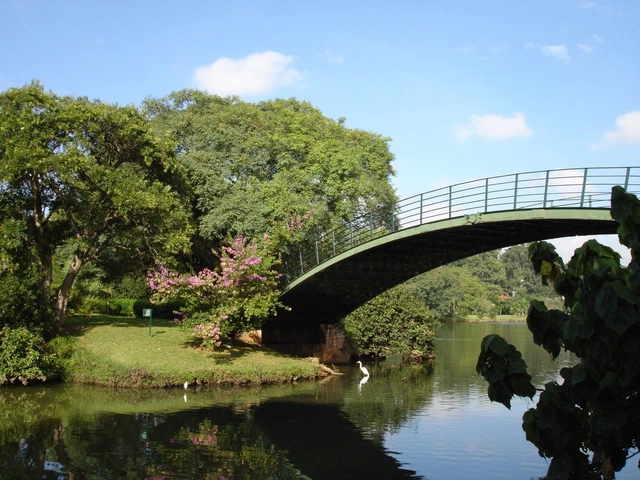
Ibirapuera Park. Photo: Mariana Santos on Unsplash
After a difficult period of isolation, we are finally returning to public spaces. In the search for safe outdoor activities, parks and open-air destinations have become even more prominent. Although São Paulo is famous for being a "concrete jungle" defined by its modern architecture, the city also offers an abundance of green spaces.
Recycling materials in architecture is not just about pursuing sustainable solutions; it is also about engaging with the past by using discarded materials, defying the construction logic long taught in our discipline. Reusing elements allows historical and cultural contexts to resonate through the materiality and symbolism inherent in each piece, further elevating the project's overall concept.
On Saturday morning (27), Ruy Ohtake, son of the Japanese-Brazilian artist Tomie Ohtake, passed away. The São Paulo architect, responsible for several architectural landmarks in the city of São Paulo, had bone marrow cancer, but the official cause of death has not yet been released.
Brennand Studio | Photo: Breno and Gabriel Laprovitera
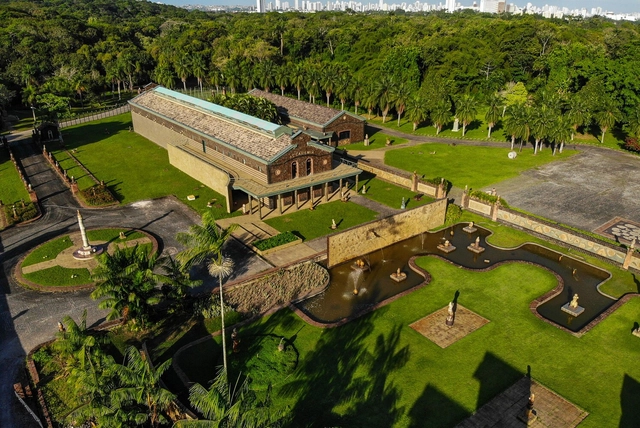
Oficina Brennand, one of Recife's landmarks, was established in 1971 on the ruins of a ceramic factory as a project by artist Francisco Brennand. The monumental 15-square-kilometer complex "became an inspiring source and repository of the Pernambuco artist's history" and is now entering a new institutional phase. It will feature a new master plan proposing interventions in the institute's deactivated spaces, designed by the São Paulo-based firm METRO Arquitetos Associados.
As summer approaches, so does the desire to enhance our homes' outdoor spaces. Whether for sunbathing, enjoying the breeze, or gathering with friends, areas like patios, backyards, and balconies can be highly versatile depending on how they are occupied. With this in mind, we have compiled some essential tips to help you make the most of these spaces.
Before we are drivers or cyclists, we are all pedestrians. Designing safer ways to navigate on foot, while also offering opportunities for leisure and contemplation for passersby, means conceiving a fairer city that offers a better quality of life—one that respects all its citizens and prioritizes their well-being. Accordingly, we have gathered here several parks, crossings, and pedestrian bridges designed exclusively for non-motorized use.
Another year draws to a close, and with it comes another list reviewing the most memorable moments of the last twelve months. This time, we analyze the photos that garnered the highest engagement (likes, comments, shares, and saves) on ArchDaily Brasil's Instagram.
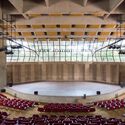
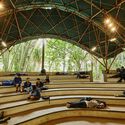
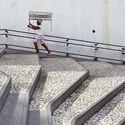
Ever since the classic example of the Piazza di Spagna stairway in Rome – where local citizens gather, fashion shows happen, and tourists make an (almost) mandatory stop – we understand that the possibility of being on different levels contemplating space has great appeal to human sociability. In contemporary architecture, there is no shortage of examples in the use of bleachers to create these meeting places marked by its versatility.
Next, we present 17 projects that have adopted the bleachers as one of its main elements.
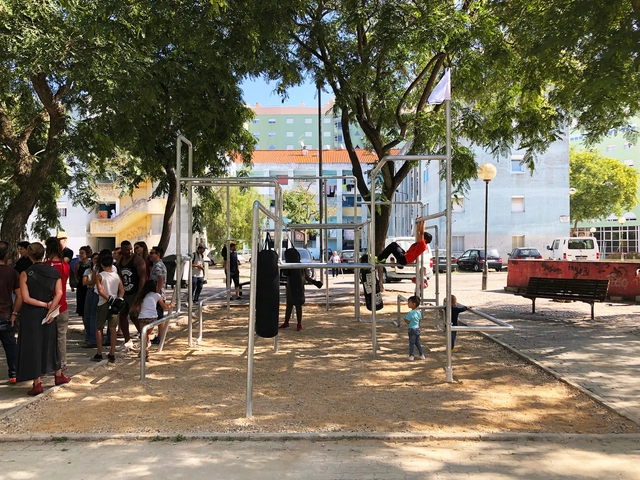
Boxing Boxes is a project resulting from two years of architectural research by Carlos Ortega Arámburo and Daniel de León Languré that combines boxing, as a tool for self-discipline and violence control, with a structure that activates civic space in marginalized areas. For this year's Lisbon Architecture Triennale, the Mexican architect, along with a local interdisciplinary team, installed the equipment in the Portugal Novo neighborhood, in Olaias, Lisbon.
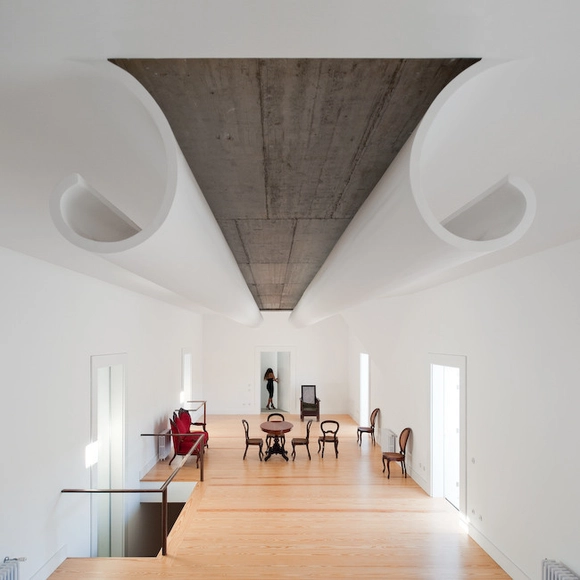
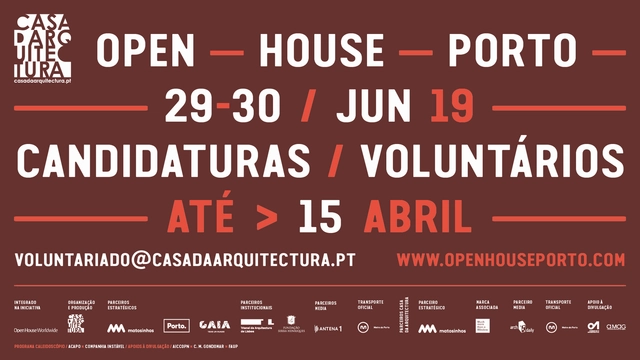
Many buildings pique the curiosity of passersby about what lies behind their doors. Instead of merely imagining the uses and privacy of these typically inaccessible spaces, next weekend—June 29 and 30—visitors will be able to explore the interiors of various architectural works in the cities of Porto, Matosinhos, and Gaia during the Open House Porto festival.
Infinito Vão: Brasil, the series of talks taking place on March 22 and 23 at IMS, is an extension of the program of activities for the exhibition of the same name, currently on view until April 28 at Casa da Arquitectura in Matosinhos, Portugal.
Curated by Fernando Serapião, Guilherme Wisnik, and Nuno Sampaio, Infinito Vão: Brasil will bring together architects, photographers, and cultural managers over two days for a series of talks and debates on the history of Brazilian architecture, its influence on daily and cultural life, and the connections it builds with other artistic expressions.
Following the massive success of the last edition, which recorded 32,000 visits, the dates for the 5th Open House Porto (OHP) have been set. On June 29 and 30, a wide range of spaces in Matosinhos, Porto, and Vila Nova de Gaia will open their doors for free, showcasing the excellence of the architectural heritage of the three cities. This itinerary features 70 spaces, 60 percent of which are new additions opening to the public for the first time. Since its first edition in 2015, OHP has welcomed nearly 100,000 visits.




















.jpg?1549292624&format=webp&width=640&height=580)