Romullo Baratto

Romullo Baratto is an architect with a PhD from FAUUSP and Managing Editor of ArchDaily. He previously coordinated the editorial team of the 11th São Paulo Architecture Biennial and served as Managing Editor of ArchDaily Brasil, where he led the platform to win the FNA Award—the first time the honor was granted to a media outlet. He collaborated on the editing of the book "Concrete Jungle", published by gestalten, and has curated architecture exhibitions in Brazil, Chile, Denmark, and Italy, as well as delivered lectures and moderated debates in Spain, the United States, and Portugal. His doctoral thesis investigates the urban landscapes of São Paulo through cinema. His work spans academic research and editorial practice, communicating architecture through texts, interviews, lectures, curatorship, and photography. Follow him on Instagram @romullobf.

BROWSE ALL FROM THIS AUTHOR HERE

Spatial Education and the Future of African Cities: An Interview with Matri-Archi

Led by architectural designers Khensani de Klerk and Solange Mbanefo, Matri-Archi is a collective based between Switzerland and South Africa that aims to bring African women together for the development of spatial education in African cities. Through design practice, writing, podcasts, and other initiatives, Matri-Archi — one of ArchDaily's Best New Practices of 2021 — focuses on the recognition and empowerment of women in the spatial field and architectural industry.

ArchDaily had the opportunity to talk to the co-directors of the collective on hegemonic space, informal architecture, technology, local idiosyncrasies, and the future of African and global cities. Read the full interview below.
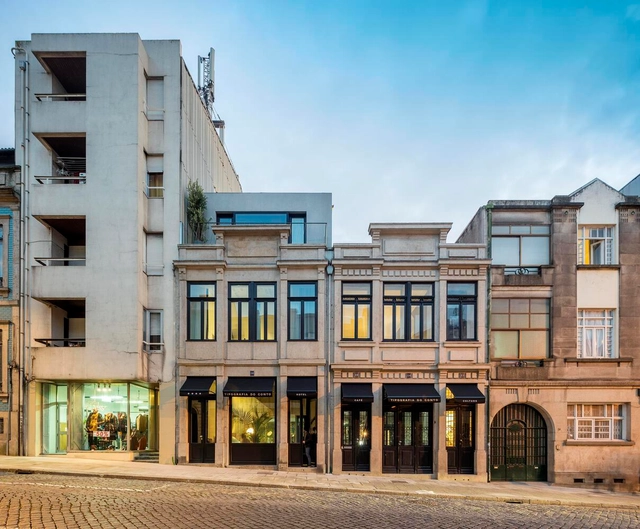
Hospitality as a starting point to discover a city: interview with Pedra Líquida

Subscriber Access | 

No País dos Arquitectos is a podcast created by Sara Nunes, who also runs the architectural film production company Building Pictures. The podcast aims to introduce the professionals, projects, and stories behind contemporary Portuguese architecture. With just over 10 million inhabitants, Portugal is a fascinating country when it comes to this professional field, and its architectural output far exceeds what its population or territorial scale might suggest.

In this episode, Sara talks with Nuno Grande, from the office Pedra Líquida, about Casa do Conto and the Hotel Tipografia do Conto. Listen to the full interview and read an excerpt of the conversation below:

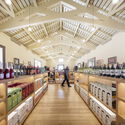
Hospitality as a starting point to discover a city: interview with Pedra Líquida - 1 的图像 4Hospitality as a starting point to discover a city: interview with Pedra Líquida - 2 的图像 4Hospitality as a starting point to discover a city: interview with Pedra Líquida - 3 的图像 4Hospitality as a starting point to discover a city: interview with Pedra Líquida - 4 的图像 4Hospitality as a starting point to discover a city: interview with Pedra Líquida - More Images+ 15

The influence of Portuguese architecture on the work of Studio MK27

Subscriber Access | 

No País dos Arquitectos is a podcast created by Sara Nunes, who also runs the architectural film production company Building Pictures. The podcast aims to profile the professionals, projects, and stories behind leading contemporary Portuguese architecture. With just over 10 million inhabitants, Portugal is a fascinating country when it comes to this professional field, and its architectural output far exceeds what its population or territorial scale might suggest.

In this episode, Sara talks with Marcio Kogan, Diana Radomysler, and Suzana Glogowski of Studio MK27 about the use of the muxarabi (wooden latticework) and the influences of Portuguese colonialism and Brazilian modernism on the firm's work. Listen to the full interview and read an excerpt of the conversation below:

The influence of Portuguese architecture on the work of Studio MK27 - Image 1 of 4The influence of Portuguese architecture on the work of Studio MK27 - Image 2 of 4The influence of Portuguese architecture on the work of Studio MK27 - Image 3 of 4The influence of Portuguese architecture on the work of Studio MK27 - Image 4 of 4The influence of Portuguese architecture on the work of Studio MK27 - More Images+ 18

Rehabilitation Projects and the Reinvention of Place: Interview with Adriana Floret

Subscriber Access | 

No País dos Arquitectos is a podcast created by Sara Nunes, who is also responsible for the architectural film production company Building Pictures. The podcast aims to get to know the professionals, projects, and stories behind contemporary Portuguese architecture of reference. With just over 10 million inhabitants, Portugal is a fascinating country in this professional field, and its architectural output far exceeds what its small population or territorial scale would suggest.

Rehabilitation Projects and the Reinvention of Place: Interview with Adriana Floret - Image 1 of 4Rehabilitation Projects and the Reinvention of Place: Interview with Adriana Floret - Image 2 of 4Rehabilitation Projects and the Reinvention of Place: Interview with Adriana Floret - Image 3 of 4Rehabilitation Projects and the Reinvention of Place: Interview with Adriana Floret - Image 4 of 4Rehabilitation Projects and the Reinvention of Place: Interview with Adriana Floret - More Images+ 8

The importance of designing for different audiences: interview with AND-RÉ

Subscriber Access | 
The importance of designing for different audiences: interview with AND-RÉ - Featured Image
© Fernando Guerra | FG+SG

No País dos Arquitectos is a podcast created by Sara Nunes, who is also responsible for the architectural film production company Building Pictures. The podcast aims to profile the professionals, projects, and stories behind leading contemporary Portuguese architecture. With just over 10 million inhabitants, Portugal is a fascinating country when it comes to this professional field, and its architectural output far exceeds what its population and territorial scale would suggest.

The importance of designing for different audiences: interview with AND-RÉ - Imagen 1 de 4The importance of designing for different audiences: interview with AND-RÉ - Imagen 2 de 4The importance of designing for different audiences: interview with AND-RÉ - Imagen 3 de 4The importance of designing for different audiences: interview with AND-RÉ - Imagen 4 de 4The importance of designing for different audiences: interview with AND-RÉ - More Images+ 3

2022 Building of the Year Award: Meet the Winners

2022 Building of the Year Award: Meet the Winners - Featured Image
© ArchDaily

Last week, we announced the 15 finalists for the 2022 Obra do Ano, an award celebrating the best of Portuguese-speaking architecture by inviting our readers to vote for their favorite projects built in Portuguese-speaking countries. The day has come to announce the winners of ODA 2022.

The 2022 Obra do Ano Award is presented by Dornbracht, an internationally renowned brand for kitchen and bathroom products.

"Architects complicate things, pretend to be artists": Interview with Eduardo Souto de Moura

Subscriber Access | 

No País dos Arquitectos is a podcast created by Sara Nunes, who is also responsible for the architectural film production company Building Pictures. The podcast aims to profile the professionals, projects, and stories behind leading contemporary Portuguese architecture. With just over 10 million inhabitants, Portugal is a highly fascinating country in this professional field, and its architectural output far exceeds what its small population or territorial scale would suggest.

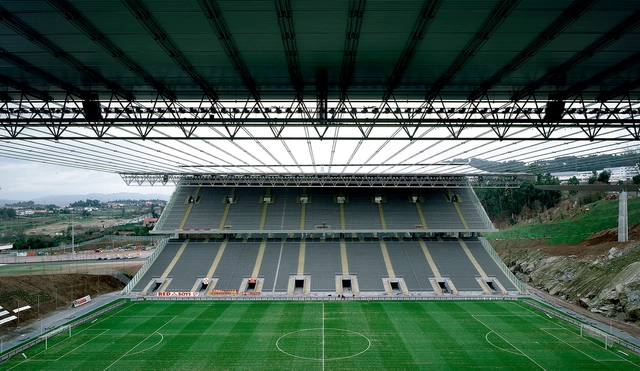
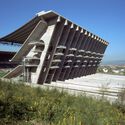
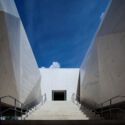
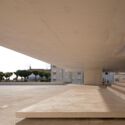
In this episode, Sara talks with architect Eduardo Souto de Moura about the Braga Municipal Stadium. Listen to the full interview and read a partial transcript of the conversation below:

"Architects complicate things, pretend to be artists": Interview with Eduardo Souto de Moura - Imagen 1 de 4"Architects complicate things, pretend to be artists": Interview with Eduardo Souto de Moura - Imagen 2 de 4"Architects complicate things, pretend to be artists": Interview with Eduardo Souto de Moura - Imagen 3 de 4"Architects complicate things, pretend to be artists": Interview with Eduardo Souto de Moura - Imagen 4 de 4Architects complicate things, pretend to be artists: Interview with Eduardo Souto de Moura - More Images+ 11

Biodiversity and the insertion of architecture into the landscape: an interview with João Maria Trindade

Subscriber Access | 

No País dos Arquitectos is a podcast created by Sara Nunes, who is also behind the architectural film production company Building Pictures. The project aims to introduce the professionals, projects, and stories behind leading contemporary Portuguese architecture. With just over 10 million inhabitants, Portugal presents a highly compelling landscape for the profession, boasting an architectural output that far exceeds what its population or territorial scale might suggest.

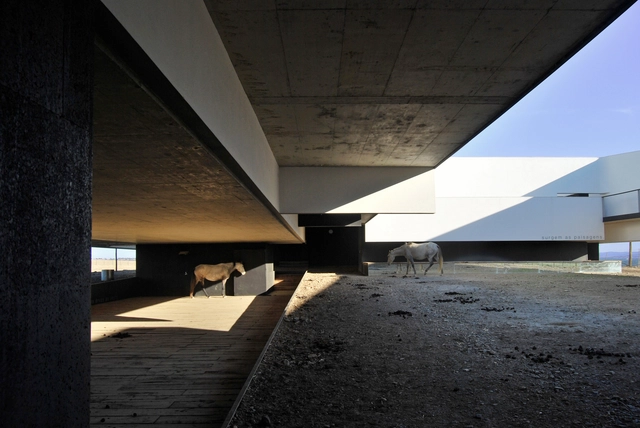
In this episode, Sara talks with architect João Maria Trindade about the Garducho Biological Station and the importance of preserving biodiversity. Listen to the full interview and read an excerpt of the transcript below:

"It’s Not Because You Are Limited in Resources That You Should Accept Mediocrity": Interview with Francis Kéré, 2022 Pritzker Winner

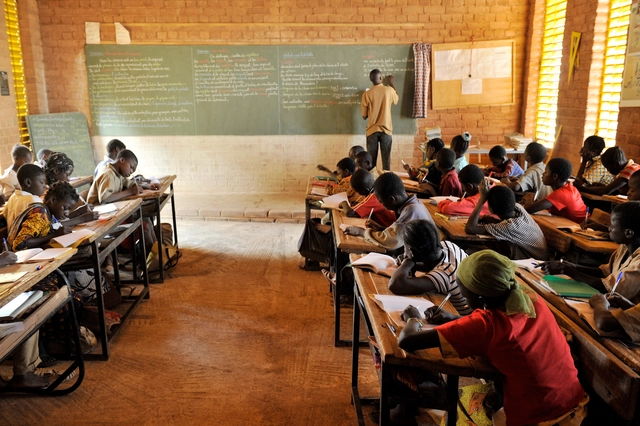
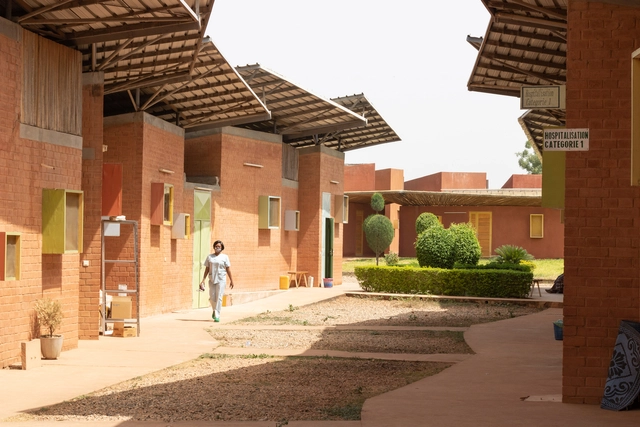
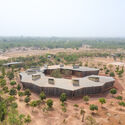
African architecture has received deserved international attention in the last decade and one of the main responsible for this is, undoubtedly, Diébédo Francis Kéré, 2022 Pritzker Prize Winner. Born in Gando, Burkina Faso, Kéré graduated in architecture at the Technische Universität Berlin, in Germany. Today, he maintains branches of his firm, Kéré Architecture, in both countries, through which he seeks to develop works in the "intersection of utopia and pragmatism", exploring the border between Western architecture and local practice.

Known for involving community in the construction process of its buildings, Kéré and his office have developed works that go beyond the conventional limits of architecture and touch on themes such as local economy, migration, culture and equity. We had the pleasure and privilege of talking with the architect about some of his projects and his broader vision on architecture. Read the full interview below.
Who Is Diébédo Francis Kéré? 15 Things to Know About the 2022 Pritzker Architecture Laureate

Subscriber Access | 

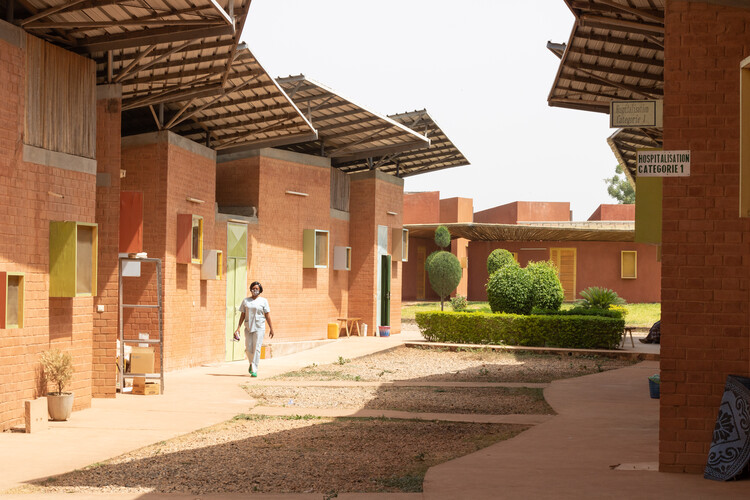
"I just wanted my community to be a part of this process," Diébédo Francis Kéré said in an ArchDaily interview published last year. It's hard to think of another phrase that so well sums up the modesty and impact caused by the newest winner of the Pritzker Prize of Architecture, whose work gained notoriety precisely for involving the inhabitants of his village in the construction of works that combine ethical commitment, environmental efficiency, and aesthetic quality.
Who Is Diébédo Francis Kéré? 15 Things to Know About the 2022 Pritzker Architecture Laureate - Image 1 of 4Who Is Diébédo Francis Kéré? 15 Things to Know About the 2022 Pritzker Architecture Laureate - Image 2 of 4Who Is Diébédo Francis Kéré? 15 Things to Know About the 2022 Pritzker Architecture Laureate - Image 3 of 4Who Is Diébédo Francis Kéré? 15 Things to Know About the 2022 Pritzker Architecture Laureate - Image 4 of 4Who Is Diébédo Francis Kéré? 15 Things to Know About the 2022 Pritzker Architecture Laureate - More Images+ 15

Symbolism, architecture, and a more just city: the Gouveia Palace of Justice

Subscriber Access | 

No País dos Arquitectos is a podcast created by Sara Nunes, who also runs the architectural film production company Building Pictures. The project aims to introduce the professionals, projects, and stories behind leading contemporary Portuguese architecture. With just over 10 million inhabitants, Portugal is a highly intriguing country in this professional field, with an architectural output that punches far above its weight in relation to its population or territorial scale.

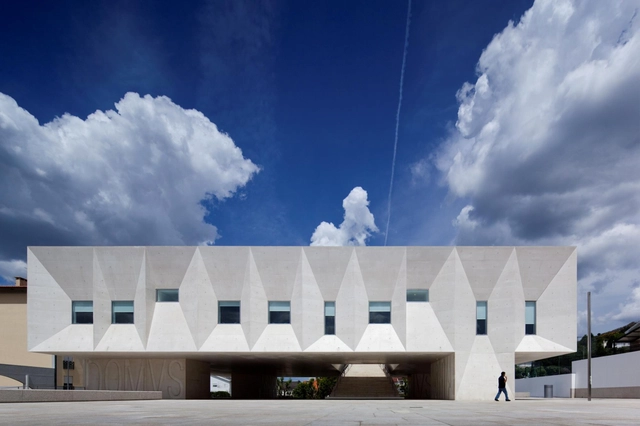
In this episode, Sara talks with architect Pedro Guimarães, from the office Barbosa & Guimarães Arquitectos, about the design of the Gouveia Courthouse (Palácio da Justiça de Gouveia). Listen to the full interview and read an excerpt of the transcript below:

Symbolism, architecture, and a more just city: the Gouveia Palace of Justice - Image 1 of 4Symbolism, architecture, and a more just city: the Gouveia Palace of Justice - Image 2 of 4Symbolism, architecture, and a more just city: the Gouveia Palace of Justice - Image 3 of 4Symbolism, architecture, and a more just city: the Gouveia Palace of Justice - Image 4 of 4Symbolism, architecture, and a more just city: the Gouveia Palace of Justice - More Images+ 16

"Like a fine wine, a building has to know how to age": Interview with Diogo Aguiar

Subscriber Access | 

No País dos Arquitectos is a podcast created by Sara Nunes, who also runs the architectural film production company Building Pictures. The podcast aims to profile the professionals, projects, and stories behind benchmark contemporary Portuguese architecture. With just over 10 million inhabitants, Portugal is a highly compelling country within this professional field, and its architectural output far outstrips what its population or territorial scale might suggest.

"Like a fine wine, a building has to know how to age": Interview with Diogo Aguiar - Imagen 1 de 4"Like a fine wine, a building has to know how to age": Interview with Diogo Aguiar - Imagen 2 de 4"Like a fine wine, a building has to know how to age": Interview with Diogo Aguiar - Imagen 3 de 4"Like a fine wine, a building has to know how to age": Interview with Diogo Aguiar - Imagen 4 de 4Like a fine wine, a building has to know how to age: Interview with Diogo Aguiar - More Images+ 15

ArchDaily Brasil 2022 Building of the Year Award: Voting Now Open

For the sixth time, we are giving our readers the responsibility of recognizing and rewarding the projects that have made the greatest impact on the profession through the ArchDaily Brasil 2022 Building of the Year Award. By voting, you become part of an unbiased network of jurors recognizing the most outstanding projects of the past year.

Over the next three weeks, the collective intelligence of our readers will filter through hundreds of projects from Portuguese-speaking countries—Brazil, Portugal, Mozambique, Angola, Guinea-Bissau, East Timor, Equatorial Guinea, Macau, Cape Verde, and São Tomé and Príncipe—published in 2021, selecting the best works built in Portuguese-speaking territories.

From hundreds of projects published in 2021, readers will choose their favorites, and the 15 projects with the most votes will move on to the second stage of the award.

The 2022 Building of the Year Award is presented by Dornbracht, an internationally renowned manufacturer of kitchen and bathroom fixtures.

“Designing Is Not Drawing, It Is Building”: Interview With messina | rivas

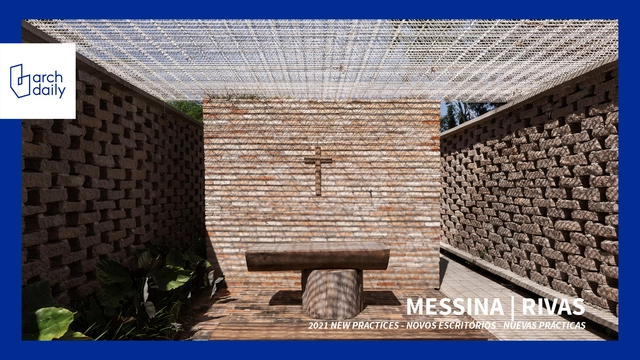
The act of designing implies not only drawing, but building. It carries – or should carry – with it the same rigor and complexity as the execution on the construction site. That's what Francisco Rivas and Rodrigo Messina believe, partners at messina in | rivas, a São Paulo-based firm that has already gained national and international recognition, also selected among the best new practices of 2021 by ArchDaily.

Formed by a Brazilian and an Argentine who met in Paraguay while working at Gabinete de Arquitectura, the office is known for works such as The Chapel Ingá-Mirim, finalist for the Instituto Tomie Ohtake AkzoNobel Architecture Prize 2020 and the Oscar Niemeyer Prize 2020, and São Roque Sauna. More recently, it was elected the winner of the competition for the Maritime Museum of Brazil with the Argentine office Ben-Avid.

“Designing Is Not Drawing, It Is Building”: Interview With messina | rivas - Image 1 of 4“Designing Is Not Drawing, It Is Building”: Interview With messina | rivas - Image 2 of 4“Designing Is Not Drawing, It Is Building”: Interview With messina | rivas - Image 3 of 4“Designing Is Not Drawing, It Is Building”: Interview With messina | rivas - Image 4 of 4“Designing Is Not Drawing, It Is Building”: Interview With messina | rivas - More Images+ 12

“Our Architecture Is Very Hostile and Not Very Hospitable”: Interview With Father Júlio Lancellotti

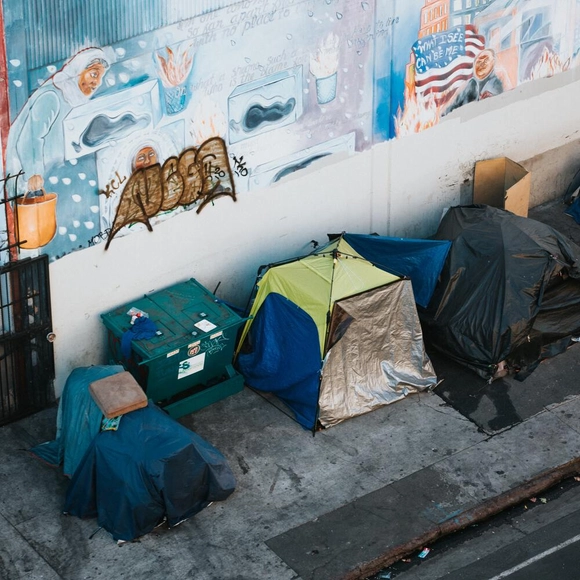
An architectural project conceived from the neoliberal system can only be hostile. That's what Father Júlio Lancellotti, an active figure in actions to support homeless people in São Paulo, says. His work at the head of Pastoral do Povo da Rua has deservedly received the attention of national and international media, as well as being frequently published on his own social networks, drawing the attention of the public and authorities to urgent issues of inequality, invisibility of the most vulnerable and the hostility of our architecture and public spaces.

Austral Studio Wins Ponta Grossa Municipal Market Redevelopment Competition

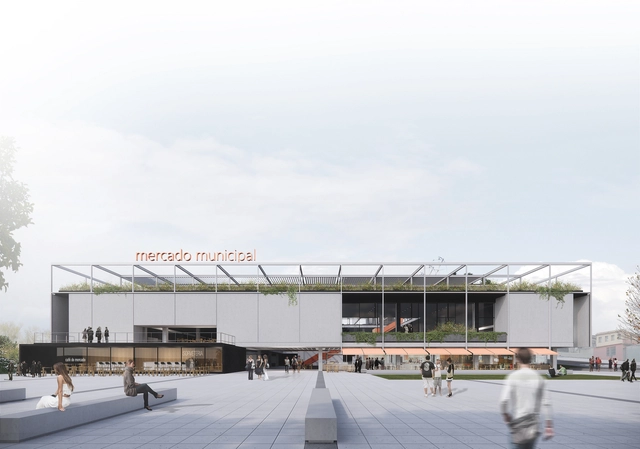
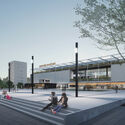
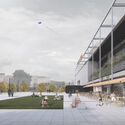
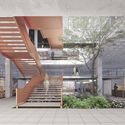
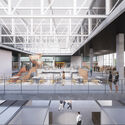
Seeking a more noble purpose for its Municipal Market, the municipality of Ponta Grossa, Paraná, launched a national design competition in September 2021. The site, previously filled with debris and hoarding, will be redeveloped to accommodate 180 commercial stalls, a food court, and parking. Last December, the jury announced Austral Studio, a Curitiba-based office led by architect Henrique Wosiack Zulian, as the competition winner.

Austral Studio Wins Ponta Grossa Municipal Market Redevelopment Competition - 1 的图像 4Austral Studio Wins Ponta Grossa Municipal Market Redevelopment Competition - 2 的图像 4Austral Studio Wins Ponta Grossa Municipal Market Redevelopment Competition - 3 的图像 4Austral Studio Wins Ponta Grossa Municipal Market Redevelopment Competition - 4 的图像 4Austral Studio Wins Ponta Grossa Municipal Market Redevelopment Competition - More Images+ 14

Meet the winners of the 8th Tomie Ohtake Institute AkzoNobel Architecture Prize

The Tomie Ohtake Institute has announced the three winning projects of the 8th Tomie Ohtake Institute AkzoNobel Architecture Prize. The announcement was made via a video on the institute's social media platforms, marking the opening of the exhibition featuring the 13 selected projects of this eighth edition. A total of 178 projects were submitted from 18 Brazilian states and the Federal District, with five of them located abroad (Argentina, France, Italy, Madagascar, and Mozambique).

The invention of the superquadra: Iphan releases a digital book on Brasília's neighborhood units

There are many architectural and urban planning qualities that justify Brasília's inclusion on UNESCO's World Heritage list, and perhaps the invention of the superquadra is one of the most overlooked. The structural module of the residential sector proposed by Lucio Costa, the superquadra does not exist solely for housing; it is part of a larger whole, the modern city, contributing to the enjoyment, harmony, and coexistence of its residents.