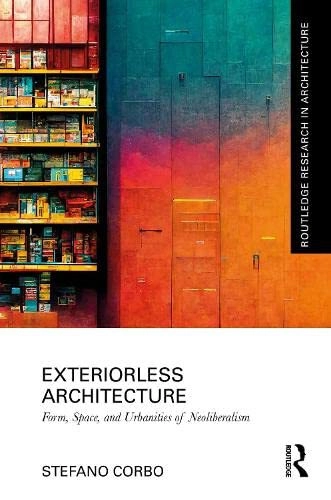
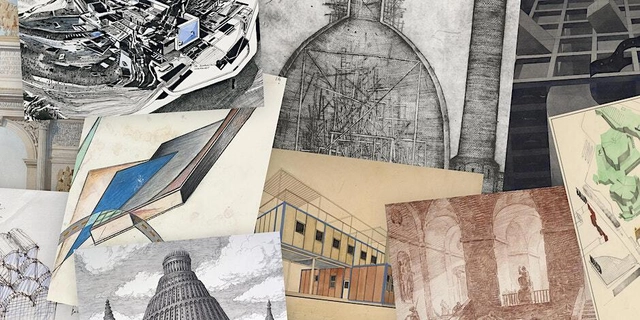
The current phase of capitalist development manifests itself through a very diverse range of spatial byproducts: data centers, warehouses, container terminals, logistics parks, and many others. Generally considered as mediocre and banal examples that sit outside of pre-established disciplinary canons, these architectural episodes are extremely relevant. They are relevant not for their aesthetic or historic qualities but for what they represent – for the system of values these spaces embed. They express specific power relations, exacerbate issues of labor, and generate dramatic processes of subjectivity. Most importantly, these architectures, despite their formal and typological heterogeneity, belong to a common paradigm: the EXTERIORLESS.
Following the success of the first two editions of the "Jaime Lerner Scholarship," IAAC, in collaboration with Redes, is launching the third edition. This year, the scholarship is open to professionals from all Latin American countries to study our Online Master in Cities: The Next Urbanism for the 2023/2024 academic year. Through this initiative, IAAC reinforces its commitment to supporting young architects in their efforts to specialize and contribute effectively to improving the cities in their respective countries.
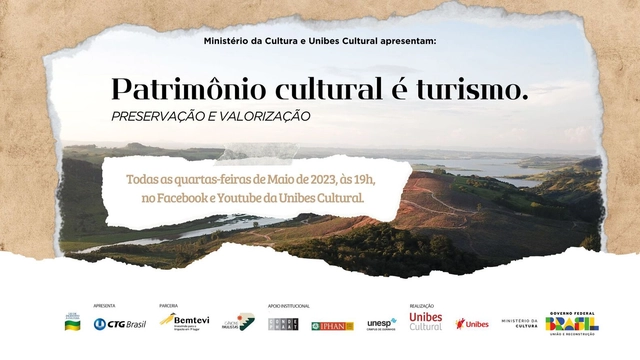
Throughout the month of May, Unibes Cultural, in partnership with the Cânions Paulistas association, will host a series of panels to reflect on and propose paths for the preservation and appreciation of cultural heritage, focusing on the Angra Doce tourist region and its 15 municipalities surrounding the Chavantes reservoir.
What would we like our city to look like? Is neuroarchitecture an essential factor in designing healthier, more productive, and more pleasant spaces for people? These are just a few of the questions to be addressed at the 9th International Architecture and Design Fair, 100 Showrooms, which returns to Espacio Riesco in Santiago, Chile, in 2023 to discuss and showcase current market offerings, as well as technologies and innovations in architecture, design, and interior design.
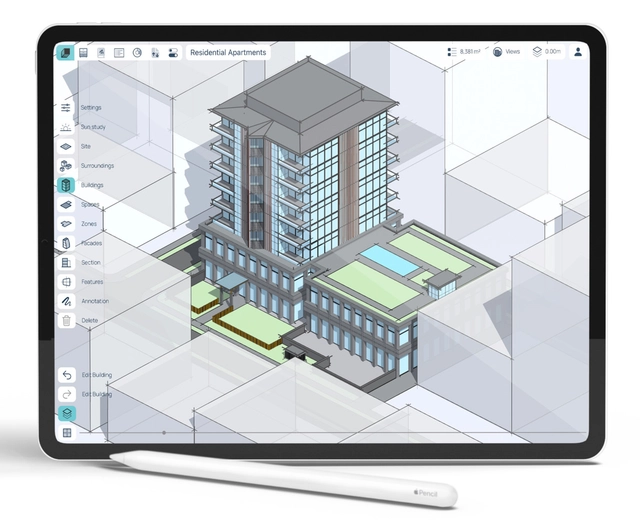
Collaboration serves as a cornerstone of Building Information Modeling (BIM). By uniting clients and design teams on a unified platform, we can foster more efficient communication, ultimately enhancing design outcomes and guaranteeing fast project completion. Consequently, real-time multi-user collaboration (akin to Figma) represents a crucial advancement for the Architecture, Engineering, and Construction (AEC) industry.
Snaptrude facilitates this seamless collaboration between design teams and clients in a wide range of formats, including AutoCAD drawings, SketchUp models, PDFs, and images. Moreover, users can easily exchange design models between Revit and Snaptrude through a bi-directional linking feature, streamlining the entire design process.
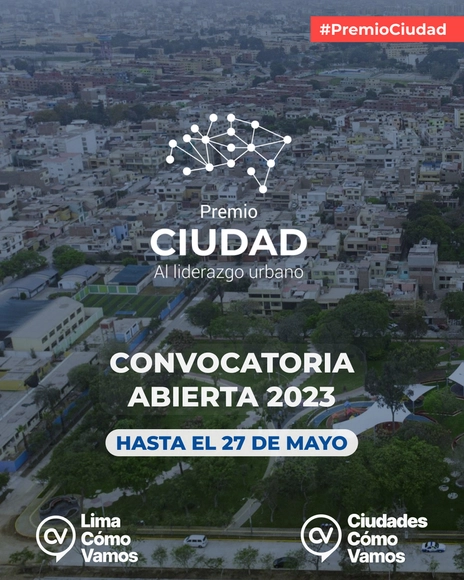
To recognize the sustained efforts of thousands of individuals and organizations working within the public and private sectors, as well as citizen movements, on high-impact initiatives that benefit the country's cities, Lima Cómo Vamos is launching the call for entries for the 5th City Award for Urban Leadership.
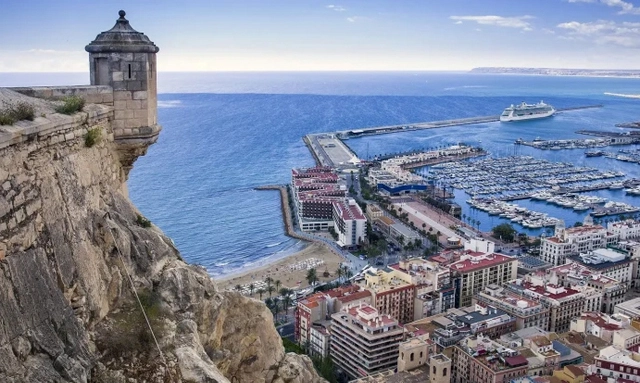
The city of Alicante, the provincial capital and the fifth most populous city in Spain, boasts a privileged climate, an exceptional location, magnificent infrastructure, and extraordinary connectivity. With its airport—the fifth busiest in Spain by passenger volume—and its high-speed rail connection to Madrid, the city is a continuously developing technological and service hub that also hosts the European Union Intellectual Property Office, the registry for EU trademarks and designs.
Concepting is all about the early stages of the design process. A process where architects need to explore, think, make, create and express. It is not a linear process with a defined start and end point but rather a circular/iterative process. It involves testing and rejecting. Sometimes an entire concept will be 'thrown away', while at other times, the architect will keep and discard parts and continue to evolve.
The work of lead architects is essential during the concepting stage, where their experience and vision allow them to set the project's parameters and overall design intent. By enabling architects to spend more time in this stage, with more data and feedback, Spaces contributes to creating better project outcomes and architects who can spend more time doing what they do best and enjoy the most.
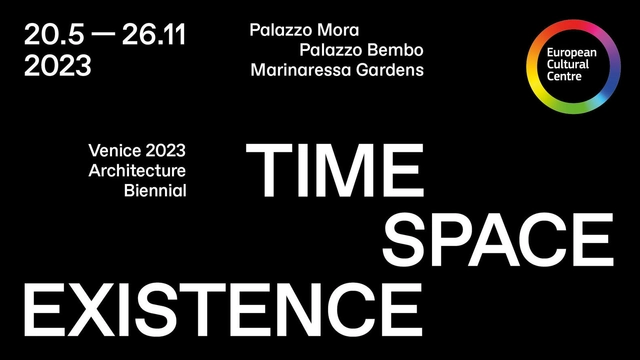
The European Cultural Centre (ECC) is pleased to present the sixth edition of its extensive biennial architecture exhibition titled Time Space Existence. This year the group show stands on the notion that our home, our surroundings, and our planet are under pressure, urging us to work together to explore a sustainable way forward. A total of 217 projects will be presented from the 20th of May until the 26th of November, 2023, at Palazzo Bembo, Palazzo Mora and the Marinaressa Gardens, in the heart of Venice, Italy.
Porto Alegre and its 8 Planning and Management Regions
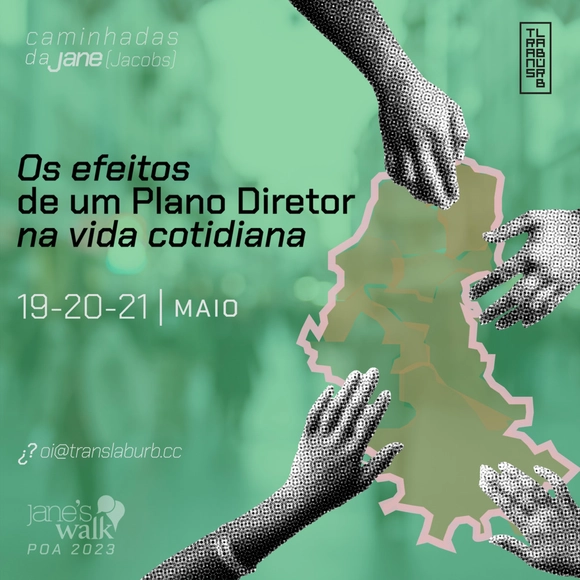
In light of the highly contentious revision process of Porto Alegre’s Master Plan, the sixth edition of this micro-walking festival will focus on "the effects of a Master Plan on daily life." We believe it is urgent to bring the public closer to this crucial debate, opening up different fronts of resistance—both in legal and administrative spheres and in the social field—to renegotiate a desirable city, far beyond the neoliberal, consumption-oriented, and individualistic model that sectors of the public administration and the private sector seek to impose upon us.
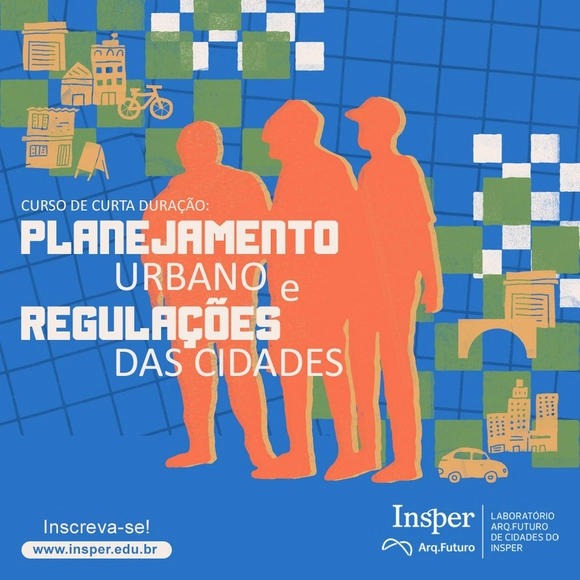
São Paulo, 2023 – Insper, through its Arq.Futuro Cities Laboratory, has opened registration for the first cohort of the live online course "Urban Planning and City Regulations." In this course, students will examine the Municipal Master Plan model—the primary regulatory instrument for cities—building the repertoire and critical perspective needed to update it to improve urban territories, a project currently being undertaken by various cities across the country due to legal requirements.
The Project Workshop at the Faculty of Architecture of the Universidad Católica de Córdoba offers a study program for architects and advanced students looking to deepen their critical thinking and project production within the contemporary cultural and professional landscape. The course is designed as a comprehensive experience that incorporates cultural activities complementary to the discipline.
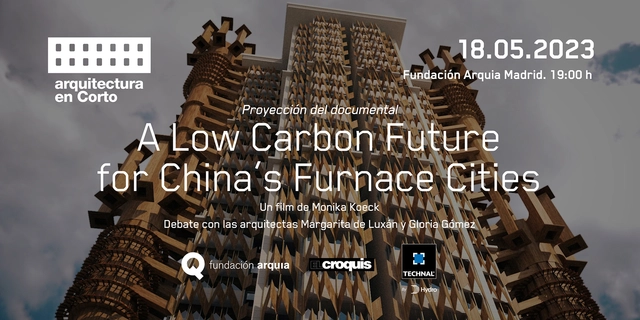
On May 18 at 7:00 PM, Arquitectura en Corto invites you to the Fundación Arquia in Madrid (Tutor, 16) for the screening of “A low carbon future for China’s furnace cities,” a documentary about an international research group’s project. The initiative proposes intervening in China’s massive existing building stock by installing a passive system that captures high-altitude air currents and channels them into homes to improve thermal comfort.
An element of nature characterized by varied textures, distinct tones, and diverse compositions, Earth evokes our origins as a symbol of existence. Firm and consistent, this force represents the solidification of particles into rock formations, precious stones, and structures over time. This serves as the starting point and theme for the eleventh edition of MADE – Mercado Arte e Design. For the second time, the event will be held at the new Complexo Pacaembu, running concurrently with the ArPa art fair from May 31 to June 4, 2023.