Award-winning architect Nicolas Valencia is the former Head of Editorial at ArchDaily, leading a global editorial team ---- @nicolasvalencia.cl | nicolasvalencia.cl | hellonicolasvalencia@gmail.com
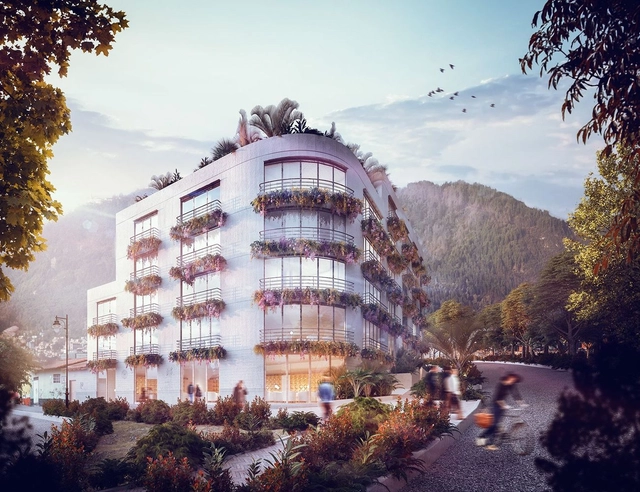
Renowned for his work with guadua bamboo, Colombian architect Simón Vélez will build his first steel project in Bogotá, according to the local newspaper La República.
The project, named La Primera, is a residential building in the La Candelaria neighborhood of the Colombian capital, and will feature 60 one- and two-bedroom apartments. Joining Vélez on the project are the firm A Korn Arquitectos, the construction company Kandelaria, and Geografía Urbana as urban planning consultant.
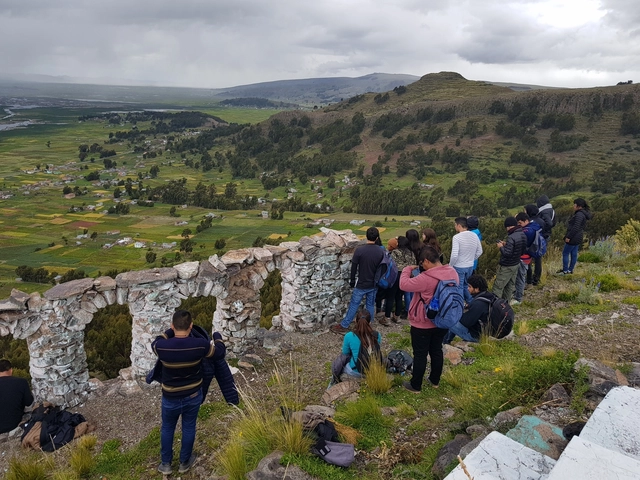
On the shores of Lake Titicaca, nearly 250 students from 15 countries kicked off TSL Puno 2018 in Peru, marking the 15th edition of the Latin American Social Workshop, led by the Latin American Coordinator of Architecture Students (CLEA) and the Peruvian Organization of Architecture Students (OPEA).
Continuing a tradition that began in 2002, architecture students from across Latin America are joining forces with public and private entities, architecture collectives, workshop leaders, faculty, and members of civil society to conceptualize, design, and build public amenities across the Spanish-speaking world.
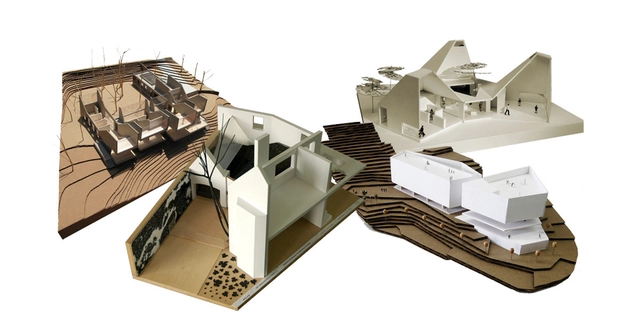
There are now more than 350 Colombian projects published on ArchDaily. To celebrate this milestone, we have curated a selection that highlights the invaluable role of architectural models in conceptualizing, designing, and constructing contemporary Colombian architecture.
Far from the photorealism now achieved by 3D rendering specialists, the physical model endures as a critical tool for conceptual, spatial, structural, and constructive exploration, as showcased in the following selection:
On December 20, the final curating process for the first edition of the National Essay and Research Competition, Arquitectura Escrita 2017, took place at the national headquarters of the Colegio de Arquitectos de Chile.
Organized by Grupo Arquitectura Caliente and co-organized by Ediciones ARQ, the competition awarded the 20 best articles among the 87 proposals submitted in the undergraduate and graduate categories, representing 18 architecture schools across 9 different Chilean cities.
The competition was directed by Gabriela García de Cortázar and featured a jury of 30 prominent academics and professionals who formed the Evaluation Committee. All the articles will be published digitally soon and compiled into a book available for pre-order at this link.
"How do Chileans live?" is the question directors Joaquín Mora and Verónica Wüst seek to answer in the series Habitar, which portrays the current reality of housing in Chile through the intimacy of their homes.
On October 22, the nine-episode series will launch on the official website of Proyecto Habitar and on ArchDaily en Español. It will also premiere on Thursday, October 26, as part of the Arqfilmfest programming.
Videos
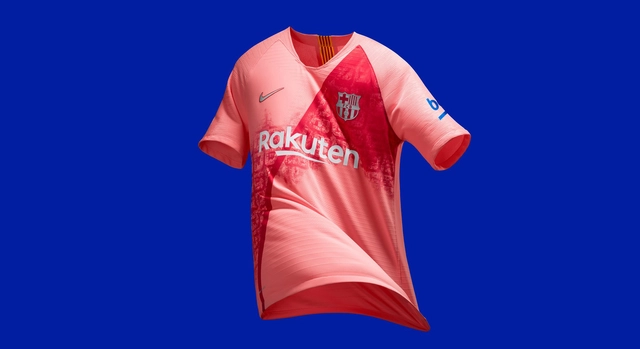
Barça's third kit for the 2018/2019 season. Image via FC Barcelona on Twitter
Barça’s history is closely tied to Barcelona, the city where the soccer club was founded in 1899. Today, the reigning Spanish league champions paid tribute to the city with the launch of their third kit for the 2018/2019 season.
The third jersey features a pale pink color crossed by a diagonal sash running from the left shoulder to the bottom right. The stripe pays tribute to Avinguda Diagonal, one of Barcelona's most important avenues, and is superimposed on a reddish-toned satellite image of the Eixample district.
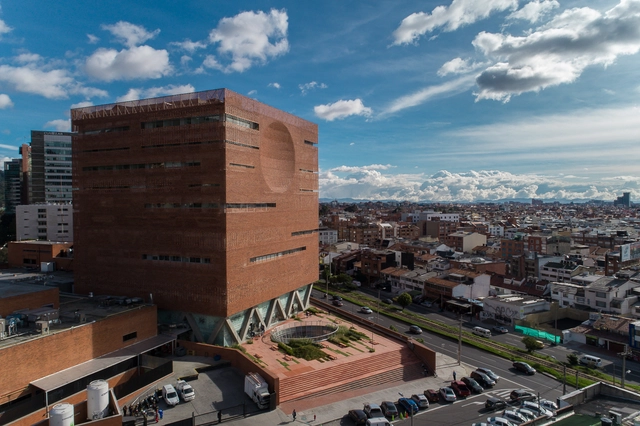
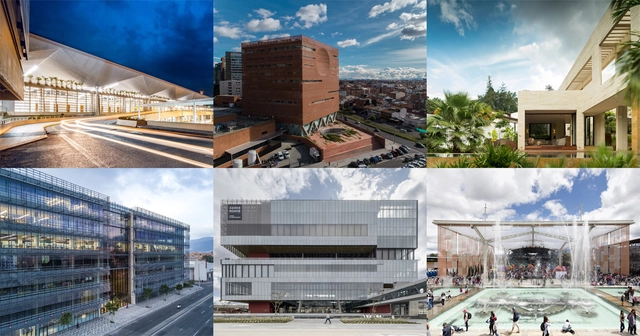
Designed by El Equipo de Mazzanti, the Fundación Santa Fe de Bogotá has been selected as the winner in the 'Healthcare Architecture' category of the 2018 Building of the Year Awards, making it the only Colombian project—and one of only two Latin American representatives—to win in the competition organized by ArchDaily, the network of websites to which ArchDaily Colombia also belongs.
The Building of the Year Awards are presented annually to the best projects published on our English-language edition—the most visited architecture website in the world—with winners chosen by the readers themselves, who can vote across 15 typological categories in two stages. In this edition, the competition reached 100,000 votes from around the world within a two-week period.
The Jury of the XXVI Colombian Biennial of Architecture and Urbanism has presented the list of projects and publications selected for the next edition of the event, which will be held once again in Cartagena this year.
Divided into eight categories, the 283 submitted projects were evaluated by an international jury comprised of Iñaqui Carnicero (Spain), Alejandro Beals (Chile), and Fabián Farfán (Bolivia), alongside local architects Germán Fonseca, Julián Rincón, Sara Giraldo, and Diego Aguilera.
The 108 finalist projects for the upcoming Colombian Biennial are:
The opening of new muffin shops and cereal bars in Madrid is more than just anecdotal. For Iñaki Domínguez (b. 1981), who holds a degree in Philosophy and a PhD in Cultural Anthropology, this reveals the urban impact of a mass phenomenon known in Spain as moderneo (the trendsetter scene) and its most recent, caricatured incarnation: hipsters.
With Madrid's Malasaña neighborhood as a backdrop, Domínguez delivers an intense, absorbing, and remarkably fresh essay in Sociología del Moderneo (Melusina, 2017). He analyzes this subculture through sociological theory, pop culture references, and his own experience in Madrid's underground scene among punks, indies, ravers, and grunges.
The radical social and economic transformation that turned Malasaña into a neighborhood of cupcakes, hipster barbershops, and cereal bars will likely sound familiar to Latin American readers: La Magdalena in Bogotá, Barranco in Lima, and Barrio Italia in Santiago. "These are global identities shaped by the internet and mass media," Domínguez explains in this Skype conversation with ArchDaily.
As you know, ArchDaily has joined forces with Spotify, the world's largest music streaming platform. From the start, we have been sharing our own playlists for those moments in the lives of all architects. We have also invited architects from Latin America and Spain to share the music that inspires them, or better yet, the sounds that have shaped their careers.
In this installment of ArchDaily en Español + Spotify, we share an ad hoc playlist to close out the year: Fiesta para Arquitectos. A constantly updated playlist to get the party started... while you edit your plans.
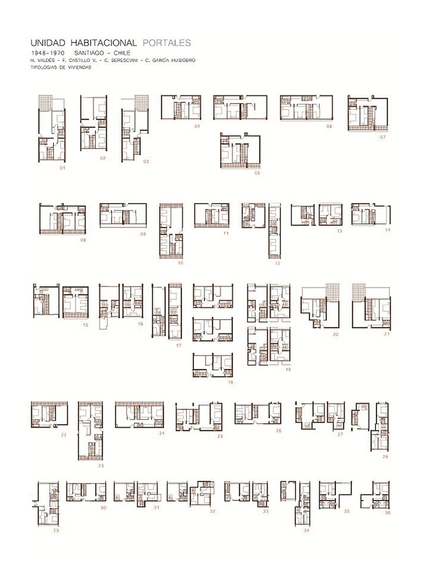
A mint that became the government palace of Chile. A pavilion in Paris that became a children's museum. The first work of the Modern Movement in Chile, and a revolutionary urban master plan that never materialized.
These and other examples in our selection of Chilean architectural classics, explained through their floor plans.
via MAMBO - Museo de Arte Moderno de Bogotá / Facebook
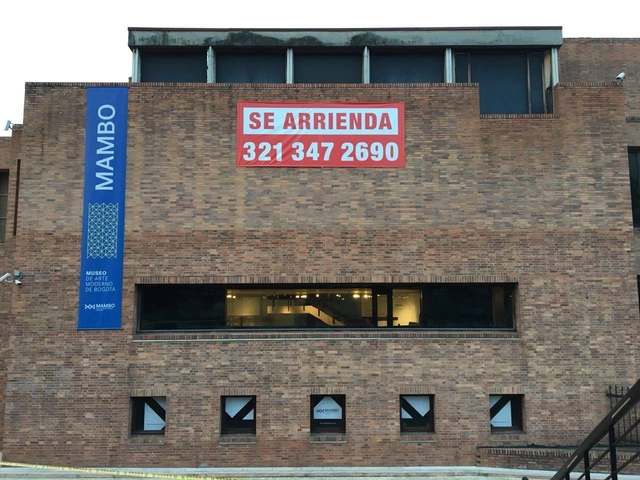
Designed by Rogelio Salmona, the Bogota Museum of Modern Art (MAMBO) appeared on Monday morning with a "For Rent" sign on its facade, drawing the attention of local media outlets like Dinero and La W.
The latter contacted the phone number listed on the sign and spoke with a Carlos Muñoz, an alleged real estate agent who confirmed that "the museum's spaces, totaling 4,200 square meters, have been put up for rent for 120,000,000 pesos a month" (equivalent to approximately 43,200 USD). The alleged agent provided details about the building's program as if marketing any other real estate listing. Furthermore, as the newspaper Dineroconfirmed, calls to the MAMBO communications office went to a recorded message confirming that Salmona's building was indeed for rent.
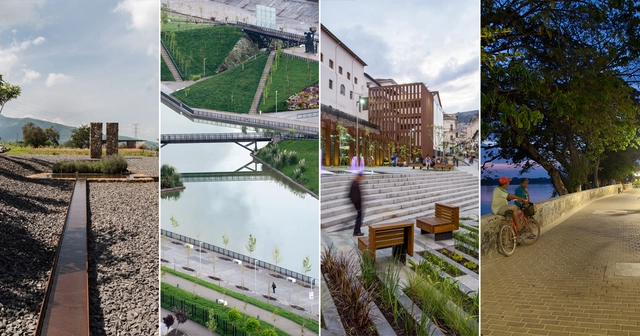
Yesterday, Monday (September 10), the 3rd Latin American Landscape Architecture Biennial announced the finalists for the competition, which will take place in Mexico City on September 26 and 27. Organized since 2014 by the Mexican Society of Landscape Architects (SAPM), the biennial seeks to highlight the role of landscape architecture in shaping the habitat in Latin America, with a particular emphasis on the environmental and social challenges facing the region.
"We seek to encourage participation in landscape construction to showcase the broad and diverse panorama of local interventions that ultimately help define a region sharing common challenges and solutions," the organizers state in the biennial's guidelines.
The 19 built works, unbuilt projects, and research papers meet the biennial's criteria, focusing on projects that respect the landscape and its values, demonstrate a commitment to sustainability, and integrate and address social issues, among other criteria.
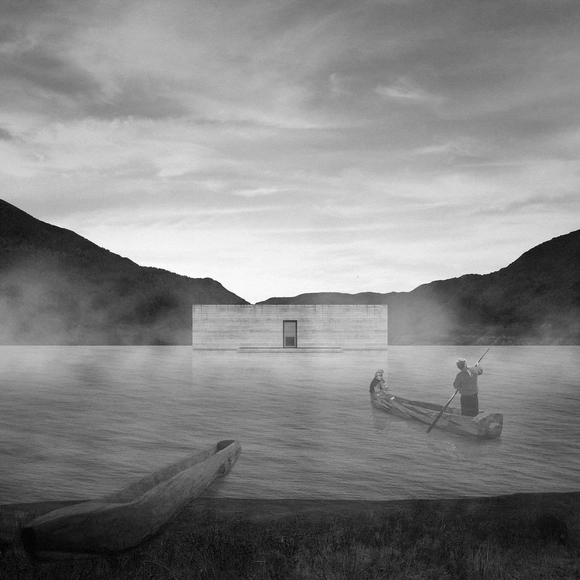
Designed by Fabián Leiva, the Floating Cemetery project was selected as one of the 10 winners in the Thesis Project category of the 2018 Arquitectura Caliente Competition (CAC 2018), a Chilean contest organized by Grupo Arquitectura Caliente and funded by the Ministry of Cultures, Arts, and Heritage.
In 2004, the Ralco reservoir in the Biobío Region was unexpectedly and irreversibly flooded, burying the local Pehuenche community's cemetery beneath its waters. Following years of trying to recover the bodies, studies demonstrated that salvage was unfeasible, leaving the inhabitants helpless in the face of the millions of cubic meters of water separating them from the cemetery. This situation sparked the idea to create a space in memory of a sacred, violated, and unrecoverable site—one that would bring the community closer to their deceased and eternally condemn the event.
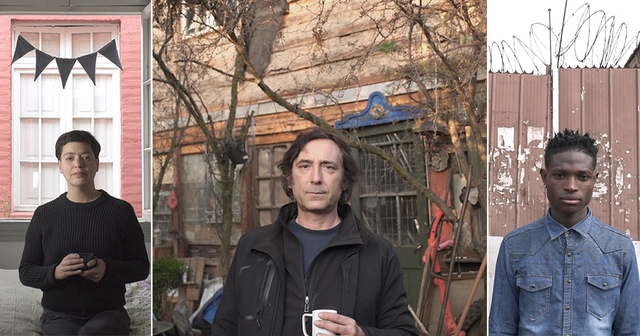
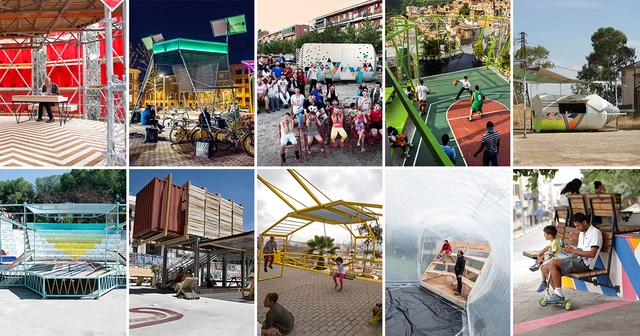
Since the installation of Speculator in 2008 —the year the Spanish real estate bubble burst— the Spanish multidisciplinary collective has been characterized by its collaborative practices, co-production processes, and civic management models. Over ten years, the numbers speak for themselves: 15 countries, 18 agreements, 29 institutions, 43 grassroots organizations, and 96 projects, including Campo de Cebada in Madrid and the La Y Cultural Hub in Caracas (Venezuela), as part of the government project Espacios de Paz.
TXP explains their methodology: "We start with a preliminary diagnosis that allows us to understand the keys, codes, and particularities of each process. We then define a context for collaborative design where the proposal is prototyped based on collective interests."
"In our practice, we propose a dynamic combination of scopes that tailors the project based on available parameters, allowing us to define a consensus-driven model that responds resiliently. We establish frameworks for collective construction that foster learning environments, serving as tools for civic appropriation and empowerment. Finally, we design management models that address the specific needs of each case, establishing protocols for use and maintenance," they add.
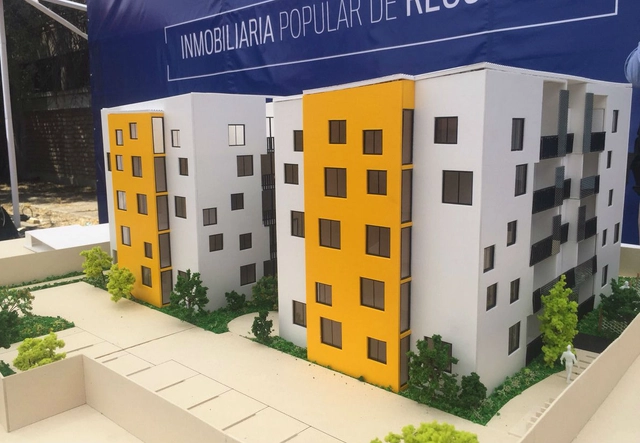
Cortesía de Servicio de Vivienda y Urbanismo de la Región Metropolitana (Serviu RM)
Earlier this week, the mayor of the municipality of Recoleta (Chile), Daniel Jadue, announced the creation of a municipal real estate agency. The initiative, unprecedented in the South American country, consists of the construction of two 5-story buildings with a total of 38 apartments of 55 square meters, available for rent to vulnerable families in the municipality.
According to a report by 24 Horas, the newscast of Chile's state-owned television channel, one out of four families in the municipality shares a home with another household, a common phenomenon in Chile known as allegamiento (cohabitation). At the same time, Recoleta is experiencing rapid residential densification due to saturation and rising costs in neighboring municipalities such as Santiago Centro and Providencia.
After two editions at the Parque Cultural de Valparaíso, the Chilean Biennial of Architecture and Urbanism will return to Santiago in 2019. On Wednesday, June 6, the Mayor of Santiago, Felipe Alessandri, and the President of the Chilean Association of Architects, Humberto Eliash, signed the official agreement during a ceremony at the Mercado Matadero Franklin, which was attended by city council members, Minister of Housing and Urban Development Cristián Monckeberg, undersecretaries, regional authorities, and other officials.
During the ceremony, organizers confirmed that the 21st Biennial will take place in October 2019, with both the Mercado Matadero Franklin and the Teatro Huemul serving as the main venues for the country's premier architectural event.