Content Editor at ArchDaily Mexico. Architect by UNAM (2018). Her interests focus on exploring the relationship of the body with architecture through dance. She has collaborated with different international choreographers who explore dance and architecture as an event. Twitter / Instagram: @monicarellano_
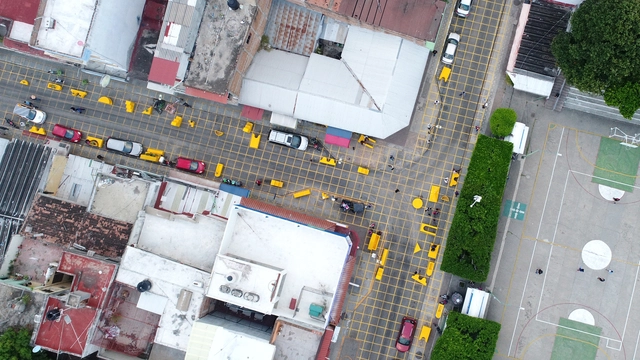
dérive LAB, a multidisciplinary laboratory founded in Mexico, presents "Shared Streets" ("Calles Compartidas")—a project that seeks to spatially transform streets from spaces regulated by traffic control devices to those governed by human relationships. It reminds us that streets are not merely corridors for transit and transport, but places that host a myriad of other social, economic, and cultural activities.
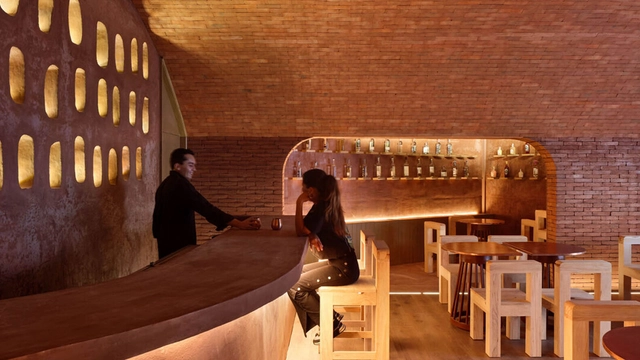
Mezcal is a Mexican beverage that has gained great popularity in the last decade. Its history dates back to pre-Hispanic times when cultures consumed various drinks derived from the agave plant in different ways. During the pre-Columbian period, this plant was used for various purposes, ranging from food to the production of fibers and medicines. However, within the different processes, they discovered that they could ferment and distill the juice of the agave to obtain an alcoholic beverage, which they called "pulque".
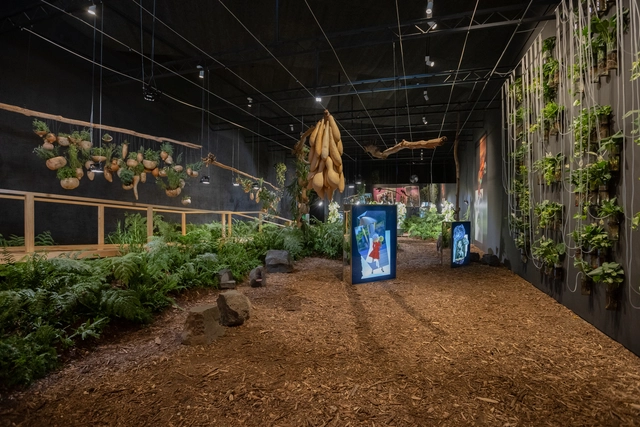
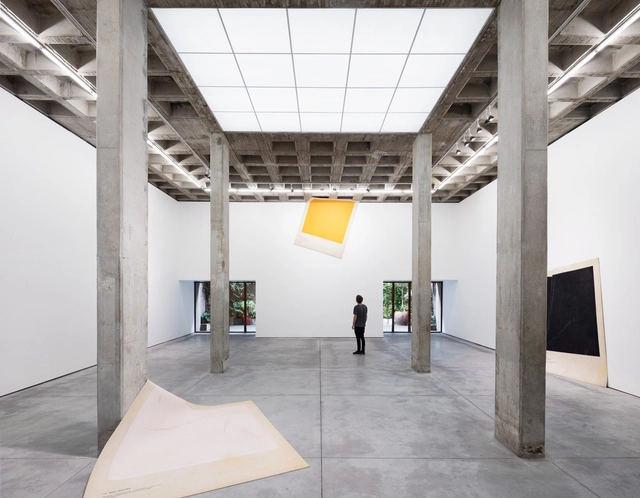
As part of Arte Abierto's new programming in Mexico City, artist Gabriela Galván presents "Modthern Nature," a site-specific installation that transforms the exhibition hall into a natural garden featuring endemic plants from the Pedregal region and a sensory hydroponic system, seeking to foster cognitive, contemplative, and imaginative experiences surrounding nature and our connection to it.
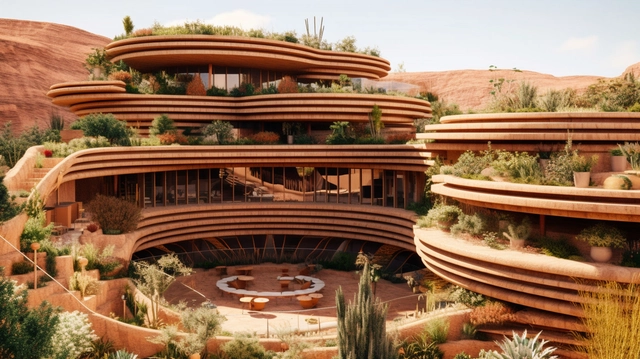
Research and design lab SPACE10 announces the winners from their first ever global design competition to reimagine home — using AI. With over 250 entries from around the world, a panel of 10 globally renowned architects, designers, AI artists, journalists, and creatives reviewed the submissions, and selected four winners.
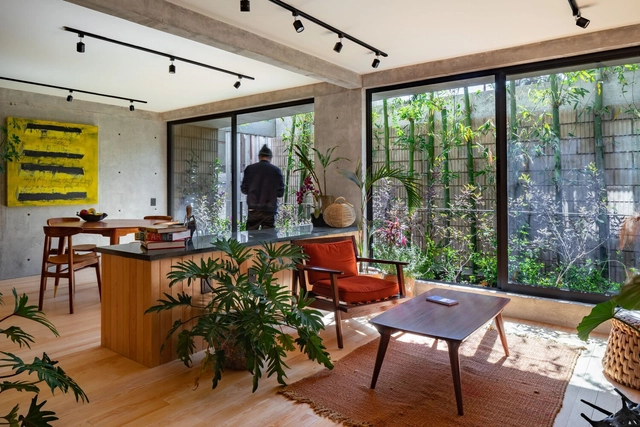
Small homes are a common reality in many urban areas around the world for various reasons. These homes made up of small houses or compact apartments, have become increasingly popular due to the shortage of land and high housing prices in urban areas. Although their size may be limited, contemporary architecture practices focus on intelligent designs to maximize available space and offer comfort to their inhabitants. They often offer efficient layouts, with multifunctional areas that adapt to needs. In addition, some of them integrate innovative design and furniture solutions to optimize space and provide additional storage.
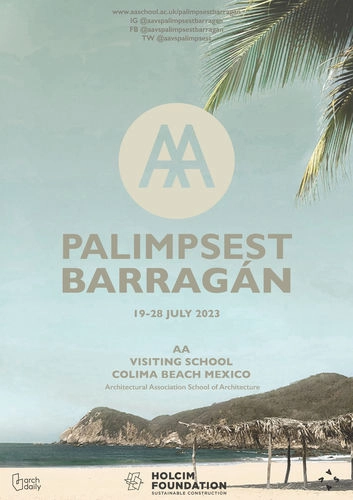
The Visiting School in Colima, Mexico poses a once in a lifetime opportunity to engage with an architectural masterpiece of 20th century modernism by the Mexican architect Luis Barragán. As a hidden and still unknown architectural jewel set amidst a paradisiac jungle on the Pacific coast, the ruins of the never completed building have sunk into oblivion, not unlike the ancient Mexican pyramids, and are currently in progressive decay. The workshop will not only ‘unearth’ the project and at last put it on the map of architectural discourse, but it might even have a larger impact by kickstarting a debate around the preservation of its ruins from disintegration.
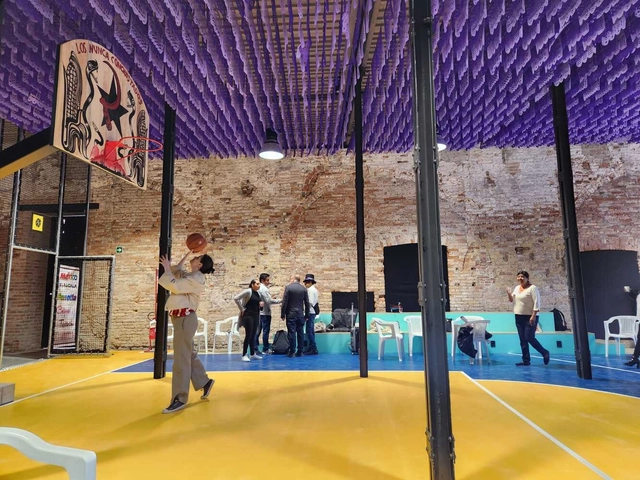
On Thursday, May 18, the Government of Mexico, through the Secretariat of Culture, celebrated the inauguration of the Mexican Pavilion at the 18th International Architecture Exhibition of the Venice Biennale 2023, with the proposal "Utopian Infrastructure: The Campesino Basketball Court". The pavilion, which had an investment of 9,059,600 pesos, aims to invite dialogue and play to engage in conversations about the topics that concern the world of architecture in relation to various aspects of social, cultural, and political life.
Since the earliest civilizations, nature has been a mainstay in serving as a natural habitat for humankind, providing shelter, food, and medicine. In modern times, industrial and technological revolutions took over the landscape, restructuring the way humans interact with nature. However, today, due to the events we have experienced as a society, it is necessary to focus on creating cities and spaces that integrate nature into our daily lives.
As part of an initiative by the Federation of Associations of Architects of the Mexican Republic, a national competition was launched to design an affordable housing prototype in Los Pirules, Celaya, Guanajuato. The Municipal Housing Institute of Celaya (IMUVI) currently holds a land reserve in the northeast of the municipality, where it plans to develop a social housing complex. In collaboration with FCARM, they launched this competition to spark architectural reflection on the potential of social housing and the city. The prototype had to adapt to the post-2022 economic reality and living patterns, focusing on providing constructive alternatives and solutions responsive to the housing complex's urban, sociocultural, and environmental context.
Nearly three years ago, the platform arquitectas.mx was launched as an initiative by Mexican architects Mónica Suberville and Laura A. Gómez. Born from the desire to find ways to support, mobilize, and bring visibility to women in architecture, the platform offers a gathering space for professionals across different practices within the field, aiming to steer the profession toward inclusion, equity, and the improvement of cities through a gender perspective.
As part of a competition organized by Fundación Casa Wabi, in 2021, the design for the "Orchid Pavilion" by the Mexico City-based firm led by Bernardo Quinzaños, CCA Centro de Colaboración Arquitectónica, was announced as the winner. Designed for Casa Wabi, the project is a permanent, sustainable, and lightweight wooden structure dedicated to the conservation of orchids in the Puerto Escondido, Oaxaca region. This proposal establishes a strong relationship between the biological and cultural diversity of the landscape between the sea and the mountains, integrating local artisanal knowledge in ceramics, clay, palm, and wood with the Japanese philosophy of wabi-sabi 侘寂, which seeks wisdom through simplicity.
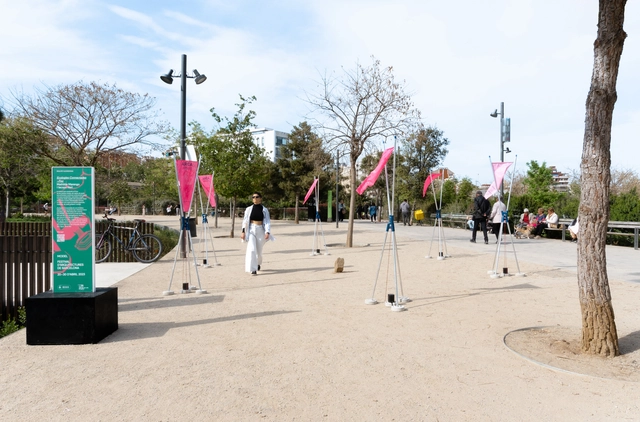
As part of Model: Barcelona Architectures Festival—an event that promotes experimental architecture to reflect on the future of collective life within new metropolitan models and imaginaries, organized by the Barcelona City Council and the Association of Architects of Catalonia (COAC) through the Mies van der Rohe Foundation—various activities took place from April 20 to 30, 2023. This edition featured the participation of Mexican architect Lesly Noguerón Maldonado and architects Diego González Albarrán, Omar Uziel Granados Alejandre, and Zabdiel Ramos Banda, who were internationally selected and awarded in the +Model category for their project “Arca Sonora: entrelazando el paisaje.”
Every year in Mexico City, during the month of February, "Art Week" is celebrated with a series of events that seek to offer experiences in different spaces, mostly museums, cultural centers, or art galleries that join the cultural agenda. This event is important because both the city and these venues become the stage for different contemporary artists who come together to exhibit their work and enrich the dialogue around today's art. It is also a tourist destination that attracts collectors from all over the world.
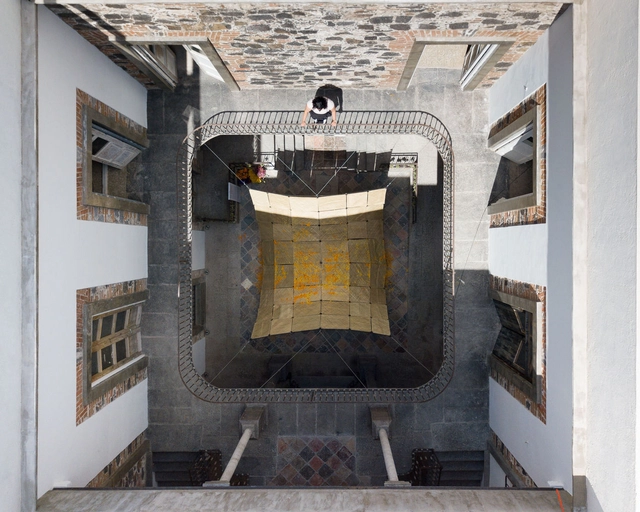
Following an invitation from the Municipal Government of Puebla, Mexico, through the Office of the Historic Center and Cultural Heritage, "Patio Efímero, the festival of contemporary art, architecture, and heritage," better known as "Patio Efímero," will represent Puebla at Berlin Design Week 2023. This year's central theme is resilience; accordingly, the Puebla-based collective responsible for organizing the festival will address the September 19, 2017 earthquake and the COVID-19 pandemic—events that have shaped all three editions of the project.
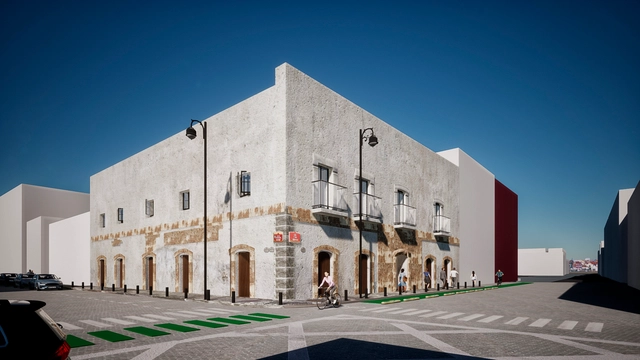
In August 2022, the Puebla City Council, through the Historic Center and Cultural Heritage Authority (GCHPC)—in collaboration with the World Heritage Director's Office of the National Institute of Anthropology and History (INAH), the Puebla Association of Architects (CAPAC), and the Amparo Museum—invited professionals and undergraduate students in design, architecture, urban planning, and related fields to participate in the competition “Rehabilitate and Inhabit: First Ideas Competition. New Perspectives for the Historic Center of Puebla,” which focused on rethinking architectural practices, ways of dwelling in the Historic Center, reclaiming public space, and conserving cultural heritage through active civic engagement.
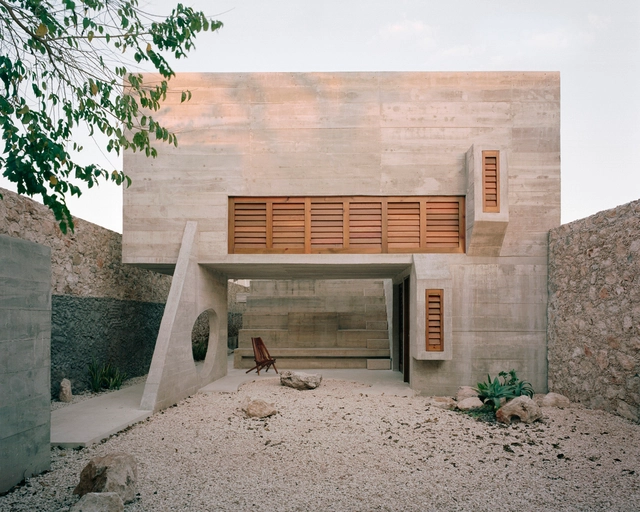
Brutalism is an architectural style that originated in the 1950s and became popular in the 1960s. Its name comes from the French "béton brut," which means "raw concrete," as this material is one of the most characteristic elements of the style. Its main features are the apparent use of concrete, offering visuals where natural texture and tonality are the protagonists of the buildings. Brutalist buildings often have an austere and massive aesthetic, with simple and repetitive geometric shapes. The use of industrial materials and innovative construction techniques is also common in brutalism.
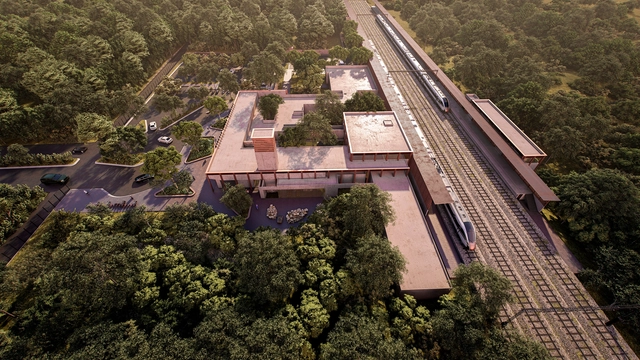
The Tren Maya is an infrastructure project currently being developed by the Mexican government in the country's southeast, involving the construction of approximately 1,525 km of railway lines that will span the states of Tabasco, Chiapas, Campeche, Yucatán, and Quintana Roo. It will offer three types of services: passenger, tourist, and freight trains. The route comprises seven sections: Section 1 runs from Palenque to Escárcega (228 km); Section 2 from Escárcega to Calkiní (235 km); Section 3 from Calkiní to Izamal (172 km); Section 4 from Izamal to Cancún (239 km); Section 5 from Cancún to Tulum (121 km); Section 6 from Tulum to Chetumal (254 km); and Section 7 from Chetumal to Escárcega (287 km).
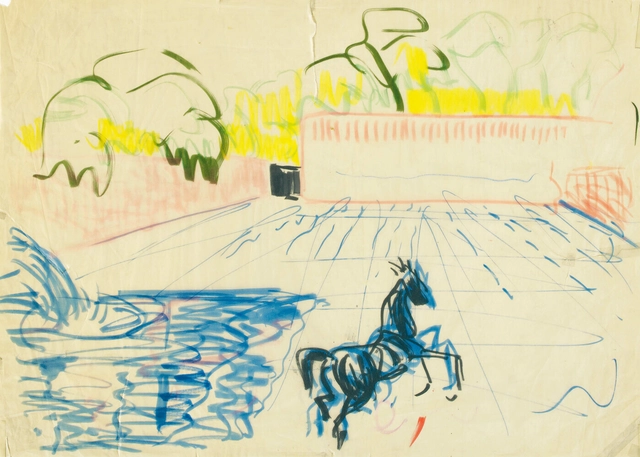
Cuadra San Cristóbal, Los Clubes, Atizapán de Zaragoza, State of Mexico, 1966-1968. Perspective sketch of the main courtyard by Luis Barragán. Image via Barragan Foundation
Two years ago, as part of an initiative by the Barragan Foundation, the launch of the institution's renewed website was announced via its Instagram account. This represented an effort to compile all the information that exists so far from the Barragán Archive that enriches the study of his career, opening up the panorama to understand his trajectory and evolution from a clear chronology, experiments, and collaborations, as well as unrealized or demolished projects. The website compiles these five decades of career, presenting a list of 170 works inside and outside the country that is updated as more material is researched and collected.