Content Editor at ArchDaily Mexico. Architect by UNAM (2018). Her interests focus on exploring the relationship of the body with architecture through dance. She has collaborated with different international choreographers who explore dance and architecture as an event. Twitter / Instagram: @monicarellano_
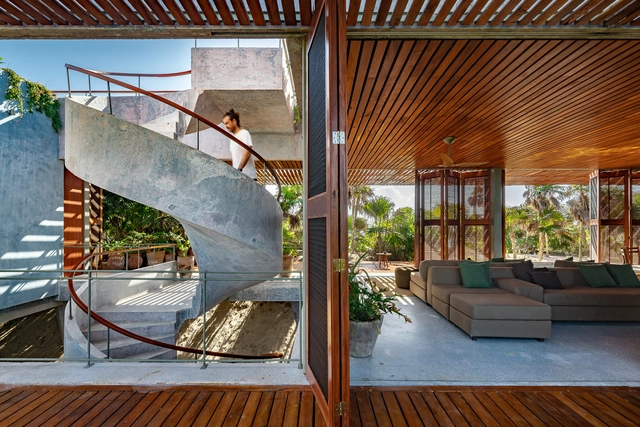
Stairways are central to access and mobility within a space, and yet, they often take a backseat to other elements of design within a work of architecture. However, Mexican firm PRODUCTORA has put them at the forefront of many of their projects, notably the Teopanzolco Cultural Center.
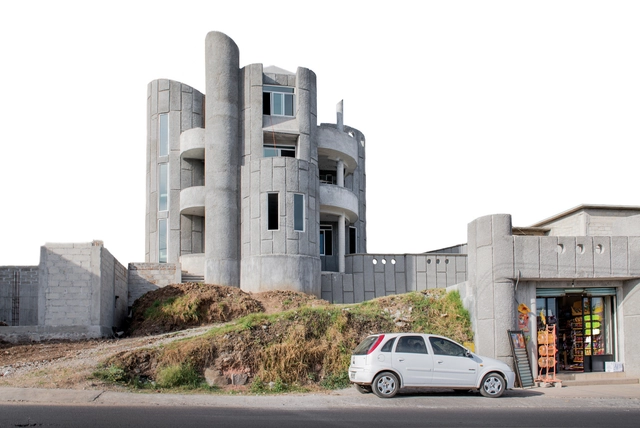
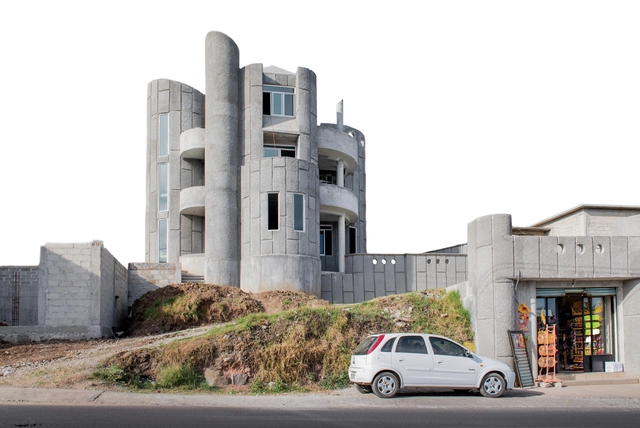
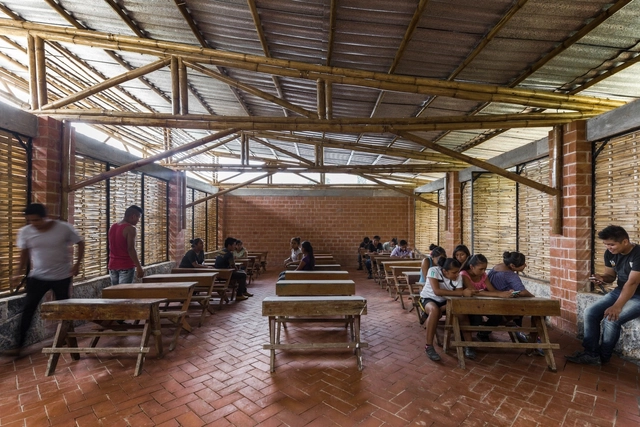
In Mexico, self-construction has been a topic heated debate between its advocates and opponents; however, this doesn't diminish its prevalence throughout Mexico and the world. Over the past few years, initiatives on the part of architects have driven the creation of instruction manuals for do-it-yourself builders as a way to promote health and safety in self-construction and to also provide insight into building materials and techniques. In many ways, the initiative has improved the self-construction process, a fact evident in the increasingly visible creations seen throughout Mexico.
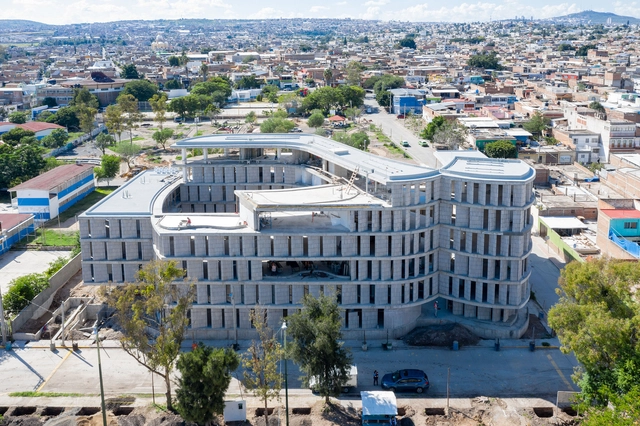
Photographer Iwan Baan captured the construction process of the social housing Las Américas in León, imagined by the New York-based office, SO-IL who collaborated with the Municipal Housing Institute of León (IMUVI) in the design of the development.
We know you're an architecture aficionado and that your passion takes you places that inspire and awe. Even though a visit to the classic tourist sites can result in an amazing trip, visiting lesser-known places can make for an unforgettable experience. It is because of this passion for parts unknown that we have compiled this list of some of Latin America's hidden architecture gems for you to consider as you plan your next trip.
In Mexico, the practice of self-construction remains a divisive topic within the architectural community, with proponents both for and against a practice that is highly conventional and widespread throughout the country. However, though far from a consensus among construction professionals, autonomous building processes are an undeniable reality driven by economic, cultural, and social conditions—a phenomenon that knows no borders. With this in mind, over the last few years, architects have launched a series of initiatives aimed at developing and providing informative materials, support guides, and manuals for self-construction, addressing safety and well-being, and ultimately bringing to light a practice that is increasingly difficult to ignore.
The call for entries for the Third Edition of the Oscar Niemeyer Award for Latin American Architecture, presented by the Network of Architecture Biennials of Latin America, has successfully concluded. A total of 101 works from 12 Latin American countries are participating, with Mexico represented by 30 high-quality and diverse projects—all clear examples of outstanding contemporary architectural production.
One of the most critical factors in architectural design is local climate. While extreme conditions can pose challenges—requiring insulating materials to adapt to changing weather—Mexico's favorable climates work to the designer's advantage, enabling the creation of microclimates and spaces that blur the transition between indoors and outdoors.
The state of Guanajuato is located in the north-central region of Mexico, bordering the states of Zacatecas, San Luis Potosí, Querétaro, Michoacán, and Jalisco. Covering an area of 30,607 km², it is one of the country's most populous regions. Its most prominent municipalities include León, Irapuato, Celaya, Salamanca, and San Miguel de Allende. The latter, designated a UNESCO World Heritage Site in 2008, is characterized by its Baroque and Spanish architecture. Additionally, this city is home to the Parroquia de San Miguel Arcángel, built from the region's characteristic pink cantera stone.
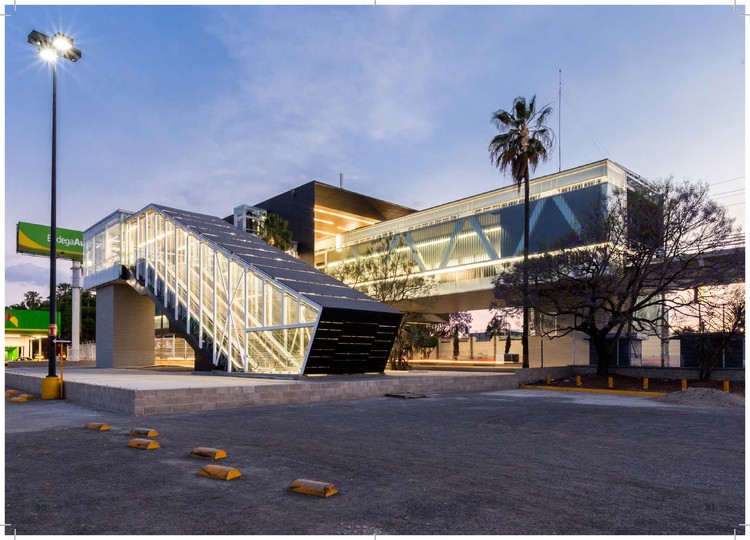
Mi Tren's Line 3 is one of the most significant public transit projects for the Guadalajara Metropolitan Area (AMG), aligning with the Government of Jalisco's commitment to achieving integrated mobility that connects riders quickly, accessibly, and safely. Line 3 will enable travel to the historic centers of Guadalajara, Zapopan, and Tlaquepaque in a single trip. This new light rail system is projected to handle 233,000 trips per day. In addition to serving residential areas, Line 3 is designed to connect key educational, administrative, commercial, and tourist infrastructure.
As part of the annual CEMEX Awards, the recipient of the Arq. Marcelo Zambrano Scholarship has been announced, reaffirming the commitment to the development of architecture in Mexico. CEMEX awards the Arq. Marcelo Zambrano Scholarship in honor of the exemplary professional dedication and leadership of Architect Marcelo Zambrano, aiming to support young Mexicans in pursuing postgraduate studies at prestigious international universities.
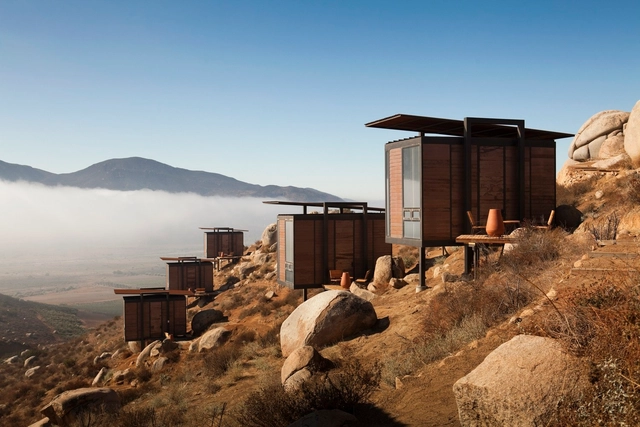
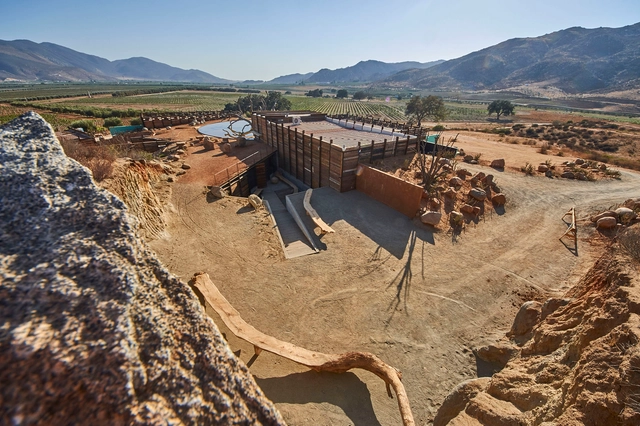
Given its diverse climate and geography, Mexico's wine production has steadily gained recognition in states such as Aguascalientes, Baja California, Baja California Sur, Chihuahua, Coahuila, Durango, Guanajuato, Nuevo León, Puebla, Querétaro, Sonora, and Zacatecas. In these regions, vineyards are increasingly in the spotlight, alongside wine festivals and curated experiences that offer visitors an immersive look into the various stages of production.
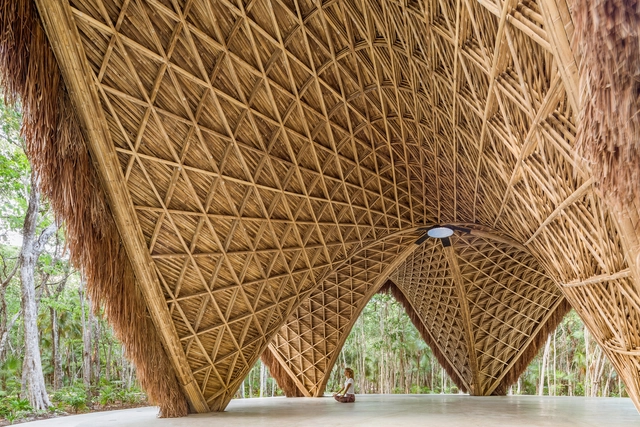
Tulum is a region located in southeastern Mexico, within the geographic boundaries of the state of Quintana Roo. Situated along the Caribbean coast, it forms part of the Riviera Maya. Historically, Tulum was a walled city, which is the origin of its name—meaning "wall" in Mayan, a term coined when the settlement was already in ruins.
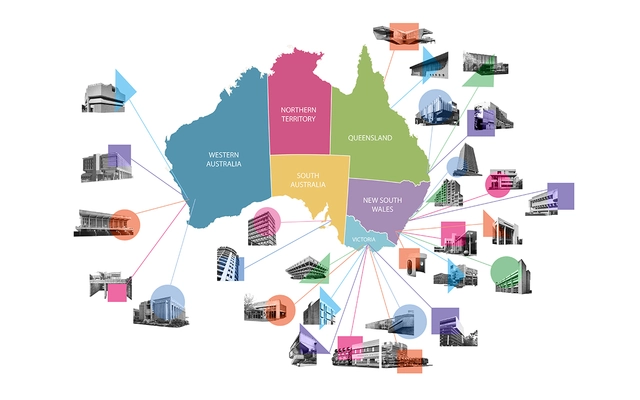
Brutalisim is an architectural movement that emerged in Europe in the 1960s and became one of the most controversial yet popular styles worldwide. This was due to various factors, including its use of raw concrete and, more broadly, its ideals focused on public service through monumental works. Furthermore, it became a new medium for expressing contemporary political stances through functional public spaces.
As the philosopher Byung-Chul Han states: every age has its signature afflictions. These illnesses have represented some of the most significant challenges in human history, bringing drastic changes not only to the healthcare sector but also to economic and political spheres, revealing humanity as a complex network negotiating its daily existence through actions that have reshaped our ways of living and relating to one another.
The Mexican state of Oaxaca is one of the most visited destinations in the country, drawing travelers from around the globe with its rich culinary, cultural, and architectural heritage. Located in the southeastern region of the country, it spans 93,757 km² and is divided into 570 municipalities, making it the fifth-largest state in Mexico.
The state of Baja California Sur is located in northwestern Mexico. It is bordered by the state of Baja California to the north, the Pacific Ocean to the west, and the Sea of Cortez to the east, harboring some of the most stunning landscapes and coastlines in the country. Thanks to its prime location, Baja California Sur is one of the most visited states in the nation.
Located in the country's northwestern region, the state of Baja California Norte borders California (in the United States), Sonora, and Baja California Sur (in Mexico). Along with Baja California Sur, these are the only two Mexican states flanked by the Pacific Ocean to the west and the Sea of Cortez to the east, harboring some of the most breathtaking landscapes and coastlines in the country.
In 2014, a group of friends from Ciudad Juárez, Chihuahua, driven to contribute to their city's resilience and recovery, came together to dialogue and share ideas for reclaiming streets, plazas, and parks through sociocultural projects and urban interventions in public space. This gave rise to Nómada Laboratorio Urbano. Ciudad Juárez is an industrial city located on the northern border with the United States, directly adjacent to El Paso, Texas. Over the years, Juárez's economy has been dominated by the maquiladora industry; the city was also once considered one of the most violent in the world due to a wave of crime between 2008 and 2012.

_copy.jpg?1596150637&format=webp&width=230&height=230&crop=true)














.jpg?1600032057&format=webp&width=230&height=230&crop=true)


.jpg?1599092292&format=webp&width=640&height=580)


.jpg?1599092292)






_22.43.53.jpg?1597908512&format=webp&width=640&height=580)


_22.43.53.jpg?1597908512)
.jpg?1597424114&format=webp&width=640&height=580)


.jpg?1597424114)
.jpg?1597294332&format=webp&width=640&height=580)


.jpg?1597294332)