Mónica Arellano

Content Editor at ArchDaily Mexico. Architect by UNAM (2018). Her interests focus on exploring the relationship of the body with architecture through dance. She has collaborated with different international choreographers who explore dance and architecture as an event. Twitter / Instagram: @monicarellano_

BROWSE ALL FROM THIS AUTHOR HERE
↓
Subscriber Access

Architecture in Mexico: Projects to Understand the Territory of Michoacán

Architecture in Mexico: Projects to Understand the Territory of Michoacán - More Images+ 20

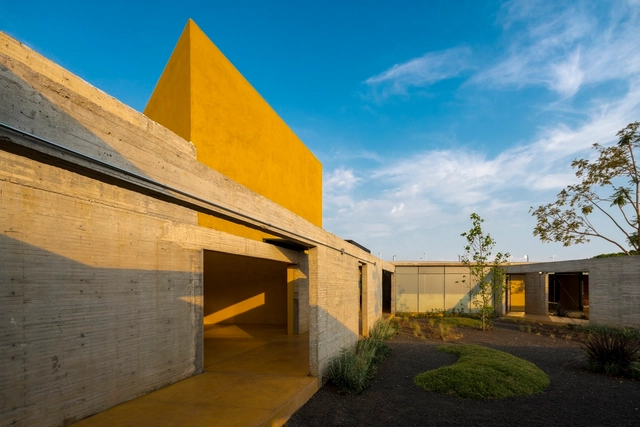
The state of Michoacán is located in western Mexico, bordered by the states of Jalisco, Querétaro, Guanajuato, Estado de México, Colima, and Guerrero. Covering an area of 58,598.7 km², it faces the Pacific Ocean. Its capital is Morelia, and it is the country's ninth most populous state. Furthermore, it boasts three UNESCO designations: 1) World Cultural Heritage for the Historic Center of Morelia, 2) World Natural Heritage for the Monarch Butterfly Biosphere Reserve, and 3) Masterpiece of the Oral and Intangible Heritage of Humanity for the Day of the Dead celebration.
Subscriber Access

The Master of Advanced Studies in Architecture and Digital Fabrication at ETH Zürich Unveils its Latest Thesis Achievements

The Master of Advanced Studies in Architecture and Digital Fabrication at ETH Zürich Unveils its Latest Thesis Achievements - Image 1 of 4The Master of Advanced Studies in Architecture and Digital Fabrication at ETH Zürich Unveils its Latest Thesis Achievements - Image 2 of 4The Master of Advanced Studies in Architecture and Digital Fabrication at ETH Zürich Unveils its Latest Thesis Achievements - Image 3 of 4The Master of Advanced Studies in Architecture and Digital Fabrication at ETH Zürich Unveils its Latest Thesis Achievements - Image 4 of 4The Master of Advanced Studies in Architecture and Digital Fabrication at ETH Zürich Unveils its Latest Thesis Achievements - More Images+ 56

The Master of Advanced Studies ETH Zurich in Architecture and Digital Fabrication (MAS ETH DFAB) is the educational program of the world’s leading interdisciplinary research cluster on digital fabrication and robotics in architecture, the National Centre for Competence in Research (NCCR) Digital Fabrication at ETH Zürich. It is organized by the Chair for Digital Building Technologies and the Chair of Architecture and Digital Fabrication (Gramazio Kohler Research), two pioneering research groups in the field.

Subscriber Access

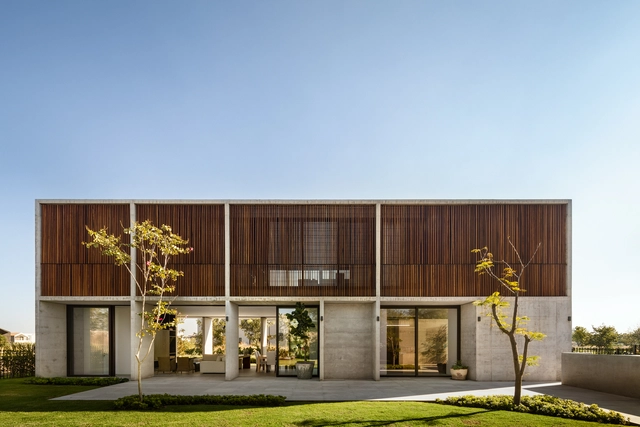
Architecture in Mexico: Emblematic Houses of Valle de Bravo

Architecture in Mexico: Emblematic Houses of Valle de Bravo - Image 1 of 4Architecture in Mexico: Emblematic Houses of Valle de Bravo - Image 2 of 4Architecture in Mexico: Emblematic Houses of Valle de Bravo - Image 3 of 4Architecture in Mexico: Emblematic Houses of Valle de Bravo - Image 4 of 4Architecture in Mexico: Emblematic Houses of Valle de Bravo - More Images+ 26

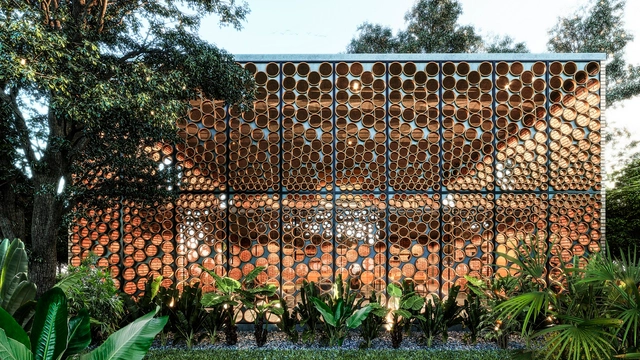
Mexico's Valle de Bravo region, to the southeast of Mexico City, is characterized by the Presa Miguel Alemán lake, created in 1947 as a reservoir for Mexico City and Toluca's water supply. Thanks to its proximity to the capital, Valle de Bravo is a popular weekend destination for residents of surrounding cities. This in turn has sparked the interest of various architects, who have aimed to create projects that enhance visitors' experience such as offering an optimal view of the lake, or an immersive experience in the surrounding forest. 

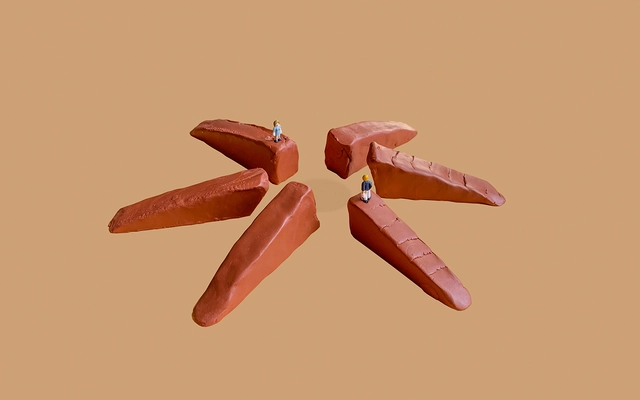
David Pompa Studio presents a lighting collection made from florito stone

David Pompa Studio presents a lighting collection made from florito stone - 1 的图像 4David Pompa Studio presents a lighting collection made from florito stone - 2 的图像 4David Pompa Studio presents a lighting collection made from florito stone - 3 的图像 4David Pompa Studio presents a lighting collection made from florito stone - 4 的图像 4David Pompa Studio presents a lighting collection made from florito stone - More Images+ 17

Founded in 2013 in Mexico City, David Pompa is a studio comprising designers, engineers, and makers based in Mexico and Austria. David Pompa grew up in both countries and studied product design in London. Over time, the studio has shown a strong interest in traditional materials and techniques, maintaining a commitment to Mexican culture since its inception, which is reflected in its creation of aesthetic and accessible design objects.

Jorge Cejudo: "I embarked on a journey without leaving home, based on world architecture"

Jorge Cejudo: "I embarked on a journey without leaving home, based on world architecture" - Imagem 1 de 4Jorge Cejudo: "I embarked on a journey without leaving home, based on world architecture" - Imagem 2 de 4Jorge Cejudo: "I embarked on a journey without leaving home, based on world architecture" - Imagem 3 de 4Jorge Cejudo: "I embarked on a journey without leaving home, based on world architecture" - Imagem 4 de 4Jorge Cejudo: I embarked on a journey without leaving home, based on world architecture - More Images+ 7

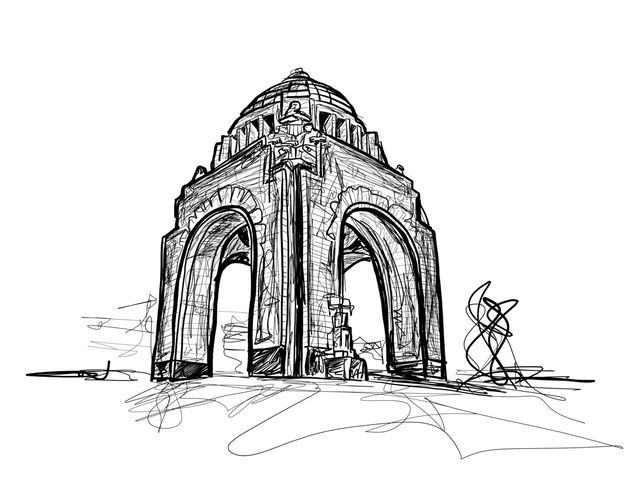
"Traveling Without Leaving Home" is a project by artist and designer Jorge Cejudo, also known as “Cejas.” Over the course of seven months, he shared a pandemic-born series of over 200 drawings on his Instagram account @soyelcejas, reconnecting with his followers after the emergency lockdown by inviting them to join him in imagining journeys through various cities around the world.

The MUTEK MX festival announces its 17th hybrid edition in conjunction with the 5th anniversary of MUTEK JP

As part of the 2020 program, and inspired by MUTEK Montreal’s Edition 21—which aligned two network cities in a simultaneous edition and used virtual convergence to expand activities and connect global digital art communities—comes the joint MUTEK MX & MUTEK JP Edition 17+5, featuring a series of hybrid events.

Subscriber Access

Architecture in Mexico: Projects to Understand the Territory of Tepoztlán

Architecture in Mexico: Projects to Understand the Territory of Tepoztlán - More Images+ 7

Tepoztlán is a region located in the state of Morelos, in the south-central part of the country, bordered by the states of Guerrero, Puebla, the State of Mexico, and Mexico City. Spanning an area of 242.646 square kilometers, it is one of the 111 Pueblos Mágicos (Magical Towns) designated to boost tourism by highlighting the unique attributes of each destination.

Subscriber Access

Abierto Mexicano de Diseño + ArchDaily present the winning projects of the 'Public Space' open call

As part of an initiative by ArchDaily and the Abierto Mexicano de Diseño, a call for entries was launched this year, inviting architects, urban planners, landscape designers, industrial designers, graphic designers, floral designers, and any creative discipline that understands public space as a place for fostering collaborative encounters in cities. Published in September, the call sought unpublished or previously published projects in the form of written essays, research papers, visual essays, lectures, or other digital communication formats that offered a personal or collective reflection aligned with the theme 'Public Space.'

Architects and designers explore 2021 trends with a showroom in Mexico City

Architects and designers explore 2021 trends with a showroom in Mexico City - Image 1 of 4Architects and designers explore 2021 trends with a showroom in Mexico City - Image 2 of 4Architects and designers explore 2021 trends with a showroom in Mexico City - Image 3 of 4Architects and designers explore 2021 trends with a showroom in Mexico City - Image 4 of 4Architects and designers explore 2021 trends with a showroom in Mexico City - More Images+ 32

As part of an event held for the thirteenth consecutive year, a showroom opened in October featuring spaces designed by various architects and designers to showcase the new ColorLife TRENDS 2021 palettes by the Comex brand. Participants included Adrián Marfil, Alexia Ulibarri, Andrés Gutiérrez, Arlette Salas, Cristina Grappin, Jorge Ballina, Luis H. Muñoz, Mauricio De la Garza, Moisés Hernández, Penélope De la Madrid, and Rodrigo Noriega.

Subscriber Access

Design Week Mexico presents the 2020 edition of Design House at Público Coworking

Design Week Mexico presents the 2020 edition of Design House at Público Coworking - Featured Image
© Jaime Navarro

Design Week Mexico presents the 2020 edition of Design House at Público Coworking - Image 1 of 4Design Week Mexico presents the 2020 edition of Design House at Público Coworking - Image 2 of 4Design Week Mexico presents the 2020 edition of Design House at Público Coworking - Image 3 of 4Design Week Mexico presents the 2020 edition of Design House at Público Coworking - Image 4 of 4Design Week Mexico presents the 2020 edition of Design House at Público Coworking - More Images+ 60

In early October, a new space opened in Mexico City under the name Design House at Público Coworking, showcasing a series of interventions that integrate disciplines such as design, architecture, and interior design. Over the past ten years, Design House has presented cutting-edge concepts from more than one hundred participating firms across various venues, collaborating with showrooms on the Design Route (Ruta del Diseño) that provide the pieces and accessories featured in the diverse installations.

Subscriber Access

Explore the "Inédito" exhibition by Design Week Mexico, virtually or in person

Explore the "Inédito" exhibition by Design Week Mexico, virtually or in person - Image 1 of 4Explore the "Inédito" exhibition by Design Week Mexico, virtually or in person - Image 2 of 4Explore the "Inédito" exhibition by Design Week Mexico, virtually or in person - Image 3 of 4Explore the "Inédito" exhibition by Design Week Mexico, virtually or in person - Image 4 of 4Explore the Inédito exhibition by Design Week Mexico, virtually or in person - More Images+ 7

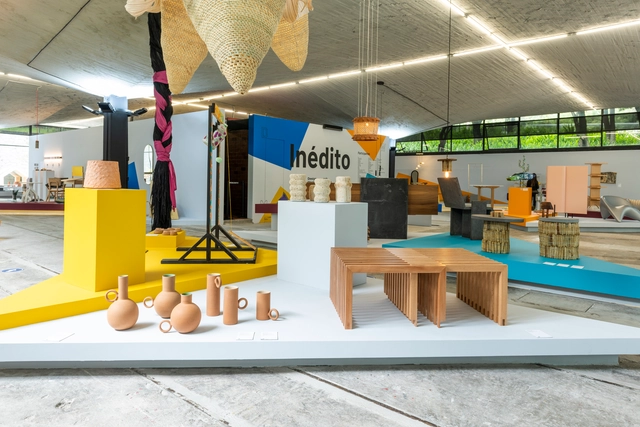
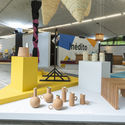
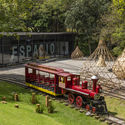
As part of the annual collaborative efforts of the Design Week team in Mexico City, the "Inédito" exhibition opened on October 9 at the Espacio CDMX Arquitectura y Diseño gallery. It marks the sixth consecutive edition of this open call, which aims to support, promote, and showcase utilitarian design projects across several categories: social impact, environmental impact, innovation, function, aesthetics, concept, user experience, materials, and processes. The exhibition is divided into three categories—professional, student, and digital—where, far from competing, participants gain exposure to opportunities in both national and international markets for outstanding design with commercial and production viability.

Subscriber Access

Human Scale: On the Resignification of the Body in Architectural Production

Human Scale: On the Resignification of the Body in Architectural Production - More Images+ 5

Various authors such as Michel Foucault, Maurice Merleau-Ponty, and contemporary thinkers Marina Garcés and Judith Butler have brought the body to the forefront of global philosophical discussions. This has gradually permeated different disciplines where the body is the focus of study, and even some where this relationship seems less obvious.

Subscriber Access

Architecture in Mexico: Projects to Understand the Territory of Puebla

Architecture in Mexico: Projects to Understand the Territory of Puebla - More Images+ 36

The state of Puebla is located in the central highlands of Mexico, bordering the states of Tlaxcala, Hidalgo, Veracruz, Oaxaca, Guerrero, Morelos, and the State of Mexico. Covering an area of 34,251 km², it is one of the country's most densely populated states. Its capital is Puebla de Zaragoza, and it is one of the leading landlocked states for tourism, featuring 9 "Pueblos Mágicos" (Magical Towns) and 3 UNESCO World Heritage Sites.

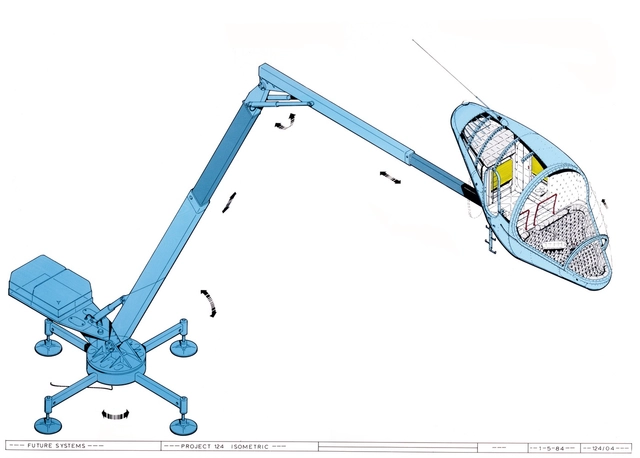
Archigram and the Dystopia of Small-Scale Living Spaces

Archigram and the Dystopia of Small-Scale Living Spaces - Image 1 of 4Archigram and the Dystopia of Small-Scale Living Spaces - Image 2 of 4Archigram and the Dystopia of Small-Scale Living Spaces - Image 3 of 4Archigram and the Dystopia of Small-Scale Living Spaces - Image 4 of 4Archigram and the Dystopia of Small-Scale Living Spaces - More Images+ 3

Until recently, the origins of the tiny-house movement were of little interest to the scientific community; however, if we take a look at the history of architecture and its connection to the evolution of human lifestyles, we can detect pieces and patterns that paint a clearer picture of the foundations of this movement that has exploded in the last decade as people leave behind the excesses of old and opt for a much more minimalist and flexible way of life.  

Subscriber Access

Architecture in Mexico: Projects to Understand the Territory of Querétaro

Architecture in Mexico: Projects to Understand the Territory of Querétaro - More Images+ 24

The state of Querétaro is located in the north-central region of Mexico, bordered by the states of San Luis Potosí, Guanajuato, Hidalgo, Estado de México, and Michoacán. Covering an area of 11,684 km², it is one of the most expansive regions in the country. Its capital is Santiago de Querétaro, which is also the state's most populous city. Among its most popular Pueblos Mágicos (Magical Towns) are Bernal, Tequisquiapan, Jalpan de Serra, Cadereyta de Montes, San Joaquín, and Amealco de Bonfil. Additionally, the state boasts four UNESCO World Heritage sites and one entry on the Intangible Cultural Heritage list: the Historic Monuments Zone of Santiago de Querétaro, the Franciscan Missions of the Sierra Gorda, the Otomí Chapels, and the living traditions of the Otomí-Chichimeca culture, respectively.

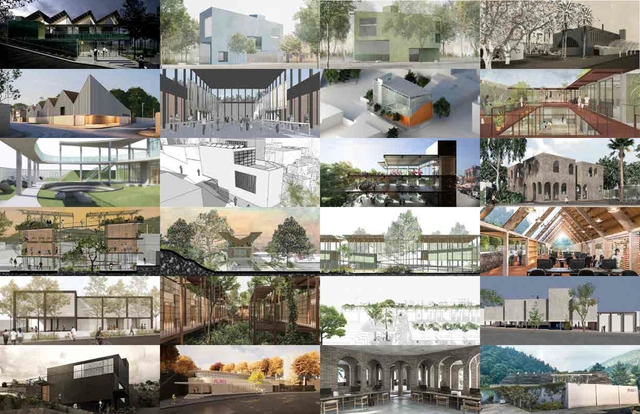
Mexican Architects Design 25 New Facilities for Mexico City's PILARES Program

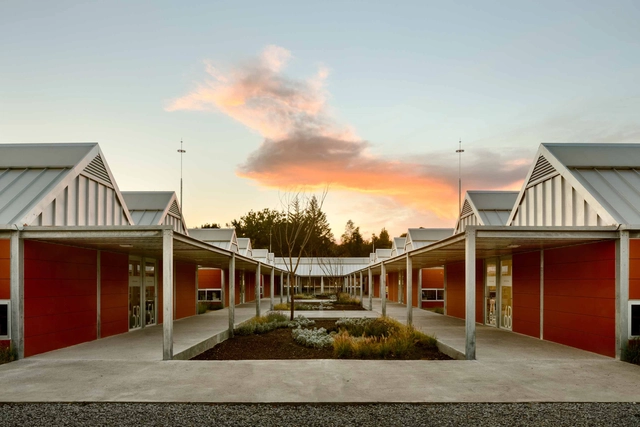
Mexico City's Secretary of Public Works and Services announced a collaboration with some of the country's most distinguished architectural minds in a move to add on to the capital's educational and cultural infrastructure. The project centers on the planning and building of 25 new Points of Innovation, Freedom, Art, Education, and Knowledge (PILARES), an initiative implemented by Mexico City Mayor Claudia Sheinbaum.

Subscriber Access

Mexican architect creates jewelry collection inspired by the work of Luis Barragán

Mexican architect creates jewelry collection inspired by the work of Luis Barragán - Imagen 1 de 4Mexican architect creates jewelry collection inspired by the work of Luis Barragán - Imagen 2 de 4Mexican architect creates jewelry collection inspired by the work of Luis Barragán - Imagen 3 de 4Mexican architect creates jewelry collection inspired by the work of Luis Barragán - Imagen 4 de 4Mexican architect creates jewelry collection inspired by the work of Luis Barragán - More Images+ 12

Driven by a personal quest to explore heritage and preserve Mexican traditions, architect Ana Ibañez has created a collection titled “Barraganescas,” featuring jewelry pieces inspired by the houses designed by architect Luis Barragán in the city of Guadalajara.

Subscriber Access

Architects from Mérida reflect on their experience during the COVID-19 pandemic

Architects from Mérida reflect on their experience during the COVID-19 pandemic - Imagem 1 de 4Architects from Mérida reflect on their experience during the COVID-19 pandemic - Imagem 2 de 4Architects from Mérida reflect on their experience during the COVID-19 pandemic - Imagem 3 de 4Architects from Mérida reflect on their experience during the COVID-19 pandemic - Imagem 4 de 4Architects from Mérida reflect on their experience during the COVID-19 pandemic - More Images+ 29

On Friday, September 25, the first Digital Event organized by ArchDaily took place, sponsored by Crest and Panel Rey for the Mérida-based architectural community. During the event, David Basulto (founder of ArchDaily) and Vanessa Vielma (Director of ArchDaily Mexico) gave a talk on the platform's history and shared relevant data specific to this context.