Content Editor at ArchDaily Mexico. Architect by UNAM (2018). Her interests focus on exploring the relationship of the body with architecture through dance. She has collaborated with different international choreographers who explore dance and architecture as an event. Twitter / Instagram: @monicarellano_
May 3 is a holiday originating from the Finding of the Holy Cross, May Cross, or Festival of the Crosses, which traces its roots to the Roman rite celebrating the Cross of Christ. This commemoration has evolved over time, being adopted in cities across Mexico, Chile, Spain, Ecuador, El Salvador, Guatemala, Paraguay, Peru, Trinidad and Tobago, Argentina, Colombia, and Venezuela, where the celebration typically includes floral decorations, processions, and dances.
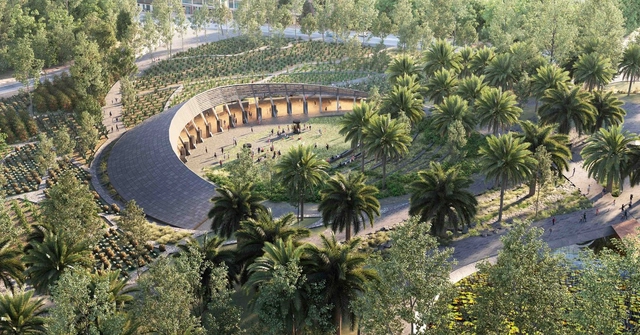
The Ministry of the Environment of Mexico City announced the winning project of the National Thematic Garden-Ethnobotanical Garden, Environmental Culture Center Competition in the Second Section of the Chapultepec Forest, which will form part of a master plan for the “Chapultepec Forest: Nature and Culture.” Upon completing the analysis and deliberation of the projects, the jury members highlighted the quality and high standard of the participants across the five submitted proposals. The first, second, and third-place winners are listed below. Read on to discover the winning project and the four finalist proposals.
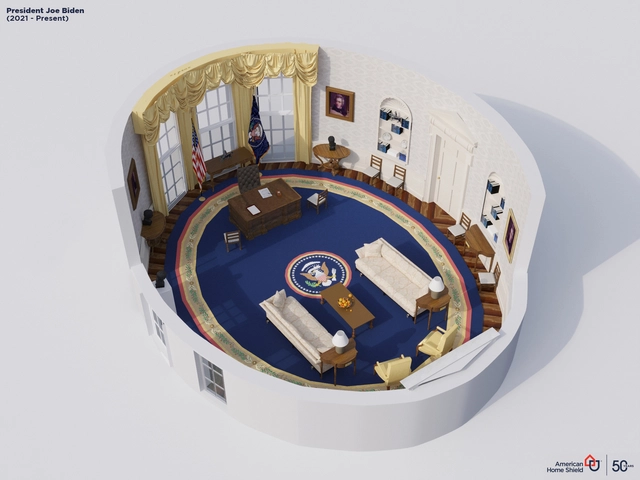
Redecorating the Oval Office is not just a statement of presidential taste; yet, as all spaces reveal principles that extend far beyond the visual, it is ultimately a statement of control. It is here that the president meets with international dignitaries and addresses the cameras to deliver messages of great importance, which is why he (or, one day, she) does not want it to look as though their predecessor still claims ownership of the space.
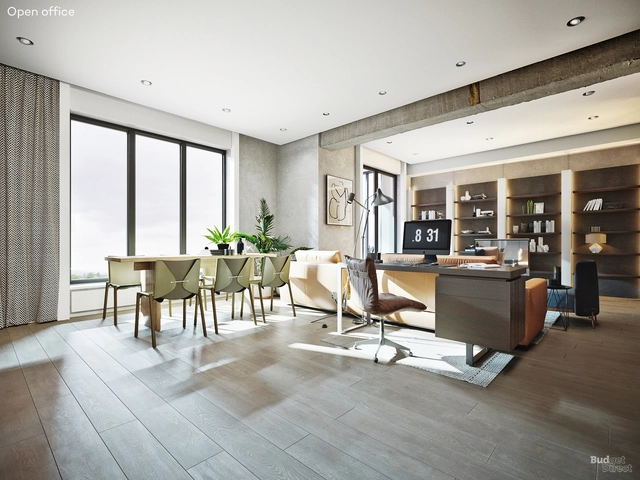
As is common in the design and architecture world, renderings have long been understood as a tool for visualizing spaces before they are built, thereby providing a broader, more realistic vision of what to expect. These images make it possible to identify and address potential errors, but above all, they serve as a powerful design tool for both interior and exterior spaces.
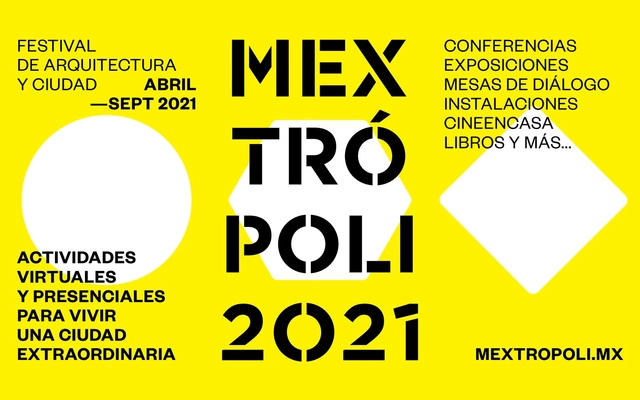
In 2020, the health crisis forced the MEXTRÓPOLI Festival in Mexico City to reschedule and reinvent itself, launching a hybrid edition to create a safer environment where virtual and in-person visitors could enjoy the scheduled activities. Following this approach, a series of events will be presented throughout 2021, from April to September.
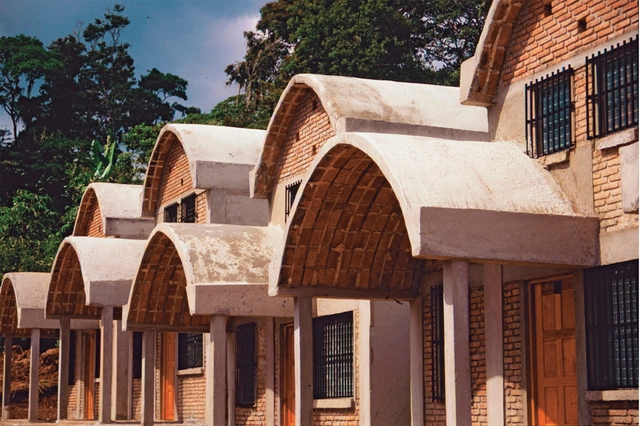
Nuevos pueblos en Sinaloa. Image Cortesía de Archivo Carlos González Lobo
Today, April 12, 2021, marked the passing of architect Carlos González Lobo, a leading proponent of social and participatory architecture in Mexico. A 1963 graduate of the National School of Architecture, he went on to earn a Master of Architecture from UNAM's Faculty of Architecture in 1995. That same year, he was awarded an honorary doctorate by the Rhode Island School of Design, later receiving a PhD in Architecture from UNAM in 2007.
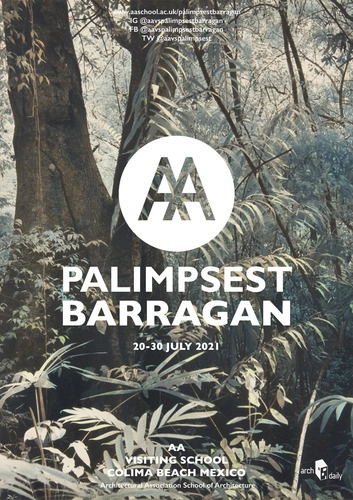
Palimpsest Barragan poses a once in a lifetime opportunity to engage eye to eye with an architectural masterpiece of 20th century modernism by the Mexican architect Luis Barragan. As a hidden and still unknown architectural jewel set amidst a paradisiac jungle on the Pacific coast, the ruins of the never completed building have sunk into oblivion, not unlike the ancient Mexican pyramids, and are currently in progressive decay. The workshop will not only ‘unearth’ the project and at last put it on the map of architectural discourse, but it might even have a larger impact by kickstarting a debate around the preservation of its ruins from disintegration.
As part of the cultural programming of the Mexico City-based art gallery, MASA presents its fourth exhibition, The Last Tenant, curated by artist Mario García Torres and featuring works by artists such as Carlos Amorales, Leticia Arroyo, Geles Cabrera, Jose Dávila, Héctor Esrawe, EWE, Marie Lund, Theo Michael, Adeline de Monseignat, Rubén Ortiz Torres, Ana Pellicer, Rooms, Josef Strau, Brian Thoreen, and Jorge Yázpik.
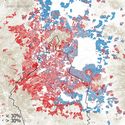
Throughout history, the bicycle has endured as a means of transportation, evolving in various ways. In recent years (and even prior to the COVID-19 pandemic), however, its popularity has surged, specifically in major cities. In rural areas, by contrast, it has always been one of the primary modes of transportation due to the lack of other infrastructure. In Mexico, there are regions that have historically been highly bicycle-centric. While cycling is often associated with being a trendy mode of transportation, the reality is that its use is concentrated among low-income groups across towns, municipalities, and even entire states. Unfortunately, investment in cycling infrastructure in Mexico remains consistently low.
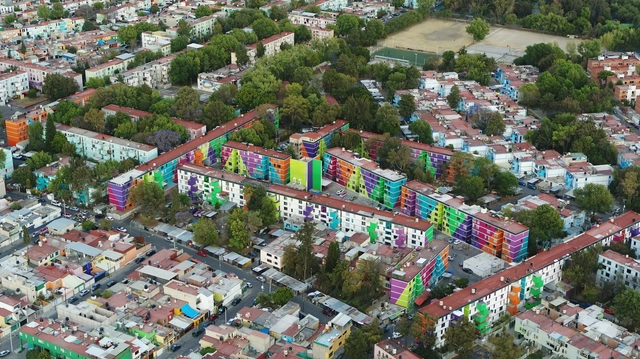
Forty-seven years after construction began on the El Rosario housing complex—the largest housing development in Mexico at 350 hectares—the Azcapotzalco borough of Mexico City, in coordination with the city's Social Prosecutor's Office and the ICA Foundation, inaugurated the photographic exhibition “The City within the City: El Rosario” on March 25 at Plaza El Parián. The exhibition aims to show residents and visitors the evolution this complex has undergone over time.
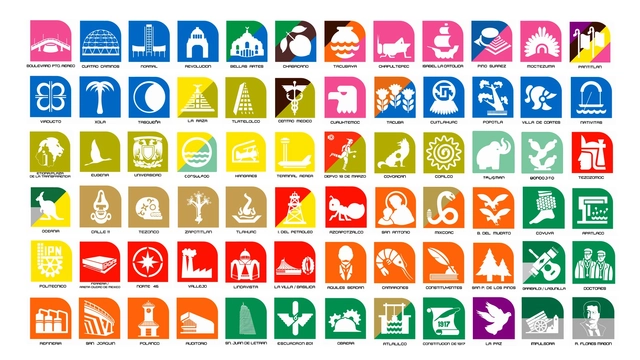
The history of the Mexico City Metro dates back to the 1960s, a time when the Historic Center buckled under traffic congestion, overcrowded buses, and inefficient streetcars that were overwhelmed by the growing population of the then-Federal District. While other major Latin American cities like Buenos Aires had implemented underground transit systems since the early 20th century, it was not until 1967 that Mexico—by presidential decree and in collaboration with the French government—established a decentralized public agency called the Sistema de Transporte Colectivo (STC).
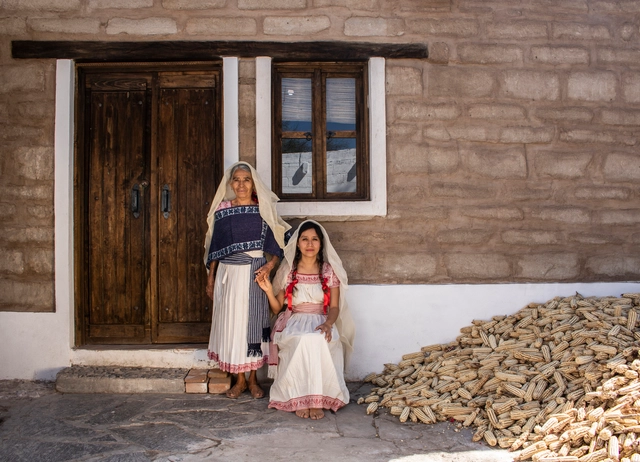
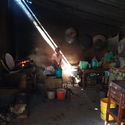
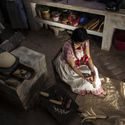
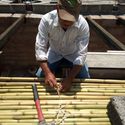
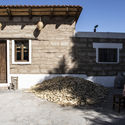
The Cocina Mendoza project is located in the municipality of Ixmiquilpan, in the heart of the Mezquital Valley in central Hidalgo, Mexico. This is home to the community of San Nicolás de Tolentino and the Mendoza family, who belong to the Otomí people and held the *mayordomía* (stewardship) during 2019 and 2020.
It is well known that since its inception, the field of architecture has been predominantly composed of white, cisgender men, who to this day continue to occupy some of the most prominent positions in both architectural practices and prestigious awards. For this and many other reasons, the struggle to bring visibility to women in architecture has always been present, responding to the specific demands of each era and winning increasingly significant battles. However, inequalities persist, making it a challenging profession for women—and even more so for women of color, Indigenous women, Latinas, and those from disadvantaged economic backgrounds.
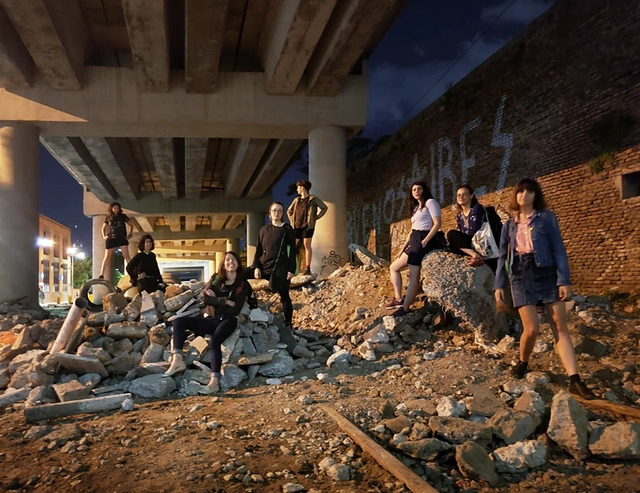
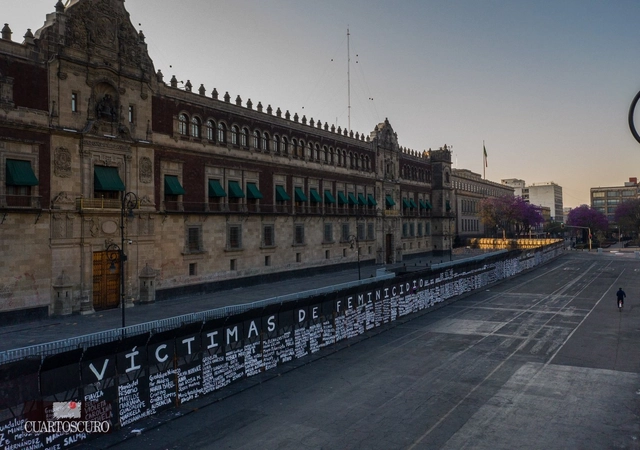
On March 8, 2021, various demonstrations were held in Mexico City to mark International Women's Day (#8M), drawing attention to and demanding justice for the rising wave of daily femicides across the country. Over recent years, this crisis has triggered major protests, such as those on August 16, 2019, and March 8, 2020, where thousands of women gathered to protest through both peaceful and disruptive actions. These demonstrations transformed public spaces, resulting in damage to streets, public transit, and—most notably during the August 16, 2019 march—the Angel of Independence monument, which is still undergoing restoration. This damage sparked a massive backlash that discredited the feminist movement, prioritizing property damage over the core demands of the protests.
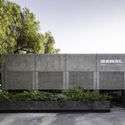
Querétaro is a state located in the north-central region of Mexico, bordering the states of Guanajuato, San Luis Potosí, Hidalgo, the State of Mexico, and Michoacán. Covering an area of 11,684 km², it is the fifth-smallest state in the country. Its capital and largest city is Santiago de Querétaro; other notable localities include Tequisquiapan, Cadereyta, Jalpan de Serra, San Joaquín, and Bernal.
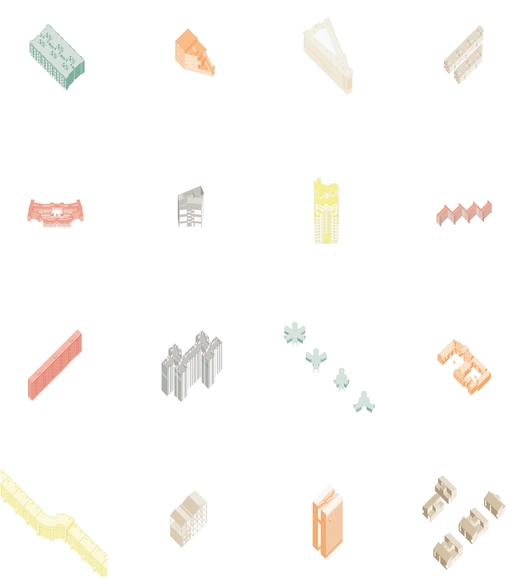
Mexican architect Fernanda Canales presents her new book "Shared Structures – Private Spaces: Housing in Mexico," which explores the relationship between rooms, people, and cities. Centered on the modern culture of dwelling in Mexico, the research is developed in two parts: a series of texts addressing housing, and an analysis of 70 collective housing projects built over the last hundred years, interwoven with a compendium of quotes from architects involved in the field during this same period, such as Luis Barragán, Juan O’Gorman, Mario Pani, Alberto Kalach, Frida Escobedo, and Mauricio Rocha.
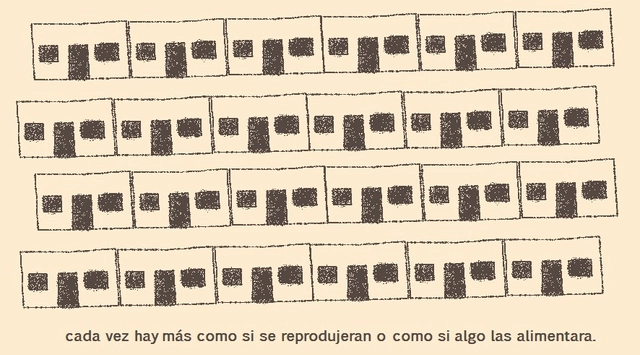
Ciudad Juárez is an industrial city located on the northern border with the United States, directly across from El Paso, Texas. Over the years, Juárez's economy has been dominated by the ‘maquiladora’ industry, and it was once considered one of the most violent cities in the world due to a wave of crime that took hold from 2008 to 2012. In 2020, the National Workers' Housing Fund Institute (Infonavit) reported that there are 17,871 abandoned homes in Ciudad Juárez, leading the country's municipal rankings and contributing to a total of 650,000 abandoned houses nationwide.
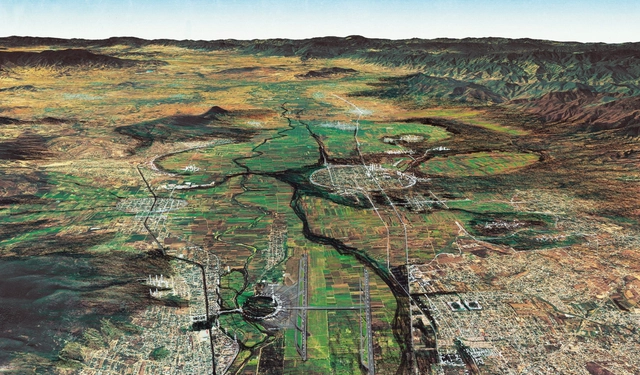
'Territorios y vivenda' (2018). Image Cortesía de Alberto Kalach
When looking at the population of the world's metropolises, in this case Mexico City, the reality is that the majority of the people living there have migrated from other regions of the country and, sometimes, from other countries as well. Of course, thanks to the Covid-19 pandemic, companies and schools have gone virtual, and, with their work and studies no longer tied to urban centers, people have left in masse for the coast and other less populated areas in search of space and lower living costs.












.jpg?1617032224 "Localities with more than 5,000 inhabitants where over 75% of households use bicycles as a means of transportation. Image © Adrián Acevedo")







.jpg?1615489068&format=webp&width=230&height=230&crop=true)





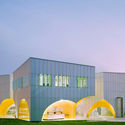
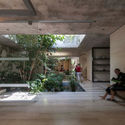
.jpg?1613658867 "Rivera House / Taller de Arquitectura Miguel Montor. Image")




.jpg?1611548432&format=webp&width=230&height=230&crop=true)

_22.43.53_(1).jpg?1611548822&format=webp&width=230&height=230&crop=true)
