Content Editor at ArchDaily Mexico. Architect by UNAM (2018). Her interests focus on exploring the relationship of the body with architecture through dance. She has collaborated with different international choreographers who explore dance and architecture as an event. Twitter / Instagram: @monicarellano_
Mexico, a North American country spanning over 1,964,375 km2, features a vast mosaic of different cultures that extends far beyond its geographical boundaries. Nowhere is this diversity more evident than along the 3,141km border stretching from the Gulf of Mexico to the Pacific Ocean, running through 48 counties within the United States and 94 municipalities within the Mexican states.
In 1792, sitting United States President George Washington organized a competition to design the presidential residence. The winning proposal, submitted by architect James Hoban, shaped the neoclassical mansion we know today as the White House, cementing its place in the American collective imagination.
The Graham Foundation has announced the award of 69 new scholarships to individuals around the world who support architectural projects. The funded projects represent diverse lines of research with original ideas that advance our understanding of the designed environment.
Selected from more than 500 proposals, the funded projects include exhibitions, publications, films, and performances that promote rigorous academic study, stimulate experimentation, and foster critical discourse in architecture. Innovative projects are led by established and emerging architects, artists, curators, filmmakers, historians, and photographers, among other professionals.
This national competition, managed by Infonavit, invites undergraduate students of urban planning, architecture, or related fields to develop design strategies and solutions for improved habitability and appropriate population density in housing for workers in Mexico, within the context of the COVID-19 pandemic.
It is well known that Frederick Law Olmsted, designer of Central Park in New York; André Le Nôtre, designer of the gardens of the Palace of Versailles; and Alan Titchmarsh, among others, pioneered modern landscape architecture by breaking the mold of traditional practices. Nonetheless, Mexico has developed a remarkable body of work in this field that deserves recognition.
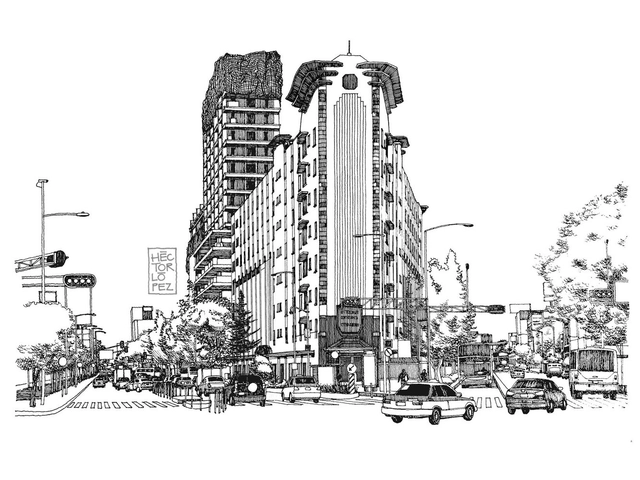
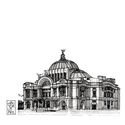
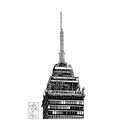
Croquis CDMX is an initiative led by Héctor López, founded eight years ago to foster and strengthen the connections between the eye, the brain, and the hand. The project seeks to portray life in Mexico City through freehand sketches. While architectural education is geared toward training professionals to design and construct buildings, Héctor—who studied at the Faculty of Architecture of the National Autonomous University of Mexico—views university education as “the axis of all elements: I already knew how to draw, and in school I became interested in construction, history, and theory. That was where drawing became disciplined. I would encourage students to draw, regardless of whether they think they can or not, because you discover things that you don't understand when drawing with software.”
As part of a new initiative to merge architecture with cinematic storytelling, the series Arquis recently premiered on HBO Max. The show offers an intimate portrait of the lives and work of six of the most renowned architects in Mexico and Latin America, including Alejandro Aravena, Mauricio Rocha, Alberto Kalach, Simón Vélez, Carla Juaçaba, and Isay Weinfeld.
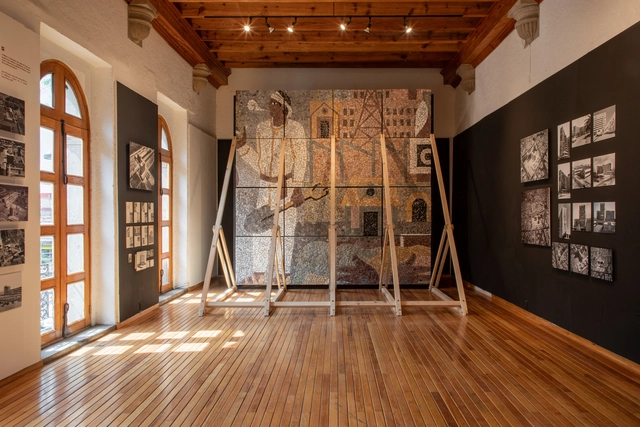
On July 28, the Azcapotzalco Borough opened the exhibition “O’ Gorman O’ Gorman 1905 - 1982” at the Casa de Cultura Azcapotzalco in Mexico City, curated by Sofía M. Provencio and Juan José Kochen. This exhibition is the result of an open call held in July 2020, which invited visual artists, designers, and architects to submit works and perspectives offering a contemporary view of the renowned Mexican artist and architect's work.
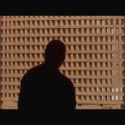
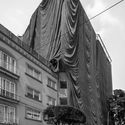
As part of an investigation prompted by the September 19, 2017 earthquake in Mexico City, Mexican photographer Onnis Luque presents the book “Undercover,” published by the imprint The Velvet Cell (TVC) América Latina. The book features a series of photographs depicting damaged buildings shrouded in a kind of black veil, which was installed to prevent structural debris from collapsing. These images, in turn, are accompanied by texts that guide the reader, revealing diverse issues that extend beyond architecture to address social and political aspects from this unique vantage point.
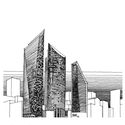
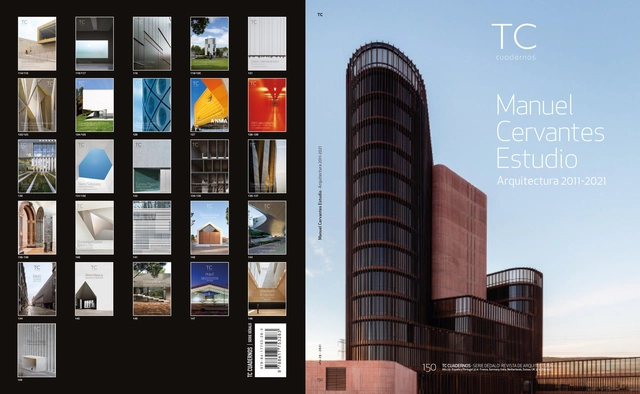
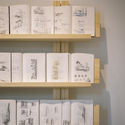
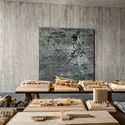
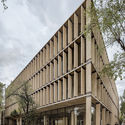
To mark ten years of work, Manuel Cervantes Estudio presents its latest monograph, published by TC Cuadernos, alongside an exhibition in Guadalajara, Jalisco. The showcase features a series of sketches created by Mexican architect Manuel Cervantes between 2008 and 2021.
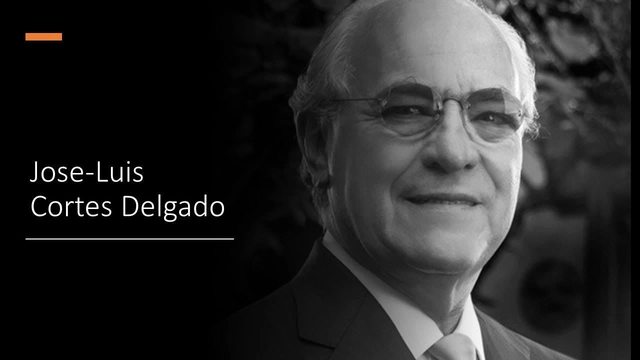
Mexican architect José Luis Cortés has been appointed President of the International Union of Architects (UIA) for the 2021-2023 term. José Luis Cortés graduated from the Monterrey Institute of Technology in Mexico and completed studies in Urban Planning in Copenhagen, Denmark, and at the Massachusetts Institute of Technology (MIT) in the United States. He previously served as president of the Federation of Colleges of Architects of the Mexican Republic (FCARM) (2017-2018) and is currently a member of the UIA Council for Region III.
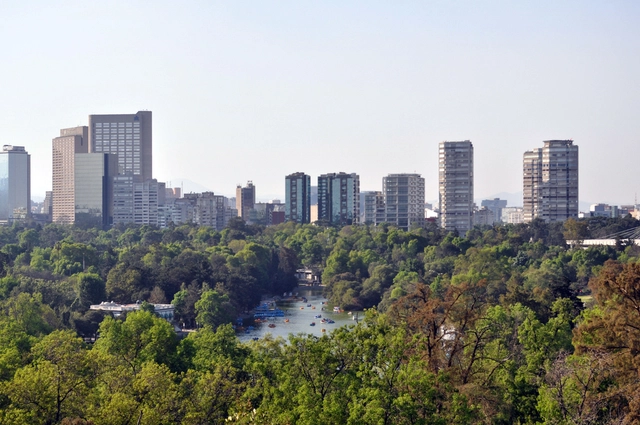
Mexico's Federal Ministry of Culture has announced that renowned Italian architect and 1998 Pritzker Prize laureate Renzo Piano will develop the conceptual design for the Mexican Contemporary Pavilion. The project will be built in the First Section of Chapultepec Forest as part of the "Chapultepec Forest: Nature and Culture" master plan, and will be funded by businessman Agustín Coppel and the Probosque México Trust.
A virtual congress featuring guest architects from Latin America, including Daniel Alvarez (Ecuador), Pedro Saa (Colombia), and Ricardo Rebolledo (Venezuela). Click here to register.
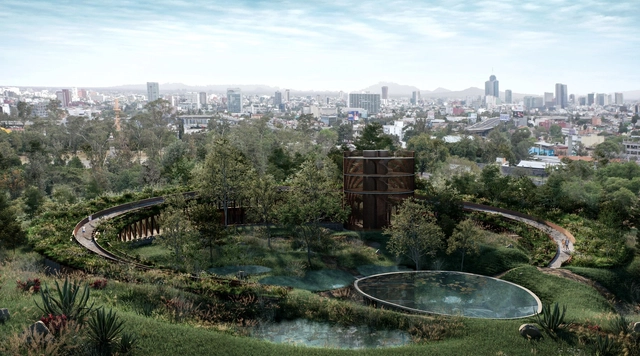
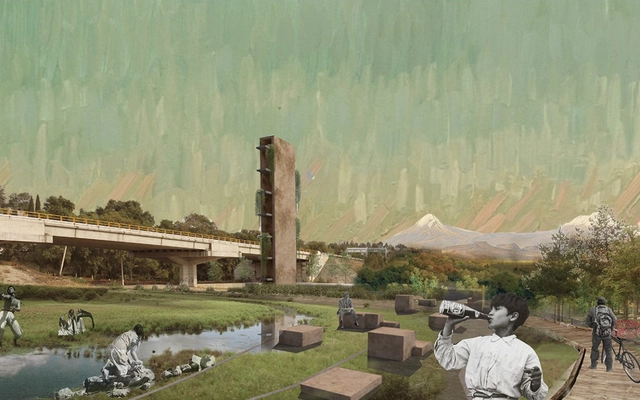
The Mexican Association of Urbanists, through its Tlaxcala chapter, called for entries for the Conceptual Preliminary Design Competition for the "Parque Integral Zahuapan 10." The competition was aimed at multidisciplinary teams in the fields of architecture and urban planning, with the goal of presenting proposals and conceptual ideas to develop a park along the banks of the Zahuapan River and revitalize its surrounding areas.
Aguascalientes is a small state in the heart of Mexico, located 480 km northeast of Mexico City and nestled between the states of Zacatecas and Jalisco. With just 5618 km² of territory, it is Mexico's third smallest state. It's capital and most populated city is Aguascalientes, or "hot waters" in English, is named for the numerous hot springs found throughout the area.
The Federal Government and the Association of Engineers and Architects of Mexico will award the 2020 National Architecture Award to Guadalajara-born architect Fray Gabriel Chávez de la Mora, who at 91 has stood out for his 175 projects over a 65-year career.
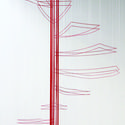
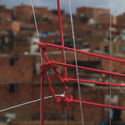
"Architecture Without Architects" is a project led by Mexican artist Sandra Calvo between 2011 and 2014 in the neighborhood of Villa Gloria—a self-built housing complex in Ciudad Bolívar, a district in southern Bogotá. Working in collaboration with a resident family, the project involved creating a thread structure that reflected their latent aspirations for their own home through design and building practices.
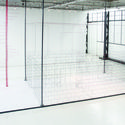
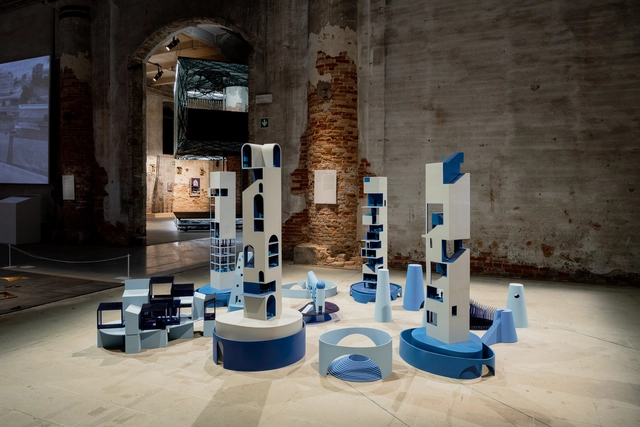
As an invited contributor, Mexican architect Fernanda Canales presents the exhibition After the House as part of the cultural program of the 17th International Architecture Exhibition - La Biennale di Venezia, curated by Hashim Sarkis. The exhibition features four primary models showing housing projects designed as a reinterpretation of vecindades—multi-family urban housing with mixed residential units arranged around courtyards with shared amenities.

.jpg?1627404680&format=webp&width=230&height=230&crop=true)
.jpg?1627404912&format=webp&width=230&height=230&crop=true)
.jpg?1627404887&format=webp&width=230&height=230&crop=true)








.jpg?1628181990&format=webp&width=640&height=580)

.jpg?1628181990)




_ONNIS_LUQUE__(1).jpg?1627330354 "Manuel Cervantes Estudio / Cuatro Caminos Transport Interchange. Image © Manuel Cervantes Estudio")

.jpg?1626194994&format=webp&width=640&height=580)




.jpg?1623351121&format=webp&width=230&height=230&crop=true)