Content Editor at ArchDaily Mexico. Architect by UNAM (2018). Her interests focus on exploring the relationship of the body with architecture through dance. She has collaborated with different international choreographers who explore dance and architecture as an event. Twitter / Instagram: @monicarellano_
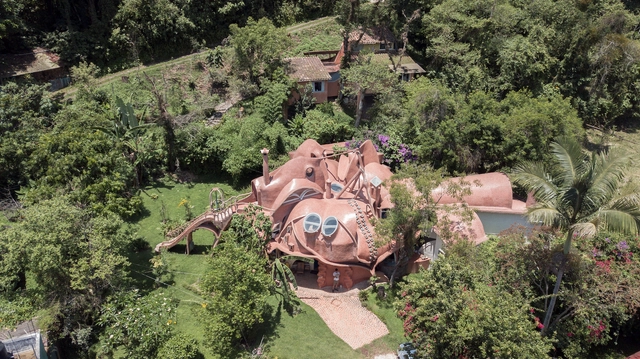
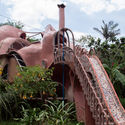
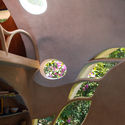
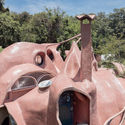
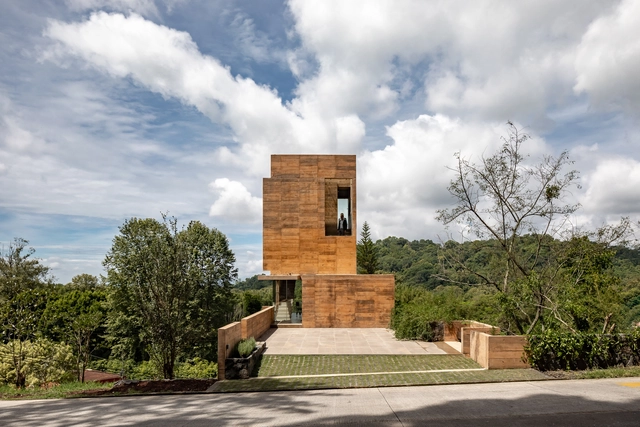
The "Casa de los Milagros" (House of Miracles), located in the cloudy forest on the outskirts of Xalapa, Veracruz and designed by Mexican architect Danilo Veras Godoy, is a space conceived with organic forms, earth, unexpectedly shaped openings and mosaic glass in different shades. It was designed to meet the needs of Rosalinda Ulloa, a single mother who would live there with her two young children. It was built in stages, starting in 1995, and was completed in 2002, with some changes being made between then and 2006.
Architecture in Mexico has a vast history that is made up of various aspects that touch astrological, political, spiritual and economic issues. Although today there are only ruins of some of the most important pre-Hispanic complexes, thanks to the in-depth research that has been carried out, we can have some representations of what those buildings that laid the foundations of what makes us today were like. In these representations, it is possible to notice the presence of natural materials that were a response to their environment such as basalt stone, stucco and some vegetable paintings whose remains persist to this day.
In a year defined by physical distancing, social media has taken on an even greater role in how we connect and stay informed. Our Instagram accounts have broken reach records, bringing our audience the very best of our website's content: projects, articles, interviews, and news from the architectural world, inspiring new ideas and tools for a better future for our cities.
Puerto Vallarta is a city located in the state of Jalisco, in the west region of the country facing the Pacific Ocean. It consists of 1,301 km² and, together with the Bahia de Banderas municipality of the Nayarit state, makes up the Metropolitan Zone of Puerto Vallarta, making it the second most populated of both states. Many are the reasons why Puerto Vallarta is one of the most important ports in Mexico, one of them being tourism at an international level, which has resulted in the city having one of the eight international airports in the country.
There are several reasons why Quintana Roo —a state located in the southeastern region of Mexico— has an important cultural wealth. One of them is because of world-class tourism which has led it to have one of the eight international airports in Mexico in addition to being praised by the World Tourism Organization.
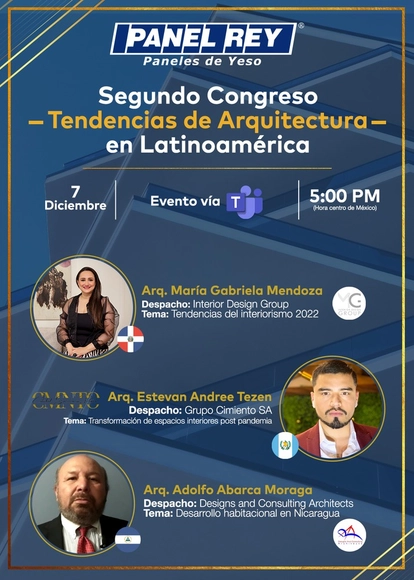
This virtual congress will feature guest architects from Latin America, including María Gabriela Mendoza of Interior Design Group, Estevan Andree Tezen of Grupo Cimiento SA, and Adolfo Abarca Moraga of Designs and Consulting Architects. Click here to register.
As part of the 10th anniversary celebration of the award, Interceramic announced the winners of the Tenth Edition across its various categories and the "2021 Architecture Lifetime Achievement Award." The initiative aims to recognize and promote projects that best reflect contemporary design and express the current state of architecture and interior design, as well as reward creativity in the use of Interceramic ceramic materials.
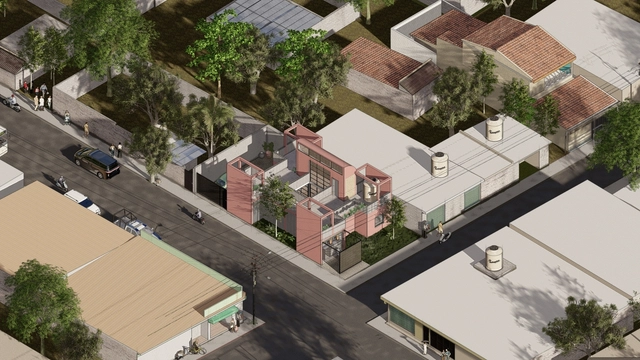
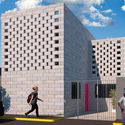
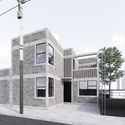
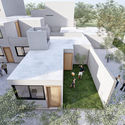
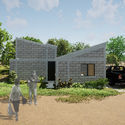
As part of an initiative by KeObra—a platform providing reliable, free information through content, infographics, videos, and social media to support those building their own homes while fostering a network that empowers self-builders, master masons, material suppliers, and architects—the First KeObra University Competition was launched. The competition called for progressive housing proposals to be integrated into the KeObra Calculator, a tool that provides cost estimates, material lists, projected timelines, and the necessary construction blueprints.
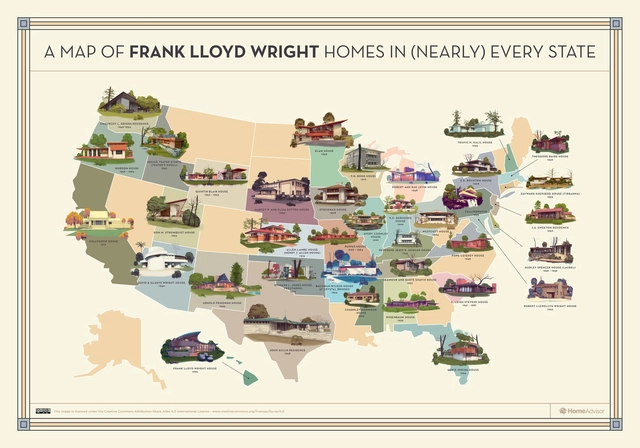
Frank Lloyd Wright was one of the most internationally influential American architects and is considered the forefather of organic architecture as well as the Modern and Prairie School Movements. Throughout the years, Wright's works have been awarded even more importance, with 8 gaining entry into the UNESCO World Heritage Site registry.
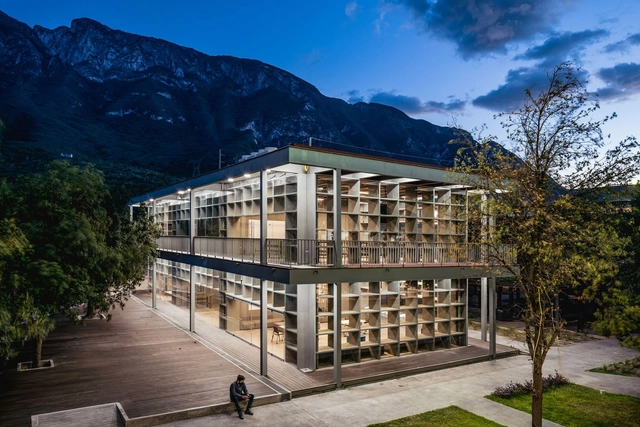
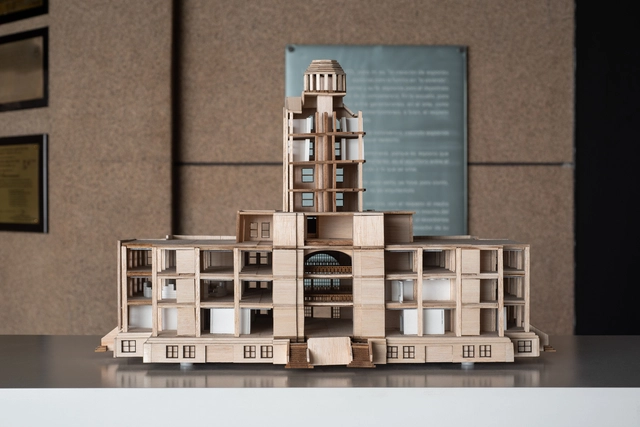
In October, within the framework of the XXI NL Biennial, the exhibition "Folio 2. LABNL | Geometries and Components" was inaugurated at the Exhibition Hall of the College of Architects of Nuevo León. Developed by the firm Taller Arquitectónico, led by architect Manuel Martínez, the LABNL project was awarded the Calli de Cristal in the Restoration category at the XXI Nuevo León Architecture Biennial. The project involves the restoration of the Old Federal Palace, located in Monterrey's Metropolitan Center, to house a cultural laboratory for civic innovation and development.
While the work of Mexican architect Luis Barragán is globally recognized and studied for its invaluable commitment to the architecture of his time and context—and, above all, built upon deeply harmonious and poetic foundations that connect with a deeply personal quest in "cosmic solitude, with Mexico as the temporary home he lovingly accepts," as the Pritzker Prize Jury described it when honoring him in 1980—until recently (and even before the launch of the Barragan Foundation website), understanding the full spectrum of Barragán's place in architectural history was somewhat difficult, as several of his works have remained private (or difficult to access) for years.
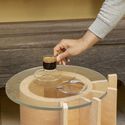
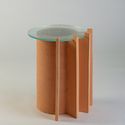
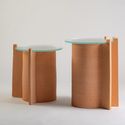
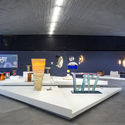
The design studio PECA—led by Mexican architect Caterina Moretti—launches its new collection titled "Impronta Terracota," made from clay and fused glass. Comprising two vessels that offer an unexpected twist on their purpose, they transform into table pedestals rising to two different heights. This exploration was developed at the Taller de Locos pottery workshop in Guadalajara.
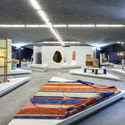
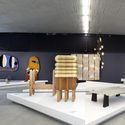
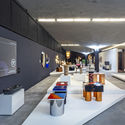
As part of the annual collaborative efforts of the Design Week team in Mexico City, the "Inédito" exhibition opened on October 14 at the Espacio CDMX Arquitectura y Diseño gallery. This showcase is part of the seventh consecutive edition of the open call, which aims to support, promote, and disseminate utilitarian design projects in the categories of social impact, environmental impact, innovation, function, aesthetics, concept, user experience, materials, and processes. Divided into three categories—professional, student, and limited edition—the exhibition, rather than fostering competition, opens up opportunities in both the domestic and international markets for exceptional design with commercial and production viability.
Hidalgo is a landlocked state to the north of Mexico City and bordered by the states of San Luis Potosí, Veracruz, Puebla, Tlaxcala, Mexico, and Querétaro. It's territory spans 20,821 km² and it's the sixth smallest state in the country. It's capital and most populous city is Pachuca de Soto. Hidalgo's diverse cultural wealth comes from the various indigenous groups that call the state home, such as the Otomíes, the Nahuas, and the Tepehuas. Hidalgo's cultural heritage centers on the cuisine, the Fiesta de Toros, Huapango and Bandas de Viento music, the Charreria rodeo, and the Xantolo celebration.
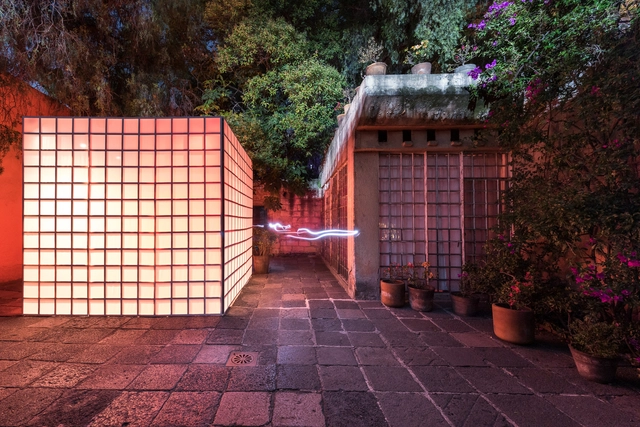
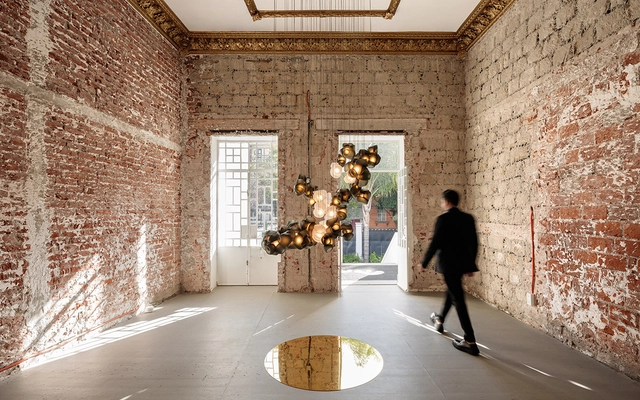
Throughout November, Diez Company will present the third edition of Maison Diez Company to both Mexican and international audiences. Dedicated to lighting design, the space serves as a gathering point for designers, creatives, architects, interior designers, commercial partners, lighting experts, and international brand representatives to celebrate light. Following the success of its 2018 and 2019 editions, Maison Diez Company showcases its latest designs within a historic mansion in the Escandón neighborhood, open to the public from November 6 through May 20, 2022.
On Thursday, October 28, as part of the Nuevo Léon Architecture Biennale, the XXI Professional Calli Awards ceremony took place. Honorable mentions, Crystal Calli awards, and silver and gold medals were presented, representing the most prestigious recognitions awarded by the Association of Architects to the best academic and professional projects developed over the last two years.
It has become evident that the spaces we inhabit have changed. The COVID-19 pandemic has forced us to appreciate values as lighting, ventilation, and comfort when working in home.



.jpg?1639602926&format=webp&width=230&height=230&crop=true)



.jpg?1636500979&format=webp&width=230&height=230&crop=true)




.jpg?1635893302&format=webp&width=230&height=230&crop=true)














.jpg?1636481927 "© Dane Alonso")