Kiana Buchberger

BROWSE ALL FROM THIS AUTHOR HERE
↓

Rugs as Woven Memory: How Origin and Materiality Shape Interiors

 | In Collaboration

Materials can carry memory. They do more than finish a space; they can anchor it, shape atmosphere, and connect interiors to broader cultural and material narratives. Some architects and designers explore local techniques, natural resources, and craft traditions to balance cultural preservation with modern functionality, introducing context and depth. This is not necessarily a return to the past, but a reinterpretation of inherited knowledge to create architecture that resonates with contemporary needs.
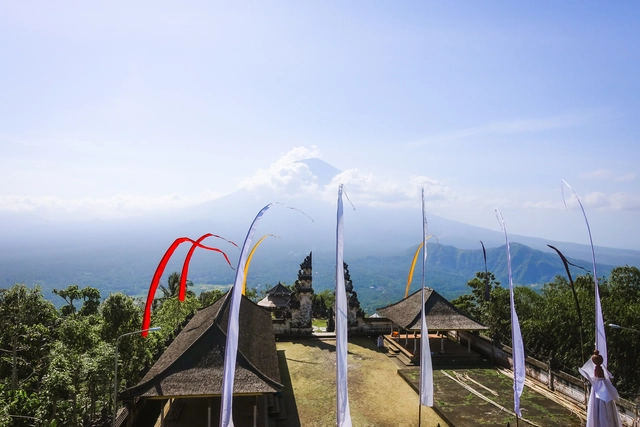

Bali: Balancing Architectural Tradition and Modernity

Subscriber Access | 

Bali, often called the "Island of the Gods," is known for its unique harmony between the microcosm of human life and the macrocosm of the natural environment. This delicate balance is deeply embedded in its traditional architecture, which reflects a synergy between cultural, religious, and environmental elements. Home to approximately four million people, Bali is Indonesia's only Hindu-majority province. While 1.7% of Indonesia's total population practices Hinduism, 87% of Bali's residents follow the faith. Over centuries, Balinese architecture has evolved through influences from the ancient Bali Aga culture, the Majapahit Kingdom, Dutch colonization, migration, and the rise of global tourism. Visitors are captivated not only by its temples and natural beauty but also by its evolving architectural styles, which strive to preserve the island's cultural essence.

Bali: Balancing Architectural Tradition and Modernity - Imagen 1 de 4Bali: Balancing Architectural Tradition and Modernity - Imagen 2 de 4Bali: Balancing Architectural Tradition and Modernity - Imagen 3 de 4Bali: Balancing Architectural Tradition and Modernity - Imagen 4 de 4Bali: Balancing Architectural Tradition and Modernity - More Images+ 5