English: Architect from the Faculty of Architecture, Design and Urban Planning of the University of Buenos Aires (FADU-UBA). Collaborator at ArchDaily. Her interests involve projecting and thinking about urban planning and architecture from people. Born and raised in Buenos Aires, Argentina. Instagram: @agustinainiguez_
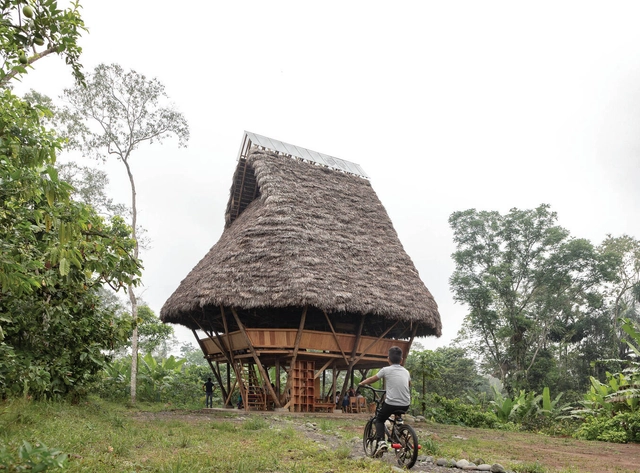
The Fondazione Teatro dell'architettura has announced the architecture firm Al Borde (Ecuador) as the winner of the 2024 BancaStato Swiss Architectural Award. Founded in Quito by Pascual Gangotena, David Barragán, Maríaluisa Borja, and Esteban Benavides, Al Borde conceives a collective approach to design and construction, paying special attention to climate variables, the involvement of local communities, traditional construction techniques, and innovation. As they state, Al Borde“inhabits the territory of questioning, where certainties about what architecture should or should not be are constantly under construction.”
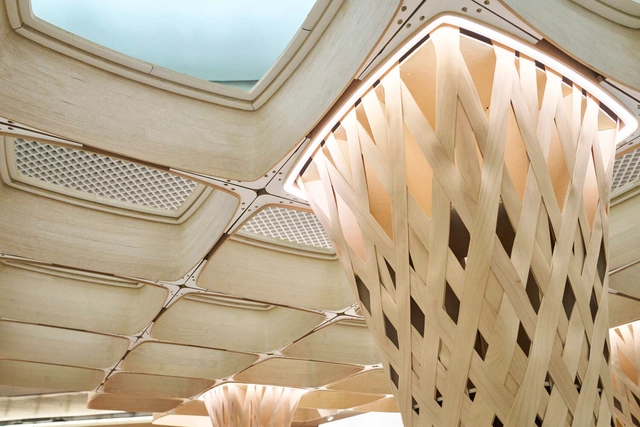
The use of innovative tools, techniques, materials, and technologies to shape the future of construction is a subject that captivates professionals across architecture, engineering, construction, and planning, as well as investors and industry leaders. Advances in technology and breakthroughs in material science provide a rich landscape for exploration and discussion, sparking lively debates on the ongoing transformations in both urban and rural environments. Key areas of focus include resource management, the challenges posed by the climate crisis, and the broader implications for the built environment.
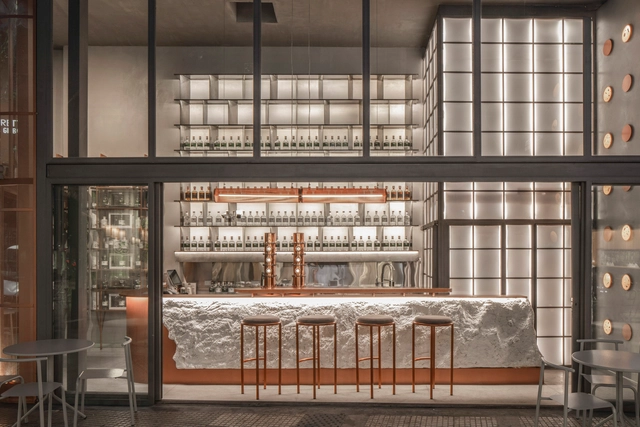
When designing spaces with reduced dimensions, adopting an efficient configuration and distribution is crucial for the user experience and the smooth development of activities and tasks to be carried out. In the case of bars and restaurants, numerous architecture and interior design professionals strive daily to meet the needs of clients, employees, and employers, considering everything from necessary installations and technologies to services, atmospheres, and furniture suitable for the type of gastronomy to be consumed.
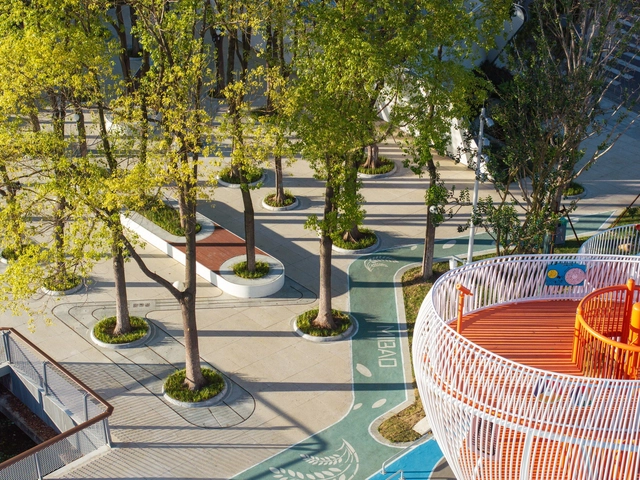
In a quest to enhance and attract new natural experiences to city centers, the design, planning, and revitalization of certain urban spaces align with strategies aimed at improving the quality of life for residents while maintaining a connection with nature rooted in the local landscape. Through technical solutions for wastewater treatment and stormwater drainage, improved accessibility, incorporation of recreational activities, introduction of native vegetation, and more, numerous parks, plazas, and gardens are integrated into urban and rural fabrics. These efforts seek to filter pollution, purify the air, address social issues, and promote experiences that foster connections between nature, biodiversity, and society.
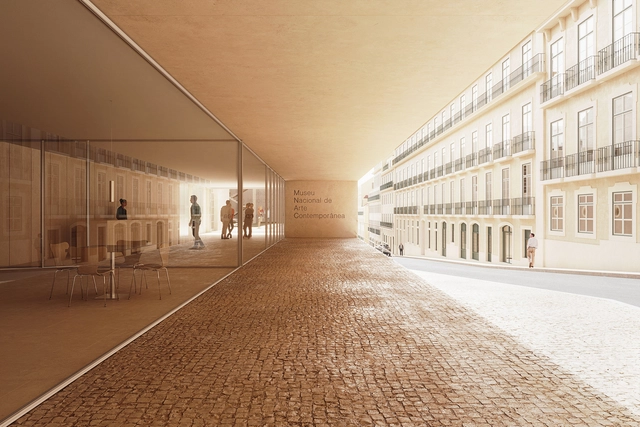
Museo Nacional de Arte Contemporáneo (MNAC) / Luis Manuel Pereira + del medio atelier + Baile Menduiña. Image Cortesía de del medio atelier
The concept by Baile Menduiña and del medio atelier, coordinated by Luis Manuel Pereira, ranked first in the public design competition for the renovation and expansion project of the National Museum of Contemporary Art (MNAC), located in the historic Chiado neighborhood in Lisbon. Among the 29 projects submitted for the competition, the jury, composed of Carlos Bessa, Elisabete Moura, and André Caiado distinguished a total of five projects and awarded a series of honorable mentions.
As the year comes to an end, we take a moment to honor the careers and contributions of celebrated architects, designers, and artists who passed away in 2024. These influential figures have left a lasting legacy in the built environment, prompting deeper thought about the role of their disciplines in society and their ability to evolve over time.
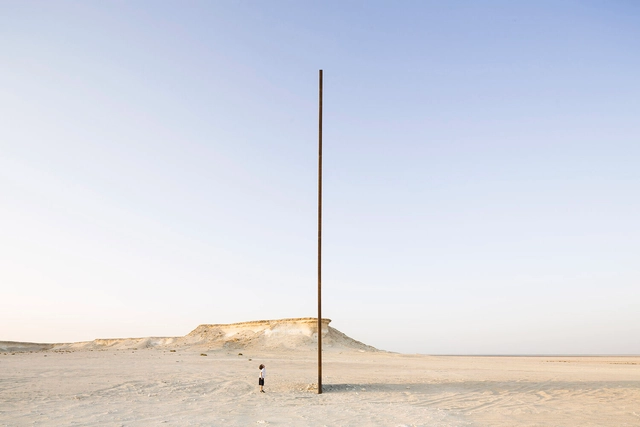
Whether through their work in academia, professional practice, or the arts, each of these individuals stood out for their dedication to advancing the fields of architecture, landscapes, design, materiality, and more. From Pritzker Prize-winning architect Fumihiko Maki to renowned sculptor Richard Serra, each showcased a unique vision and approach to design, leaving behind a wealth of knowledge to explore.
Combining experience, knowledge, tradition, innovation, and experimentation, Estudio Planta, based in Buenos Aires, Argentina, focuses on fostering the relationship between architecture and nature by using vegetation as a building material and integrating outdoor spaces into daily life. Addressing the unique characteristics of each site, programmatic innovation, sustainability, care for noble materials, and construction details, the practice defines its identity by proposing ways of living in harmony with its inhabitants and understanding the legacy that architecture can leave for society.
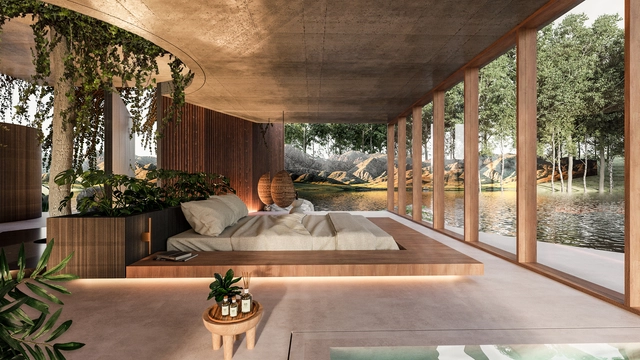
Río interior / CUEVAS Arquitectura . Image Cortesía de Porcelanosa
Beyond mere functionality, design can be explored as an art form by triggering emotions and becoming a welcoming sanctuary. In a quest to connect design, nature, and human beings, many architecture and interior design professionals seek to create living experiences through the transformation of materials, the promotion of ecological and sustainable commitment, or the implementation of innovative solutions that transcend aesthetics to enhance user comfort.
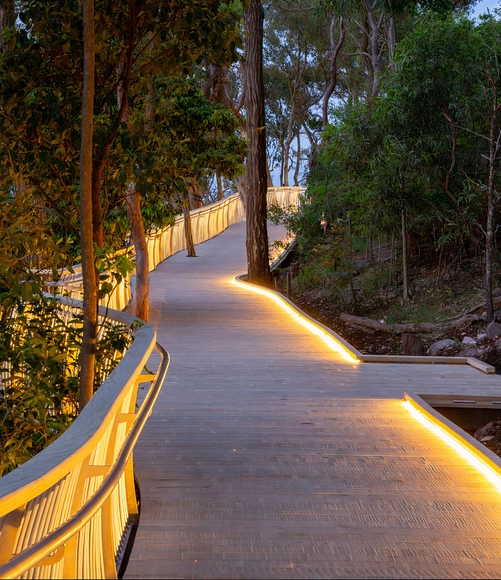
Offering a balance between aesthetics and comfort, designing wooden decks for outdoor spaces such as patios, terraces, walkways, balconies, gardens, or swimming pools represents an excellent alternative for creating outdoor areas for relaxation, entertainment, and recreation. When paired with swimming pools, fountains, or water features, decking in various dimensions, colors, and finishes combines the warmth of wood with the clarity of water, provided it is treated and maintained to maximize durability and optimize long-term performance. Indeed, Leaf Panel's Forta Deck offers a renewable, recyclable, and high-quality solution for outdoor flooring, highlighting the importance of reducing the carbon footprint of building products and leveraging the properties of acetylated wood to improve outdoor performance.
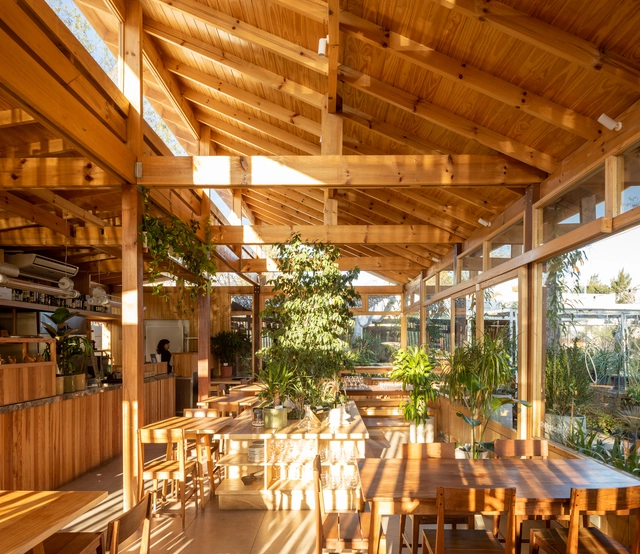
La Valiente Focaccería + Maíz / OHIO Estudio. Image Cortesía de OHIO Estudio
Creating spaces for social interaction involves design processes aimed at countering the individualization of people by fostering bonds and connections between them. While advancements in information and communication technologies provide new tools that optimize the development of certain activities and functions, their societal impact often tends to increase individual practices, such as remote work, virtual fitness activities through apps, or the digital consumption of goods, services, and events, among others. From architecture and interior design to urban planning, many emerging practices face the challenge of consolidating spaces for social interaction through design strategies, uses, and natural connections that prevent the replacement of physical space with virtual alternatives.
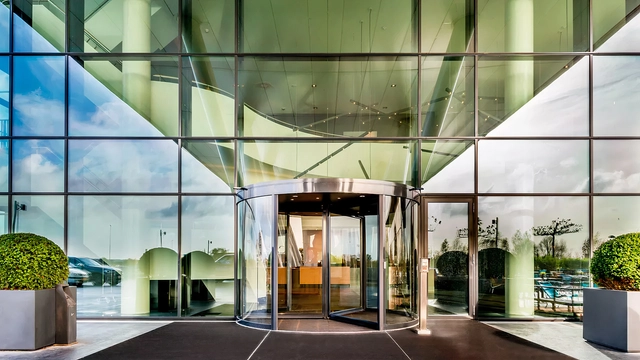
Accessibility in architecture is essential for creating built environments that accommodate of all ages, from young children to the elderly. In both public and private buildings—whether residences, infrastructure, or facilities—the design of internal pathways, circulation areas, and entrances and exits must prioritize safety, clarity and efficiency. This approach enhances daily activities and ultimately improves quality of life. ASSA ABLOY Entrance Systems offers a wide range of products, including automatic, industrial, and commercial doors, as well as digital solutions, to meet user needs.
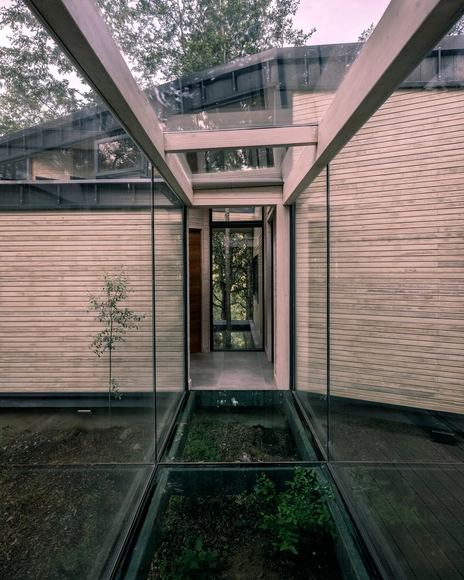
What role do glass surfaces play in connecting contemporary architecture, nature, and the experience of those who inhabit interior spaces? The evolution of the glass envelope has accompanied the development of contemporary architecture, with the transmission of natural light serving as one of its defining qualities. Furthermore, the material's versatility and transparent character blur the boundaries between indoors and outdoors, while evoking a range of sensory and psychological experiences, among other virtues. In its constant search for innovation, Glasstech offers a wide range of glass solutions, providing end-to-end support from initial project design to final installation. To illustrate these diverse applications, we examine Casa Bosque in Chile as a prime example of architecture in harmony with its natural surroundings.
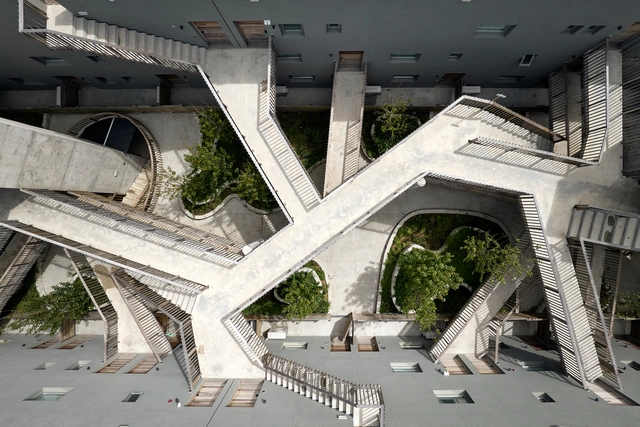
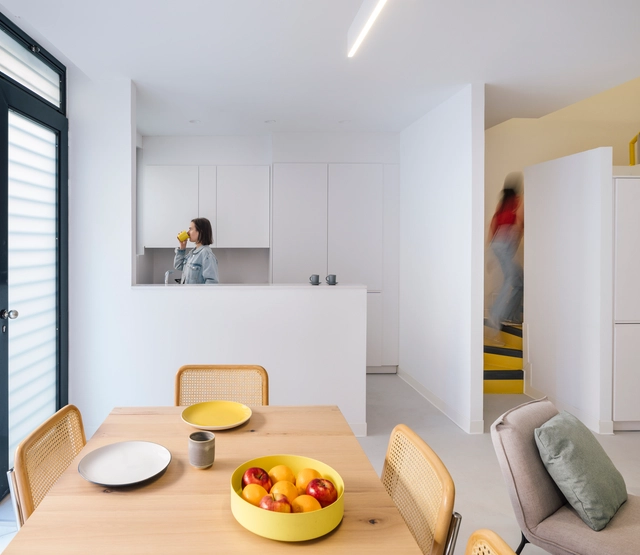
Amid a significant global housing shortage and an increase in urban growth, the residential phenomenon of co-living is expanding, fostering a community-based lifestyle where socialization becomes a fundamental principle. Resources, values, interests, and experiences are shared, creating new ways of living. While co-living buildings also incorporate spaces for individuality, this new form of communal domesticity emerges as a viable alternative suitable for diverse users, not only students or young adults but also older residents, promoting efficient space utilization and intergenerational interaction.
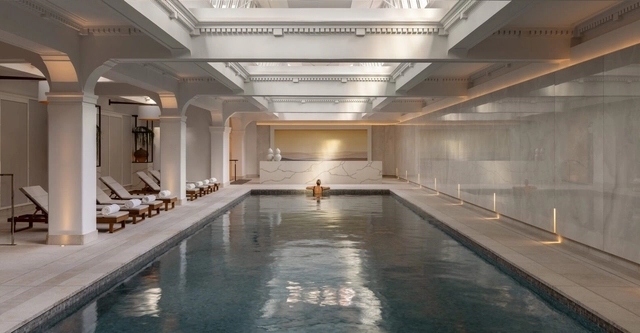
The evolution of new technologies, innovative applications, and a shift towards sustainable solutions are central to contemporary hotel architecture. These developments aim to raise awareness about environmental care while enhancing indoor comfort and well-being. From expansive resorts and tourist complexes to cabins and remote retreats, the design of common areas incorporates essential furniture for effective activities, proper climate control equipments, and wall and floor finishes that align with specific needs.
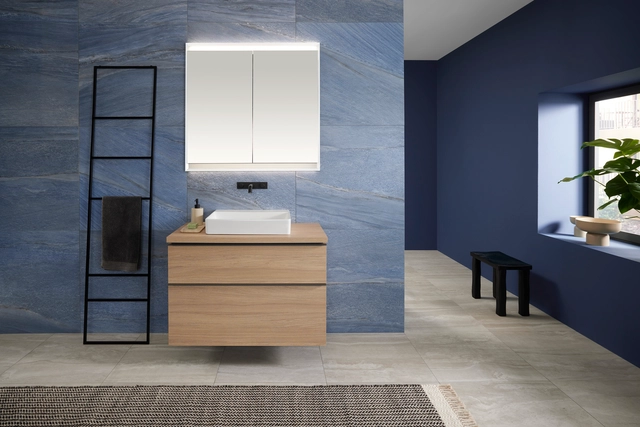
Not all people share the same routines, habits, or customs, yet we all have the same fundamental needs, regardless of age, social class, gender, culture, or religion. Designing bathroom spaces involves considering parameters of accessibility, technology, cleanliness, comfort, and durability, while offering efficient and sustainable solutions that ensure optimal performance. But what does functionality in architecture really mean? How do usage patterns evolve over time? Geberit products showcase various design proposals through their Mix and Match approach that blend furniture, sinks, and other bathroom accessories, all conceived to meet the diverse requirements of their users.
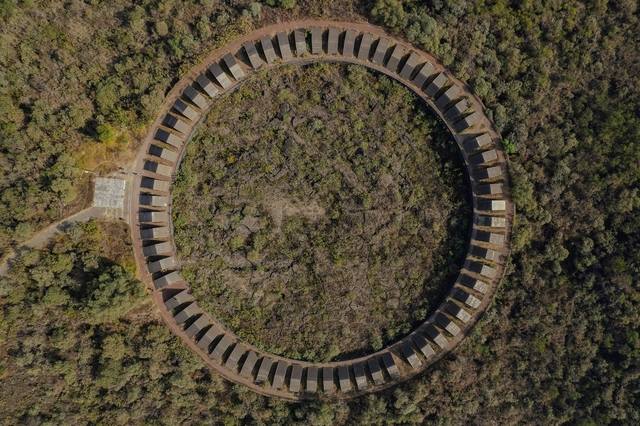
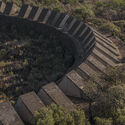
Integrating contemporary art with the landscape in a dialogue between human creation and the natural environment, the Sculpture Space of the National Autonomous University of Mexico (UNAM) represents one of the most important public artworks in Latin America. Both the Sculpture Space and the Pedregal de San Ángel Ecological Reserve at UNAM in Mexico City have recently been awarded the Carlo Scarpa International Prize for Gardens 2023-2024, granted by the Benetton Foundation for Studies and Research based in Treviso, Italy. They were recognized for their high natural, historical, and cultural value as works of preservation and collective art that emerged from a lava surface where new neighborhoods and UNAM’s University City were developed.
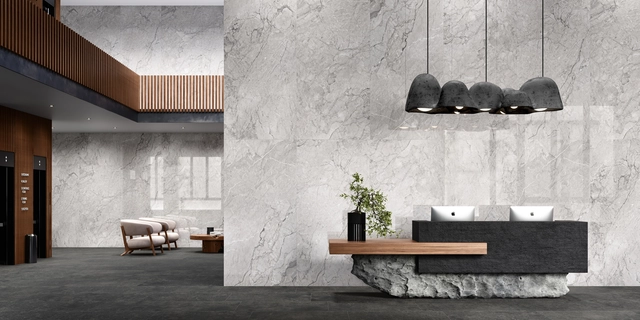
Year after year, interior design surprises us with new trends in colors, materials, textures, and patterns that take center stage in the spaces we inhabit. Maintaining a balanced dialogue, considering both the needs to be met and the emotions to be conveyed, is central to the design of diverse environments. Ceramic, mosaic, and porcelain coverings allow for the creation of spaces ranging from warm and cozy to elegant and sophisticated.