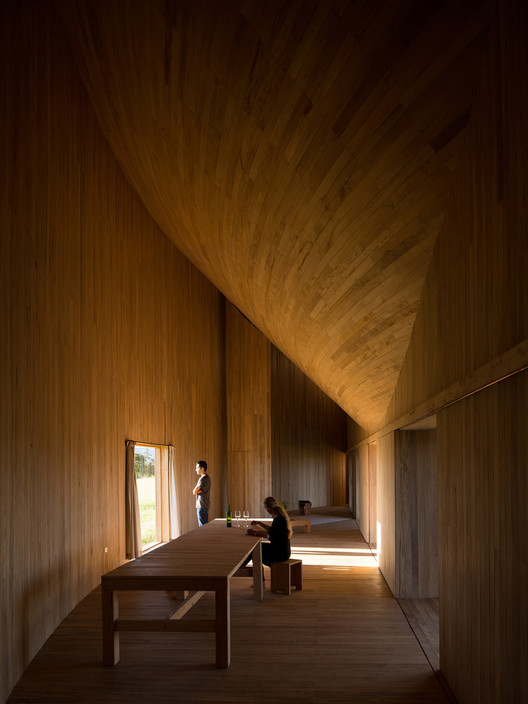
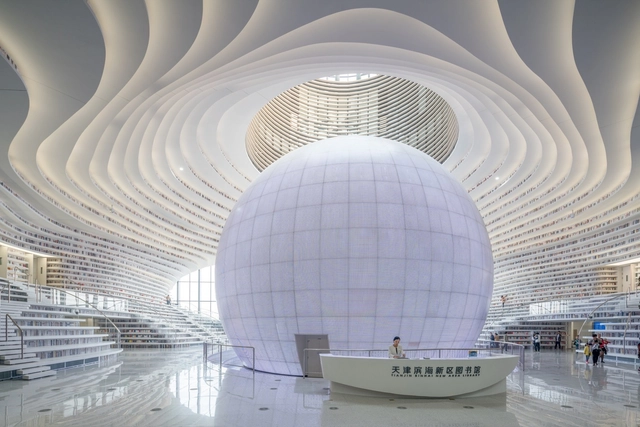
With more than 4000 different projects published during the year, our editors want to close an exciting year for architecture with a selection in a typology near and dear to us all: houses.
From remote landscapes to urban infills; vernacular design to high-tech automation, this selection of 80 houses highlights 2018's most exciting moments for architectural design, material and construction innovation, challenging topography, and client desires - all in the home. See the best houses from around the world here.
As we approach the end of the year, we would once again like to thank you all for making 2018 our best year yet. With your continued support, we are now reaching more architects around the globe than ever, and inspiring them in the creation of better urban environments for all.
https://www.archdaily.com/907313/the-best-architecture-of-2018AD Editorial Team
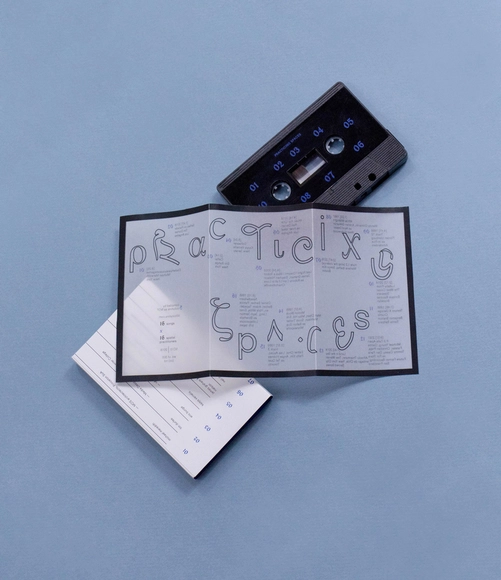
Architecture has long proved an inspiration to musicians, with artists as diverse as Art Garfunkel and Kanye all drawing (so to speak) from the field. Some musicians even began their professional careers as architects - Weird Al, Ice Cube, and three of Pink Floyd's founding members among them.
https://www.archdaily.com/908642/the-new-mixtape-featuring-your-favorite-designersAD Editorial Team
A month after the event, the various nominees of 2018's World Architecture Festival have returned to their home cities, leaving the fanfare of the year's event in Amsterdam as a memory. But that's not to say it's not left a lasting impact.
https://www.archdaily.com/908256/world-architecture-festival-winners-share-their-experiences-of-the-eventAD Editorial Team
'Tis the season of holiday cheer, and with that comes the creative greetings from offices, museums, photographers and collaborators around the world! See our favorites below (or check out our best reader-submitted cards).
If asked about comfort, what is the first thing that comes to mind? Luxurious finishes, plush chairs and sleek interiors? Few would think of their office, and the likely culprit is a fundamental ignorance of an alternative definition of comfort. When defined as a state of physical well-being derived from the provisions that are necessary for occupants to perform space-specific tasks, it’s apparent that architects play a key role--and that comfort is not just about spaces that are comfortable for leisure activities.
Architects and designers are responsible for the visual, thermal and acoustic qualities of spaces, not to mention the indoor air quality of our offices and homes. This is fundamental considering that the typical 21st century urbanite spends an average of 90% of time indoors. We constantly experience physical, psychological and physiological consequences of the balance (or imbalance) of indoor environmental design .
With this in mind, thermal comfort seems obvious (and it is) but unfortunately comfort as a holistic goal of architecture has not been taken seriously enough. Beyond measuring the acoustic and visual aspects of a built space, architects must have a solid understanding of the underlying concepts that drive the best practices. A solid grasp on how material selections will affect qualitative assessments of conferences rooms, homes, theaters, etc. can improve basic tectonic decision making that can, in turn, create more comfortable spaces.
While the holidays bring with them a well-earned break for most architects, the creativity doesn't stop when the studio doors close. From gifts to greetings, designers bring their talents to the full range of holiday trappings - and we're here to share. This annual challenge, now in its fourth year, is our way of celebrating the inventiveness, originality, and artistry of ArchDaily readers from around the world. Below, our 50+ favorites from our readers:
https://www.archdaily.com/907907/best-submissions-to-the-2018-architecture-holiday-card-challengeAD Editorial Team
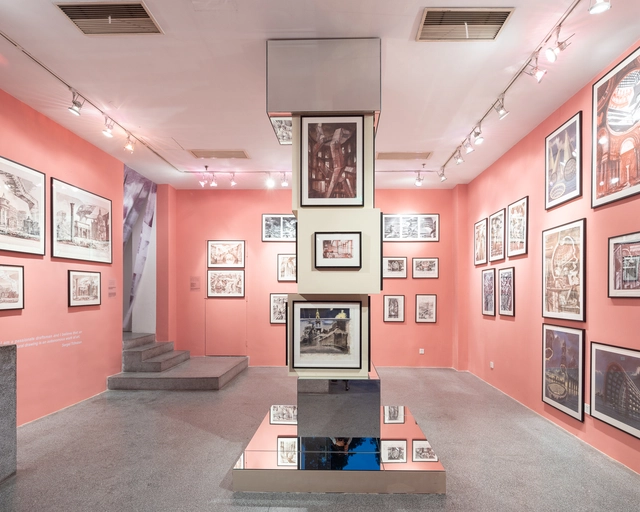
“A drawing should be a key to the understanding of architecture – what is there to like or dislike, where do architects’ ideas come from, how do these ideas make it to paper, and what is important in this process.” - Sergei Tchoban
For the past month the Russian-German architect, artist, and collector Sergei Tchoban has been the focus of the exhibition, Sergei Tchoban: Drawing Buildings/Building Drawings, bringing together fifty of the architect’s large-scale urban fantasy drawings. These drawings, while intriguing for their technical and artistic value, also reflect Tchoban's deeply personal contemplations about the past, present, and future of his favorite cities - Saint Petersburg, Rome, Amsterdam, Venice, Berlin, New York – along with in-depth documentation of five realized projects (two museums, two exhibition pavilions, and a theater stage design.)
The holiday season may be one of joy, but there's always a little panic involved as well. You want to treat your loved ones to a gift they'll treasure and appreciate, but where to start?
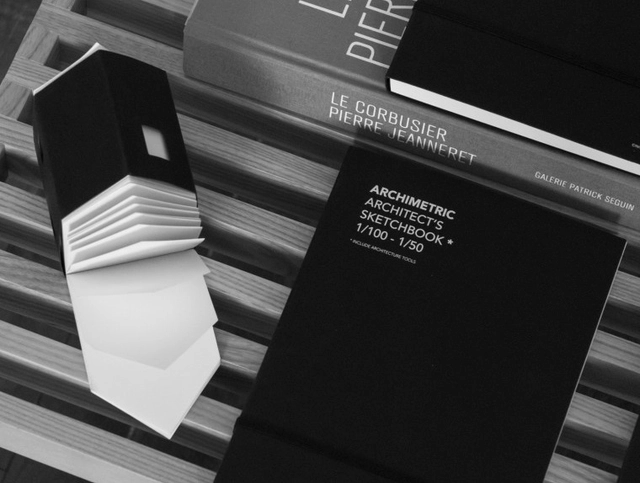
Readers, ArchDaily has you covered. This year we've separated our choices in sections to help you find that perfect gift for the picky (budding) architect in your life. Our choices - and links to where you can find them - after the break:
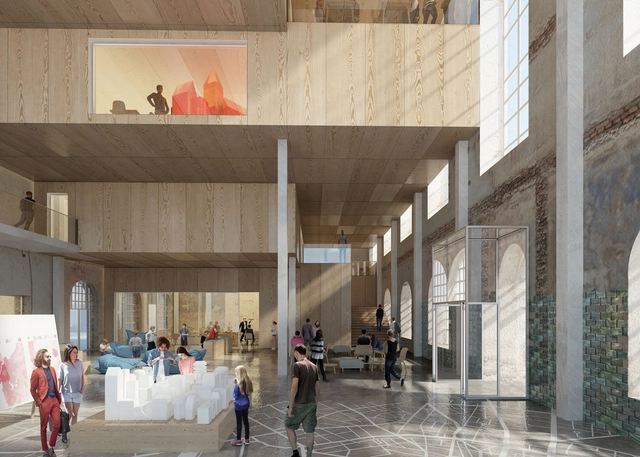
ADEPT's interior proposal for the Stadtmuseum. Image Courtesy of ADEPT
Danish architecture firm ADEPT has been announced the winner of a competition to redevelop Berlin's Marinehaus as part of the city's Stadtmuseum group. This iteration of the competition was launched in 2018 (following a similar competition ten years ago) and will rehabilitate the Marinehaus for public use after nearly 20 years of closure.
https://www.archdaily.com/906319/adept-wins-competition-to-design-new-city-museum-for-berlinAD Editorial Team
At IE School of Architecture and Design, we know that the world of work is changing so fast that we cannot always keep up. Industry disruptors, such as emerging technologies, are unsettling the setup of the traditional office. Workforce demands, the ongoing talent war, and the threat of job replacement by AI all contribute to a workforce under tremendous pressure, creating new dynamics at work.
Alain de Botton’s Living Architecture project - a joyful, democratically-minded concept to share quality architecture in the UK - was borne out of personal crisis. The Swiss-born philosopher and author gained fame in both popular and architectural circles following the release of his book, "The Architecture of Happiness."
The book was immediately successful (movie buffs may recall its brief cameo in the 2009 film 500 Days of Summer), but the response unsettled Botton. “...However pleasing it is two write a book about an issue one feels passionately about," he explained to Assemble Papers, "the truth is that - a few exceptions aside - books don’t change anything. I realized that if I cared so much about architecture, writing was a coward’s way out; the real challenge was to build.”
Erieta Attali has devoted two decades to exploring the relationship between architecture and the landscape at the edges of the world. Attali’s photography interrogates how extreme conditions and demanding terrains provoke humankind to re-orient and center itself through architectural responses. Her unrelenting and highly physical expedition has seen her traverse four continents, working in isolated and remote terrains from Iceland to the Indian Ocean.
To rank architects, or to even pretend that any list or selection would be exhaustive and/or apply to the individual tastes of every architecture lover, seems, on the surface, a pointless task. However, as we move away from looking for inspiration from merely the great masters or the handful of contemporary firms studied in academic programs, it is important to shine a light on the works that we, as ArchDaily editors, have found particularly valuable. Of the thousands of architects whose projects have been selected to be published on our site, we occasionally notice firms whose work stands out. Whether we’re drawn to their innovative approach to practice, the role they play in contributing to their local communities, or their generosity, we are eager to display their work as an example, so that others may be inspired to challenge the status quo.
https://www.archdaily.com/904738/a-selection-of-the-worlds-best-architectsAD Editorial Team
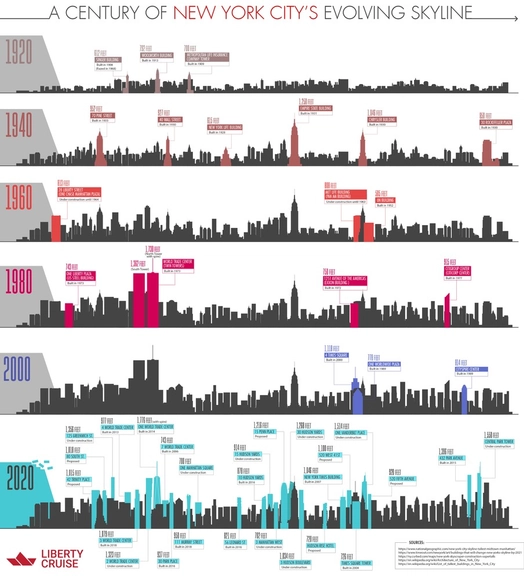
Manhattan is known for its iconic skyline, brimming with skyscrapers, high rises, and some of the most impressive architecture in the world. But it wasn’t always that way; it took hundreds of years for New York City to become the structurally diverse, world-famous city that it is today.
https://www.archdaily.com/904180/100-years-of-change-in-new-yorks-skyline-1920-2020AD Editorial Team
When it's time to dress up for Halloween, Carnival or theme parties, people often choose costumes that resonate with their interests. This is especially true for architects, who are particularly well-suited to designing and building head-turning outfits. For students and young architects, the yearning to construct (and destruct) stems from the will to create elaborate headpieces and ingenious appendages.
https://www.archdaily.com/881710/architecture-costumes-for-halloween-carnival-and-office-partiesAD Editorial Team
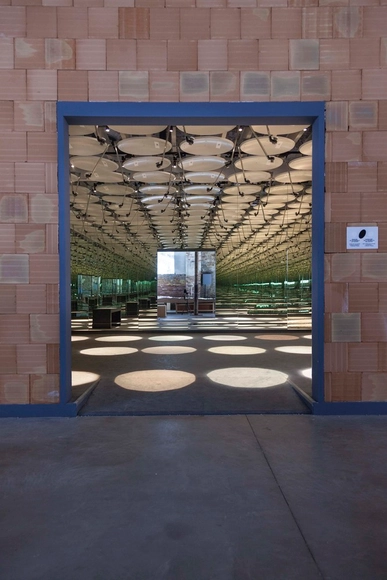
The ‘90s in Kosovo under the Milošević regime are known as times of repression, a time when ethnic Albanians were expelled from all state-run institutions and thereby removed from public life. Funded by the 3 percent income tax mainly from Albanian Diaspora, Albanians created a parallel system of education, culture and healthcare in their private houses, which citizens offered for free. These private houses provided space for public life for almost ten years in Pristina, the capital and other cities in Kosovo. In the ‘90s, life that the city center provided for everyone ended for Albanians, and all activity was dislocated to the periphery. The entire Albanian community shrank into private houses. The house became a school, a restaurant, a promotional activity space, an office, an art gallery, a hospital and a home at the same time.
https://www.archdaily.com/901614/the-cityiseverywhere-the-kosovo-pavilion-at-the-2018-venice-biennaleAD Editorial Team