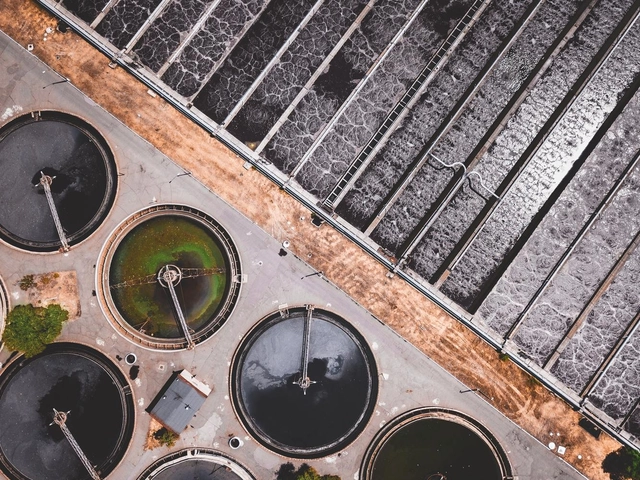
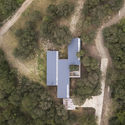
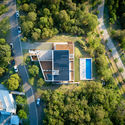
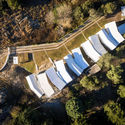
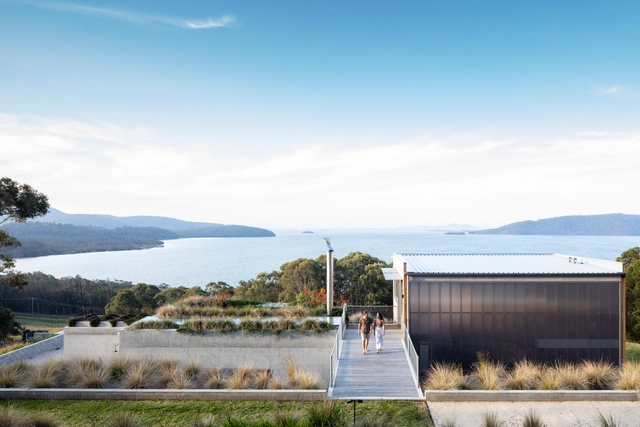
Small unmanned aerial vehicles (UAVs), commonly known as drones, have opened up new possibilities for documenting built works. Aerial photography reveals aspects of a project that are often difficult to capture from a pedestrian perspective. Much like roof plans, aerial views more clearly illustrate design decisions regarding site placement, orientation, typology, relationship with the immediate surroundings, and pre-existing structures, among other aspects.
Solar radiation is one of the most important criteria in architectural projects, as it impacts several decisions ranging from the orientation of the building on the site to the choice of windows and doors. Therefore, to ensure the quality of lighting and visual comfort in building interiors, it is crucial to study the sun path and the quantity of sunlight in each given space.
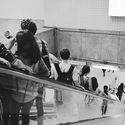
Stairs vs. Escalators. Until the beginning of the 20th century, vertical circulation was carried out through stairs. Without the apparatus of electricity, vertical circulation demanded physical effort and the attention of users, relying solely on human strength. The escalator emerged "with the rush of industrial inventions together with the science fiction desires of the 1800s, presented in 1915 as an object of entertainment at the great exhibitions of Paris and Coney Island" (KOOLHAAS, 2014, p. 1303). Soon after, it began to be used as a functional element of circulation. Initially, its use was intended to replace common stairs; however, the new technological apparatus failed to fulfill this function, becoming a complementary element and acquiring a new meaning. With larger steps to accommodate a standing, stationary body, the escalator enables a more intense flow of people, connecting steeper spaces within a smaller footprint. Compared to stairs, escalators demand different rhythms, sensations, and physical conditioning from those who traverse them.
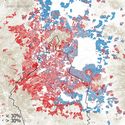
Throughout history, the bicycle has endured as a means of transportation, evolving in various ways. In recent years (and even prior to the COVID-19 pandemic), however, its popularity has surged, specifically in major cities. In rural areas, by contrast, it has always been one of the primary modes of transportation due to the lack of other infrastructure. In Mexico, there are regions that have historically been highly bicycle-centric. While cycling is often associated with being a trendy mode of transportation, the reality is that its use is concentrated among low-income groups across towns, municipalities, and even entire states. Unfortunately, investment in cycling infrastructure in Mexico remains consistently low.
Case Study House 22. Image via Flickr user: mbtrama Licensed under CC BY 2.0
Between 1945 and 1966, the Case Study Houses program, following the Weißenhof-siedlung exposition, commissioned a study of economic, easy-to-build houses. The study included the creation of 36 prototypes that were to be built leading up to post-war residential development. The initiative by John Entenza, editor of Arts & Architecture magazine, brought a team to Los Angeles that featured some of the biggest names in architecture at the time, including Richard Neutra, Charles & Ray Eames, Pierre Koenig, and Eero Saarinen, among others.
The program's experiment not only defined the modern home and set it apart from its predecessors, but it also pioneered new construction materials and methods in residential development that continue to influence international architecture to this day. Take a detailed look at some of the program's most emblematic work together with recommendations for facing contemporary challenges.
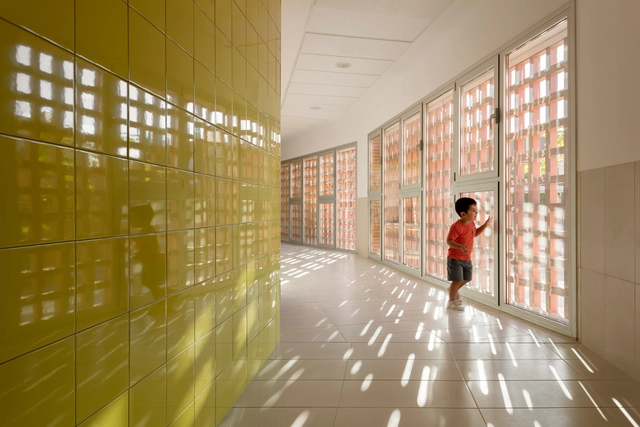
The ongoing pandemic has been a disruption to the everyday routines of billions around the world, as due to being confined to their households, the separation between work and rest has become extremely blurry, with people forced to rethink and reconfigure the layout of their personal spaces. Conversations have abounded on how to create flexible working spaces in a home environment, and if offices themselves are an outdated model that we should leave behind. A missing part of that conversation, however, is the impact that the pandemic has had on children, specifically primary-school level children, on their education - as inequalities are emphasized, some children learning with slow internet connection speeds, or struggling to have the space required to adequately complete educational activities.
Through its Seminar on Culture and Contemporary Reality course, Escola da Cidade, in collaboration with the Carmen Portinho Feminist Collective, hosted seven women to discuss architectural production in today's context and how gender issues intersect with this field.
Contrary to popular belief, it is impossible to separate law and urban planning. Both disciplines have served as instruments to establish the rampant inequalities we live in—one through the administration of state force, the other through the accumulation of territorial power. Yet both also hold the keys to creating more equitable cities. The only way to build a true right to the city is through interdisciplinary dialogue, particularly now that a reform proposal seeks to recognize this right in the Political Constitution of the United Mexican States. This article aims to open a space for dialogue among those of us working in law, architecture, and urban planning.
Today, March 22, marks World Water Day. According to data from the UN, the organization responsible for establishing this commemorative date, by the year 2050, between 3.5 billion and 4.4 billion people will have limited access to this resource, the use of which increased sixfold over the last century and currently grows at a rate of approximately 1% per year.
In light of such concerning figures, the concept of sustainability and the importance of solutions aimed at water conservation and reuse become even more critical.
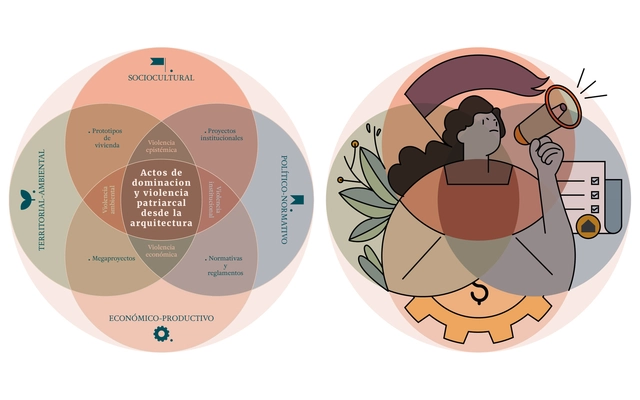
"Acts of Patriarchal Domination and Violence from Architecture" is a campaign created by Mariana Ordoñez and Jesica Amescua through their Instagram and Twitter accounts, in collaboration with Ximena Ríos. It arises from the need for deep, self-critical reflection on the violence and acts of domination exercised within the architectural profession.
https://www.archdaily.com/1128260/acts-of-domination-and-patriarchal-violence-through-architectureMariana Ordoñez, Jesica Amescua y Ximena Ríos
LEGOs are universal world-building units and a popular gateway into architecture. Of course, you can build almost anything with them, cars, spaceships, you name it, but buildings of all kinds — from police-stations to castles — are some of the most popular subjects. What makes LEGOs so appealing to young, and not-so-young architects? What, specifically, makes them a good analogy for the design of buildings? In this episode, Stewart purchases a box of LEGOs and uses it as a springboard to talk about what he’s learned from the toy block system. From lessons on modularity and proportion, to grammar and resolution, to compositional categories of additive and subtractive, the video breaks down how these fundamental concepts apply to both LEGOs and to the history and design of architecture.
How do we design spaces that are healthy for both our minds and our bodies? That is the core question we will address this March by exploring our monthly theme, “Well-Being in Interior Spaces.”
If your profession involves going into the office every day, then you’re probably familiar with this age-old question- is the office too hot, or is it too cold? While some colleagues may claim that the workplace feels like a sauna, you might see others who survive the daily grind hidden away under a blanket with a personal space heater keeping them company. The never-ending debate about the perfect temperature might only scratch the surface of many questions that designers and engineers have aimed to solve about the workplace, and they’re probably the aspects that you don’t consider on a daily basis. What about lighting- has a meeting room ever felt too bright, or too dimly lit that you felt uncomfortable?
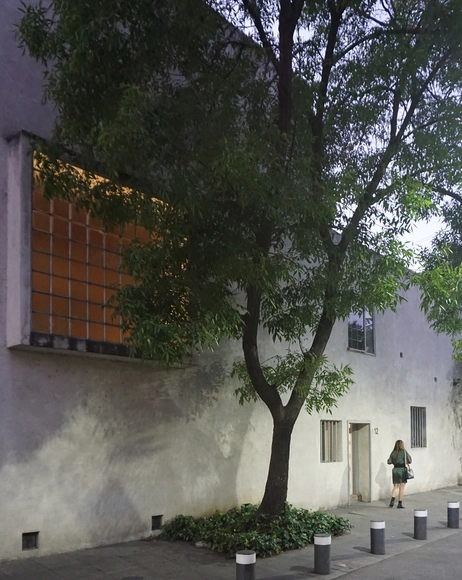
On March 9, what would have been Luis Barragán's 119th birthday, we commemorate Mexico's most celebrated architect and discuss his winning of the 1980 Pritzker Prize.
Water is an essential resource for human life. Ensuring basic sanitation and clean drinking water is one of humanity's greatest challenges. In both urban and rural areas, access to water is critical for the health and well-being of communities and for the success of a wide range of human activities.
This is why the water crisis is such an alarming threat. Rising global temperatures and natural disasters associated with climate change contribute to this scenario. Studies suggest that by 2025, approximately 1.8 billion people will face water scarcity.
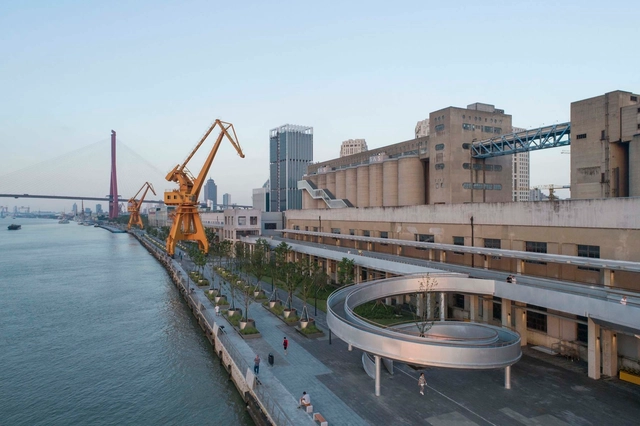
Shanghai Minsheng Wharf Waterfront Landscape and Reconnection / Atelier Liu Yuyang Architects . Image
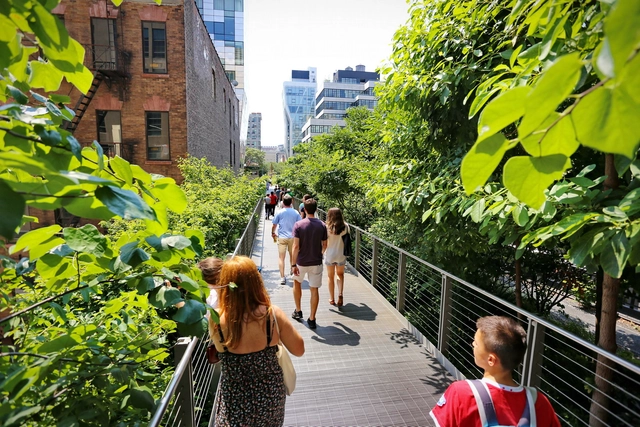
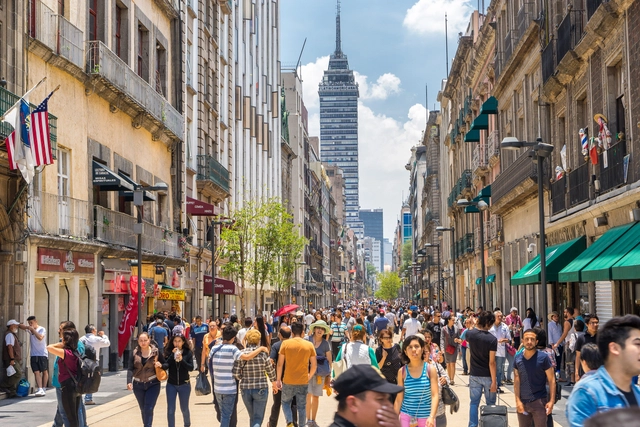
Fred Kent, the founder of the nonprofit organization Project for Public Spaces, once stated that “If you plan cities for cars and traffic, you get cars and traffic. If you plan for people and places, you get people and places." It may sound obvious, nevertheless, our cities today are indeed undergoing a rapid transformation from a car-oriented society to a pedestrian-friendly community.
As income inequality has widened in recent years, the role of philanthropy has been called into question. Is charitable giving by wealthy individuals and powerful corporations always a positive force, or is that connection to wealth and power an inevitable compromise? Whose agenda does philanthropic giving really benefit, the grantees or the granters? These are complicated questions. But truly enlightened giving is a transformative force. It can not only fund worthy causes but if properly timed can sow the seeds of social change.
The Media Architecture Biennale 20 (MAB20) will take place as an online event from June 28th to July 2nd, 2021. This edition will shift the focus on media architecture from the aesthetic spectacle to societal improvement. How can media architecture contribute to better cities, civic engagement and sustainable ecosystems? The event will close off with the MAB Awards, highlighting outstanding projects in this newly emerging field at the crossroads of architecture, urban planning, interaction design, art, and informatics.
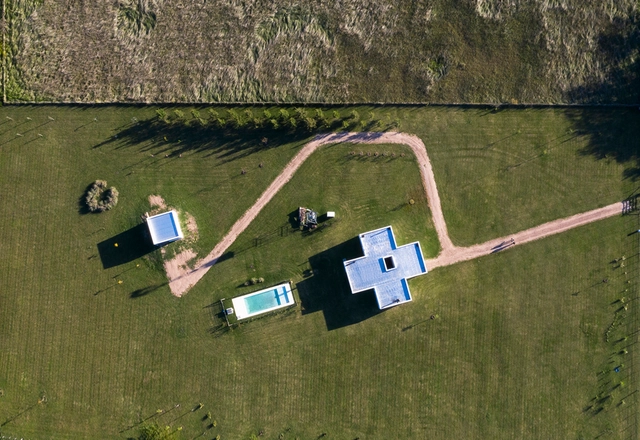


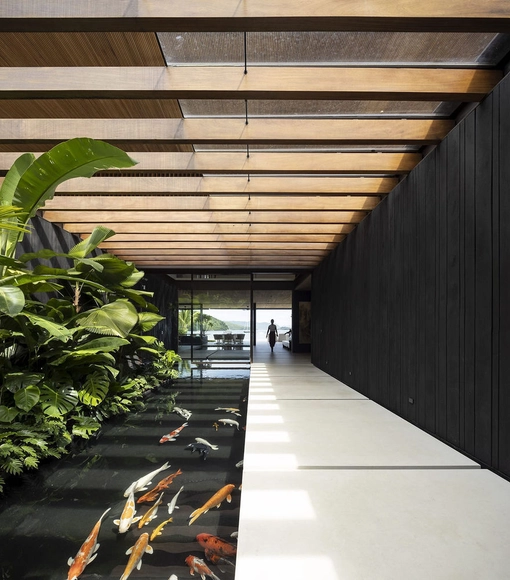

.jpg?1615834807 "Atlântica House / AR Arquitetos. Image: © Federico Cairoli")

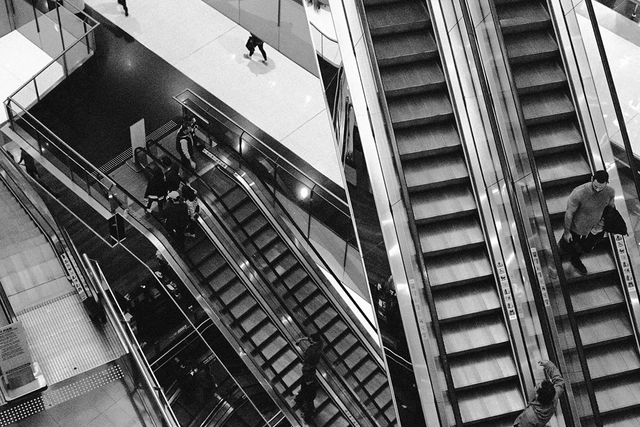


_corpo-máquina.jpg?1616617933 "Escalators in the expanded downtown area. Image © Marina Schiesari")


.jpg?1617032224 "Localities with more than 5,000 inhabitants where over 75% of households use bicycles as a means of transportation. Image © Adrián Acevedo")


.jpg?1553197408&format=webp&width=640&height=580)


.jpg?1616416482 "Majamaja Wuorio Eco-Cabin / Littow Architectes. Image: © Marc Goodwin")