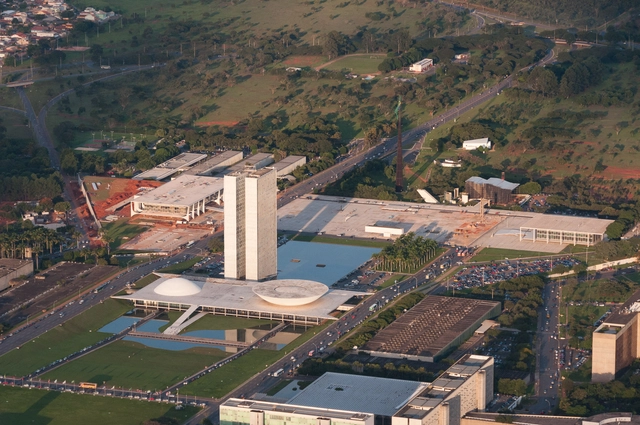
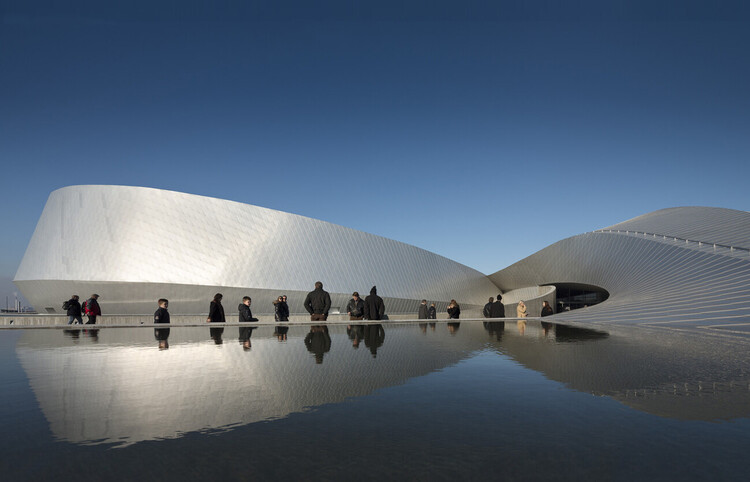
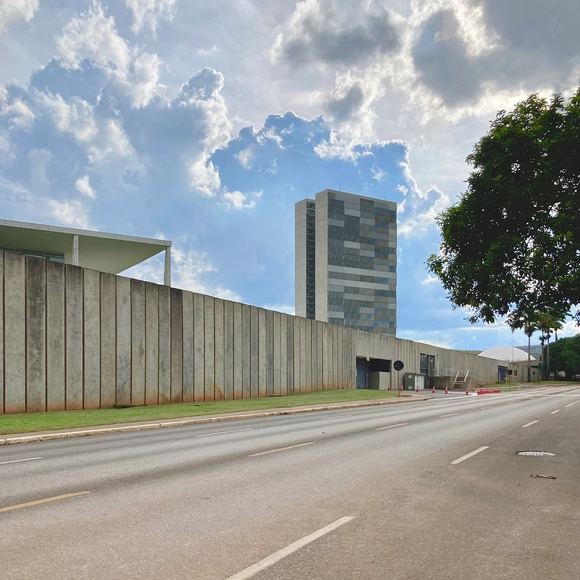
Few places in the world have an overlap of complexities as intense as Brasília. Even so, its architecture symbolizes the Republic and democracy of Brazil, and any act of attack on these symbols carries meanings and consequences for Brazilian memory and cultural heritage. The terrorist acts of January 2023 destroyed part of the heritage and raised questions beyond objects and architecture, touching on education, culture, and national political capital.
True beauty in architecture lies in its ability to serve and improve human experience, yet this fundamental principle is not always upheld. Too often, we see “public” buildings that do not integrate into the urban fabric, are disconnected from their surroundings and fail to contribute to a city’s vibrancy and quality of life. Some may be quite beautiful to look at, but if they are not functional, comfortable, and welcoming to the people they are meant to benefit, their value as public spaces becomes rather questionable. Architectural icons like the Sydney Opera House and Bilbao Guggenheim Museum, for example, are celebrated not just for their stunning silhouettes or breathtaking interiors, but because they enhance culture and city life, enrich the community, and offer diverse opportunities for interaction and public involvement. It is this holistic, human-centered approach to design that allows these landmarks to become integral parts of a city’s identity, one that is embraced and owned by its citizens.
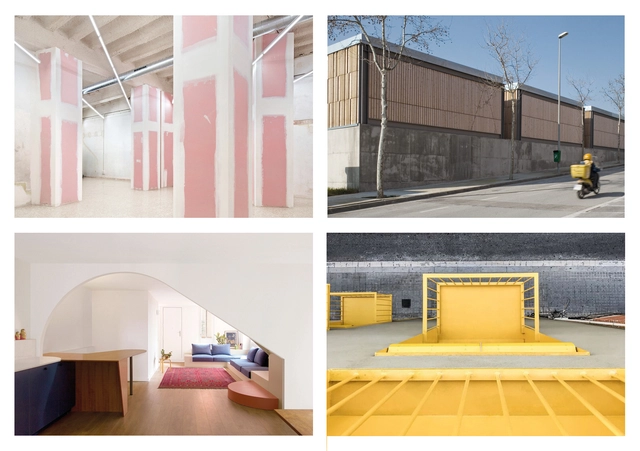
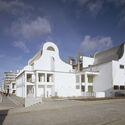
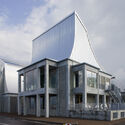
Galería de arte en calle Trafalgar; Archivo histórico comarcal del Garraf; Rehabilitación de vivienda en Walden-7, Viviendas siete vidad - Montaje con fotografías de proyectos de los estudios mencionados
We are going through times of great change and we are all aware of that. The role of women in the field of architecture is becoming more and more relevant and, unlike other times, such as in the 20th century, the female figure is no longer hidden behind the male figure, as happened to Anne Tyng with Louis Kahn or Lilly Reich with Mies van der Rohe, just to mention a few examples.
Architect business development can be very challenging. It's not a topic that comes up in design school, and many of the practices that firms employ today can simply be categorized under the heading, “That's the way we've always done things.” At Archmark, we've helped more than 2,000 architects, in speaking with many firm owners, we've come to understand the struggles of running a successful architecture and design firm.
For example, you may be struggling with one or more of the following issues: Taking on “bad fit” projects because you have to pay the bills, Struggling to find new clients because you don't have a marketing system, Feeling pressure to reduce your fees because clients don't understand or value what you do, Getting pigeon-holed into the same type or level of projects due to a limited referral network, Anxiety about your future due to relying on a small number of large project sources.
If you’re looking to grow your architecture firm and take it to the next level, it may be time to consider some new ideas to mix into your business development process. So, what do you do? Where do you start?
Known as building envelope surfaces that define and condition spaces, enclosures play a key role in architecture.In response to the need to ventilate, heat, and provide maximum comfort inside the home, enclosure systems have evolved in both composition and functionality. Along with closing and opening spaces, their primary function today is to act as a barrier between the interior and exterior, responding to climatic variations and providing thermal comfort to building occupants.
Sodium chloride, most commonly known as salt, is everywhere. Ancient in its uses and abundant in nature, it preserves local ecosystems, de-ices roads, is vital in a variety of industrial processes, and is likely sitting on your kitchen table as a seasoning for your meals. Today, it is attributed relatively little value –considering it used to be as worthy as gold–, and unlike other nature-derived alternatives such as algae or mycelium, there doesn’t seem to be enough research and interest around all of its physical, mechanical or aesthetic properties. And yet it is a material with infinite, extraordinary potential. Apart from its life-supporting qualities, salt is affordable, easily available, antibacterial, resistant to fire, can store humidity and heat, and is great at reflecting and diffusing light.
From 114 participating countries, the World Design Rankings (WDR) have once again ranked the best in arts, architecture and design, sponsored by the A' Design Award and Competition. With the objective of contributing to global design culture through advocating and highlighting good design, the rankings provide additional data and insights to economists and journalists regarding the design industry.
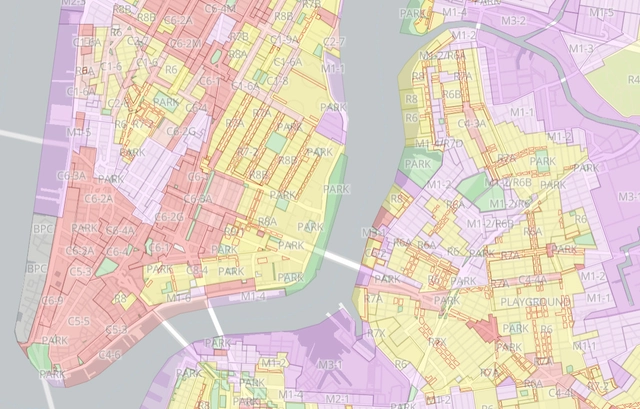
Land use and zoning laws have been a trending topic in recent years, gaining significant public attention across the United States. People are beginning to rethink the ways that our cities have been planned, seeking ways to improve their quality of life- and it often stems from codes and policies that dictate what can be built and where. Zoning that is too restrictive often makes it difficult for developers to build necessary projects such as multi-family housing. But when zoning is too loose, it creates neighborhoods that aren’t walkable and don’t have a strong sense of community.
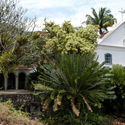
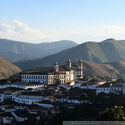
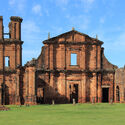
In July of this year, UNESCO designated the Roberto Burle Marx Site as a World Heritage site. As a result, Brazil now has 23 sites and practices inscribed on the World Heritage List, which brings together properties, ensembles, and practices of tangible and intangible value.
According to UNESCO, the 23 listed properties and practices in Brazil can be divided into Cultural Heritage—"composed of monuments, groups of buildings, or sites that have outstanding universal historical, aesthetic, archaeological, scientific, ethnological, or anthropological value"—and Natural Heritage—"outstanding physical, biological, and geological formations, habitats of threatened animal and plant species, and areas of outstanding scientific, conservation, or aesthetic value."
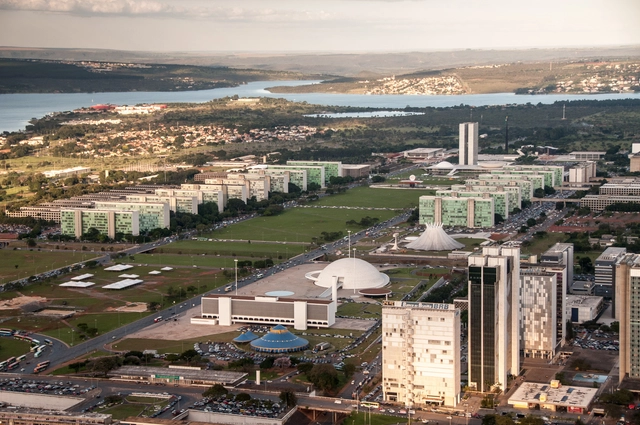
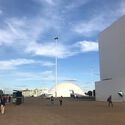
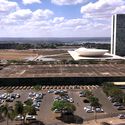
Over 60 years ago, Brasília emerged from the Brazilian interior. Developed in a desolate cerrado between 1956 and 1960, the city that replaced Rio de Janeiro as the nation's capital was a joint creation of urban planner Lúcio Costa and architect Oscar Niemeyer.
With its winged shape, Brasília became a powerful symbol, representing one of the purest embodiments of the hope, splendor, and ingenuity of 20th-century architecture.
Architecture has been criticized for being a primary elitist indulgence. Most architectural projects are funded by the wealthy and seen as a means of bringing beauty into the surrounding environment. Architecture, however, is a double-sided coin with functionality balancing out aesthetics. With the ability to strategize radical solutions, architects equally find themselves at the forefront of solving complex issues. The context of Southeast Asia offers a demanding challenge with various social problems, giving architects a chance to save the world with humanitarian design.
There are many challenges when working with renovations: adapting spaces that were not necessarily designed for a particular program, adding new uses for rooms and modernizing the building in order to make it compatible with contemporary demands. This was the case of Mobio Arquitetura's project for the headquarters of a solar energy fintech company, which sought to value the memory of the historic building while adding a new layer of contemporary and technological infrastructure designed for the comfort, usability and productive coexistence of the new occupants. The office has been selected among the five winners of the 2022 Shaw Contract Design Awards "Best of Globe".
“If I said that Brasília is beautiful, people would immediately see that I liked the city. But if I say that Brasília is the image of my insomnia, they see this as an accusation; yet my insomnia is neither beautiful nor ugly — my insomnia is me, lived, it is my astonishment.” — Clarice Lispector
In 2020, Brasília turned 60. The anniversary almost slipped by, but in times of isolation, I recalled the walks I had the opportunity to take there last year — walks that opened my eyes to the beautiful, the unbeautiful, and the “unobvious” in this famous modernist city. That said, I would like to share my astonishment in exploring this machine-city on foot.
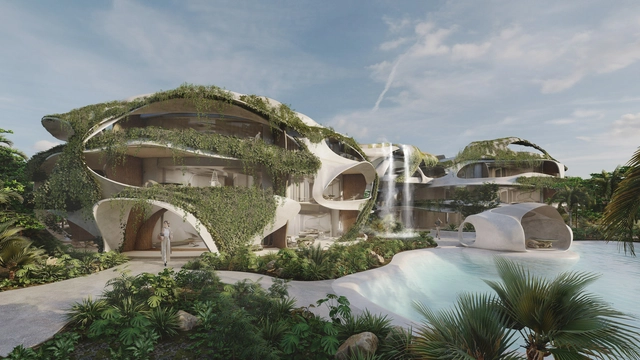
The world-renowned brand, AZULIK announces the new project in Tulum, Quintana Roo which confirms its creative expansion and the growth of architectural scope: "Habitable Sculptures" its first residential complex that they describe as "a new proposal for lifestyle and sustainable luxury." The residential initiative was born from the firm Roth Architecture, continuing with the characteristic aesthetic that "puts nature as the protagonist and the user as a priority."
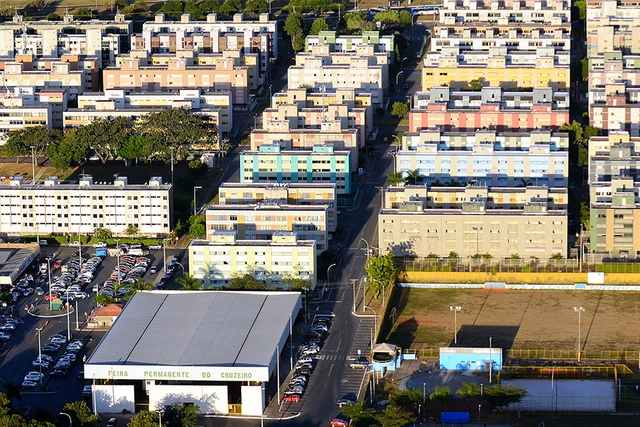
"What characterizes and gives meaning to Brasilia is a game of three scales... the residential or everyday scale... the so-called monumental scale, in which man acquires a collective dimension; the urbanistic expression of a new concept of nobility... Finally the gregarious scale, in which dimensions and space are deliberately reduced and concentrated in order to create a climate conducive to grouping... We can also add another fourth scale, the bucolic scale of open areas intended for lakeside retreats or weekends in the countryside." - Lucio Costa in an interview with Jornal do Brasil, November 8, 1961.
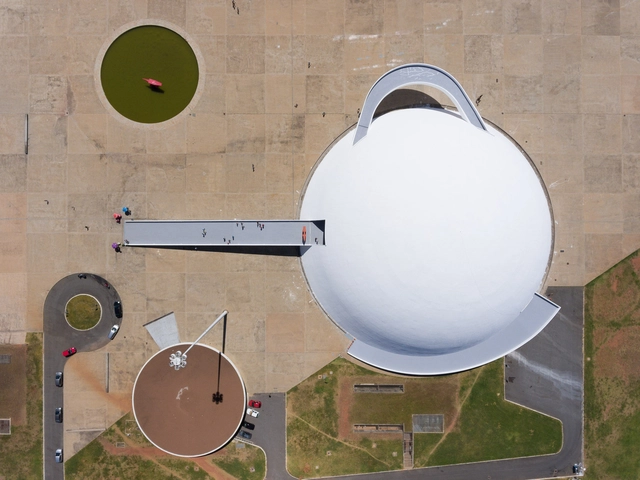
Photographer Joana França shared with us an impressive series of aerial photographs of the national capital of Brazil, Brasilia. The photoset is divided into four sub-series each presenting a scale: residential, monumental, gregarious and bucolic.
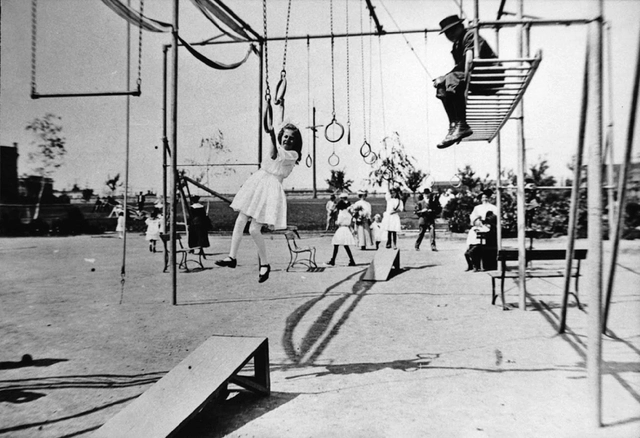
Playgrounds are spaces with equipment dedicated to children's leisure, where they can develop motor and social skills. However, these spaces are new to our cultures and cities and emerge from the recognition of childhood as a fundamental stage of human development.
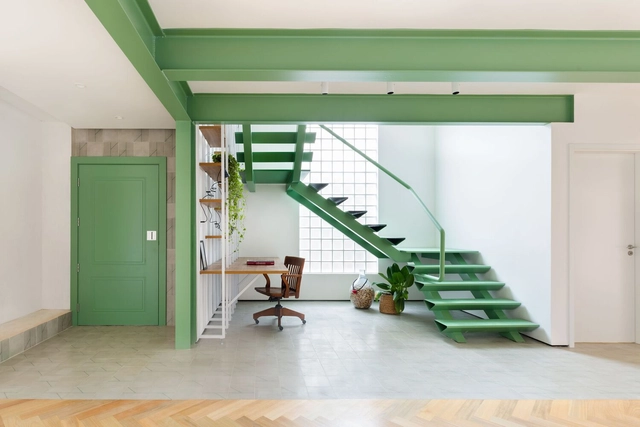
When organizing the elements, materials and colors of an architectural layout, architects can successfully guide users through a room and its different spaces, therefore creating an easy and seamless trajectory for those inhabiting it. By exploring innovative strategies to create new ways of arranging a space, architecture can use color to boost certain aspects of a project’s scheme. The use of color in architectural design combines different factors beyond aesthetic preferences by also affecting the user’s emotions and behavior. Before launching into the color selection, the design process entails certain decision making, such as which architectural elements to highlight, if there is a zonification or division of spaces within the use of colors, the creation of focal points, and the consideration of how each color is associated with a determined mood.
With a breakdown of five architecture projects, the following article analyzes how color is applied as a design strategy to define spaces through three categories: structure, elements and objects, and definition of spaces.
'Color in certain places has the great value of making the outlines and structural planes seem more energetic' - Antoni Gaudí