In a new series entitled "Opening Up", Dutch manufacturer of pivot door hinges FritsJurgens embarks on a series of video stories that explore the world’s most captivating pivot door projects. Every last Monday of the month, FritsJurgens releases a new episode in which architects, door manufacturers, and pivot door owners talk about their pivot door projects.
Articles
Opening Up / Stories of Lisbon’s Light: A Sun-Drenched Office Basking in Natural Light
| Sponsored Content
https://www.archdaily.com/995370/opening-up-stories-of-lisbons-light-a-sun-drenched-office-basking-in-natural-lightRene Submissions
Inflatable Architecture: A Look at the Temporary Structure by Smiljan Radic and Nicolás Schmidt
Architects Smiljan Radic and Nicolás Schmidt designed an inflatable structure for the XXII Chilean Biennial of Architecture and Urbanism. Located in the urban setting of the Palacio de La Moneda in Santiago, it served as a temporary venue for meetings, debates, and lectures that brought public discussions to the forefront regarding the event's central theme: "Vulnerable Habitats."
https://www.archdaily.com/1136345/inflatable-architecture-a-look-at-the-temporary-structure-by-smiljan-radic-and-nicolas-schmidtFabian Dejtiar
Espace Oscar Niemeyer in Le Havre, Through Paul Clemence’s Lens
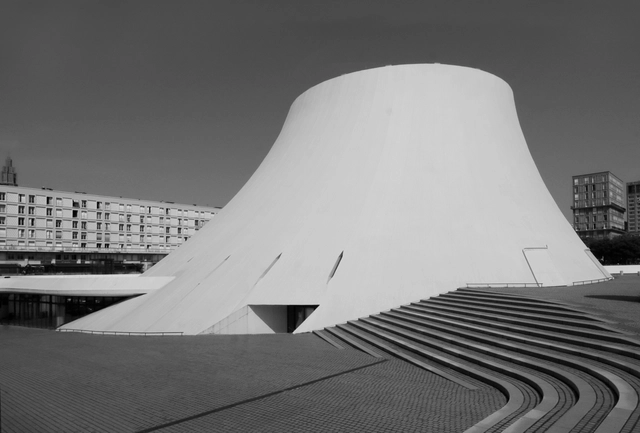
Espace Oscar Niemeyer is a cultural center designed by Oscar Niemeyer in the port city of Le Havre, France. The project’s location is inside the urban reconstruction area conceived by the rationalist architect Auguste Perret after the destruction of the city’s downtown area in World War II.



https://www.archdaily.com/995608/espace-oscar-niemeyer-in-le-havre-through-paul-clemences-lensArchDaily Team
Transparent Buildings and the Illusion of Democracy
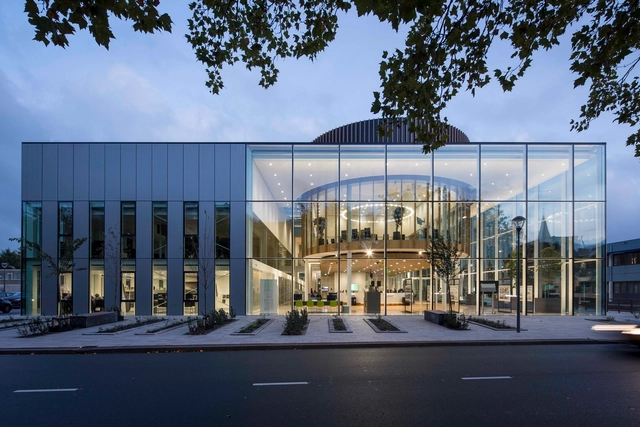
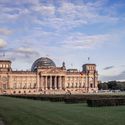
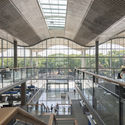
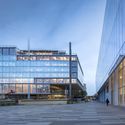
Somewhere between 1914 and 1915, Le Corbusier designed the Maison Dom-Ino, a groundbreaking modular structure that replaced the heavy load-bearing walls with reinforced concrete columns and slabs. The open floor plan with minimal thin elements, coupled with large glass facades, would ensure healthy natural daylight for the interior spaces as well as desirable architectural transparency that could blur the boundaries between interior and exterior —at least metaphorically.


https://www.archdaily.com/955204/transparent-buildings-and-the-illusion-of-democracyRomullo Baratto
17 Architectural Installations at the 2022 SZ-HK Urbanism\ Architecture Bi-City Biennale
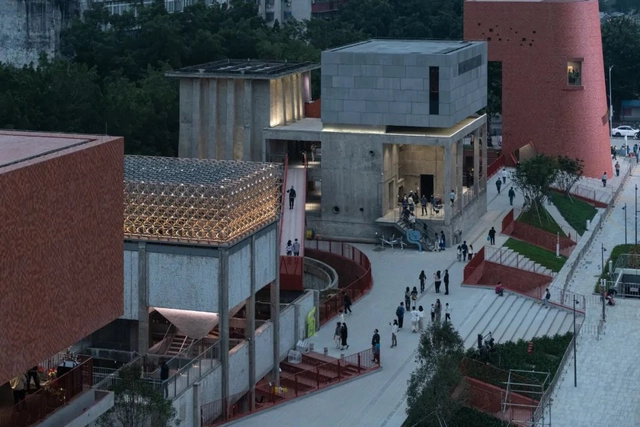
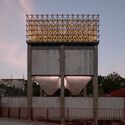
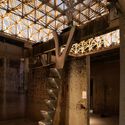
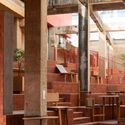
The 9th edition of the Urbanism\Architecture Bi-City Biennale (UABB) of Shenzhen and Hong Kong opened on December 10, 2022. Curated by Lu Andong, Prince Gong, and Aric Chen, the exhibition features hundreds of artists, designers, and architects from fifteen countries. The exhibition will last for three months.
The Biennale's theme, "Urban Cosmologies," encompasses both spatial symbiosis and the temporal rhythms of life. It is a source of ancient Chinese wisdom as well as a cosmology that looks to the future. The "Cosmology of the City" is a field of symbiosis, a part of the "community of life between man and nature".


https://www.archdaily.com/995460/17-architectural-installations-at-the-2022-sz-hk-urbanism-architecture-bi-city-biennaleXiaohang Hou
God is in the details: design solutions that make all the difference in a project
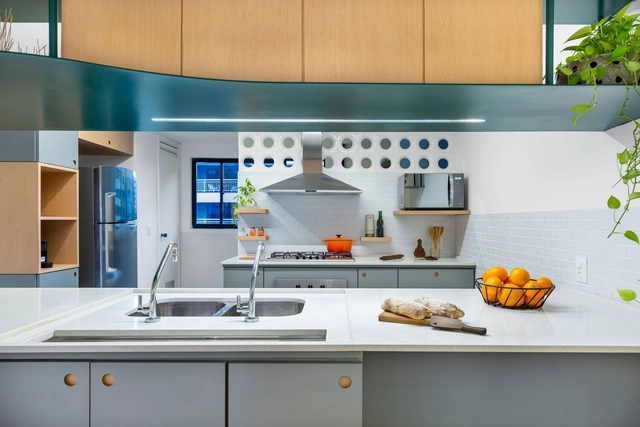
We are used to looking at architecture as large objects situated within the urban fabric or natural landscape, establishing new relationships with their surroundings. However, our daily lives also unfold inside these buildings as we enter, occupy, and interact with them. Consequently, we establish relationships with the built environment immediately around us. Architecture must therefore address the macro scale—such as climate and neighborhood context—while simultaneously attending to the micro scale of finishes, textures, and colors.
Numerous details shape the experience of a building's residents and users; when carefully explored, they elevate the quality of the project and stimulate the senses. These details can be structural, aesthetic, or functional.





https://www.archdaily.com/1132066/god-is-in-the-details-design-solutions-that-make-all-the-difference-in-a-projectGiovana Martino
Brazilian Interiors That Use Organic Shapes to Challenge Straight Lines
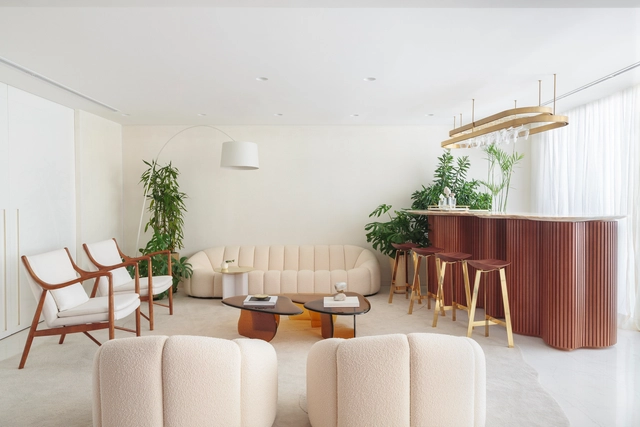
The rationality of orthogonal shapes dominates architecture, despite grand gestures that have sought to oppose themselves throughout history. In large-scale production, the right angles, repetition and modularity of the block or grid of pillars help in the efficiency of construction, despite reproducing the same spatial solutions. Unlike buildings, interior architecture can propose alternatives to break this rationality, whether from partitions or decorative objects.


https://www.archdaily.com/991921/brazilian-interiors-that-use-organic-shapes-to-challenge-straight-linesGiovana Martino
Learning from Las Vegas: Revisited
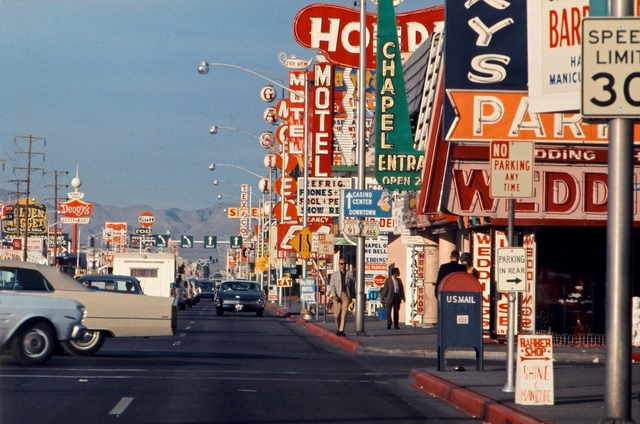
Las Vegas, sometimes known as Sin City, is perhaps the most famous desert metropolis where people gamble, and indulge in entertainment, and other vices. Each year, the city is visited by hundreds of millions of tourists who come to see its flashing lights and round-the-clock nightlife. Las Vegas has garnered so much attention that even Robert Venturi and Denise Scott Brown sought to study its urbanism, concluding with their theories on duck and decorated shed buildings in the early 1970s. But 50 years later, Vegas is still a city that constantly reinvents its architectural identity.
https://www.archdaily.com/991757/learning-from-las-vegas-revisitedKaley Overstreet
How Will We Live With Livestock?
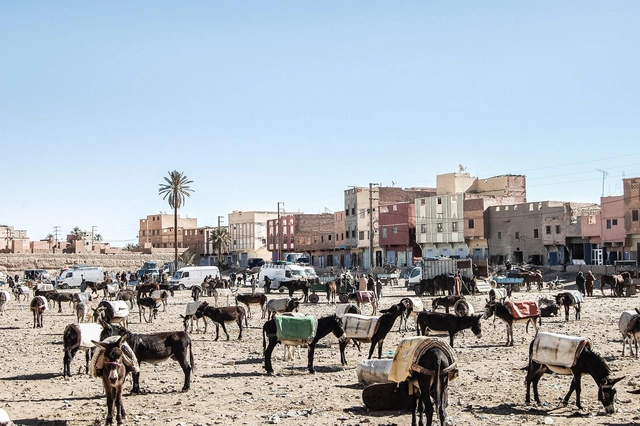
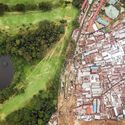
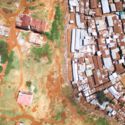
As populations continue to migrate from rural to urban areas, space is at a premium. Many settlements are becoming ever-more congested – with adequate, affordable housing in short supply and transport systems struggling to serve their respective residents. But as much the conversation about urbanization is about people, it is sometimes also about the animals that come with those people – urban livestock that play a key role at providing sustenance on an individual level, in addition to becoming an avenue for communal trade.


https://www.archdaily.com/991708/how-will-we-live-with-livestockMatthew Maganga
Curitiba's public transportation model goes against the grain of foreign ideas adopted in Brazil
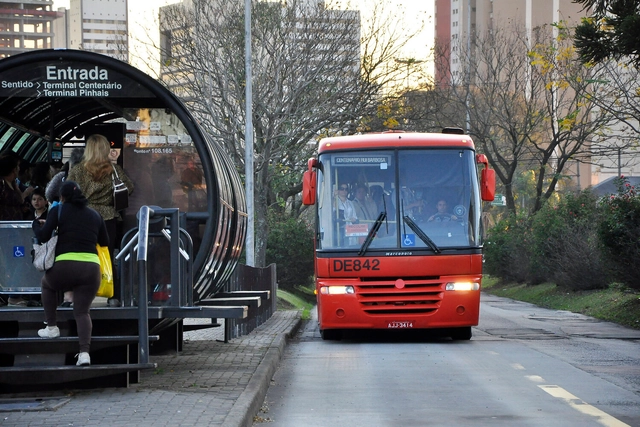
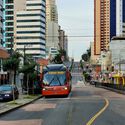
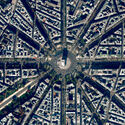
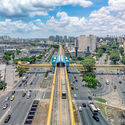
The city of Curitiba, located in the state of Paraná, has been recognized internationally as a leading benchmark for Brazilian urban planning, primarily due to the success of its public transit model. Within this context, tracing the path that led the capital of Paraná to achieve such acclaim is a compelling exercise. Addressing the process of diffusion of ideas, this essay highlights Curitiba's shifting positions in the history of urban planning: at times an importer of ideas, at others an exporter.

https://www.archdaily.com/1136450/curitibas-public-transportation-model-goes-against-the-grain-of-foreign-ideas-adopted-in-brazilValdinei de Souza Castro
Urban Zoning: A Necessary Indictment
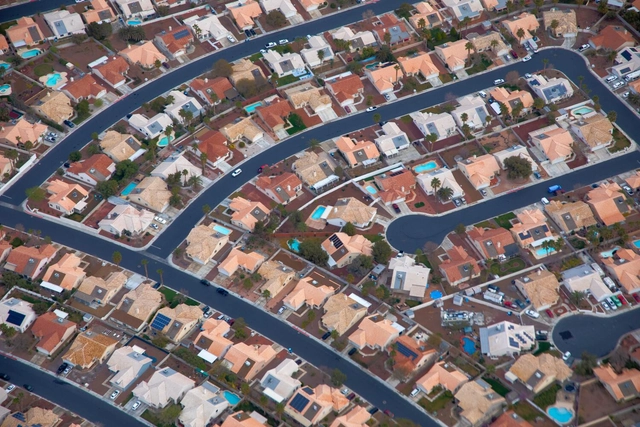
Zoning is the primary tool for urban regulation adopted worldwide. It consists of dividing urban territory into a series of zones, establishing permitted uses for each and setting parameters for the structures that can be built on each lot. In theory, zoning pursues two main objectives: preventing nuisances generated by specific uses and limiting development density to the capacity of existing infrastructure.
https://www.archdaily.com/1136123/urban-zoning-a-necessary-indictmentVictor Carvalho Pinto
COP27: Key Outcomes and Outlook for 2023
COP27, held in Sharm el-Sheikh, Egypt, concluded with a historic breakthrough to help vulnerable countries cope with the loss and damage resulting from climate change. However, negotiations also disappointed many stakeholders by failing to include any significant new measures to reduce emissions, which is essential to keeping global temperature rise below 1.5°C. Regarding adaptation, despite some positive signs, progress also fell short of expectations.



https://www.archdaily.com/1136056/cop27-key-outcomes-and-outlook-for-2023Natalia Alayza, Preety Bhandari, David Burns, Nathan Cogswell, Kiyomi de Zoysa, Mario Finch, Taryn Fransen, Maria Lemos Gonzalez , Nisha Krishnan, Paige Langer, Gaia Larsen, Jamal Srouji, Nate Warszawski e David Waskow
Floating Cities of the Past and Future

The threat of climate change is looming before us. Sea level rise concerns over 410 million people at risk of losing their livelihoods. Coastal cities are choked with high-rise buildings and traffic-laden roads, consuming land insufficiently. Synthesizing these problems, architects across the world have proposed a potential answer - floating cities. A future of living on water seems like a radical shift from how people live, work, and play. Vernacular precedents prove otherwise, offering inspiration for what our cities could morph into. As world leaders discuss courses of action to tackle climate change at the COP27 climate summit in Egypt, ArchDaily dives into the concept of radical water-based settlements.


https://www.archdaily.com/992148/floating-cities-of-the-past-and-futureAnkitha Gattupalli
How to Use the Metaverse to Preserve Historic Buildings
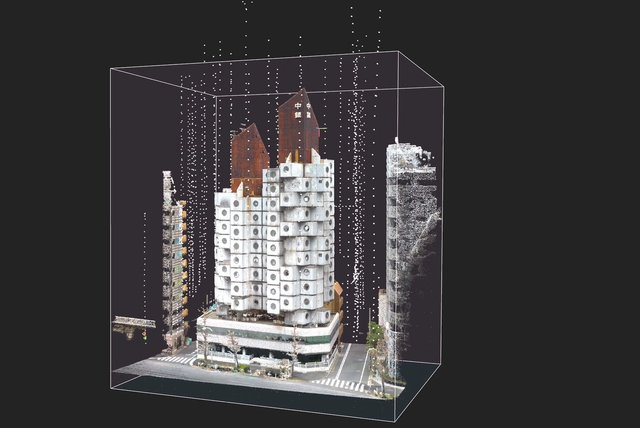
Imagine that you have scheduled a visit to an important building for the history of architecture, a reference work for all enthusiasts. Probably you would equip yourself with a camera or a good cell phone, take a pencil, notebook and even a measuring tape to record all its aspects.
However, this is not the only way to “visit” a building of historical importance nowadays or, at least, that is what some researchers are trying to show. The metaverse is being explored for its role in architecture and culture preservation, embracing different generations.
https://www.archdaily.com/991859/how-to-use-the-metaverse-to-preserve-historic-buildingsCamilla Ghisleni
What Is Co-Creation in Architecture and Urban Planning?
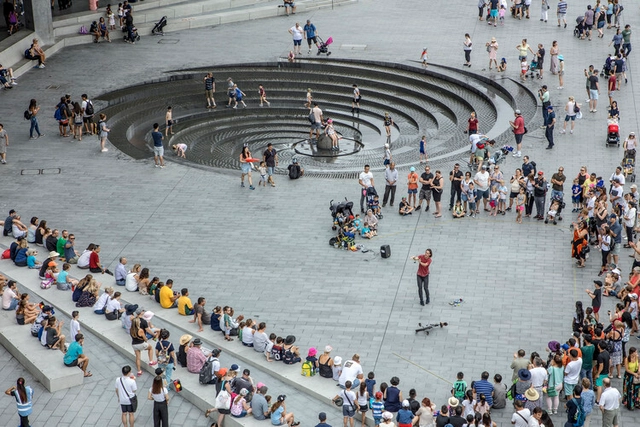
In recent years, the term “co-creation,” a buzzword in the business and management sector, has made its way into the architecture and urban planning discourse. The term is used to define a large concept that describes working intentionally with others to create something jointly. But architecture is already the result of a collaboration between multiple actors, architects, clients, investors, developers, and local administration, to name a few. Can the term still apply to this field, can it bring forth new forms of knowledge, and does it differ from the concept of participatory design?


https://www.archdaily.com/992363/what-is-co-creation-in-the-context-of-architecture-and-urban-planningMaria-Cristina Florian
"New Public Skins": A project reflecting on public space in the Doctores neighborhood, Mexico City
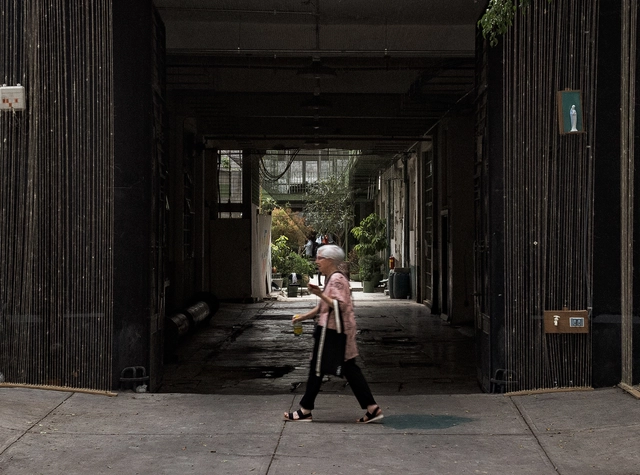
The Doctores neighborhood (Mexico City) is a complex territory; understanding it requires observing the interrelations between objects in space, rather than space and the objects in themselves. Formerly known as Colonia Hidalgo and later renamed after its streets, it has undergone multiple processes of transformation and appropriation over time, ranging from the construction of its first homes during the viceregal period to the spatial and social shift brought about by the 1985 earthquake.
https://www.archdaily.com/1136331/new-public-skins-a-project-reflecting-on-public-space-in-the-doctores-neighborhood-mexico-cityDiego González Albarrán
A compilation of projects and articles honoring the work of architect Félix Candela
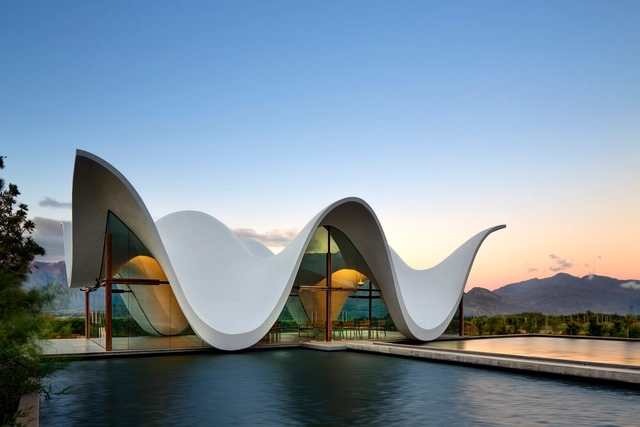
Today, January 27, marks the 113th birthday of Félix Candela—of Spanish and Mexican nationality—who is one of the most globally recognized architects of the 20th century. His career was defined by his exploration of reinforced concrete through experiments that resulted in his famous cascarones (concrete shells): key structural and design elements that support many of his works, such as the Cosmic Rays Pavilion at UNAM, Mexico City (1951); the Palmira Chapel in Cuernavaca (1958); the Los Manantiales Restaurant, Xochimilco (1958); and the Palacio de los Deportes for the 1968 Olympic Games in Mexico City.
https://www.archdaily.com/1121144/a-compilation-of-projects-and-articles-honoring-the-work-of-architect-felix-candelaMónica Arellano
The Rural vs. The Urban: The Postcolonial City of Dakar in the Film Touki Bouki
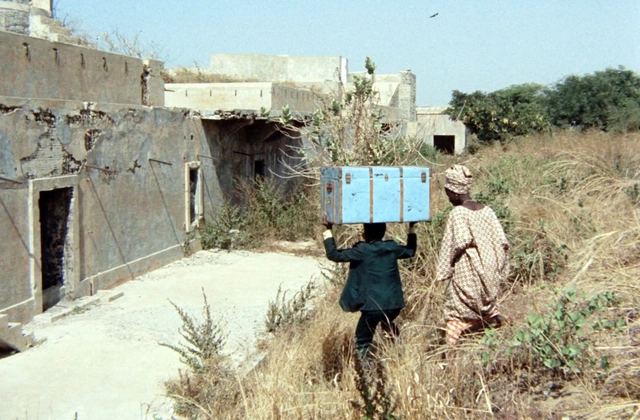
Simultaneously gripping, disconcerting, and chaotic, Djibril Diop Mambéty’s Touki Bouki is an exhilarating cinematic ride. The 1973 drama — the first full-length film by the Senegalese director — is the fantastical narration of a young couple in Dakar, eager to escape the Senegalese capital for the allure of Paris. It’s a character-driven film in many ways, primarily centered on the couple’s adventures, but it is also a subtle visual examination of the urbanism of post-independence Dakar, where the city and its architecture are essential fixtures in a surreal storyline.


https://www.archdaily.com/995305/the-rural-vs-the-urban-the-postcolonial-city-of-dakar-in-the-film-touki-boukiMatthew Maganga