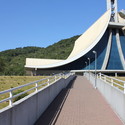
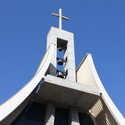
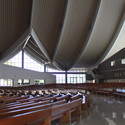
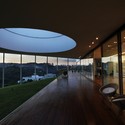
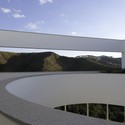
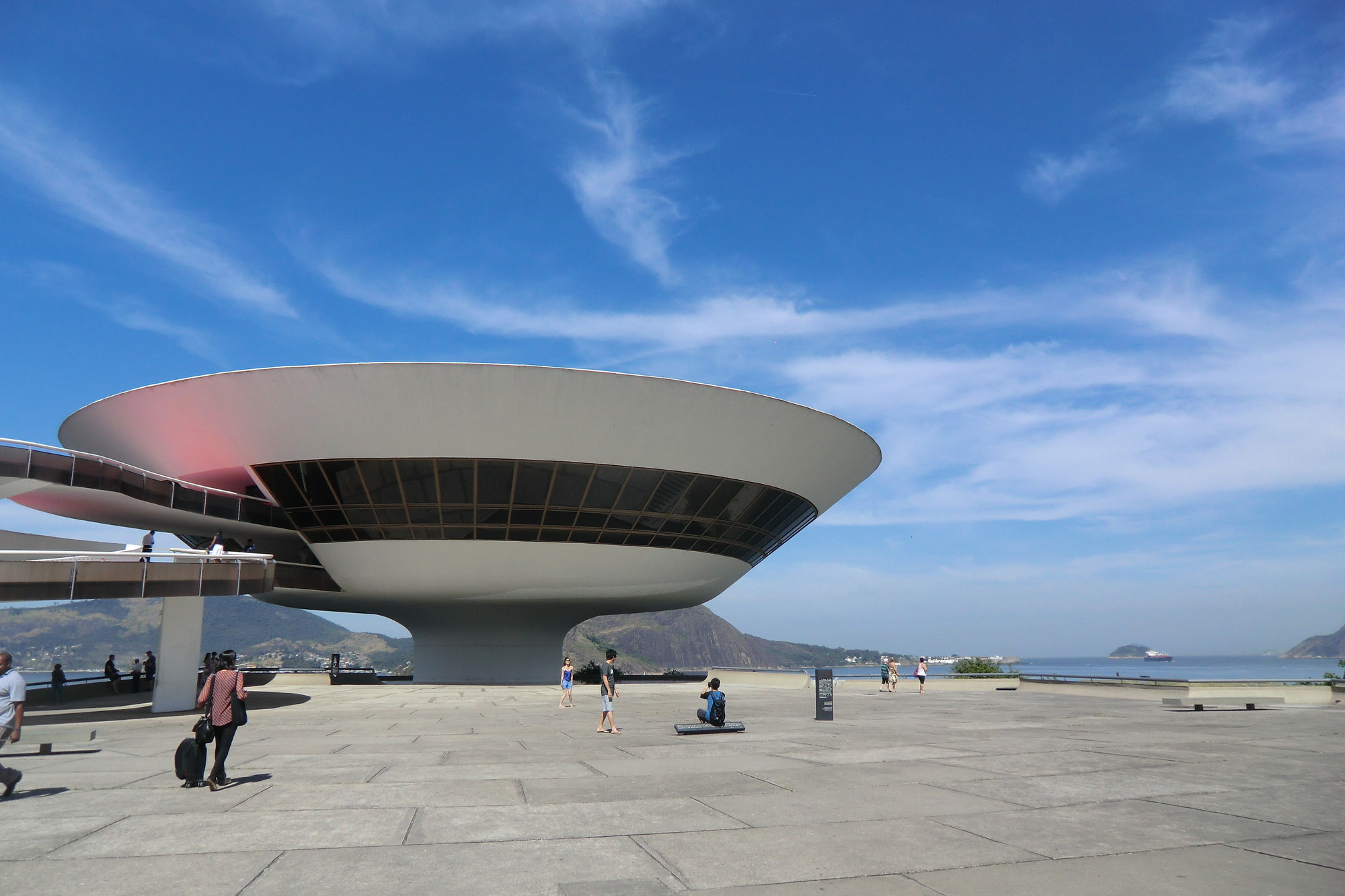
The Niterói Contemporary Art Museum, also know as the MAC, was designed by the famed Brazilian architect Oscar Niemeyer and completed in 1996. This iconic saucer-shaped structure, situated on a cliffside above Guanabara bay in the city of Niterói, brilliantly frames the panoramic views of the city of Rio De Janeiro and encapsulates the simple, yet brilliant signature aesthetic of Niemeyer.
Text description provided by the architects. An urbanism project, usually with poor visibility and maximum importance, the channeling and wastewater treatment system of the Integrated Socio-Environmental Program – PISA, of the Municipality of Porto Alegre – PMPA, running for more than 30 years, with wastewater treatment actions in the Guaiba estuary basin, with the participation of 40% of the territory of Rio Grande do Sul, Brazil, in addition to the obvious environmental and health benefits, returns the accessibility to the river in the capital in the short-term, with an expressive social impact.
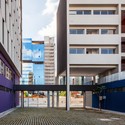
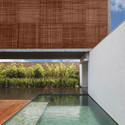
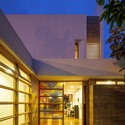
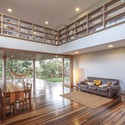
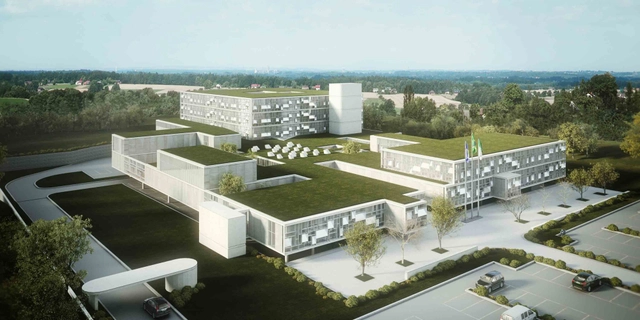
Designed by ABA (About: Blank Architecture), their proposal for the Minor Charges Court Building focuses on creating a building that is a tool to increase productivity in several levels and at the same time does not represent a burden on the budget of the Department of Justice. As part of a package of public investments in the Department of Justice in the state of Mato Grosso, Brazil, ABA was challenged to create a building based on an innovative brief to be replicated nationwide, gathering in the same building all minor charges courts. More images and architects' description after the break.
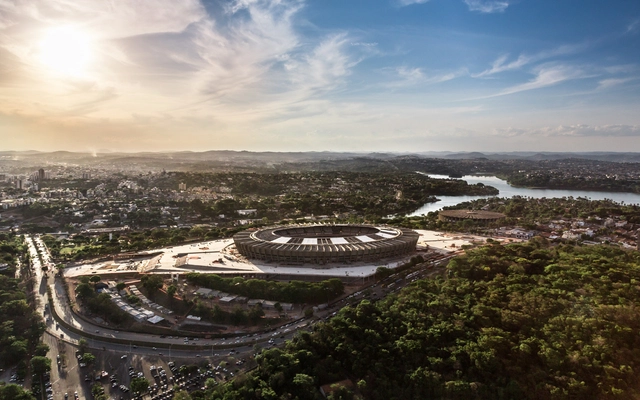
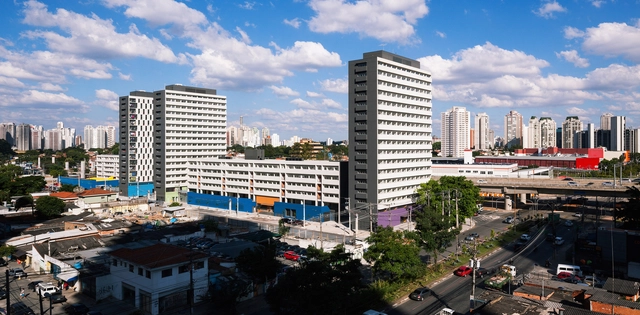
We are living through the most rapid and significant phase of urbanization in human history. By 2030, more than 60% of the world’s population - 5 billion people - will live in cities. To understand and act upon this mega trend, the New Cities Foundation hosts the New Cities Summit, the leading global platform for urban innovation and exchange. Each year, the Summit gathers 1,000 of the world’s brightest thinkers and decision-makers for action-oriented debate, information sharing and problem solving. São Paulo is the vibrant location of this year’s event. The theme this year: The Human City, placing the individual and the community at the heart of discussions on our urban future.
How will this urban planet alter the human experience? For ‘We the Urban People’, what specific issues can we grapple with today to ensure that tomorrow's metropolis is a positive place to live and work?
.jpg?1377187617&format=webp&width=640&height=580)
.jpg?1377188282 "© Fernando Guerra | FG+SG")
.jpg?1377187410 "© Fernando Guerra | FG+SG")
.jpg?1377187528 "© Fernando Guerra | FG+SG")
.jpg?1377188451 "© Fernando Guerra | FG+SG")
.jpg?1377187617)



.jpg?1377014824&format=webp&width=640&height=580)
.jpg?1376681961&format=webp&width=640&height=580)





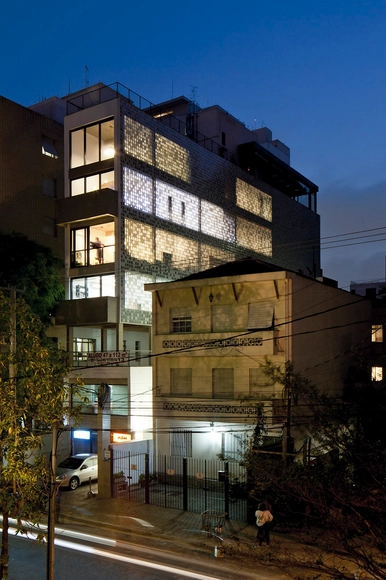
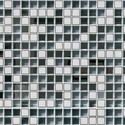
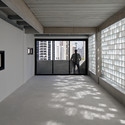


.jpg?1376960895 "Sketch by Oscar Niemeyer. Image Courtesy of wikiarquitectura.com")

.jpg?1377014715 "© Fernando Guerra | FG+SG")
.jpg?1377014688 "© Fernando Guerra | FG+SG")
.jpg?1377014435 "© Fernando Guerra | FG+SG")
.jpg?1377014660 "© Fernando Guerra | FG+SG")
.jpg?1377014824)
.jpg?1376682321 "© Fernando Guerra | FG+SG")
.jpg?1376681533 "© Fernando Guerra | FG+SG")
.jpg?1376681545 "© Fernando Guerra | FG+SG")
.jpg?1376682249 "© Fernando Guerra | FG+SG")
.jpg?1376681961)