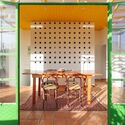
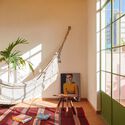
“Inhabitants of the Forest of Ourselves” opens on May 11
“Inhabitants of the Forest of Ourselves” opens on May 11

“Only Art Touches the Untouchable Truths”
Group exhibition opens at the Galeria do Espaço Cultural Municipal Sérgio Porto on June 20, curated by Mario Camargo.
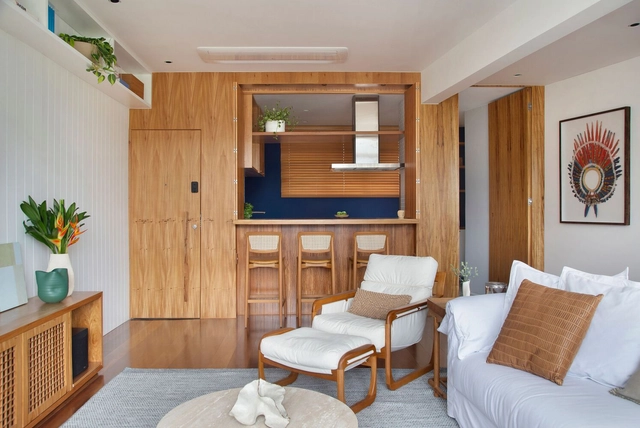

“ALTAR”
A solo exhibition by Fabi Cunha presents a selection of new works, curated by Jozias Benedicto at the Galeria de Arte Ibeu

"OLYMPIANS" at the National Historical Museum
Photography exhibition by Gustavo Malheiros highlights female athletes and opens on July 20 with a book launch (Arte Ensaio Editora)
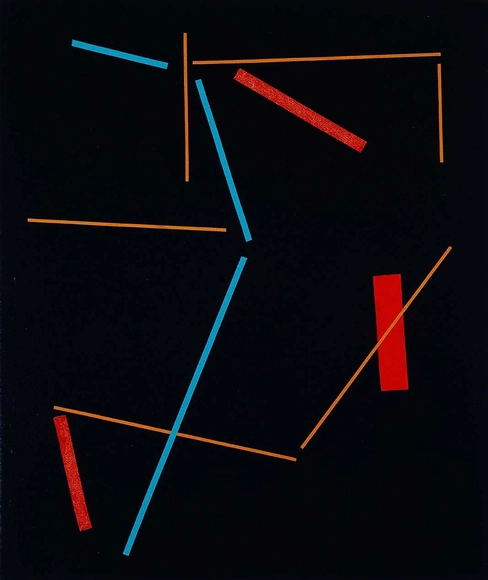
“With his new diptychs, collage-drawings, wood pieces, and ‘spatial paintings,’ Chico Fortunato expands his vocabulary, demonstrating his customary freedom and predilection for certain elements and colors. He does not clamor for the banal spectacle; he seeks essence,” defines Luiz Chrysostomo de Oliveira Filho, who curates the artist’s solo exhibition, “Construtos.” Featuring previously unseen works produced between 2021 and 2024, the exhibition will be on view at Galeria Patricia Costa starting July 25. As a painter and furniture designer, he reveals through his precise yet delicate lines a preference for geometric figures, dominating the space with lines that articulate colors with a peculiar lightness. Among the most recent works, the collage-drawings stand out—a medium never before explored by Chico Fortunato in his long artistic career.

Environmental degradation and reforestation are the themes of the solo exhibition by Rio-based artist Raul Leal, which draws from his observations of the Fluminense landscape.

“Caminhos das Cores”
Rose Maiorana participates in a collective exhibition at Novotel Botafogo
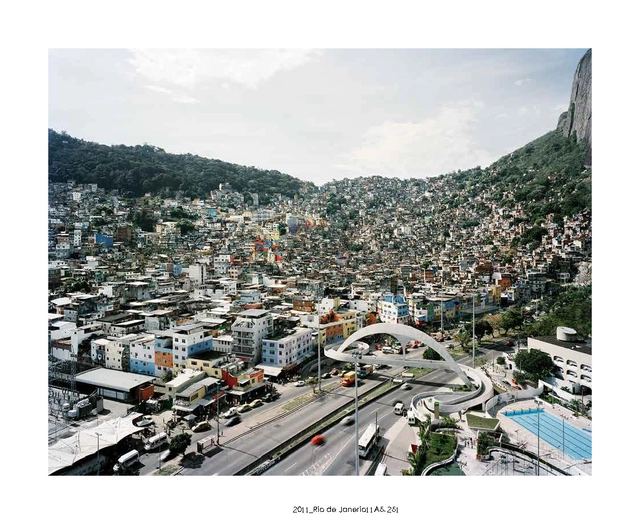
Gabriele Basilico: Urban Landscapes”
Exhibition promoted by the Italian Cultural Institute of Rio de Janeiro brings together records by the Milanese photographer taken between 1978 and 2012

“The Art That Unites Us”
Brazilian and Argentine artists present their work starting August 29 at the Consulate of the Argentine Republic in Rio de Janeiro

Project Conversations by the Ateliê Aberto at FAU UFRJ
Active Transformations - 1:1 Architectures
Taller a77
by Gustavo Diéguez and Lucas Gilardi

Nara Roesler Rio de Janeiro is pleased to open its 2023 season with the exhibition "Córte," by the celebrated artist Lucia Koch, starting March 16, 2023. The exhibition will feature unpublished works from the "Fundos" series, one of the most iconic in her production, in which she photographs the interiors of empty packaging used to store various products. When enlarged to human scale, these become architectural spaces that interact with the exhibition's path, creating surprising perspectives for the public.

In the works featured in Luiz Pizarro’s solo exhibition, opening on Tuesday, March 4, at the Paço Imperial, the artist demonstrates a clear commitment to expressing a holistic view of the elements, shifting the focus away from the human figure to prioritize the whole—whether nature, organic forms, or universal harmony. This is the essence of "Metapaisagens" (Metalandscapes), which occupies a 300-square-meter gallery with 18 large-format canvases (ranging from 1.70m to 2.25m), produced between early 2022 and 2023 using acrylic paint, with color serving as a fundamental element—a hallmark of the artist's work. At the back of the space, the "Magic Cube"—or "Cube of Wishes"—invites visitors to select a color from available yarn, threading it through points within the interactive installation to match the number of letters in their name while "focusing on their wishes." Geometric forms also appear as white cubes within the canvases themselves, which Pizarro refers to as "crystal cubes." This marks the artist's fourth exhibition at the Paço Imperial, where they have previously showcased paintings, prints, and paraffin works.

“On the Wind” opens at Galeria Patrícia Costa on April 19

“Rodrigo de Castro: Between Forms and Colors”
For the first time, the artist presents steel sculptures with automotive paint, alongside recent canvases, at Galeria Patrícia Costa, curated by Vanda Klabin
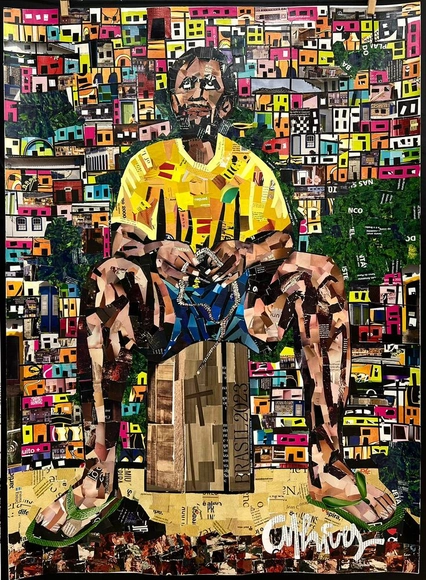
Anderson Thives shows no signs of slowing down. Continuing his focus on mobility and innovation, his Galeria Provisória is relocating within the same neighborhood in Ipanema. He will soon debut his works in a new conceptual space that integrates health, beauty, and art. This is the first of many cultural projects that Thives intends to launch alongside new partners, with the goal of democratizing art and culture for diverse audiences. Before closing the current location, he is hosting a series of events through August 6. This Saturday, July 29, will feature a preview of the new exhibition "Favela," showcasing pieces named after communities such as Rocinha, Vidigal, and Complexo do Alemão. The series depicts the diversity of characters within these local communities and is also scheduled to launch later this year in London, where Thives will occupy a three-story building in the trendy neighborhood of Hackney.
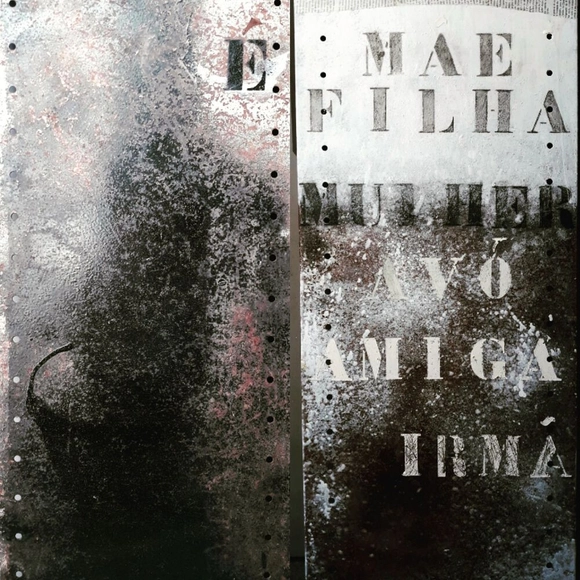
Many years ago, when living in Rio was nothing more than a dream, Susi Sielski Cantarino (an Argentine who is more "Carioca" than many born and raised in the city) discovered what she described as a "charming corner in Santa Teresa," then known as the Hotel dos Descasados. Four decades later, Sielski Cantarino returns to the space—now renovated and renamed Hotel Santa Teresa MGallery—not as a visitor, but as a guest artist. Her solo exhibition, "Connections," is open to the public through the end of September. Occupying the hotel lobby, the show stimulates and stirs the viewer's senses, and the pieces on display are available for purchase. Using diverse materials, including earth, bamboo, and even Swarovski crystals, the artist produces works ranging from leaves with transparent inscriptions to sculptures nearly two meters tall. Industrial steel shelves are transformed into objects of desire that honor the "Objet trouvé." Childhood linens, delicately worked with lace and pins, feature the face of the poet Virgínia Victorino, who, as a woman and a homosexual, was largely rejected by the hermetic Portuguese society of her time. All the works presented are the result of the artist's hundreds of experiences. SHALOSH (number 3 in Hebrew), for example, from 2008, was created three years after she won second prize at the Florence Biennale.