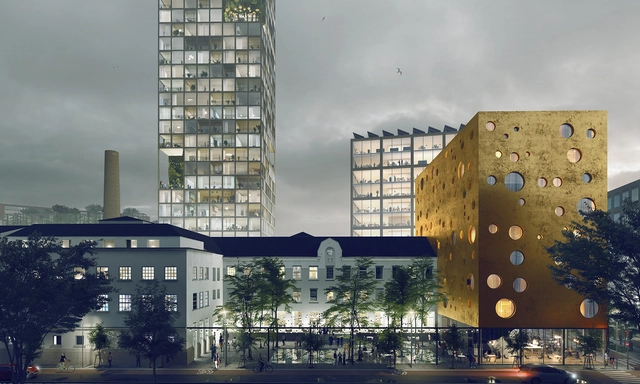
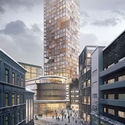
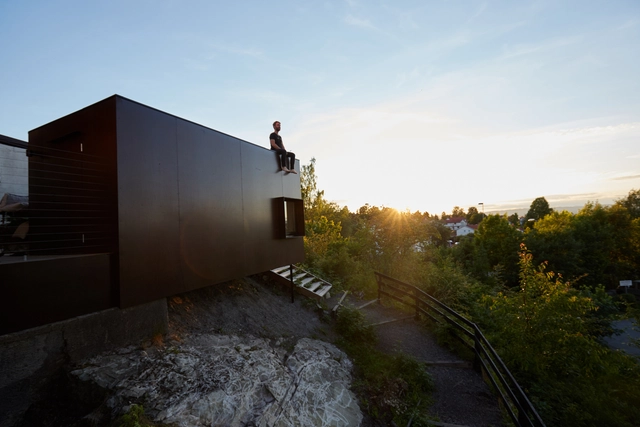
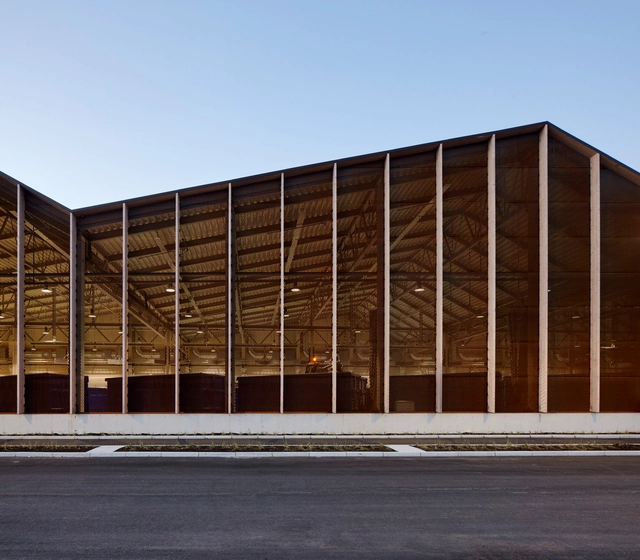
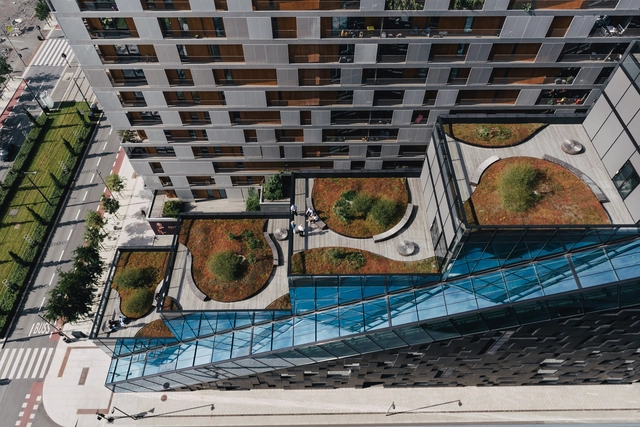
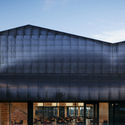
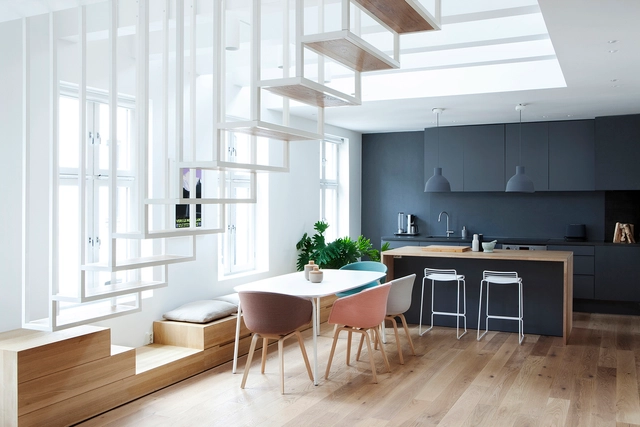
Oslo-based Transborder Studio have won a competition for the development of new “Agricultural District” surrounding a former dairy factory in East Oslo. Selected from 5 proposals from invited architect teams, the winning design, entitled “Follow the Milk,” strives to develop the district into a place where “ agriculture has a new relevance related to urban food culture, bioproducts and the agricultural sector’s role in a sustainable future.”
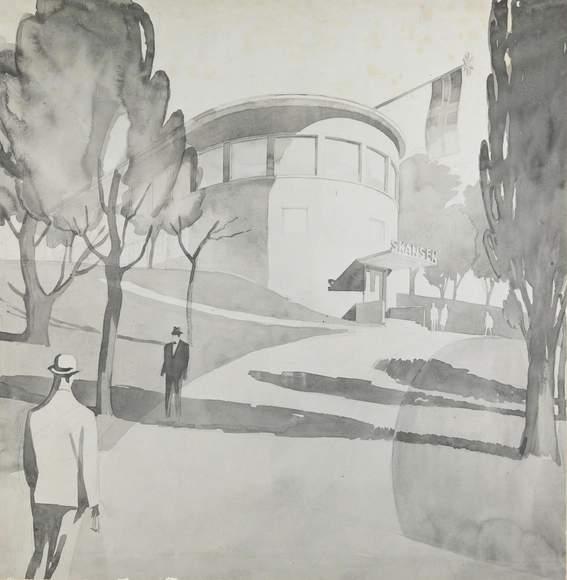
Lars Backer, Restaurant Skansen, Oslo, 1927. Photo: Platou arkitekter
With his designs for Skansen Restaurant, Ekeberg Restaurant and the Horn Building, the architect Lars Backer brought the International Style in architecture to Norway. Many people had felt that a new era was imminent, and now it had arrived.
The exhibition “Lars Backer – architect. A pioneer of Norwegian Modernism” tells the story of Lars Backer’s life, explains his contribution to Norwegian architecture, and sheds light on the era he lived in.
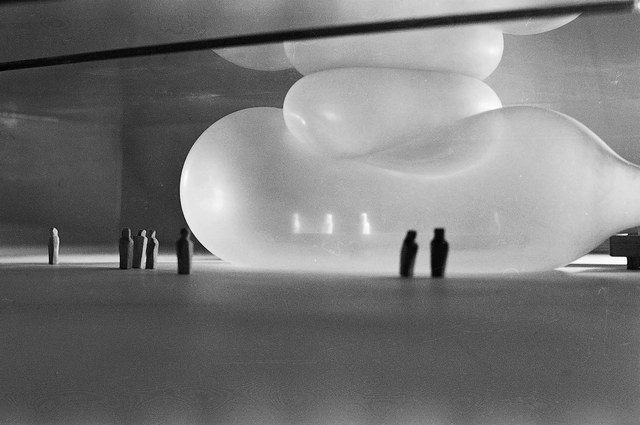
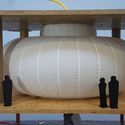
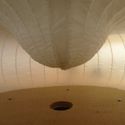
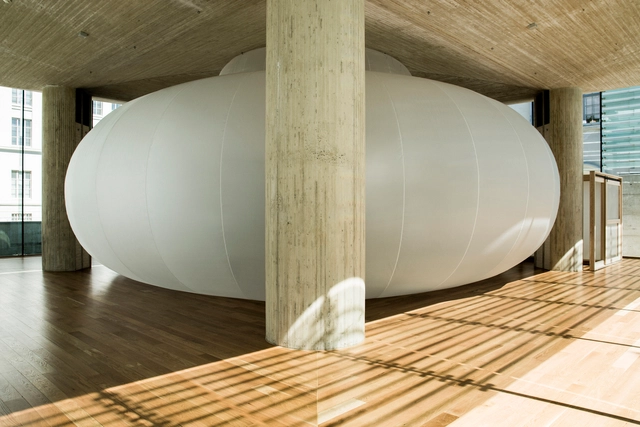
Though architectural history is replete with bricks, stones, and steel, there is no rule that states that architecture must be ‘solid’. Sverre Fehn, one of the most prominent architects of postwar Norway, regularly made use of heavy materials like concrete and stone masonry in his projects [1]. In this way, his proposal for the Nordic Pavilion at the Osaka World Expo in 1970 could be seen as an atypical exploration of a more delicate structure. Representing a very different aspect of ‘Modernity’ than his usual work, Fehn’s “breathing balloon” pavilion stands not only in contradiction to Fehn’s design canon, but to that of traditional architecture as a whole.
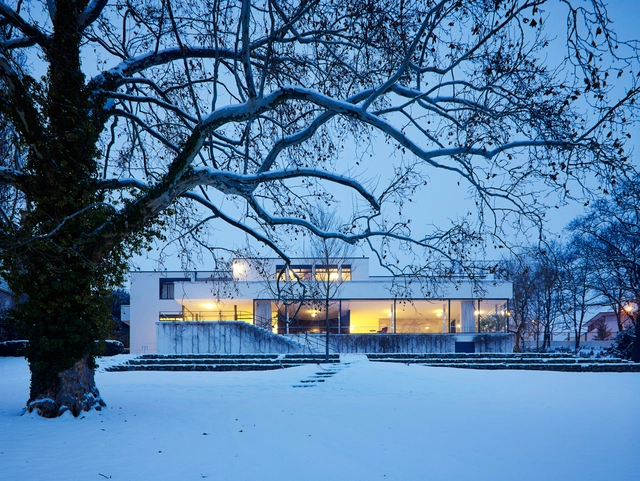
Villa Tugendhat (1928–30) in the Czech Republic is the most well-preserved example of Ludwig Mies van der Rohe’s early functionalism. It is regarded as one of the world’s most important manifestations of villa architecture and has been listed as a UNESCO World Heritage Site. The building also likely inspired the Norwegian architect Arne Korsmo’s work on Villa Stenersen (1937–39).
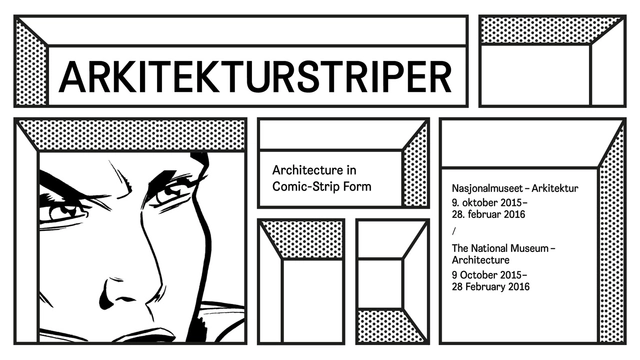
Colourful fantasy worlds full of speech bubbles and motion lines. Buildings with human characteristics, and invisible architecture. Since the early years of the 20th century, architects have shown an enduring interest in the comic strip as a means to explore their field of activity. What is it about comics that architects find so liberating and interesting?
“Architecture in Comic-Strip Form”, the new autumn exhibition at the National Museum – Architecture in Oslo, examines the relationship between the medium of the comic strip and architecture to reveal an aspect of the architectural discipline that few people are aware of. Many architects use the comic strip as a form of expression – as a kind of counterpart or supplement to digital drawing.
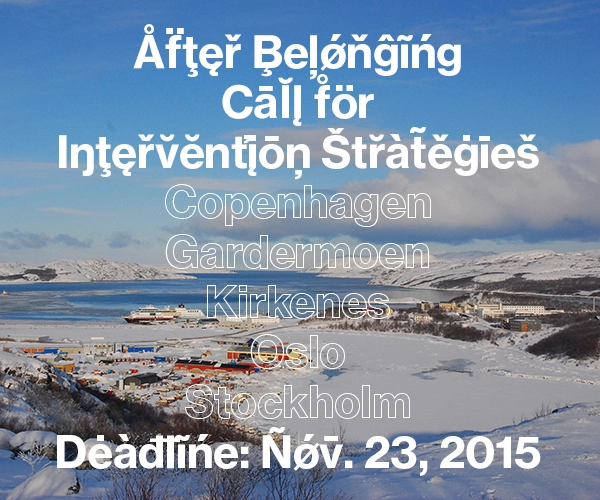
The Oslo Architecture Triennale 2016: After Belonging invites architects and other professionals from around the world to engage in a debate concerning our changing condition of belonging and the contemporary transformation of residence. This open, international call offers a unique opportunity to be part of the Triennale’s core program, as it seeks intervention strategies for five different sites in the Nordic region. One intervention strategy will be selected for each site and will be developed over one year. The selected interventions will be displayed at the National Museum—Architecture in Oslo.
International call for associated projects Deadline: November 30, 2015
120 HOURS has teamed up with FutureBuilt to host a 5 day-long competition regarding climate-friendly urban development in the Oslo region. Open to all creatives, the competition's challenge will be revealed on Monday, June 15th 2015, at 09.00 (GMT+1). From that moment, entrants will have 120 hours to design and submit their proposal. Third, second and first prize in the contest are respectively 12.500, 25.000 and 50.000 Norwegian Kroner. Read more about the competition and register here.