


-
Architects: Tatiana Bilbao ESTUDIO
- Area: 1927 m²
- Year: 2023



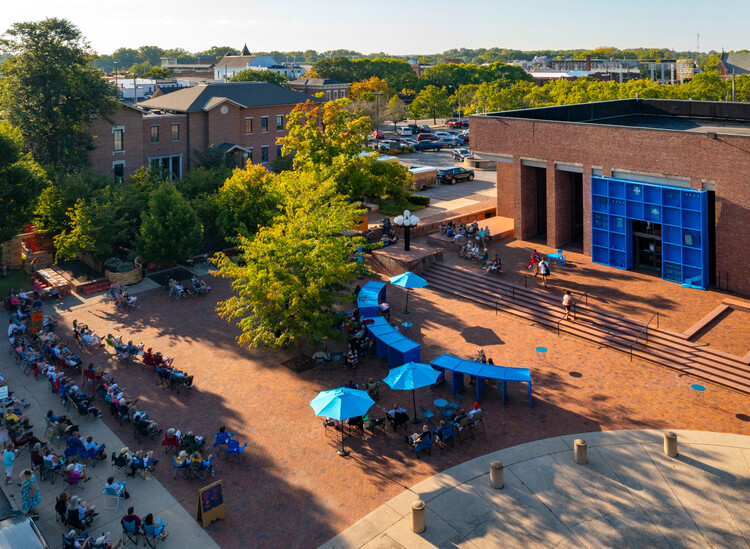
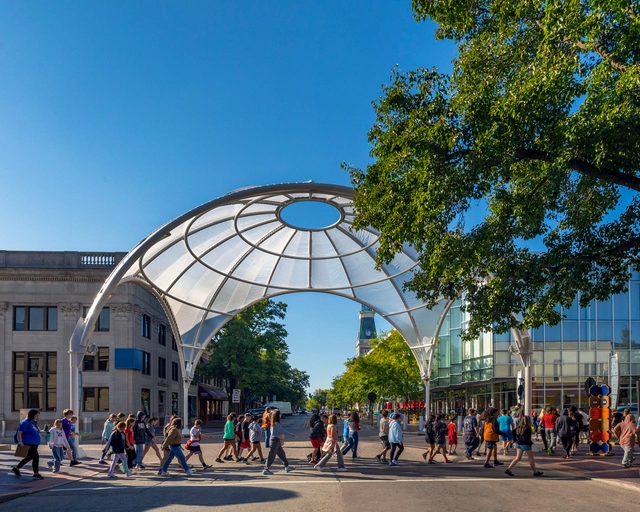
Meet the Architecture and Design Festival which will be hosting guided tours through the hidden gems of the underexposed architectural hub, Columbus, IN. From post offices to public libraries, the city is embedded with landmark marvels by some of the greatest known architects of our time. Located just 40 miles south of Indianapolis, the city is home to about 46,000 and is one of the most architecturally significant cities in America with masterwork buildings and landscapes by the likes of Eliel Saarinen, Eero Saarinen, Kevin Roche, I.M. Pei, Harry Weese, and Deborah Berke.

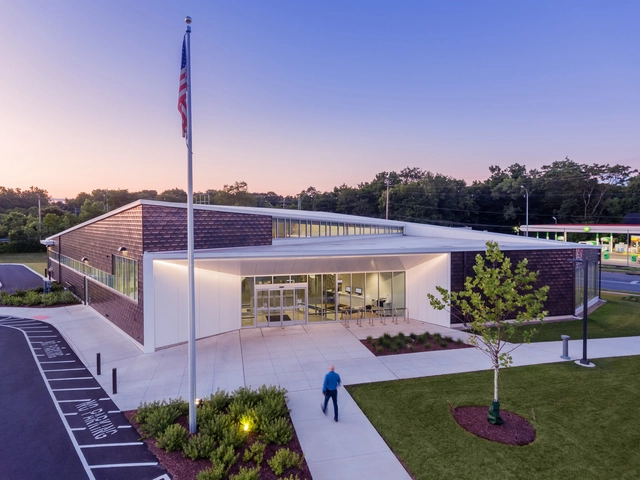
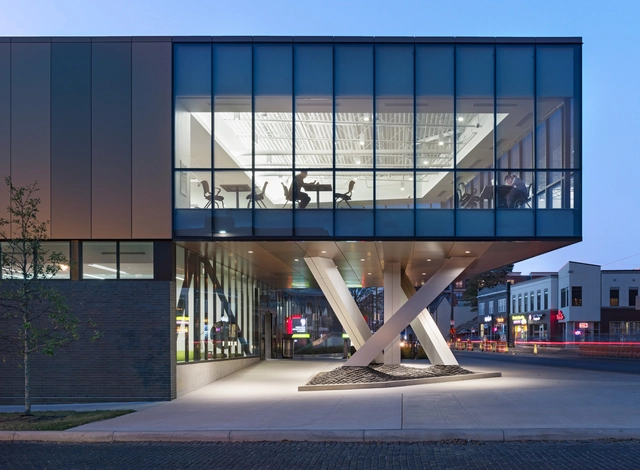

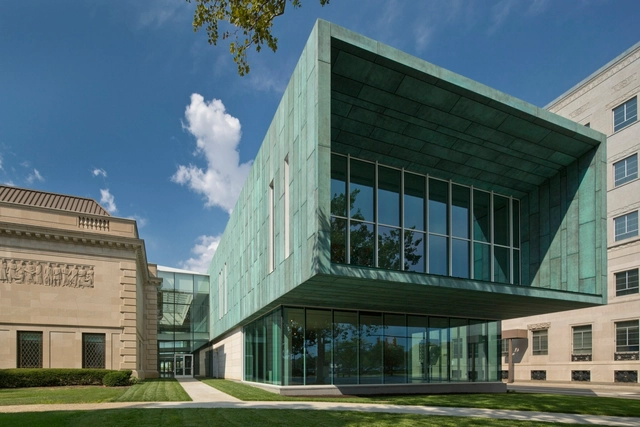
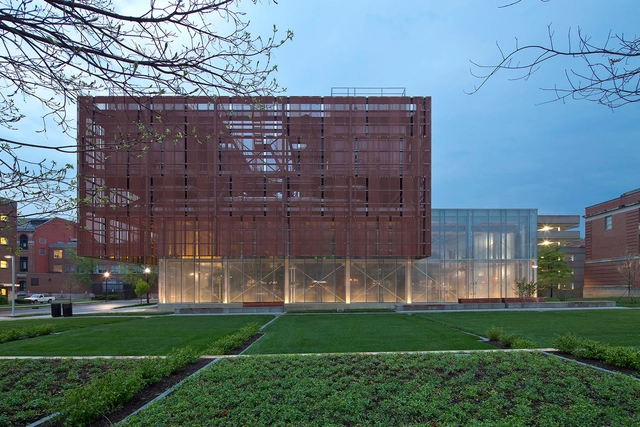

Allied Works Architecture has released designs for the Ohio Veterans Memorial and Museum in Columbus. Set to complete by 2016, the billowing museum will be constructed on the banks of the Scioto River, directly across from downtown, as part of Scioto Peninsula’s 56-acre redevelopment masterplan. It will host a variety of galleries, education and interpretive spaces that will house exhibitions and artifacts that serve as a testimonial to the 250 years of military service of Ohio Veterans.
“The Ohio Veterans Memorial and Museum is conceived as an architecture of two acts. The first is an act of landscape, where the surrounding parkland is cut, carved and lifted into the sky, creating a processional path to the sanctuary, a place of ceremony, celebration and reflection - a civic room for the city of Columbus,” explains Allied Works. Continue reading to learn more.