A public event by Melbourne Centre for Cities for those interested in how Universities and Cities collaborate for impact.
A public event by Melbourne Centre for Cities for those interested in how Universities and Cities collaborate for impact.

The Asia Pacific Architecture Festival (APAF) returns to Brisbane from 9 to 23 June 2023 in a collaboration between founding partners Architecture Media and State Library of Queensland.

Call for AEC Professionals – join the Architect Insider Program and help invent the architecture tools of the future!

During the vernissage of the 18th Venice Architecture Biennale, the internationally acclaimed publication Architectural Review launched its latest monograph Towards Abundance: the Delightful Paradoxes of Gender. Co-edited by John Jennifer Marx and The Architectural Review the 58-page publication advocates for designers and architects to reconsider a normative masculine tradition in how spaces are conceived and created, a tradition that may feel outdated yet is very much alive in contemporary practice.
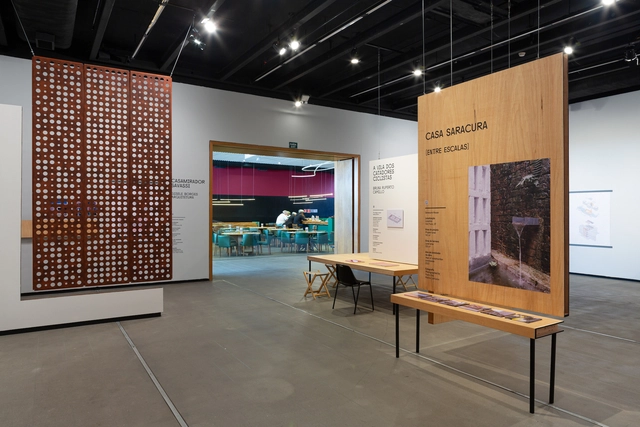
From June 14 to 22, the Instituto Tomie Ohtake will host a series of activities aimed at exploring processes and sharing ideas related to the works featured in the 9th Tomie Ohtake AkzoNobel Architecture Prize exhibition. The Dialogues series program includes debates on projects and construction through conversations with the architects; visits to buildings in São Paulo that are part of the exhibition; a guided tour with the exhibition's curatorial team; and a roundtable discussion on the work of educational teams in cultural institutions and museums. The activities are open to the general public, with some requiring prior registration due to limited capacity. See the schedule below:
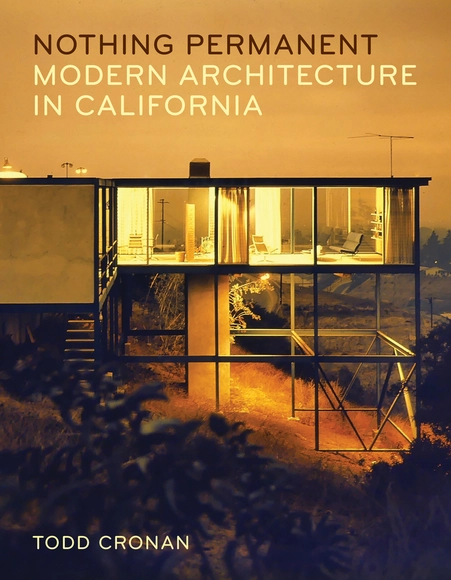
Although “midcentury modern” has evolved into a highly popular and ubiquitous architectural style, this term obscures the varied perspectives and approaches of its original practitioners. In Nothing Permanent, Todd Cronan displaces generalizations with a nuanced intellectual history of architectural innovation in California between 1920 and 1970, revealing the conflicting intentions that would go on to reshape the future of American domestic life.

Dubai Design Week is gearing up for its ninth edition taking place 7 - 12 November 2023. The annual event is one of the region’s most significant cultural occasions with a line-up of programming demonstrating Dubai’s commitment to design.

Are you a designer working in the fields of Architecture, Product Design, Interior Architecture, Interior Design, Rugs, Ceramics, Home Accessories, and Furniture?
We invite you to be part of We Design Beirut. The event celebrates design in its many forms by engaging the creative talent of designers synergistically, in the event’s themes of empowerment, preservation, and sustainability, with the presence and attention of regional and international press.
Apply by filling out the Application Form for Established Designers on our website before July 15th.
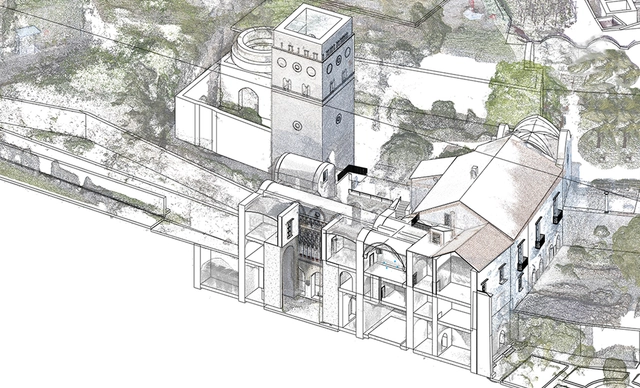
Already known to be a great tool for experiencing a building before it’s built, real-time visualization also serves as an excellent means to understand the history of buildings that no longer exist.
Here’s how two researchers from the University of Salerno (UNISA) retraced thousands of years of existence and unveiled the rich past of Villa Rufolo with the help of real-time visualization.

The School of Architecture at the Campus Creativo of the Universidad Andrés Bello is launching an open call for the second edition of the Remote Residencies. This project aims to foster openness and interdisciplinary experimentation regarding contemporary and relevant themes, posing questions that challenge the status quo and creating spaces for research and free creation.
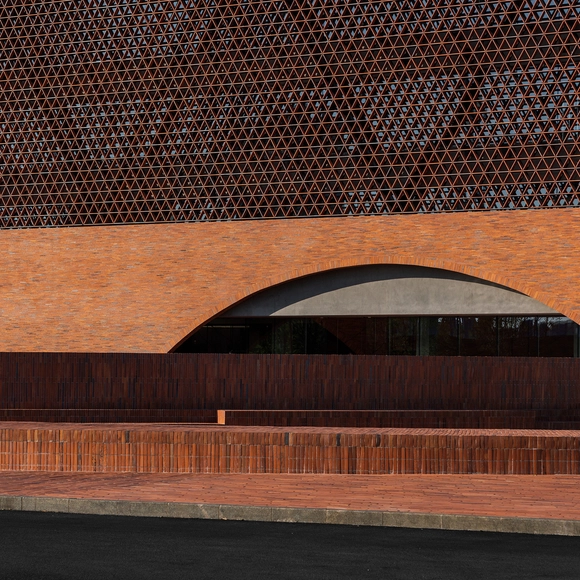
As a designer, it can be difficult to find one's way through the many awards and competitions that currently exist. One award, however, offers a one-stop solution to honor designers, architects and design-oriented companies, anywhere in the world, and with global recognition and publicity. The A' Design Award is an international, juried design competition that spans over 100 categories, from Furniture Design, Architecture, Building and Structure Design, to Landscape Planning and Garden Design, and Bathroom Furniture and Sanitary Ware Design.

Which are the criteria for the regeneration of a former industrial site? Restore to Impact, the international Call for Ideas powered by the Chiesi biopharmaceutical Group, aims to identify innovative, evolutionary and transversal concepts as guidelines for the future regeneration project of its historic industrial site in via Palermo in Parma. In this context, it has defined its guiding principles to evaluate the concepts submitted by April 30th.
Flexibility, adaptability over time, and porosity are understood as the ability to dialogue with the physical and social context. In addition, the quality of the landscape and public spaces are also related to connectivity and sustainability in technological, environmental, economic, business and innovative terms.
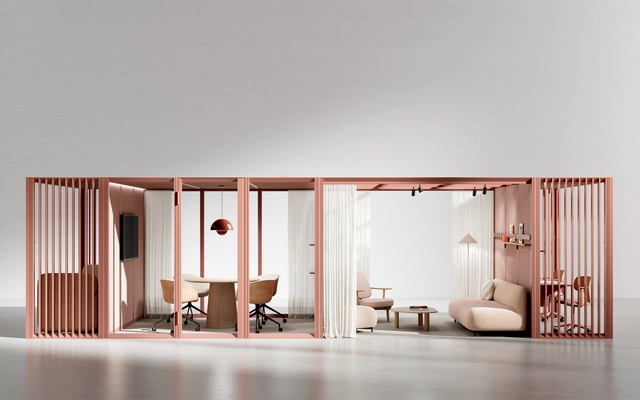
OmniRoom is a new room-in-room system developed by Mute. The product uses patented technological innovations and the benefits of modular architecture to offer a quick and easy solution for building comfortable and reshapable workspaces suitable for new, hybrid work environments. The product has already been recognized with the Mixology'23 Product of the Year award nomination.

The architecture festival Hello Wood will be back in July, bringing together designers, educators, students and young creatives from all over the world. This year the Hello Wood Festival is moving to a new, fascinating location: the “post-apocalyptic” crater of Haláp Mountain in Hungary. At this inspiring venue, participants will build for 8 days, which will be followed by a two-day music festival called Kráter. Lectures by invited renowned designers and architects (Karim Rashid, Arthur Mamou-Mani, Numen/For Use collective) will enrich the program.

The often difficult relationship between art or artists and algorithms will be at the center of an exhibition at the Venice Architecture Biennale, entitled "CHAOS//LOOP 2023". Developed by Christof Babinsky, CEO of ASB GlassFloor, the exhibition will include ten works of art using digital technology and exhibited on LED panels called "Digital Wallpaper," which also extend the scope of architectural design and are now being put into a new context in Venice.
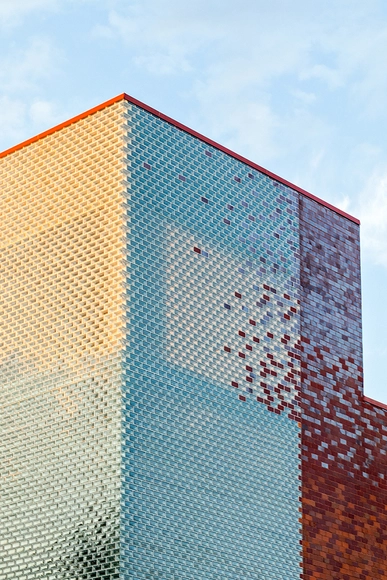
Since 1989, the Brick Industry Association (BIA) has sponsored one of the most prestigious architectural award programs in the US: the Brick in Architecture Awards. As the only national association to represent both manufacturers and distributors, BIA is an authority in the clay brick industry. Throughout the years, the Brick in Architecture Awards has become a premiere architectural award featuring clay brick.
This year, the award introduced a new Thin Brick category, and 45 winning projects spanning the United States, Australia, Canada, China and Germany. As this video shows, winners include nine Best in Class, 10 Gold, eight Silver, 17 Bronze and an overall Craftsmanship Award.

The most important project for a design studio is the design of the practice itself. A studio’s point of view is often first defined by feelings and hopes, but if cultivated, grows into values and tactics. How the studio environment is crafted and how it cultivates a kinship around this point of view with collaborators, clients, consultants, community members, and contractors is essential for it to be productive and have a healthy impact. With discipline, a studio evolves a practice that shapes the character, performance, and value of the work. The studio’s early critiques define the approach and territory of work and the propositions that are asked of every project. The studio environment and relationships create the space for the work to be possible.

Incorporating indoor-outdoor living into a home isn’t just limited to warm climates and beach front properties. Connecting homes to nature through copious amounts of glass creates serene environments while maintaining stable home temperatures. Below, see how five homes utilize sliding glass doors regardless of the weather, while maintaining energy performance.