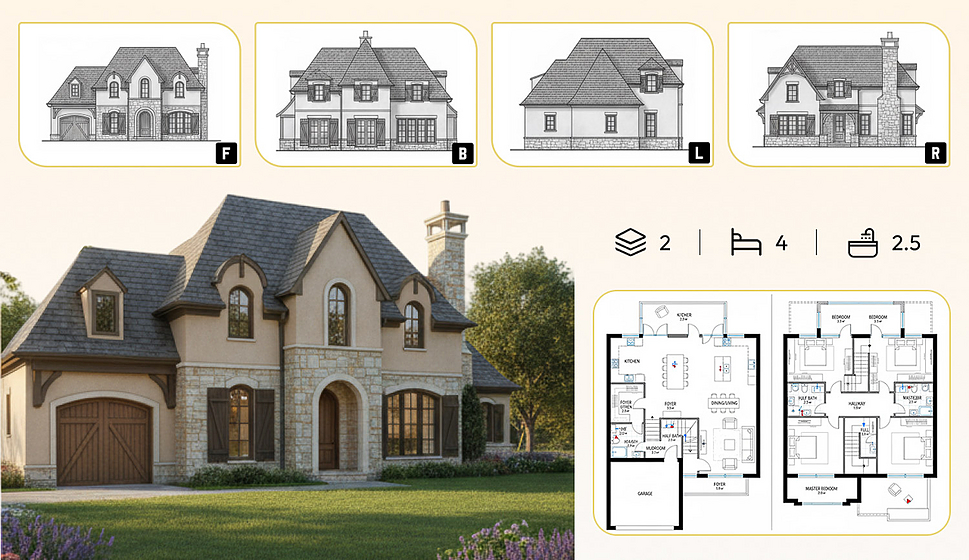
This guide covers a workflow that moves from project parameters to generated floor plans, 3D perspective views, exterior design exploration, and site context visualization, using AI tools in place of preliminary CAD and rendering work.
This guide covers a workflow that moves from project parameters to generated floor plans, 3D perspective views, exterior design exploration, and site context visualization, using AI tools in place of preliminary CAD and rendering work.

The disruption caused by the coronavirus may have opened doors that many have been waiting for. Preliminary studies support that we experienced a faster technological revolution during the last three months than ever before. Forced to adapt, and to ensure the liveability of urban fabrics, policymakers are reviewing data protocols and legislations, giving way to tech-powered urban health solutions. However, many of those amendments will stay post virus. The precedence gained as a legacy will offer cause for both wonder and worry for our urban future.
Beginning this April 30, a series of talks, workshops, forums, exhibitions, conferences, and other events will explore the legendary Bauhaus school and, in particular, its impact on Latin America. Due to current circumstances, several of these sessions have been redesigned to take place online.
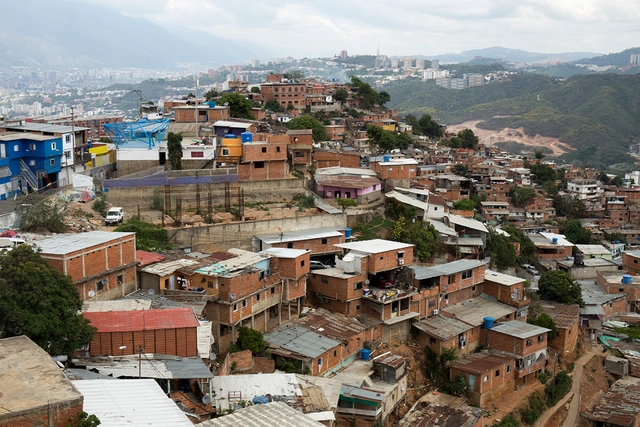
Shortly after the World Health Organization declared the outbreak of the novel coronavirus (COVID-19)—which began in Wuhan in December 2019—a pandemic, highlighting the disease's high rate of transmission and exposing global deficiencies in containment methods, most Latin American countries began implementing public health emergency measures to minimize spread and strengthen the response capacity of their healthcare systems.
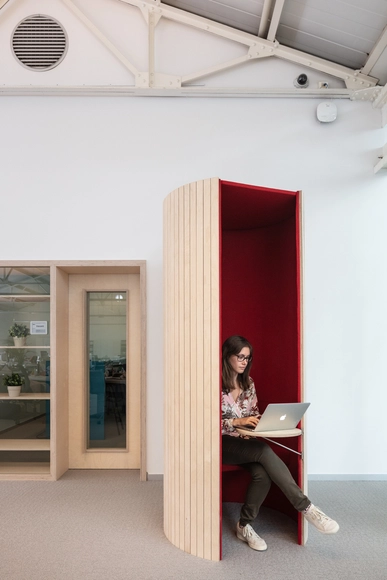
In the past 30 days, Amazon searches for touchless products such as automatic shoe cover dispensers, touch free soap dispensers, contactless thermometers, and hand free faucets have increased by up to 2000%. As anxieties over the spread of COVID-19 through contact or shared surfaces continue to plague the general population, these technologies offer a potential solution for offices or organizations struggling to stay operational without increasing the risk of viral spread.
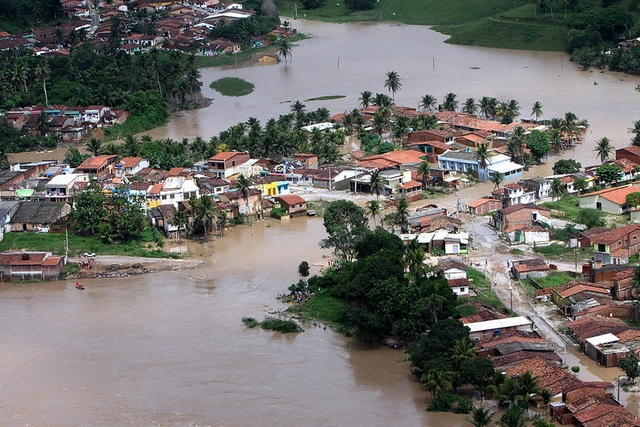
Currently, more than half of the world's population lives in cities, a figure expected to rise to nearly 70% by 2050. According to data from the United Nations (2017), the majority of this construction will be concentrated in cities across Africa, Asia, and Latin America.
As such, cities play a central role in climate change, as they are both the primary sources of greenhouse gas (GHG) emissions from human activity and the places where many of the impacts will be felt.
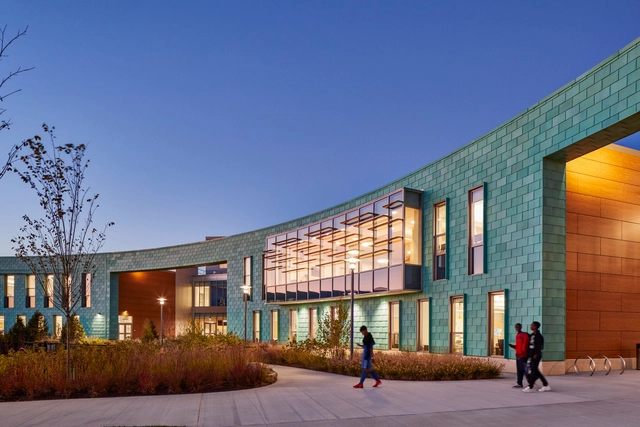
In today’s world of digital architecture, one term appears more than all others: BIM. Building Information Modeling (BIM) concerns the appending and otherwise referencing of data in a digital model. Architects use BIM for a variety of reasons, but the common denominator of BIM use is having a single model which serves as a touchpoint for coordination between internal and external teams.
Flansburgh Architects, a Boston-based firm that specializes in educational architecture, implemented a Big BIM workflow for the design of a new school for the town of Holbrook, Massachusetts. Kent Kovacs, AIA, Vice President and principal-in-charge and Brian Hores, AIA, BIM Manager shared how this process benefited the project.
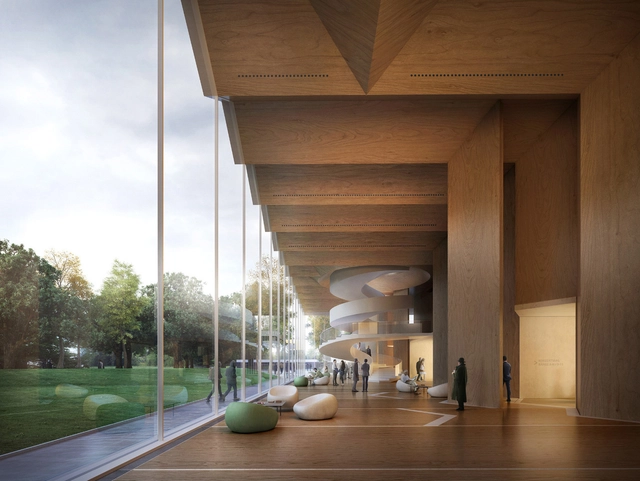
This article was originally published on The Architect's Newspaper as "Architects apply the latest in fabrication, design, and visualization to age-old timber."
Every so often, the field of architecture is presented with what is hailed as the next “miracle building material.” Concrete enabled the expansion of the Roman Empire, steel densified cities to previously unthinkable heights, and plastic reconstituted the architectural interior and the building economy along with it.
But it would be reasonable to question why and how, in the 21st century, timber was accorded a miracle status on the tail-end of a timeline several millennia-long. Though its rough-hewn surface and the puzzle-like assembly it engenders might seem antithetical to the current global demand for exponential building development, it is timber’s durability, renewability, and capacity for sequestering carbon—rather than release it—that inspires the building industry to heavily invest in its future.


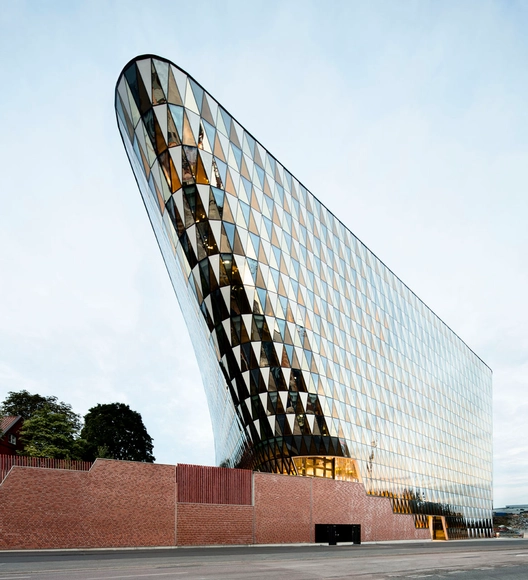
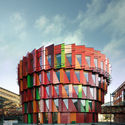
One of Sweden’s most esteemed living architects, Gert Wingårdh (born 26 April 1951) brought Swedish architecture out of the tradition of the International Style and into contemporary times with his playful design spirit and love of eye-catching materials. With his use of bright colors and geometric motifs, his recent buildings have been described as "Maximalist" or "Modern Baroque."
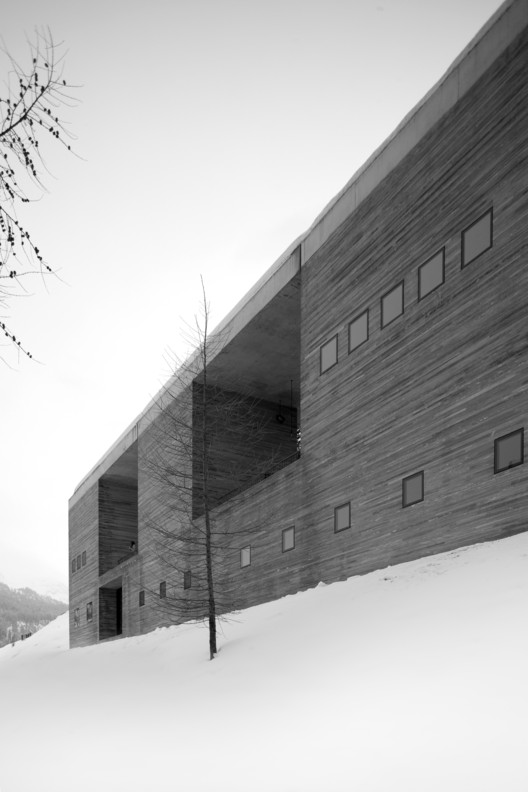
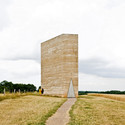
Known for his sensuous materiality and attention to place, 2009 Pritzker Laureate Peter Zumthor (born April 26, 1943) is one the most revered architects of the 21st century. Shooting to fame on the back of The Therme Vals and Kunsthaus Bregenz, completed just a year apart in 1996 and 1997, his work privileges the experiential qualities of individual buildings over the technological, cultural and theoretical focus often favored by his contemporaries.

In a visually over-stimulating environment, architecture projects compete for attention through eye-catching visuals and intriguing graphical representations of their concepts. Visualization skills rank high in the architectural profession, but they also demand significant time and effort to develop. Arch-Vizz is a website dedicated to both students and professionals who aim to improve their visualization skills and broaden their perspective on architectural representation.

While the idea of AI can be a scary one to many people, the main thing to keep in mind is that it is still just a tool. Like many things in our history, we have consistently found ways to do more with less; to become more efficient and better than we were before. The development of AI is a big step towards creating many new applications that could drive several industries forward.
For example, designers in manufacturing and healthcare have taken the lead in applying AI and generative design to benefit their trades. There have been some great examples of cutting-edge use cases from racing teams to companies like Airbus that are using these tools, as well as others like IoT and VR which are also starting to gain more traction in our industry.

To promote greater physical distancing and encourage alternative modes of transportation—both for essential workers commuting during the novel coronavirus pandemic and for residents allowed to exercise outdoors—cities around the world are revising transportation policies and repurposing vehicle lanes for cyclists and pedestrians.

Repurposing an existing structure, either by assigning it a new use or simply improving its condition, is a smart strategy in our current environmental context of rapid resource consumption. While finding ways to rehabilitate a building is a core task of architecture, the mission becomes far more complex when the pre-existing structure is imbued with deep cultural and historical value. Indeed, intervening in—and altering—architectural heritage means redesigning the past and prescribing a future, which may or may not introduce new ways of using the space.
ArchDaily has created a list of best articles that address all the tips and recommendations you need to know about materials, construction, design, education, work (and life).
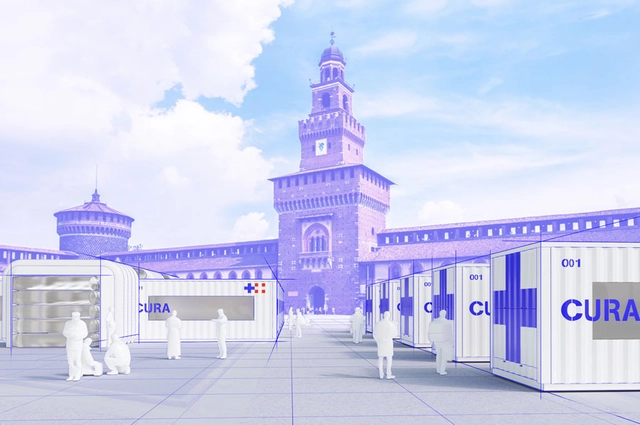
As the global health crisis continues, architects and designers are putting their expertise, technical capabilities and research skills in the service of the fight against the coronavirus. Metropolis Magazine has gathered together a list of several companies and their different initiatives for helping out in this novel situation. From 3d-printing personal protection equipment for medical staff, to designing modular intensive care units, and researching steps for converting buildings into hospitals, the creative community is bringing its own contribution to the efforts of tackling the pandemic.

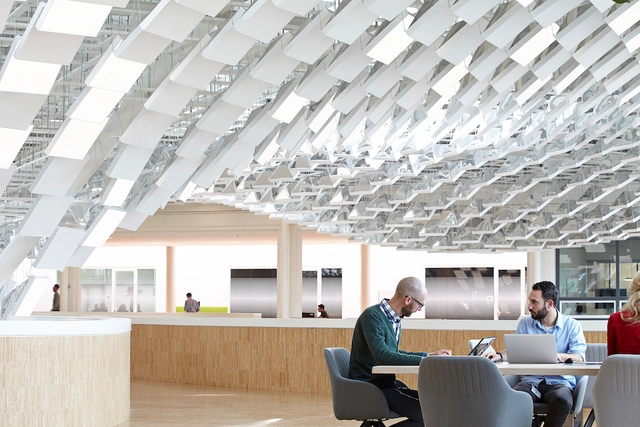
The incorporation of new technologies into architectural designs has been expanding design possibilities over the last few years. Automation in construction processes can be used both in large scale city strategies, and smaller-scale demands like in the construction of residences. One of the more recent ways that technology has been integrated into the design of workplaces is through the incorporation of artificial intelligence, which uses data that can “teach” the machines how to work in several levels of autonomy.
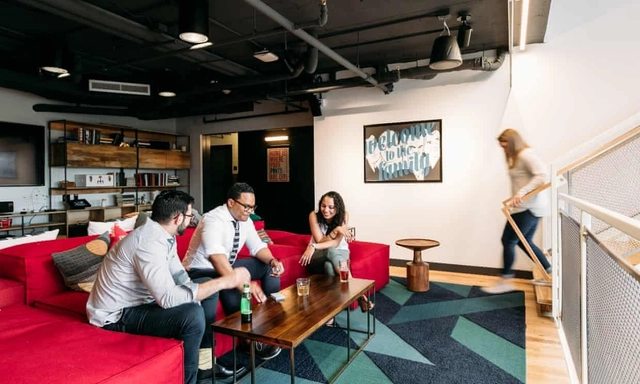
Many of us have already lived, or are currently living in, some sort of shared community housing. Whether it be from a college experience of living in a dormitory or a retirement community filled with other senior citizens, the loosely defined, yet increasingly popular concept of co-living has taken on many forms in society. The co-living market giants, including WeLive, Common, and Ollie, center themselves around participating in a shared economy, offering a financially sensible housing solution, and fostering meaningful social connections. As we continue to battle the COVID-19 pandemic and adapt to the enforcement of social distancing and stay-at-home mandates, co-living tenants have felt compelled to navigate the loopholes in the designs of their communities in order to discover new ways of living with others, while also mitigating health risks. In fact, co-living communities may be better positioned to handle a pandemic while balancing a sense of normalcy more so than traditional residential real estate offerings.
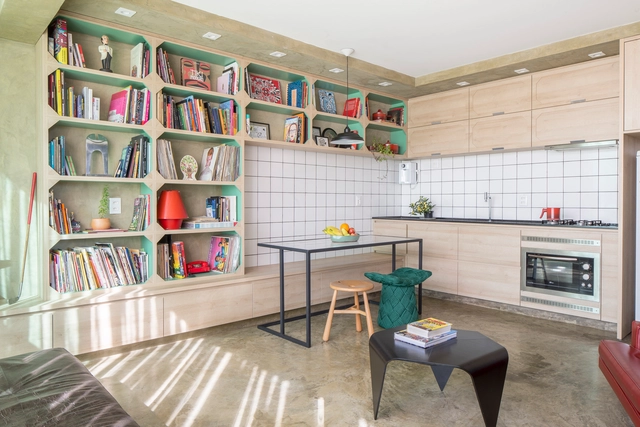
Have you ever heard of banquette seating? Frequently used in bars and restaurants, this layout features a sofa or fixed bench positioned directly against the wall next to the dining table. This saves space by eliminating the need for circulation behind those seated. Once used primarily in commercial settings, this design feature is now being widely embraced in residential projects, especially those with limited square footage.

It's no secret that adobe is one of the most widely utilized materials in construction. For centuries, it has been the go-to material for civilizations worldwide thanks to its aesthetic qualities and durability. Today, we continue using earthen materials like adobe for a wide array of building projects; however, to obtain optimal results, one cannot ignore the art and skill required in brickmaking. For many in the trade, it's a craft that has been passed down generation after generation.
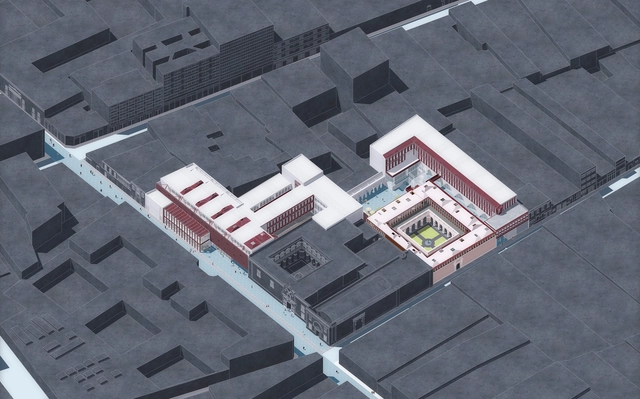
To showcase the valuable work emerging from Peruvian universities, we held the second edition of our open call for students, inviting them to submit their graduation projects completed in 2019.
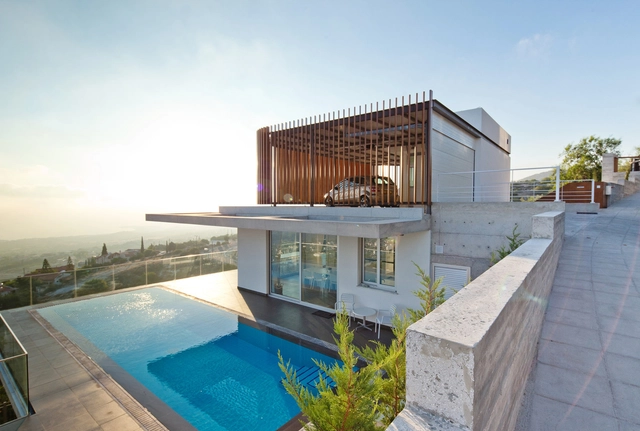
The architecture of Cyprus has been defined by larger geopolitical forces throughout history. Located in the Eastern Mediterranean, the island country is shaped physically and socially by the Cyprus dispute. Dating back to the bronze and iron ages, its architecture has been influenced by the Greeks, Assyrians, Egyptians, Persians, and Romans. Today, new homes are built across the island that reinterpret past building methods and construction techniques.

Among the diverse range of programs and typologies within architectural and urban practice, public and cultural projects perhaps have the greatest impact on urban life. This type of program is certainly compelling, as it involves designing buildings and spaces that will be appropriated by a vast number of users with diverse demands and ways of occupying space.
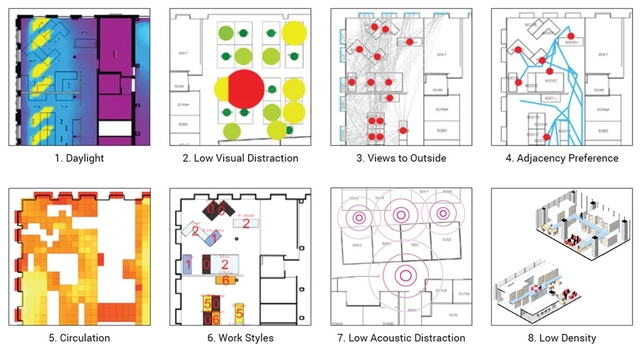
Trial and error. On a napkin, on tracing paper, or on a black CAD background, much of an architect's work is to make and redo lines, shapes, objects, and images. Discard, start over, repeat. Between an initial idea and a final project is a long and exhausting path. This difficulty lies in the root of designing as a process of making infinite decisions, where a change can influence countless other elements and consequently is an exercise in choosing benefits and concessions. These choices can take a number of forms, from determining how much area to cover while minimally impacting the environment to fitting as many work tables in an office as possible without losing good circulation. Each require many studies or considerations to arrive at the most suitable option. For example, the position of a window, even if it looks great on a the façade, can make the location of the bed in a dormitory unfeasible or increase the building's energy consumption.
Of course, there are always tight deadlines and budgets throughout any project, with the client often in a hurry and willing to devote limited time to thinking about every possible combination or the precise appropriateness of each decision. This stage is where, increasingly, the concept of Generative Design has appeared in architecture.
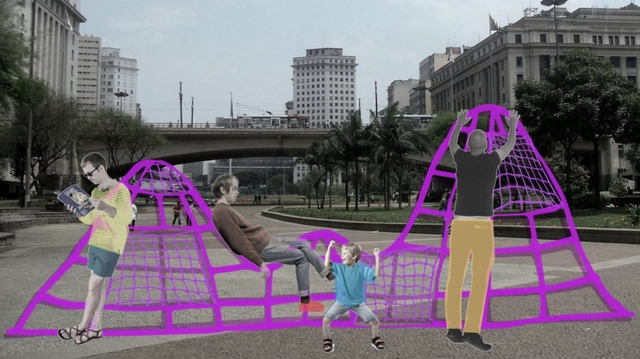
Cities are catalysts for encounters and opportunities, drawing in people in search of greater scale and diversity. Now, with social gatherings restricted, what becomes glaringly obvious is our interdependence and the importance of the spaces that sustain exchange and coexistence. Let me explain this through something simple, yet no less significant for this moment: most public spaces in Brazil—squares, parks, sidewalks—when they exist at all, are barren. In other words, they lack the infrastructure to support people lingering.

.jpg?1587954414 "NUBO Kindergarten / PAL Design. Image © Michelle Young, Amy Piddington")










.jpg?1587461860 "Courtesy of Alexis Christodoulou")
.jpg?1587461837 "Courtesy of Alexis Christodoulou")
.jpg?1587461848)