VOID is an interactive sensory art installation created by New York-based artists Sergio Mora-Diaz, Oryan Inbar and Jordan Backhus, that manipulates light in physical space to generate an immersive interaction arena and a meditative, transcendent spatial experience, which reminiscent of the cosmic sky and streams of information.
The installation is composed of an arrangement of translucent screens, digital generative images displayed through a projector and sensors that respond directly and visually to the proximities and movements of its users.
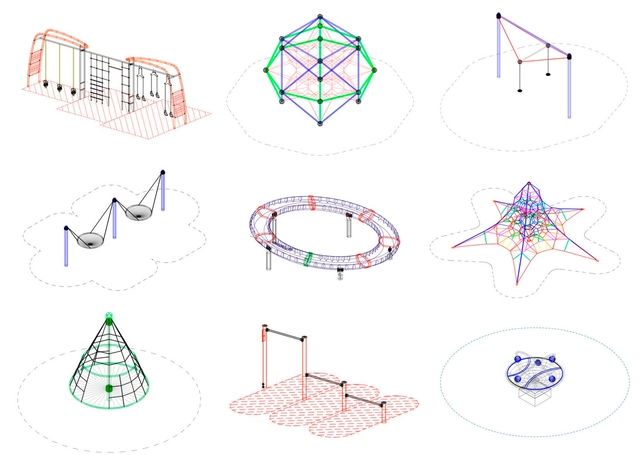
With the aim of supporting the design work of our readers, the company UrbanPlay has shared with us a series of files in .DWG format for different models of children's games, playgrounds, and equipment for public space. Files can be downloaded directly in this article and include 2D and 3D files.
Before Lumion rendering used to be really hard. Setting up and completing a render used to take days. With Lumion you can do it in hours. You can even make last minute changes before a meeting and update your renders in minutes. Anyone can sit down with Lumion and within 15 minutes learn how to create videos, images and 360 panoramas. As Scott Erdy, principal of Erdy Mc Henry puts it: "Lumion is really about the creativity of the architect being expressed in a way so other people can understand it."
https://www.archdaily.com/799471/feel-the-space-with-lumion-7Sponsored Post
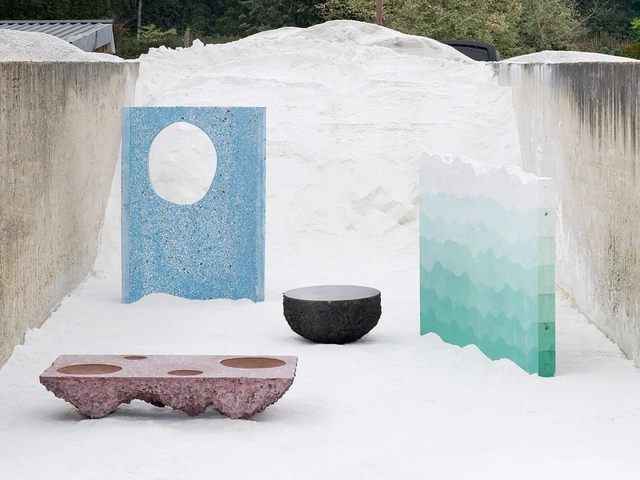
Studio Ossidiana, founded by Alessandra Covini and Tomas Dirrix, investigates architectural materials through experimental research projects. Their recent work "Petrified Carpets" explores the "ideal garden" found in Persian carpets and will be showcased at the Dutch Design Festival of 2016 along with other exhibitions.
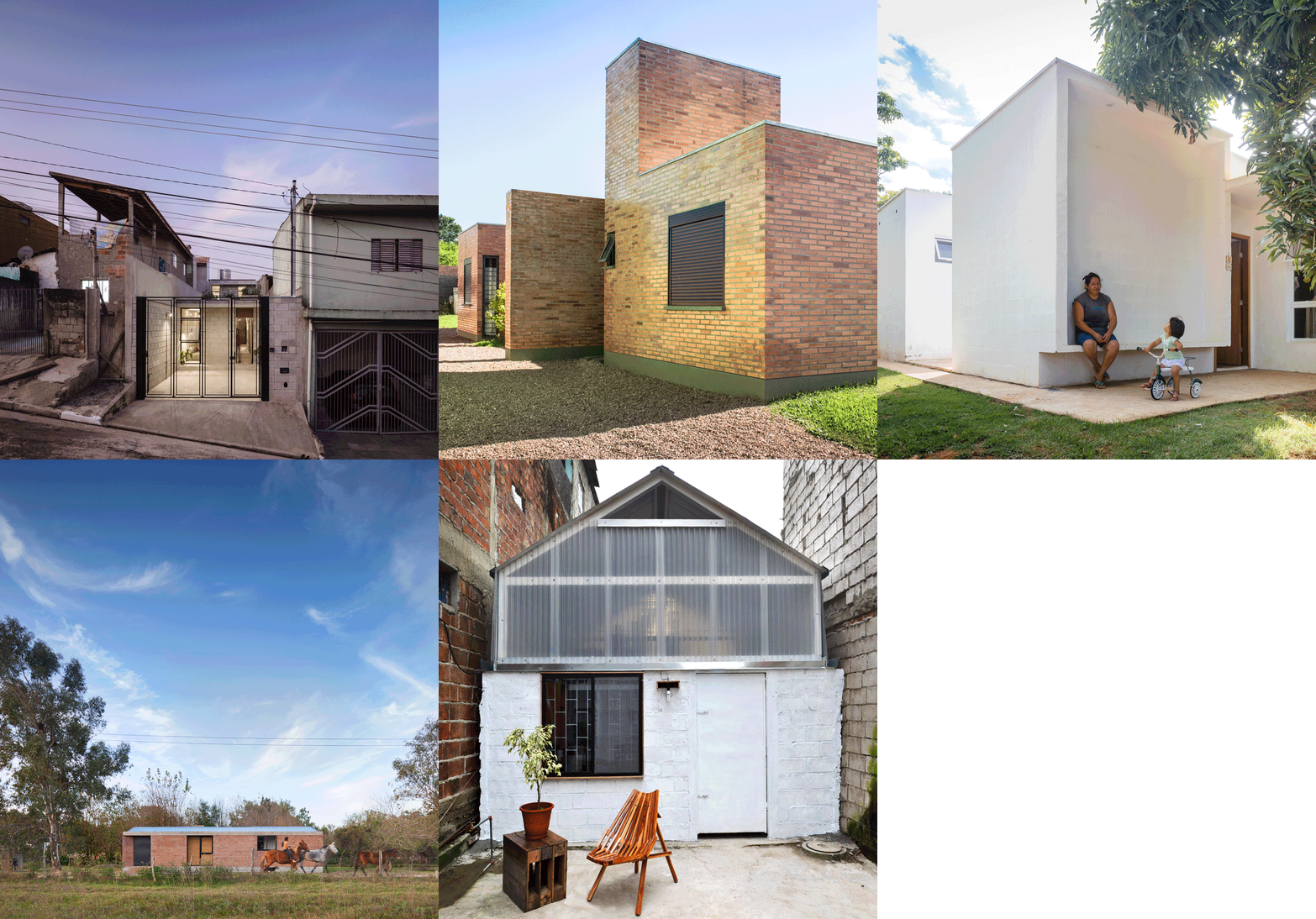
One of the most limiting factors of any project is the budget. A low budget demands much more of the architect's inventiveness to ensure the quality of the work. Since most house constructions have a lower financial investment than architects would like, we thought it essential to highlight some examples which stood out because of the architect's ingenuity in solving the low budget "problem" by creating quality solutions.
Using concrete and bricks made of raw mud, architects Solanito Benitez, Solano Benitez, Gloria Cabral, Maria Rovea and Ricardo Sargiotti built a wall able to be constructed by the two materials working in tandem. Once the concrete dries, the bricks are washed away, returning the mud back to its natural state, leaving spaces in the lines of concrete, like a kind of negative.
This artistic intervention arose from an invitation to participate in an art exhibition in Unquillo MUVA, Cordoba, Argentina from April 11 to May 3, 2014.
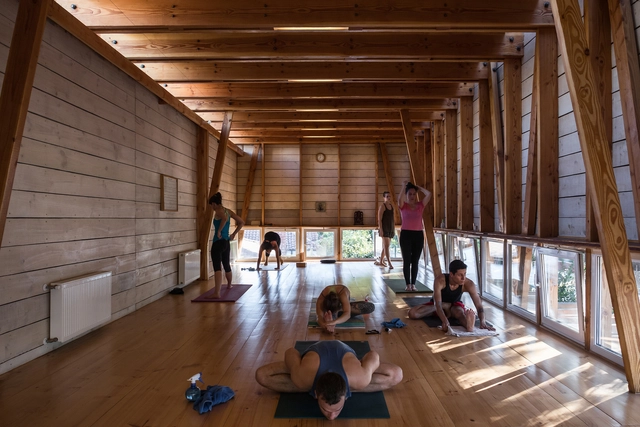
For several decades, a set of oriental practices and techniques have strongly infiltrated the western world. A new program that, as architects, we must start solving more often, and that poses interesting challenges from the point of functional, environmental, and aesthetic.
These disciplines are completely focused on the human being, as they seek to work and satisfy their physical, psychological and spiritual needs, and that's why it seems important to analyze how these needs are being met spatially by architects. Many of the operations taken in these spaces create enabling environments for reflection, introspection, healing, and therefore could also be applied in other relevant programs, such as housing, educational, hospital, and even office spaces.
This article seeks to draw lessons from some projects already published on our site, in order to perform a kind of guide for designs that helps our community of readers to find inspiration more effectively.
These days architecture is both a weapon and a victim of intolerance. Historic buildings are destroyed for what they symbolize, and there are calls for the building of walls and the construction of refugee cities. These actions are symptoms of the global preoccupation with the fear of others and the attempt to keep people “out.” The MassachusettsCollege of Art and Design (MassArt) community rejects these injustices and has built the architecture department on the principle that the purpose of architecture is to support the social good.
https://www.archdaily.com/797357/massachusetts-college-of-art-and-design-architecture-program-supports-social-goodSponsored Post
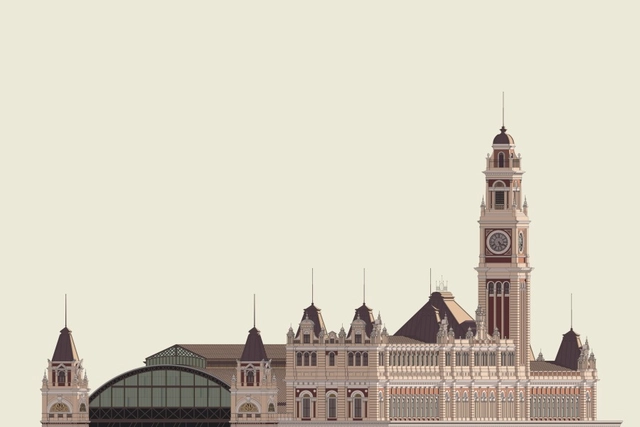
While using technical drawings, Zema Vieira makes architectural illustrations by using only AutoCAD without any further techniques. Her body of work became a project called “Fachada Frontal” or "Front Facade." In it, the artist depicts buildings from cities around the world, with a particular focus on Belo Horizonte, Brazil.
Check out below the illustrations made by the artist.
As we celebrate World Animal Day, take a look at 20 stunning projects we have previously published that do just that, celebrate animals #WorldAnimalDay.
Whether the space was designed for them or these animals were simply photobombing, these inspiring project images illustrate our quadruped, furry friends enjoying architectural spaces.
See the 20 projects where humans are not the only users.
Committing your firm to BIM may seem daunting, especially with the time and cost investments that come with adopting new sets of software and a new workflow. There are hidden parallels however, between BIM and other processes within a firm, and therefore these changes to a new way of working may not be as demanding as they first seem. Here are five ways you may already be halfway to BIM.
https://www.archdaily.com/796478/not-ready-for-bim-here-are-5-reasons-you-may-be-wrongAD Editorial Team
We talk about sustainability, livability, and land use to describe a project, but we often avoid the profitability, capital gains, and externalities that go along with them simply because we don’t know how to use the terms. Architecture doesn’t exist outside of the economy and in fact, how we build each building directly affects the economy of our cities.
As a profession, architecture acts as the mediator between different specialties, and it is very important to speak the official language of each of them. This article will help you easily understand some basic economic concepts that relate to architecture.
Buenos Aires' contemporary urban landscape as we know it today provides a tempered mix of historical and recent construction projects. As one of the most beautiful cities in South America, it's wide boulevards and grand buildings, based on European models, have morphed to embrace the needs of a modern metropolis.
These images show just how profoundly time affects our cities (and how centuries-old foliage can powerfully transform spatial perception).
Browse the 20 interactive images of Buenos Aires before and after.
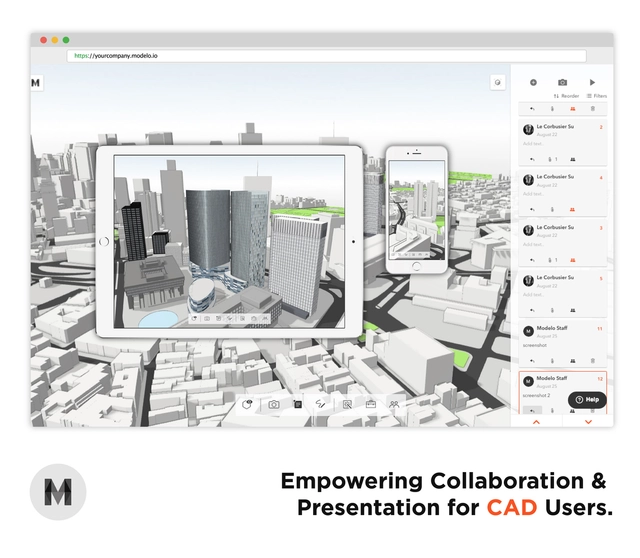
The dynamics of presenting architectural designs are changing. Deadlines mushroom from nowhere while timelines shorten. Clients push for high-fidelity renderings earlier in projects and marry themselves to conceptual images of perfection unaware that they will only ever be realized on a screen after hours of post-production.
https://www.archdaily.com/794780/modelo-empowers-collaboration-and-presentation-for-architectsSponsored Post
Virtual, Augmented, and Mixed-Reality add to an evolving spectrum of visualization tools that have invigorated the dialogue around how we pre-experience architecture. Los Angeles-based Shimahara Illustration discusses a fundamental difference between these new technologies and traditional CG film/animation.
https://www.archdaily.com/794704/virtual-reality-vs-film-what-are-the-benefits-of-each-when-presenting-building-designsSponsored Post
ArchDaily just reached 1 million followers on Instagram! To celebrate, we’re featuring 25 new Instagram feeds to follow. As with parts one, two and three of our Instagram round-up, we’ve selected a varied group of accounts which includes architecture photographers like Laurian Ghinitoiu, whose stunning images have appeared on ArchDaily countless times, and prominent architecture firms like Mad Architects, MVRDV, Sou Fujimoto and OMA. We’ve also added well-curated feeds on certain subjects like socialist_modernism, and perfectly symmetrical buildings via symmetrical_monsters which are sure to inspire you.
If you’re looking for daily inspiration, these feeds are definite must-follows.




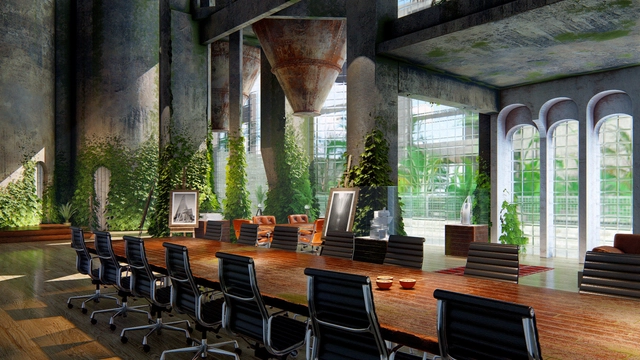




.jpg?1476369871 "Ritual House of Yoga / goCstudio. Seattle, United States. Image © Kevin Scott")

.jpg?1476460856&format=webp&width=640&height=580)