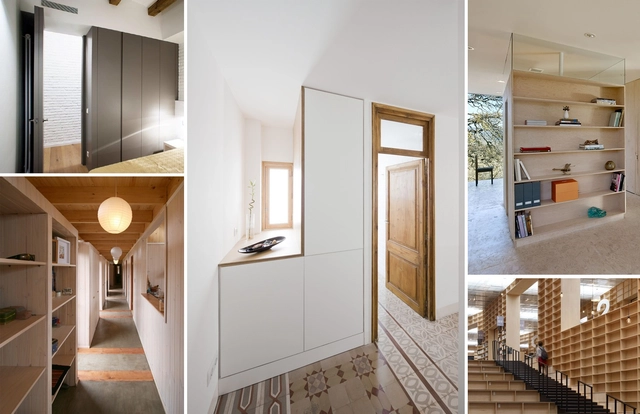
One of the hallmarks of architectural sensibility is a clean, clutter-free space – "a place for everything and everything in its place." Every project requires some element where things can be neatly stored away, whether it be books, kitchen appliances, or entire furniture pieces. Solutions for these storage needs can range from invisible and out of the way, to stunning, textural centerpieces – either way adding necessary functionality to our most-used spaces.
Check out this selection of ten brilliant storage spaces.
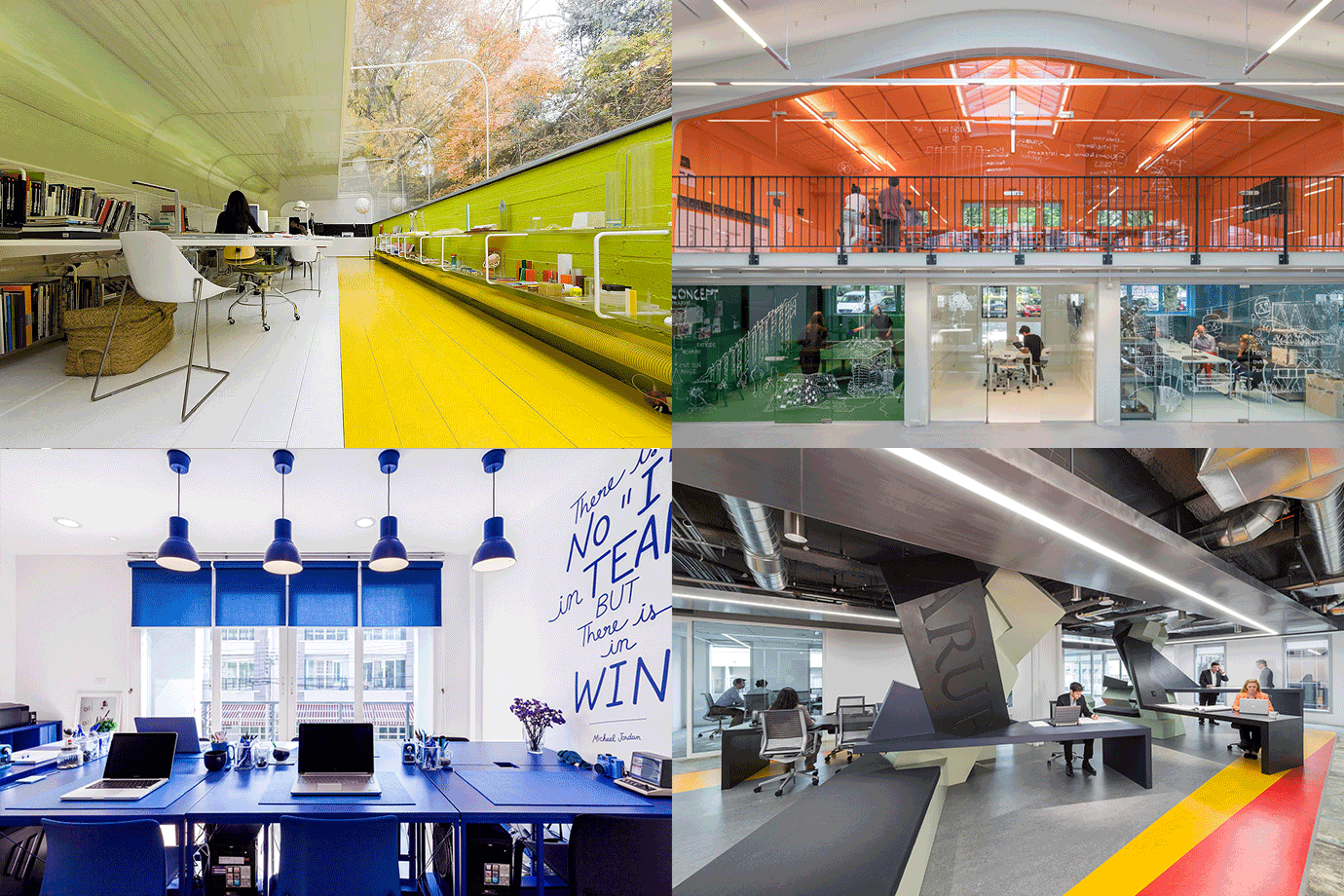
The spaces in which great architecture firms produce their work are a source of endless curiosity for architects. By understanding these workspaces, architects hope to understand the environment in which their favorite ideas and drawings are shaped, and gain a more intimate understanding of their favorite practices. For this reason, we have searched our archives for the architectural offices that have previously been published on our website. Among our selection are international names such as MVRDV and Selgas Cano alongside other offices which, though not so well known, also demonstrate how your workspace can be a source of inspiration for design.
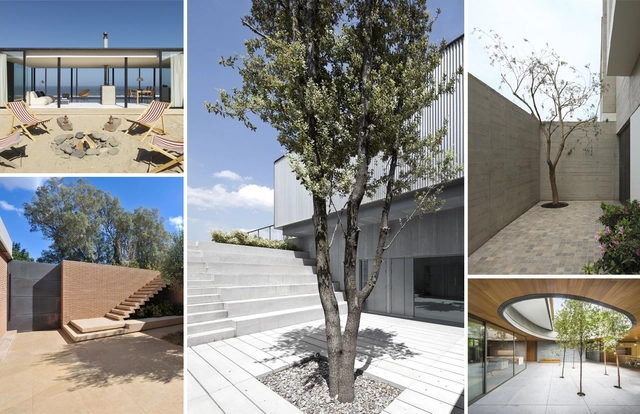
We would like to take a second to focus on the wonderful, yet often overlooked, inner courtyard. The inner courtyard is essentially a "contained outside space" made up of transparent walls, and a well thought-out drainage system is a must. Other elements such as furnishings, decks, vegetation, stairs, water are then added, complicating the space created. The inner courtyard also plays a role in the building's layout; in most cases it functions as the central point from which the other rooms and functions of the project are organized, giving them air and light when the façade openings are not enough.
Here is our selection of 13 stunning inner courtyards of houses and buildings that we have previously published on our site.
The world of architecture can be a serious place. Though the rest of the world holds quite a few stereotypes about architects, unfortunately none of them include us having a sense of humor—and perhaps that seriousness explains why one of the most popular memes involving architects isn't exactly favorable to the profession. Here at ArchDaily we thought we'd do just a little to correct that with some memes riffing on some of the profession's most beloved names—as our gift to the entire architectural profession. Read on to see what we've come up with, and don't forget to get involved with your own architecture funnies.
https://www.archdaily.com/802255/a-selection-of-name-based-architecture-memesAD Editorial Team
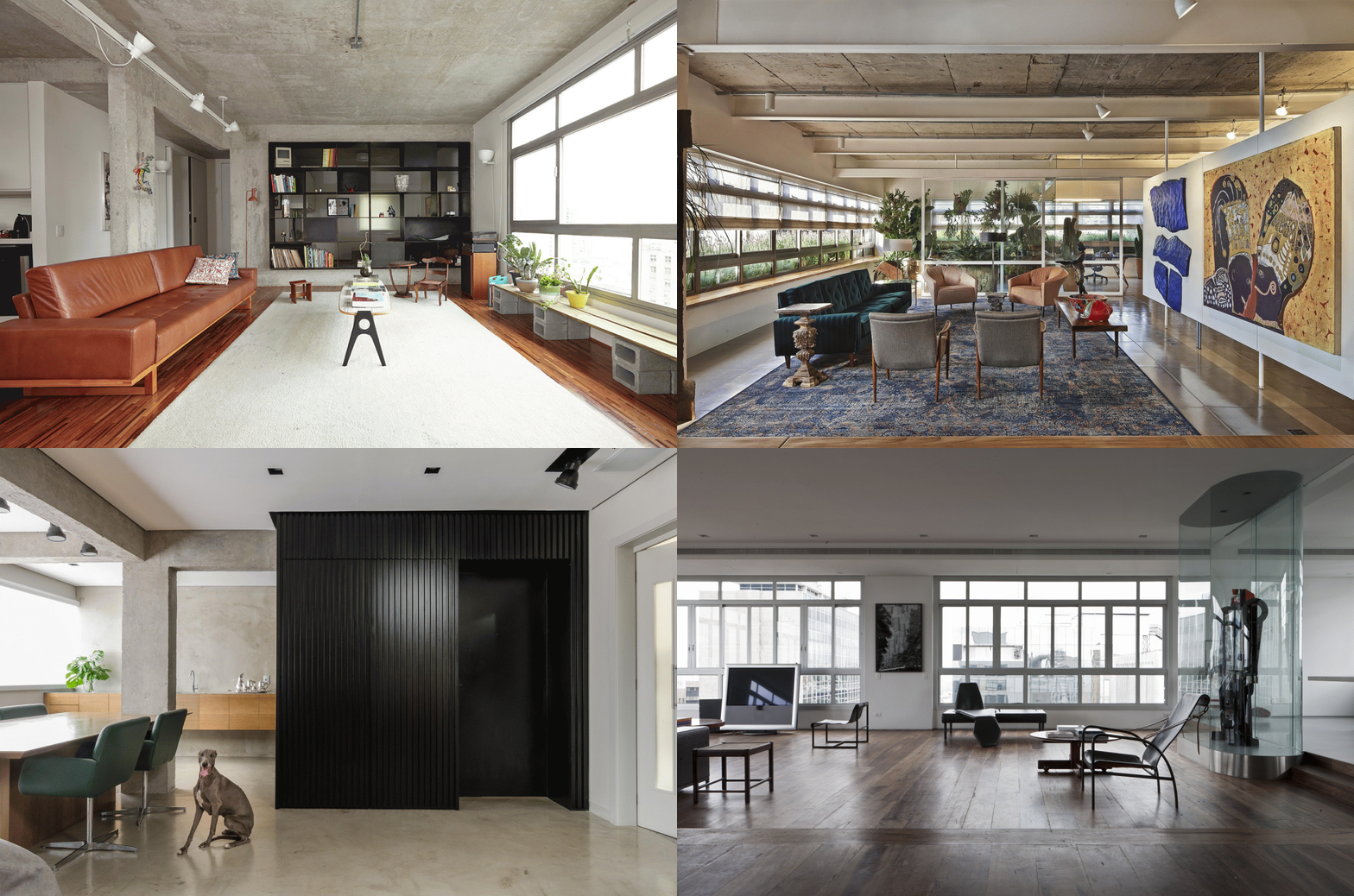
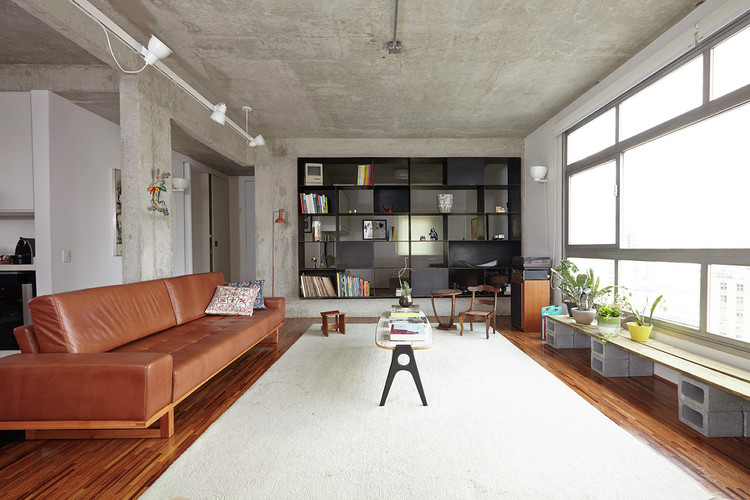
From Oscar Niemeyer's iconic Edifício Copan to Lina Bo Bardi's influential glass house, Brazil has long been notable for its residential architecture. Part of that success has been driven by the strength of Brazilian interiors, as many of the country's designers have an astute understanding of and appreciation for materials. Many designs sensitively fuse both rough, raw elements with luxurious details—an approach that is can be cleverly adjusted to suit a wide variety of clients and budgets. Here we showcase ten projects, published on both ArchDaily and ArchDaily Brasil, that respond to the needs of different clients and different ways of living to provide a cross-section of interior architecture in Brazil.
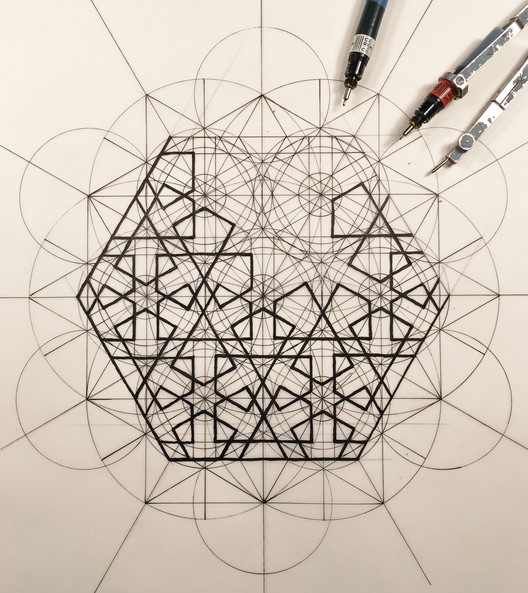
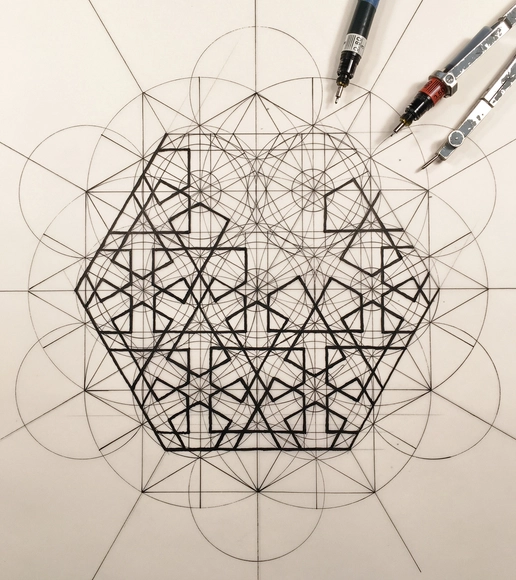
Rafael Araujo is a Venezuelan architect and illustrator who at the age of fifteen began to observe intelligent patterns in nature, giving rise to his interest in the golden ratio located in our natural environment.
More than 40 years later, the results of this hobby is a collection of beautiful illustrations of nature made entirely by hand, equipped with a pencil, a compass, a ruler and a protractor.
The artist's illustrations give his ability to represent the mathematical brilliance of the natural world, inciting the reunion of humans with nature.
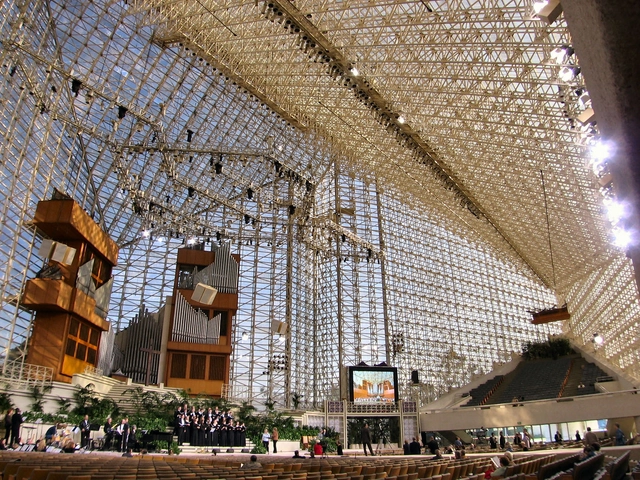
When the Crystal Cathedral was constructed near Los Angeles in 1980, its design was pure Hollywood: designed by Philip Johnson and John Burgee for televangelist star Robert Schuller, the design combined traditional elements of church design with features that made it suitable for television broadcasts. However, when Crystal Cathedral Ministries filed for bankruptcy in 2010, the building was passed to a very different tenant, the Roman Catholic Diocese of Orange, who then commissioned Los Angeles-based firm Johnson Fain to adapt the building to be a better fit for the Catholic Church.
A recent article by Mimi Zeiger for Architect Magazine investigates how Johnson Fain are converting the 1980 classic into something more suitable for its new life out of the spotlight—including modulating the light within the vast all-glass structure and rearranging the seating.
https://www.archdaily.com/802487/how-the-crystal-cathedral-is-adapting-for-a-new-life-out-of-the-spotlightAD Editorial Team
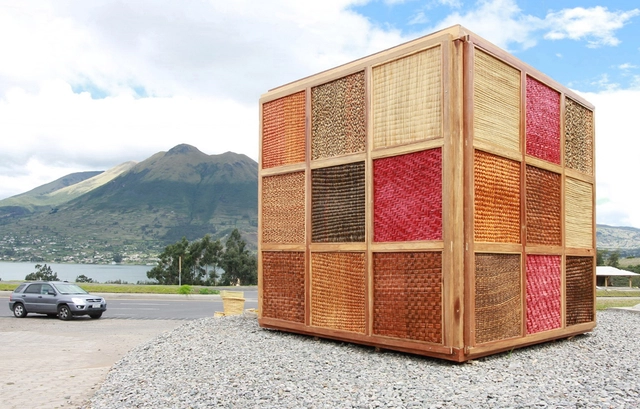
Developed by the architects of the "think-act tank" Archquid, in connection with the indigenous community and other institutions of the parish of San Rafael de la Laguna (Otavalo, Ecuador), this project revolves around the material research of the totora plant, a subspecies of the giant bulrush sedge. The Totora Cube project deepens the understanding of the art and craft with which these fibers have been used since pre-Inca times.
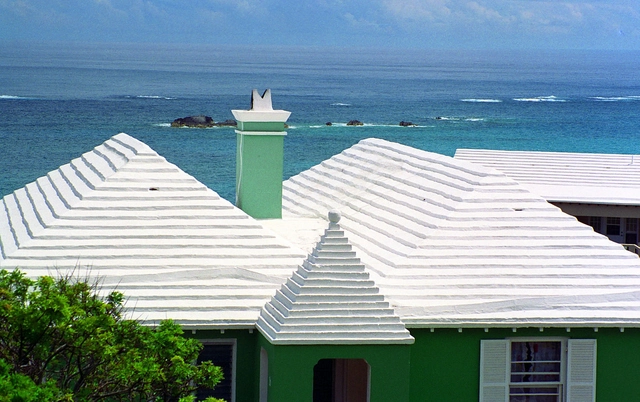
Visitors to Bermuda are likely to notice one key feature about its architecture: across the islands, the pastel-painted houses all share a distinctive white, stepped roof style. A recent article on BBC News Magazine explores the original reason for, and subsequent history of, this unique roof design, showing how vernacular architectural elements often fit into a larger narrative of culture and geography.
The key to quick, efficient CAD modeling is to have a solid library of CAD blocks - pre-prepared sets of common objects and details that you can simply drop into your drawing as and when they are required. Fortunately, there are many ways you can build up your own CAD blocks library without having to create all of your own objects from scratch. One of them is to purchase sets of blocks from websites like boss888.net, which has a wide array of CAD objects available for download - and is even offering a selection of their catalog for free.
https://www.archdaily.com/802406/60-free-cad-blocks-and-drawingsAD Editorial Team
TEAM Casamassima Mazzocchini Notari. Image Courtesy of YAC
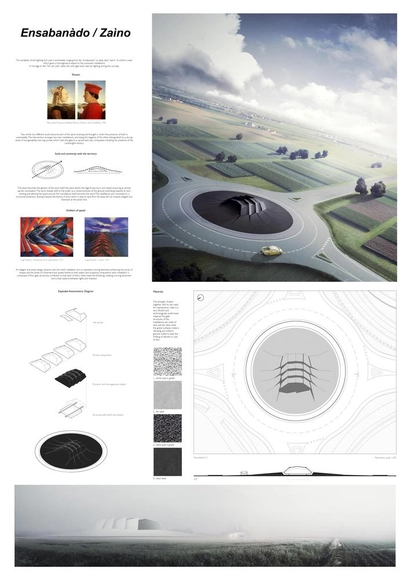
YAC - Young Architects Competitions – and Automobili Lamborghini have announced the winners of Lamborghini Road Monument, an international architectural competition launched last September in cooperation with the Region of Emilia-Romagna, the Municipalities of Bologna and Sant’Agata Bolognese, the School of Fine Arts of Bologna and Unindustria Bologna. The aim of the competition was to design two architectonic installations in order to emphasize the importance of Lamborghini’s sites in Sant’ Agata Bolognese, near Bologna (Italy).
The installations had to embody the values of a world-renowned brand, aiming at sculpting in matter the history of speed, power, and innovation.
The jury noticed a high-quality standard of designs and Automobili Lamborghini decided to award two projects the 1st Prize, rewarding ACQ studio and ZERONOVE ARCHITECTURE teams with a cash prize of € 12,000 each and with the construction of their installations.
Costa Rican architect César Oreamuno has designed a modular capsule that accommodates to the basic needs of a community after a state of emergency or disaster. The units are adaptable and easily assembled in order to account for a variety of situations and respond to a series of unique functions, although the main theme of the project is focused on improving the quality of attention towards the basic needs of crisis victims, as well as encouraging the development of the community.
Ferry Marcellis, co-founder, and CEO of Act-3D, the parent company of Lumion, the fast emerging standard for rapid, hyper-realistic 3D videos, images, and 360-degree panoramas. Today Lumion’s under the radar growth throughout design firms of all sizes—from sole proprietorships to the world’s top 100—has revolutionized workflows and client presentations. Why the shift to Lumion? What differentiates it from other rendering tools? How does it transform the art of what’s possible for designers? Marcellis offers his views.
https://www.archdaily.com/801337/why-is-visualization-so-hard-for-architects-meet-the-guy-who-has-the-solutionSponsored Post
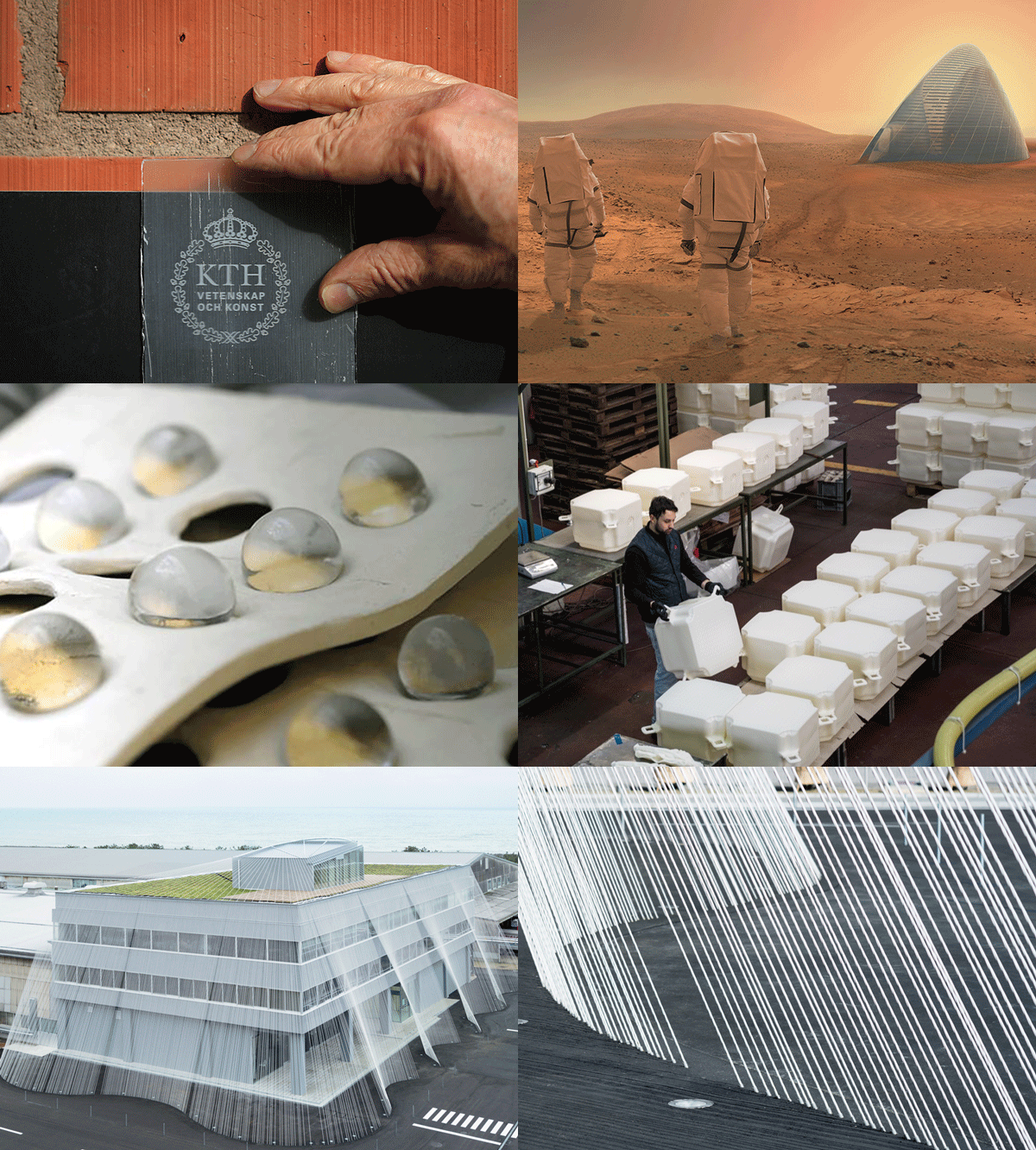
Cement that can generate light? Concrete for building on Mars? Translucent wood? Biodegradable furniture? Pollution absorbing bricks? At first, it sounds crazy but these are only some of the research projects taking place around the world in order to take the construction industry to the next level.
Continue reading below for more information about the motivations behind these projects and how these "experiments" that have already begun large-scale testing are being carried out.
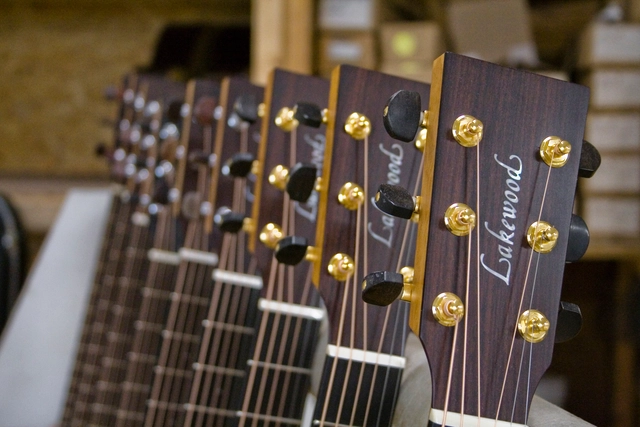
Lakewood produces circa 1300 guitars a year.. Image Courtesy of Lakewood Guitars
In the middle of Europe, Martin Seeliger has been building acoustic guitars for 30 years now. The success of the Lakewood factory proves that with good old craft, transported to the modern era, you can build a global brand. See how EGGER interprets craftsmanship with their handcrafted style in their forthcoming decorative collection.
https://www.archdaily.com/800947/instrument-building-an-ancient-craft-with-a-big-futureSponsored Post
Portuguese photographer Francisco Nogueira captured the building's spaces in this comprehensive gallery of images. The MAAT proposes a new relationship between the river and the visitor through a building whose simultaneous power and sensitivity explores the convergence of contemporary art, architecture, and technology. As a structure in the landscape, the building becomes landscape by allowing visitors to walk over and on the museum itself. See here 70 stunning photos of MAAT's interiors and exteriors.
The Times they are a-changing. It was true over 50 years ago when Bob Dylan wrote the song and it’s true now more than ever. Technology is the biggest engine driving change and the realm of Architecture is not exempt. The latest shift sees Architects employing new ways of integrating visualization into their 3D workflows to help their clients feel the space inside their future buildings. Fast, self-created animations, self-rendered images, and 360 panoramas can be viewed through VR headsets or uploaded to the internet to share instantly online. These are all possibilities with a visualization tool like Lumion, which the whole of the US architectural industry currently seems to be flocking towards en masse.
https://www.archdaily.com/800541/clients-expect-a-renderSponsored Post
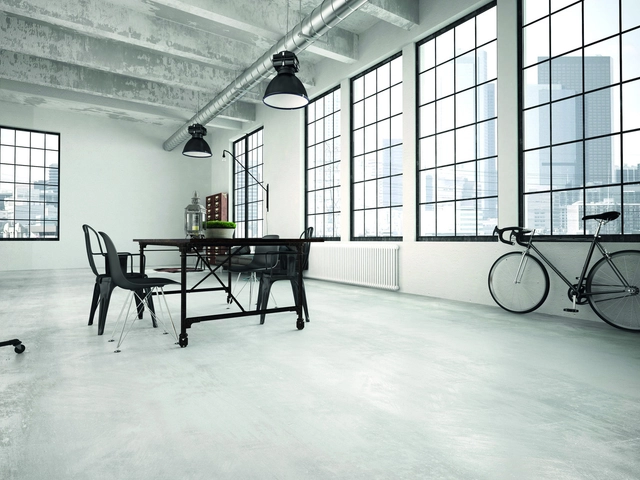
Light, open spaces: Lofts break with the traditional way of living and create room for new ideas.. Image Courtesy of EGGER
As industry withdrew, the creative types came and populated the empty factory floors of the big cities. Art, furniture design and work life benefitted from this international trend. EGGER, a supplier of wood-based materials, interprets this trend with its forthcoming decorative range.
https://www.archdaily.com/799963/life-is-a-loftSponsored Post





.jpg?1480005281 "Courtesy of Rafael Araujo")
.jpg?1480005581 "Courtesy of Rafael Araujo")

_(2000x1616).jpg?1480005429 "Courtesy of Rafael Araujo")