The International Workshop RCR is born of a way of understanding Architecture and Landscape from a humanistic spirit. The coexistence in a space and time of different creative disciplines creates synergies for mutual enrichment between the parties.


The International Workshop RCR is born of a way of understanding Architecture and Landscape from a humanistic spirit. The coexistence in a space and time of different creative disciplines creates synergies for mutual enrichment between the parties.

The International Workshop RCR is born of a way of understanding Architecture and Landscape from a humanistic spirit. The coexistence in a space and time of different creative disciplines creates synergies for mutual enrichment between the parties.

The International Workshop RCR is born of a way of understanding Architecture and Landscape from a humanistic spirit. The coexistence in a space and time of different creative disciplines creates synergies for mutual enrichment between the parties.
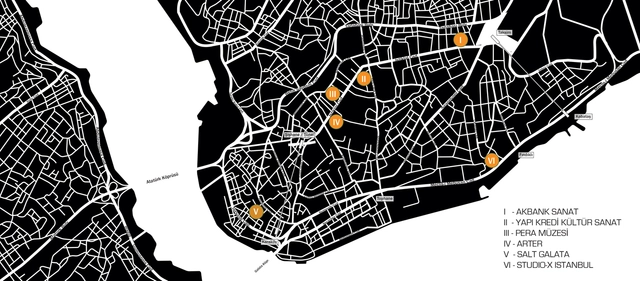
Organised by the Istanbul Foundation for Culture and Arts (İKSV) and sponsored by VitrA, the 4th Istanbul Design Biennial (22 September – 4 November 2018) announces A School of Schools: Orientation, a multifaceted opening programme exploring the possible futures of design education.
Taking place over two days, from 20 – 21 September 2018, the Orientation days will see practitioners, educators and thinkers from Turkey and around the world converge for a biennial conceived as a public space for dialogue, provocation and production. Together, they will test and revise a variety of educational strategies to reflect on the role of design, knowledge, and global connectedness in contemporary Istanbul and beyond.
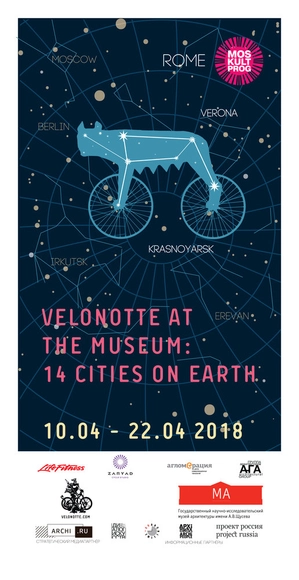
VeloNotte, international urban history startup on two wheels, celebrates its 10th anniversary of their nocturnal tours with an exhibition-workout in the Schusev Museum of Architecture in Moscow.
Just a few steps from Kremlin, Velonotte converts the room of the 18th-century mansion into a cycling studio. Once you start to pedal the journey will bring you to one of the cities that the project explored so far with speakers like Richard Rogers, David Adjaye, Richard Burdett, Peter Ackroyd, Vladimir Paperny, Jean-Louis Cohen.
The exhibition will feature amateur videos selected by curators from the posts of the more than 100,000 participants of Velonotte night tours all over the world.
On display are also original documents and artifacts from the Velonotte history – such as a piece of the memorial plaque that Velonotte had unveiled in Moscow at Petrovka street 27/16 - where architect Konstantin Melnikov lived during his happiest 1920s (the tablet was destroyed by vandals soon after installation).
A new format of the educational program -lecture-workout - is proposed to enrich the visitors' experience. Velonotte's founder, Dr. Sergey Nikitin is going to tour people "virtually" through the places that Velonotte couldn't do due to bureaucratic reasons - in cities like Vienna, Yerevan, Kazan.

This year Canal180 will host the 180 Creative Camp for the 7th time. An 8-day creative boot camp happening in Abrantes, Portugal, from 1st to 8th July. We provide time and place for young creators and invited artists to learn from each other, exchange experiences and create new projects together.
Modernity certainly does not have to be characterized by ugliness, but we may well have to make some revisions in our standards of beauty.
— Edward J. Logue
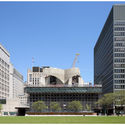
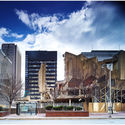
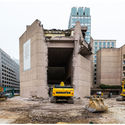
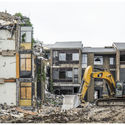
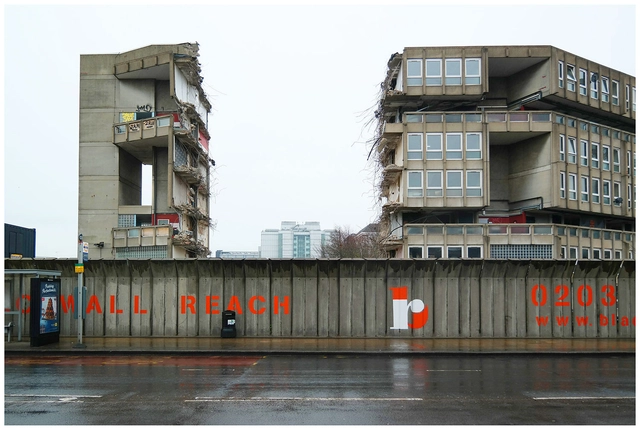
pinkcomma gallery is proud to present Brutal Destruction, photographs of concrete architecture at the moment of its demise. The exhibit is curated by Chris Grimley of the architecture office over,under. The exhibit opens 12 April, 2018 from 6–9 p.m., and the will be on display through May 03, 2018.
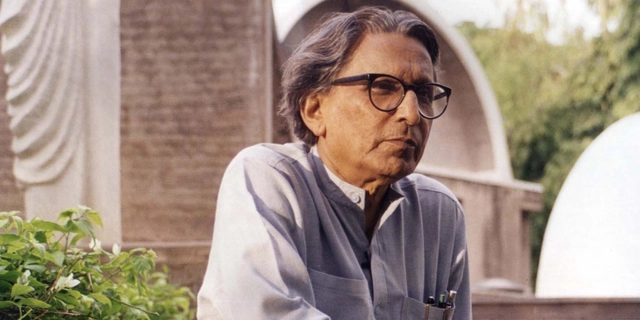
The Daniels Faculty is honoured to welcome Professor Balkrishna Doshi, the 2018 Pritzker Architecture Prize Laureate, to present the public lecture "Paths Uncharted" on Wednesday, May 16, 2018.
"Journeys over the last seven decades showed me how ‘life’ and discoveries happen and how chance encounters enrich new opportunities," says Doshi. "These experiences made me look at architecture as a living entity providing me with opportunities to rediscover and express my hauntings through built-form.
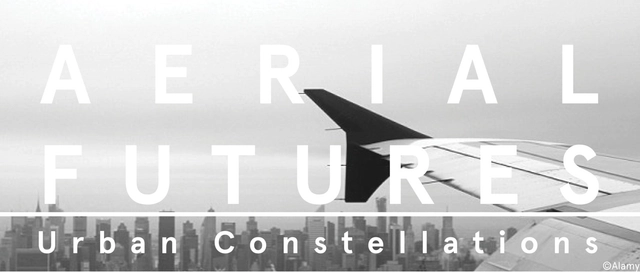
Multiple-airport cities present new challenges for passengers and urban dwellers who often struggle to navigate their aerial infrastructure. The fragmentation of airports in a single city, frequently owned and operated by different governing bodies, can lead to unpredictable and even confusing experiences. With seven airports in its metro area, New York City offers a perfect case study to reimagine airports as a choreographed urban ecosystem, which relies as much on architecture and urban planning as it does on technology and data-driven design. A panel of experts will discuss challenges and opportunities for the future of New York City’s aerial infrastructure, drawing from the think tank’s focus on urban design and digital interfaces.

Modernism on the East Coast – Philip Johnson and the Harvard Five

The MAS in Collective Housing is celebrating its 10th anniversary and they want to share their happiness for that achievement. After having 256 alumni from 38 different countries, and 70 international workshops, we are convinced that they are doing something right. The application period for the 2019 edition is already open.
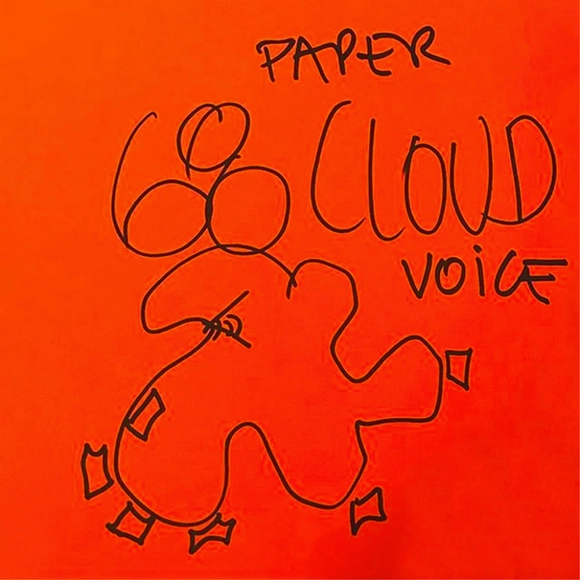
CLOUD ’68—PAPER VOICE
Smiljan Radić’s Collection of Radical Architecture
With recordings of interviews by Hans Ulrich Obrist
Co-curated by Patricio Mardones

Today we live in a world where education—its purpose, methods and meanings—are rapidly changing, as well as the learning environment. EdDesign Сonference is designed to open and to support the discussion upon these issues.
How can we educate ourselves today and motivate ourselves? How does early childhood and the kindergarten environment influence children and their skills? How can school spaces become useful pedagogical instruments? How can the modern, thought-through museum motivate for better learning and knowledge sharing? In what way can government, citizens, pedagogues, architects, and designers collaborate to build better educational environments?

A symposium to kick off the new ANCB programme Borders and Territories: Identity in Place with Theo Deutinger, Annett Zinsmeister, Ai Weiwei and Lukas Feireiss.
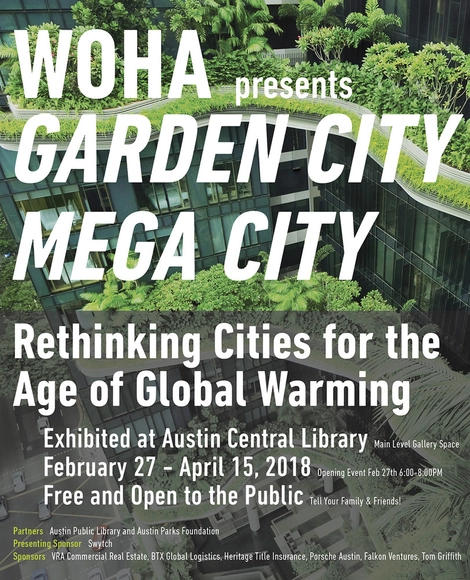
In collaboration with Austin Central Library and Austin Parks Foundation, the Singaporean architecture firm WOHA is pleased to present “Garden City Mega City,” an exhibition highlighting sixteen built and unbuilt projects that put forward a sustainable vision for how cities should evolve in the 21st century.
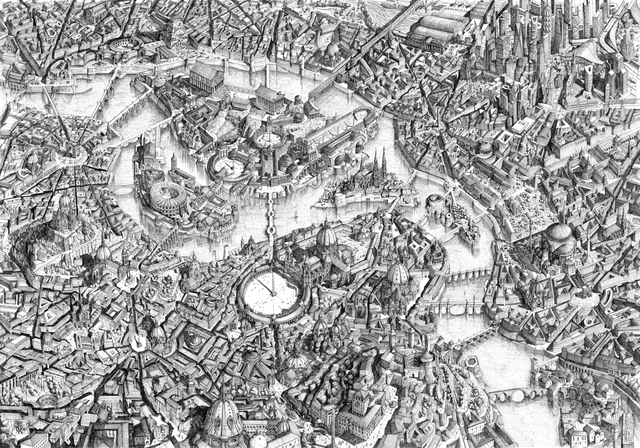
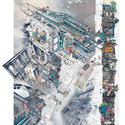
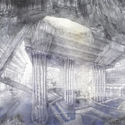
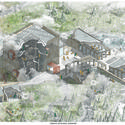
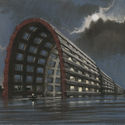
The Architecture Drawing Prize received 166 entries from 26 different countries, offering a fascinating cross-section of approaches to and uses of architectural drawing today: from highly sophisticated design drawings to lyrical hand-drawn sketches, and everything in between. The exhibition retains a sense of this variety so along with the three category winners, it was decided to showcase the ten entries that received commendations from the judges.

The Bibliothèque nationale de France has given its architect Dominique Perrault ‘carte blanche’ to develop an exhibition dedicated to the building he designed in 1989 : with an original ‘mise en abyme’, a large-scale scenography presents the story of the conception and construction of the BnF, one of the most important contemporary public buildings in France.
CANactions seeks to enhance the creation of places and communities in Ukraine where people love to live and work. CANactions integrates the most relevant world experience in the sphere of architecture and urbanism to educate and inspire responsibility active change makers. For this moment, CANactions is a member of Future Architecture Platform.