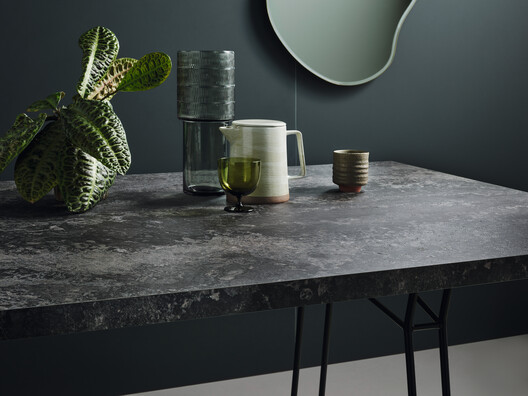
Whether in residential interiors, workplaces, hospitality environments, or public spaces, the relationship between aesthetic intentions and technical performance can redefine how surfaces are used and how they perform. A material selected for its specific color, texture, or finish must remain visually coherent when applied to furniture fronts, cabinetry, countertops, and other interior elements. Yet how can architects and designers create visually distinctive and tactilely engaging interiors while preserving their original design intentions across different applications?
The choice of surface materials influences the user experience in ways that extend beyond the visual appearance of a space. Each material has its own characteristics and proportions, allowing it to establish specific relationships with other architectural elements. Material compatibility, specification reliability, and maintenance requirements must also be considered to develop a cohesive design language across a range of applications. Given the frequency and nature of use, each surface material must meet specific functional requirements while retaining its original appearance and remaining consistent with the design principles that define the project.
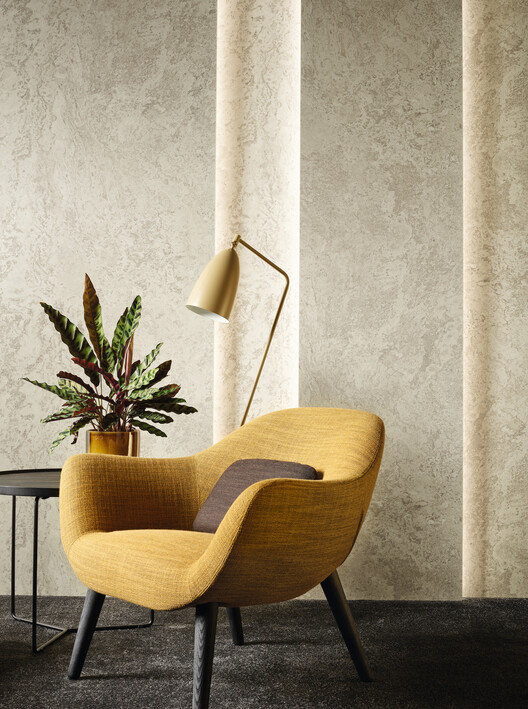
Rather than treating each surface as an independent design decision, EGGER has developed its PerfectSense portfolio as an integrated solution that combines lacquered finishes, coordinated materials, and specification support. The system enables architects and designers to establish a unified material language while maintaining flexibility across different applications.
Exploring the Relationship Between Visual Depth and Tactile Experience
Material perception extends beyond what the eye can recognize. The interaction between light, texture, reflectivity, and touch contributes to the atmosphere of an interior space, influencing how surfaces convey depth, warmth, and material character. In this context, matte finishes have become an architectural resource that offers a restrained visual expression while allowing variations in texture and color to define spatial relationships.
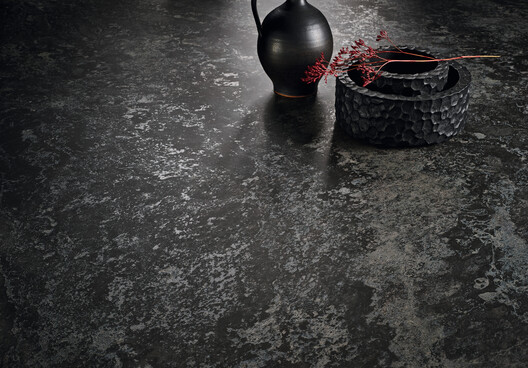
Within the Decorative Collection 26+, EGGER's PerfectSense Premium Ambiance textures introduce an approach that combines velvety matte surfaces with decor-specific partial gloss effects. Its synchronized visual and tactile textures allow different areas of the surface to reflect light according to the underlying pattern, reinforcing the perception of material depth. For example, the F128 PA Black Ambiance Granite and the F129 PA Beige Ambiance Granite decors integrate glossy areas within predominantly matte surfaces, creating subtle contrasts that become visible as lighting conditions and viewing angles change. The coordination between printed pattern and surface texture also introduces a tactile dimension, encouraging a more sensory experience of the material.
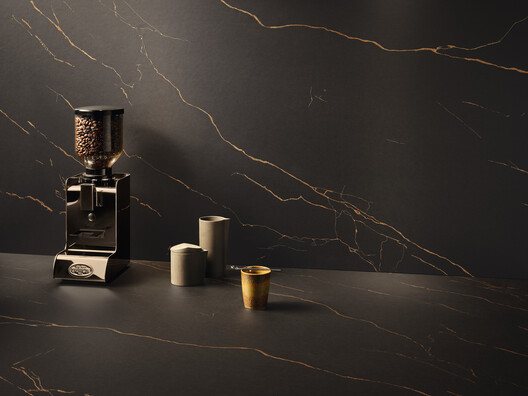
Meanwhile, the F199 PA Black Ambiance Marble decor explores a different expression through a super-matte black surface complemented by golden veining. The finish, recognized with an iF Design Award in 2026 in the Product Design category, demonstrates how decorative surfaces can reinterpret natural materials while introducing specific visual and functional characteristics. These variations provide architects with opportunities to develop interiors through contrasts in reflectivity, material appearance, and tactile perception. Instead of relying solely on color differences, surfaces can contribute to spatial definition through subtle changes in light and texture.
From Material Selection to a Consistent Architectural Language
While individual finishes establish a project's material identity, maintaining that identity across different architectural components presents another challenge. A surface specified for cabinetry may require a different substrate or technical configuration when used for countertops, furniture bodies, or edging. EGGER's Decor Match system coordinates decorative finishes across different product formats. Depending on the selected design, architects can specify lacquered MDF boards, particleboards, laminates, worktops, and matching ABS edging, supporting continuity between vertical and horizontal applications. The EGGER Decorative Collection 26+ includes 25 solid-color decors, eight of which are new additions, available in coordinated PM PerfectSense Premium Matt solutions for lacquered MDF boards, laminates, and ABS edging, alongside TM PerfectSense Matt particleboard options.
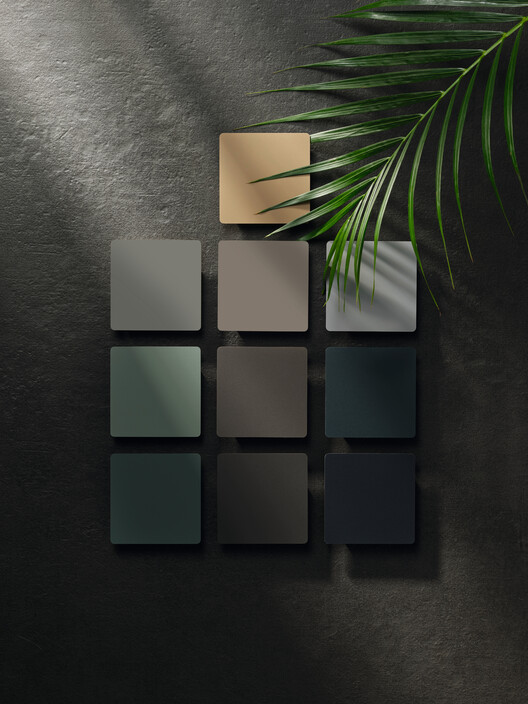
Material coordination allows designers to select products according to their intended function without necessarily changing the established visual language. Cabinet fronts, furniture bodies, and horizontal surfaces can therefore respond to different technical requirements while contributing to a coherent interior composition. Beyond aesthetics, consistency also depends on predictability throughout the design and construction process. Industrial manufacturing supports reproducible surface quality, while access to samples, technical information, and supporting services helps architects evaluate finishes before finalizing specifications. Long-term decor availability further contributes to planning reliability, particularly for larger developments or projects implemented in successive phases.
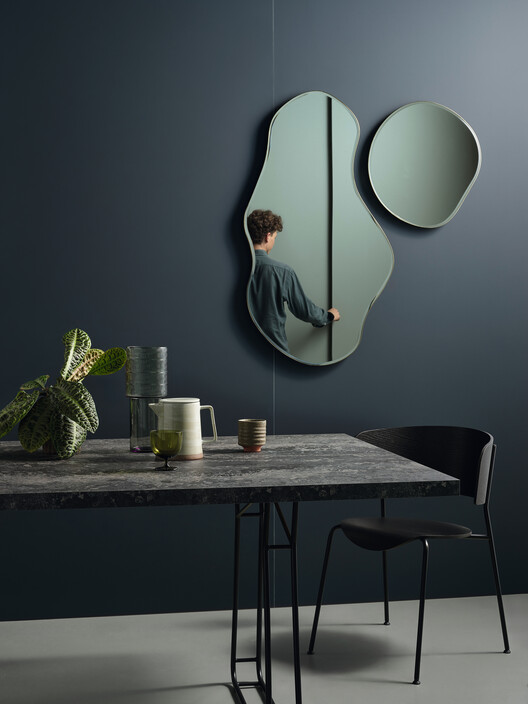
Equally important is the relationship between appearance and everyday performance. The anti-fingerprint properties of PerfectSense matte lacquered surfaces help reduce visible marks and cleaning requirements, making them suitable for frequently touched elements and regularly occupied environments. Their easy-care characteristics connect refined surface aesthetics with practical maintenance considerations.
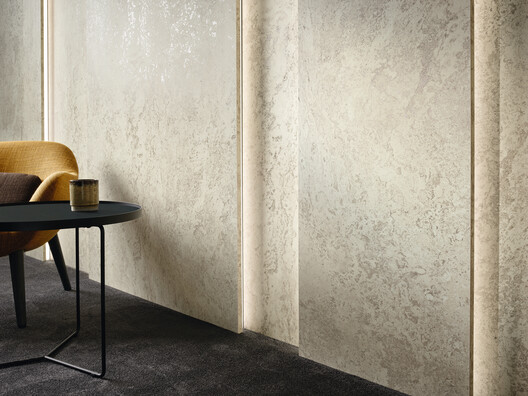
The value of a coordinated material portfolio lies in its ability to connect creative decisions with their physical implementation. From individual rooms to larger interior projects, EGGER's PerfectSense portfolio illustrates how a consistent surface system can support architectural expression while reducing uncertainty between concept and execution. Its combination of coordinated decors, application-specific products, and accessible specification resources offers a framework for developing interiors in which visual identity, functionality, and material consistency remain closely aligned. Exploring the available decors, requesting physical samples, and reviewing technical documentation can become essential steps in establishing a material strategy that remains consistent from initial selection to everyday use.


