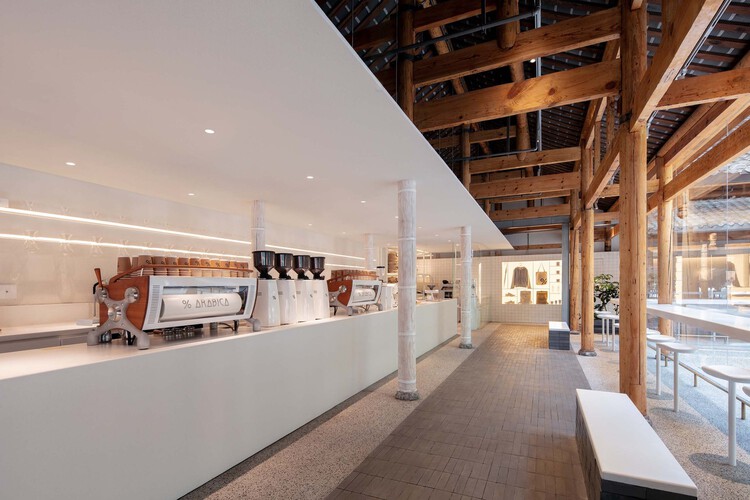
Scientifically, glass is defined as an amorphous solid, meaning its atoms are not arranged in a regular crystalline structure. This is why the material is often described as a "liquid frozen in time." This structural configuration explains one of its most distinctive qualities: transparency. Without a crystalline lattice capable of scattering light, radiation passes through the material with relatively little interference. Although it often appears delicate, this same structure also allows glass to achieve significant mechanical performance. With industrial processes such as tempering, lamination, and specialized coatings, the material can reach high levels of strength, safety, and environmental performance.
In contemporary interior design, acoustics have evolved from an afterthought into a defining design language. Architects and specifiers are increasingly seeking materials that perform both visually and functionally – where surface texture, light interplay and sound absorption converge to shape human experience. As open-plan workspaces, hospitality interiors and education hubs embrace more tactile, sustainable finishes, the market for high-performance acoustic materials has surged. Within this landscape, Woven Image has emerged as a global leader, continually pushing the boundaries of what acoustic surfaces can achieve.
Architects and designers around the world are pushing the boundaries of modern design, and Corian® Solid Surface is being bent, curved, and twisted to help them realize their boldest visions.
In hospitality spaces, for example, every surface has the potential to shape a guest's experience from the first invitational moment. Visionary designers are using their talents to convey the story of a place, the emotion of an aesthetic, and the essence of a brand. With the right material, we can profoundly influence how a space feels and functions for guests, using everything from sleek, welcoming reception counters to soothing spa-like shower escapes to soaring backlit sculptural panels as our canvas.
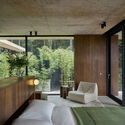
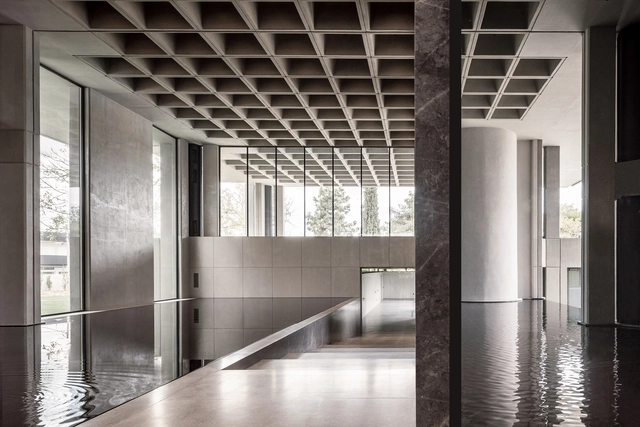
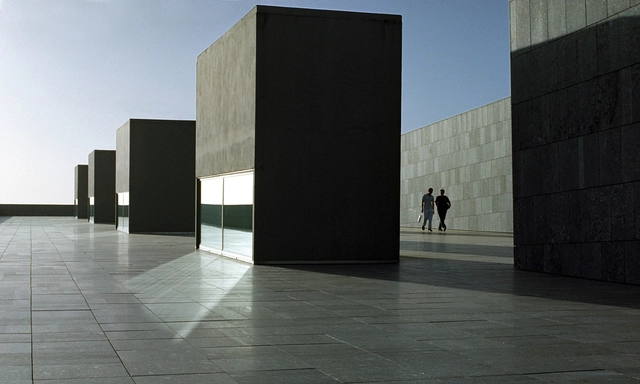
Concrete is anything but a consensus. Some love it, others hate it. It can feel as tough as granite or soft as velvet — all depending on whose hands are doing the shaping. Treated with engineering precision or a touch of artistic flair, concrete stops being just a material and starts acting alive. It plays with light, surprises with texture, and somehow gives form to silence. Although dense and structural, concrete can take on an almost immaterial presence: light, ethereal, and contemplative. In certain spaces, it seems to disappear, dissolving into the shadows or vibrating with the surrounding light. More than just a construction element, it becomes a language, capable of evoking emotion, spirituality, and time.
Building a monumental dome without the use of external iron chains or traditional centering was the enormous challenge faced by Filippo Brunelleschi at the Cathedral of Santa Maria del Fiore in Florence. To demonstrate the feasibility of his proposal and to guide the construction, he relied on a large-scale wooden model that played a fundamental role in studying proportions, the interlocking of ribs, and the innovative arrangement of bricks using the "a spina pesce" (herringbone) system. As an essential technical tool, this model — which is still on display at the Museo dell'Opera del Duomo in Florence — guided the master builders throughout the construction, establishing itself as a seminal example of the value of models in architectural planning, constructive communication, and experimentation.
Almost half of Brazil is covered in forest, producing nearly 150 million cubic meters a year. Thanks to the large country’s wide range of tree species, Brazilian designers looking for natural, locally sourced materials have a lot of wood to choose from. Unsurprisingly, wood is a common feature in both traditional and contemporary Brazilian homes, both in construction and when creating decorative surfaces.
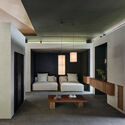
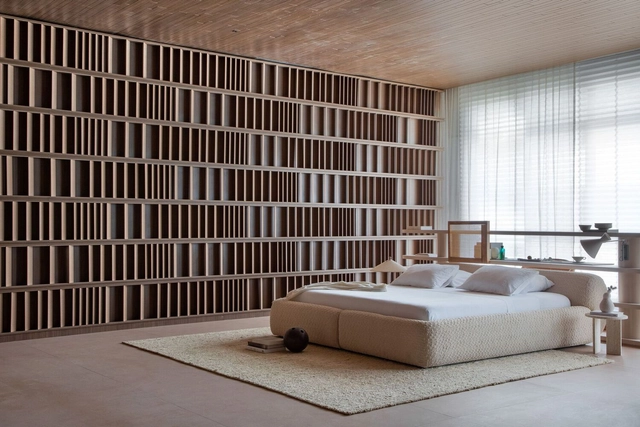
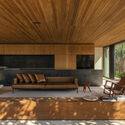
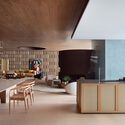
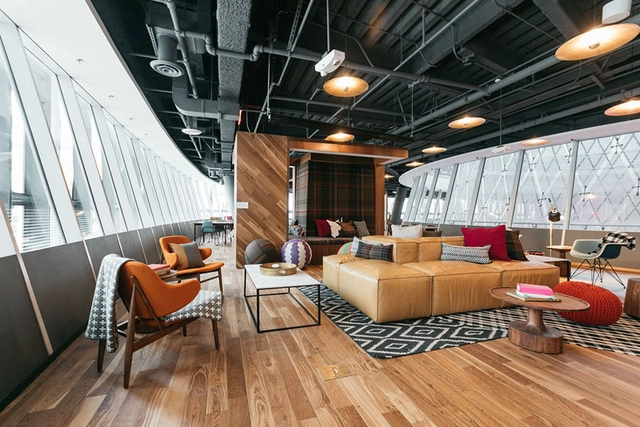
The aesthetic beauty of wood’s grain pattern, combined with the warm, rich, and varying color palettes on offer, means that while achieving the strength and stability required for flooring and construction, wood is also a perfect material to form interior surfaces. Its natural color and aesthetic allow for a simple, minimalist form, giving spaces a timeless mid-century feel.
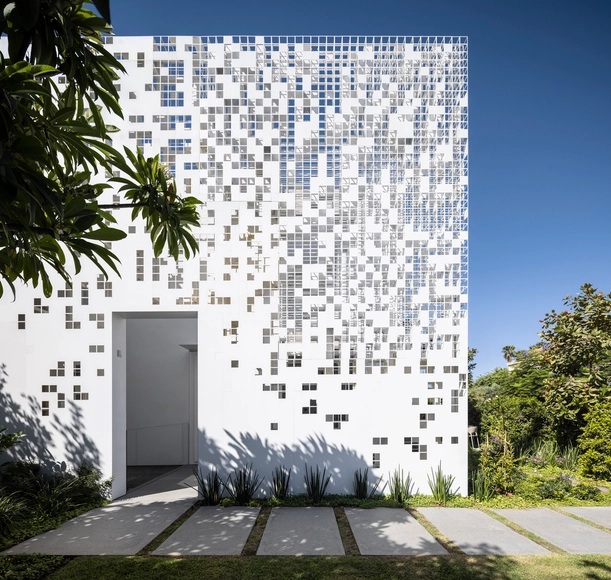
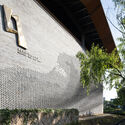
Architects and designers are often looking for ways to make building facades and interior surfaces stand out from the crowd. But sometimes just the smallest change can have the biggest impact once you step back and see the whole picture. By employing an illusionary pattern such as dithering pixels or halftone dots, or by making subtle but intentional changes to the position or orientation of materials, flat surfaces can be transformed into curved, moving forms.
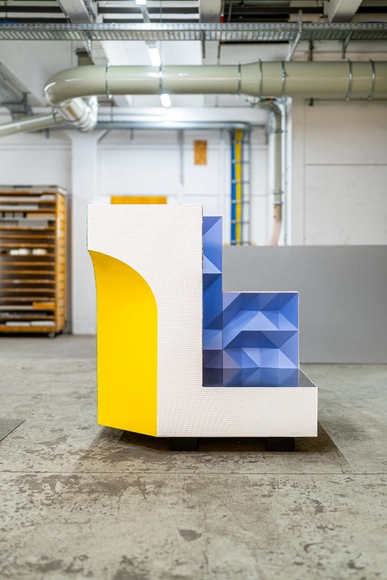
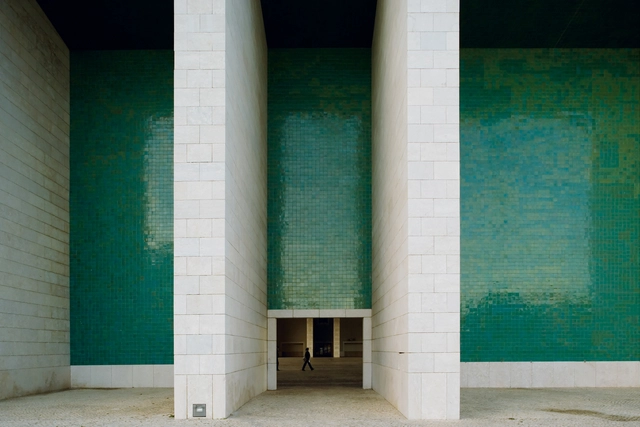
Halftone patterns work by reducing a solid surface of color into dots of decreasing size. As the dots gradually reduce to nothing, they leave nothing behind except a background color. The result is a flat surface with a gradient that mimics the shadows or highlights of a three-dimensional curve. Dithering, meanwhile, is the process of feathering multiple shades of the same color to blend them together. The effect allows designers to, on a large enough scale, create images with depth and curves, while using only a single color. Or even to create the illusion of an intermediary color.
When a country becomes known for its most famous export, the two together can become synonymous with quality. Combinations such as French wine, Italian marble and German engineering are examples of the hallmark of excellence provided simply by a product’s geographic birthplace. While Portugal’s most famous and most passionate exports could equally be cork, football, or egg-based sweet treats, there’s far more to the Portuguese culture and economy than preening soccer players and custard tarts.
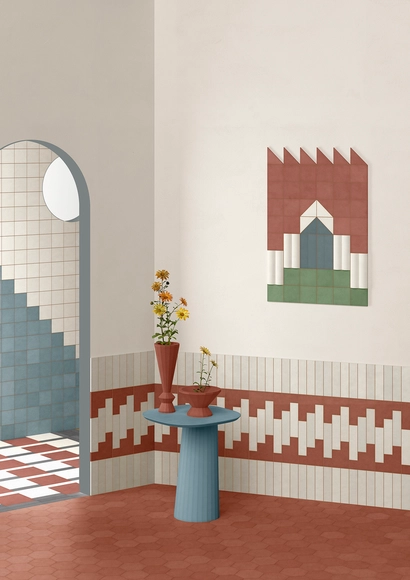
While Portuguese culture’s relationship with ceramics is known for the distinctively patterned plates, bowls, and jugs millions of tourists attempt to keep intact on the journey home, few are paying the extra baggage charge for 50 sqm of ceramic tiles. The country’s agreeable climate, however, along with a history of craftsmanship and the natural strength, durability, and pigment of Portuguese clay, means high-quality ceramic facades are an identifiable feature of Portuguese architecture. And the material is exported all over the world for both exterior and interior surfaces.
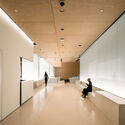
Hidden in plain sight, ceilings are often the final surface interior designers and architects think about, but the expansive plane of unobstructed plaster or concrete offers mar more creative freedom than we realize. Modern design rules demand that the ceiling is kept clean. Not with a telescopic mop attachment, but by stripping off the popcorn spray, wood-chip wallpaper, or plaster patterning that haunt my own memories of ceilings-past.
While many clients greet this contemporary need for clean lines with acquiescence, choosing smooth, skimmed plaster finishes with unobtrusive yet forgetful recessed spots, other bolder clients recognize the ceiling’s potential for the creative outlet it is.
Products with natural germ-repelling properties—like certain woods and copper—and those with textures that help avoid bacterial growth will be common materiality considerations for commercial interiors specification following the COVID-19 pandemic.. Image Courtesy of Marin Architects
In this week's reprint from Metropolis, Amanda Schneider, president of ThinkLab, the research division of SANDOW, explores how "designers can help create healthy, safe interiors with thoughtful surface and filtration selections". Asking how we can have sanitized surfaces, without having to deep clean them regularly, the author discusses the materiality of healthy safe interiors.
University Library of Vigo Alberto Noguerol & Pilar Diez Architects. Image Courtesy of Cluster del Granito
Rediscover a natural, unique and original material, with multiple applications for current architecture and design immovable over time, granite is a jewel of nature capable of providing exclusivity to any contemporary construction or finish. Its wide range of varieties and the incorporation of new cutting technologies and those giving a surface finish, provide us with infinite design possibilities.