Past, Present, Future is an interview project by Itinerant Office that invites prominent architects to share their perspectives on the constantly evolving world of architecture. Each interview is divided into a three-part video series—Past, Present, and Future—where interviewees discuss their architectural philosophies and experiences. The project's first installment featured 11 architects from Italy and the Netherlands, while the second edition comprises interviews with 13 architects from Spain, Portugal, France, and Belgium.
The aim of this interview series is to study these successful firms and understand their methodologies. The videos seek to offer a clear picture of what it means to be an architect in the 21st century, while serving as inspiration for the next generation of emerging architects and students entering the field.
Stéphane Beel is a contemporary Flemish architect and the founder of Stéphane Beel Architects. Beel graduated with a degree in architecture from Ghent University in 1980, and has since gone on to design and complete an impressive portfolio of projects in Belgium with his eponymous firm. These projects include the FNG Group headquarters, the UZ Gasthuisberg psychiatric building, and Kanaal, a mixed-use development on a former industrial site, among others.
Alongside his independent practice, Beel also works closely with Lieven Achtergael. Together, they run a separate firm under the name Beel & Achtergael Architects.
Past:
Beel recalls his first commission after graduating and how this experience launched his career.
GIANPIERO VENTURINI: Can you briefly describe the most important moments at the start of your career, and why you decided to study architecture and enter the profession?
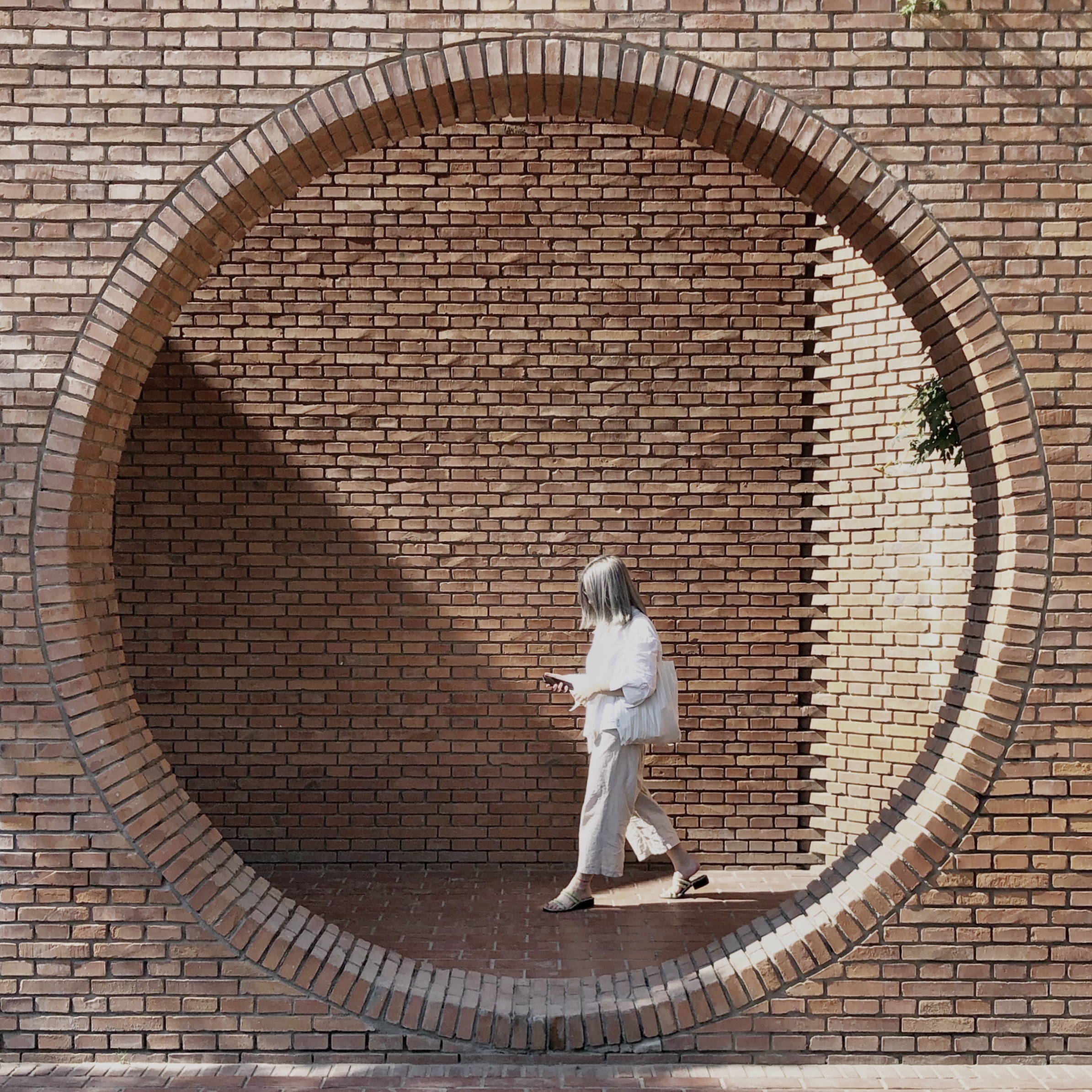
STÉPHANE BEEL: After graduating, I didn't want to join a big studio; I wanted to learn on my own. It was a bit foolish, because of course you have to learn from others. But I did learn from books and other sources. I needed to make money, which led to a commission for a small house. I asked my clients, "Can I build this house entirely on my own?" and they agreed. I'm not a mason, so I didn't lay the bricks one by one; I acted as an unconventional builder, working with the materials you see today. At that moment, I was physically building architecture with my own hands. To me, architecture was a capital "A." I wore overalls, poured water, and mixed concrete. When it was completed, we received a major award, which launched my career. I felt I had to be very precise and do everything myself, so I never trusted anyone else. Besides earning money, that was why I did it. I just thought to myself that I would do it entirely on my own, and after that, the commissions started coming in.
Present:
Beel discusses the organization of his studio and his positive interactions with colleagues.
GV: Is there something unique that represents the organization or way of working in the studio?
SB: The members of my studio know how I deal with coincidences—they know I love them. You have to value them, think about them, and turn them into something positive. They saw my previous work, understood my way of working, and came to work with me. They know the direction we are taking, but at the same time, they challenge it to try new things. For every commission, the project architect is responsible for that project, communicating with the client either on their own or together with me. They are involved in the project from start to finish.
Future:
Beel reflects on how technology will assist and shape architecture in the future. He also discusses the relationship between the local and the global, and how this dynamic applies to architecture.
Past, Present, Future — Future section of the interview with Stéphane Beel, by Itinerant Office. GV: What can you say about the future of architecture?
SB: Currently, we have to deal with many changes, which are happening faster and faster. We are constantly addressing the increasing demands of technology, which must serve us. It can help us analyze everything around us, and we will need more specialists to handle more specific aspects. We must pay attention to urban and global matters—thinking globally and acting locally. It is about knowing what is happening in the world and acting accordingly. This technology can help us improve our cities; we don't just build with architecture. For instance, in Antwerp, we have a ring road, and they say we must close the ring because of various issues that are harmful to people. I think this is twenty years too late. They would do better to invest in the future, making cars smarter, or perhaps in twenty years we won't have cars at all—we will fly. Maybe we will design buildings where the entrance is at the top rather than the bottom. We have to think about all of this at the same time.
Project: Itinerant Office
Curator: Gianpiero Venturini
Video: Luca Chiaudano
Chinese translation: Yang Lu
This article was written by Milly Mo. The translation is powered by AI.
.jpg?1572249966 "Stéphane Beel on Architecture and Technology")
.jpg?1572249921 "Stéphane Beel on Architecture and Technology")


.jpg?1572249852 "Stéphane Beel on Architecture and Technology")
.jpg?1572249892 "Stéphane Beel on Architecture and Technology")


.jpg?1572249827 "Stéphane Beel on Architecture and Technology")
.jpg?1572249811 "Stéphane Beel on Architecture and Technology")
.jpg?1572249841 "Stéphane Beel on Architecture and Technology")

.jpg?1572249906 "Stéphane Beel on Architecture and Technology")
.jpg?1572249866 "Stéphane Beel on Architecture and Technology")


.jpg?1572249966)
