

Buildner has announced the results of its Re-Form: New Life for Old Spaces, an international ideas competition examining the adaptive reuse of small-scale existing buildings. The competition invited architects and designers to propose transformations of used, abandoned, or overlooked structures with an approximate footprint of 250 square meters, located anywhere in the world. With no fixed site or program, participants were encouraged to explore alternatives to demolition and new construction through reuse strategies grounded in contemporary social and environmental concerns.
As an open-format competition, Re-Form foregrounded sustainability, feasibility, and community impact over formal or typological constraints. Submissions ranged from precise urban insertions to more speculative rural interventions, reflecting a broad range of approaches to working with existing fabric. Many projects focused on how limited, often marginal spaces could be reactivated to support new forms of collective use while responding to material, climatic, and ecological conditions.
From an international pool of entries, the jury selected three winning proposals, along with special award recipients and honorable mentions. The jury noted that the strongest projects challenged conventional preservation models, proposed hybrid or shared-use typologies, and addressed environmental performance with clarity and restraint. Collectively, the selected works demonstrate how adaptive reuse at a small scale can serve as a catalyst for wider urban and social transformation, reinforcing the continued relevance of existing buildings amid growing environmental pressures.
Following the conclusion of this first edition, Buildner has also announced the launch of Re-Form: New Life for Old Spaces – Edition 2, continuing the competition's focus on small-scale adaptive reuse and inviting a new round of proposals that further investigate how overlooked structures can be meaningfully reimagined for contemporary use.
Buildner's other ongoing competitions include The Unbuilt Award 2026, celebrating visionary unbuilt projects across three scales, with a 100,000 EUR prize fund; The Architect's Stair Edition #3, a conceptual exploration of one of architecture's most symbolic elements; and The Next House: USA, which invites innovative ideas for a new American suburban prototype: a home that is compact yet generous, adaptable yet grounded, replicable yet sensitive to place.
Projects:
First Prize Winner
Project title: Edge of presence
Authors: Parisima Davoudi of Raah Studio, from the United Kingdom
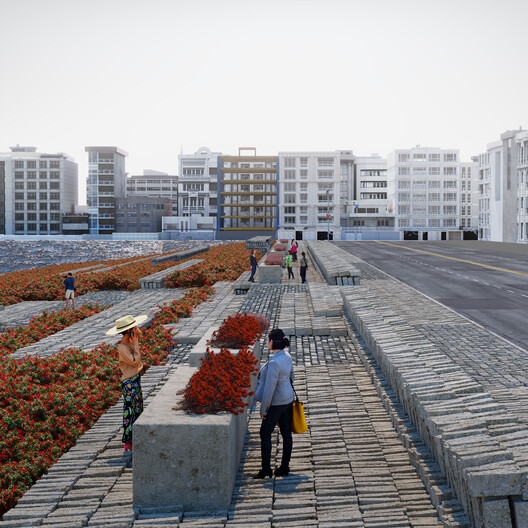
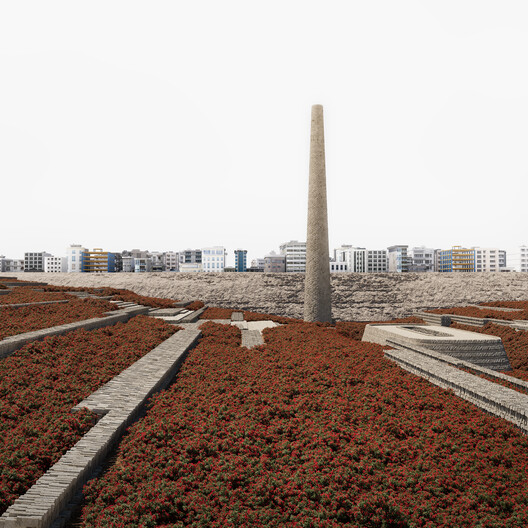
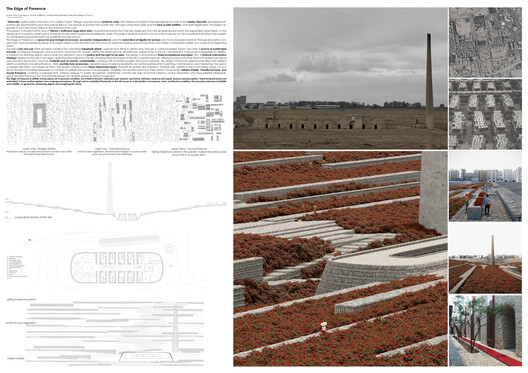
Set within a desolate brick kiln landscape on the periphery of a fractured society, this project proposes a deeply symbolic and restorative spatial intervention. It is organized through three conceptual layers: a hidden shelter embedded within the earth, a transitional zone of medicinal halophyte plants that thrive in harsh soil conditions, and a social presence layer expressed as a linear market for community use. The intervention transforms a marginalized terrain into a subtle topography of renewal—balancing concealment and exposure, memory and regeneration. Rather than imposing architectural form as spectacle, the project draws its power from absence, erosion, and soil. Materiality is kept elemental—sun-dried brick, reclaimed stone, and earthen walls—while a singular vertical marker on the horizon reclaims a visual identity for a forgotten place. The planting strategy, though restrained, underscores cycles of resilience in nature and community. With its spare but evocative drawings, sectional poetics, and haunting imagery, the proposal uses minimal means to render a powerful statement on land, identity, and quiet endurance.
Second Prize Winner + Buildner Student Award
Project title: SINKTOPIA
Authors: Lee Hyunwoo and Lee Hyeonbok of Myongji University, from South Korea
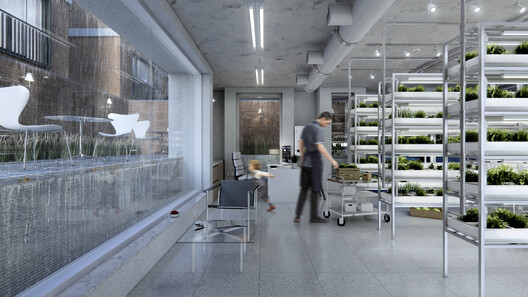
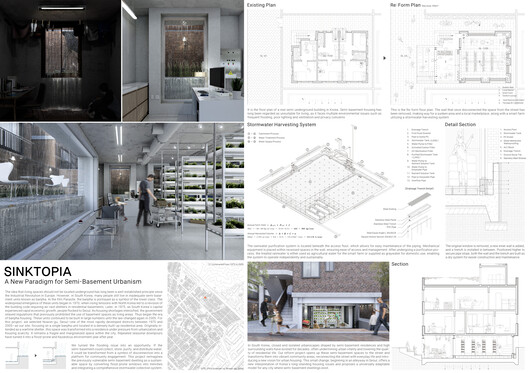
Set in the context of South Korea's vulnerable semi-basement dwellings—often stigmatized, flood-prone, and socially marginalized—this proposal reimagines the lowest levels of urban habitation as sites of environmental innovation and social renewal. Titled Sinktopia, the project introduces an architectural retrofit that transforms a standard banjiha unit into a water-harvesting, food-producing, community-serving node. At the heart of the intervention is a stormwater collection and purification system integrated below a raised access floor, enabling the repurposed space to serve as a smart farm and micro-marketplace. A formerly sealed facade is reopened to the street, creating a sunken courtyard and enhancing spatial permeability. Interior environments are characterized by controlled lighting, industrial clarity, and productive plant life—shifting the narrative from deprivation to dignity. The scheme is supported by a precise technical layout including plumbing diagrams, structural retrofits, and programmatic overlays, while photorealistic renderings humanize the space and demonstrate its lived potential. The result is an architecturally grounded, socially conscious proposition that addresses climate resilience and urban inequality through localized, small-scale transformation.
Third Prize Winner
Project title: It started with grain
Authors: Damian Świerzbiński and Kamila Jagieniak, of the University of Fine Arts in Poznań (Uniwersytet Artystyczny im. Magdaleny Abakanowicz w Poznaniu), Poland
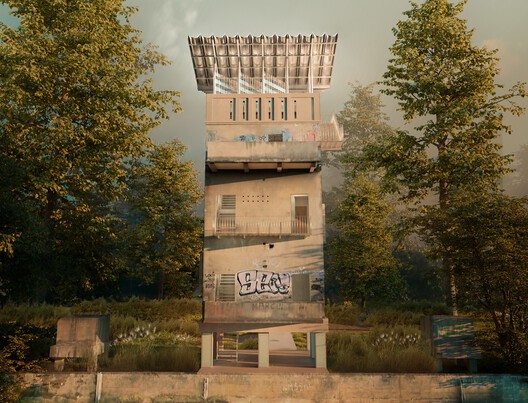
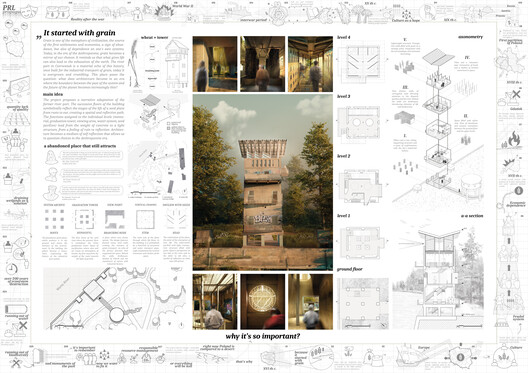
This project reclaims and reinterprets a post-industrial relic—a grain silo in Poland. Titled It Started with Grain, the proposal transforms a derelict grain tower into a vertical public pavilion, evoking the symbolic and literal significance of grain as a foundational element of civilization. The intervention operates as both a spatial archive and a cultural commentary, inviting visitors to ascend through layers of history and meaning. Each level—rooted in metaphors of botanical growth (roots, stem, head)—offers a distinct spatial experience, from immersive installations to seed exhibitions and contemplation chambers. The surrounding site is reactivated with landscape gestures and educational programming, while the architecture itself becomes a vessel for self-reflection and environmental awareness. Presented with a richly layered graphic style, the board integrates historical references, axonometrics, architectural drawings, and atmospheric interior views, all embedded within a timeline-framed visual language that contextualizes the proposal in Poland's socio-political past and ecological future.
Buildner Sustainability Prize Winner
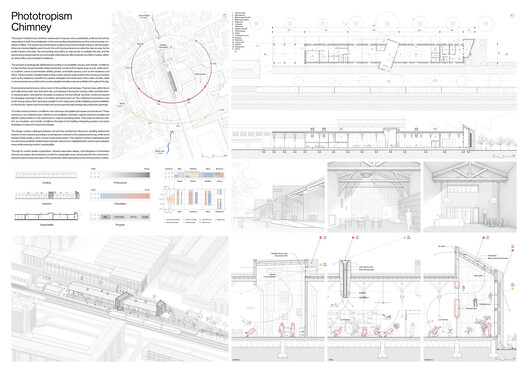
Project title: Phototropism Chimney
Authors: Hwanseo Lee, Kuenwoo Park, Hyeonjin Cho, of Politecnico di Milano / Polytechnic University of Milan, Italy
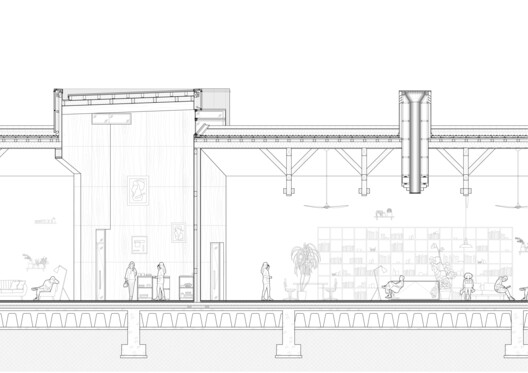
Phototropism Chimney envisions the transformation of a disused warehouse in Lagonegro into a hybridized space of residence, co-working, and communal gathering. Anchored by the metaphor of phototropism—plants' orientation toward light—the design channels light and energy through a central vertical chimney, organizing space around solar orientation and thermal performance. The proposal overlays contemporary programmatic needs atop the existing industrial structure, choreographing zones of privacy and collectivity while maximizing daylight, passive heating/cooling, and re-use of embodied resources. Solar studies and environmental diagrams inform decisions such as window placement, aluminum shading systems, and the integration of rainwater harvesting and recycled materials. The architectural language respects the building's historic character while activating it for 21st-century living.
Highlighted Submissions
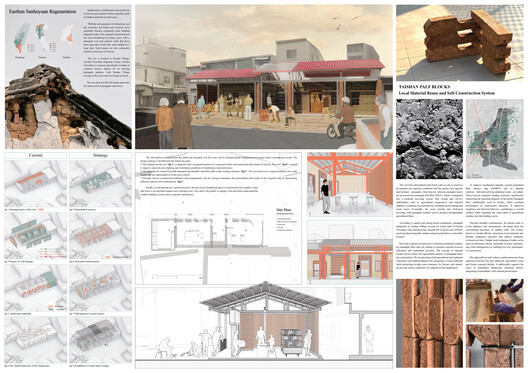
Project title: Earthen Sanheyuan Regeneration
Author: Jun-Kai Tseng, from Taiwan
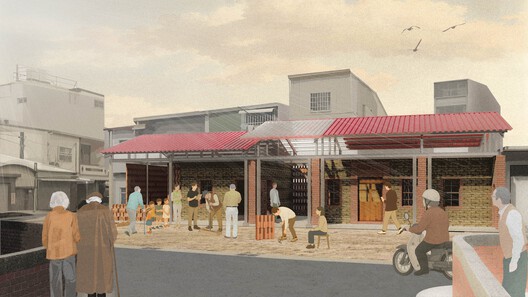
Earthen Sanheyuan Regeneration is a small-scale adaptive reuse project located in Taishan Village, Gaoshu Township, Pingtung County, Taiwan, focused on the transformation of a deteriorated sanheyuan, a traditional U-shaped rural courtyard house. The project reinterprets this declining typology through local material experimentation and community-oriented reuse, integrating recycled earthen debris from the original structure with agricultural byproducts to develop pineapple leaf fiber earth blocks. The original courtyard configuration is preserved, while a lightweight steel structure supports selective reconstruction and defines new spatial boundaries. Former domestic rooms are reprogrammed as exhibition, workshop, and communal spaces, shifting the site from private enclosure to public use. The earthen blocks function both as construction elements and as a legible record of material process, designed for disassembly and reuse, reinforcing the project's emphasis on reversibility, circularity, and incremental rural regeneration.
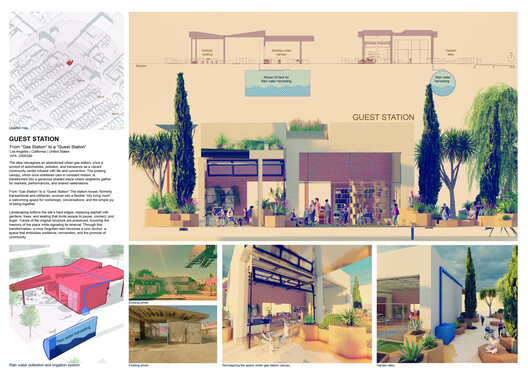
Project title: Guest Station
Authors: Chang Suo and Di Meng, from the United States
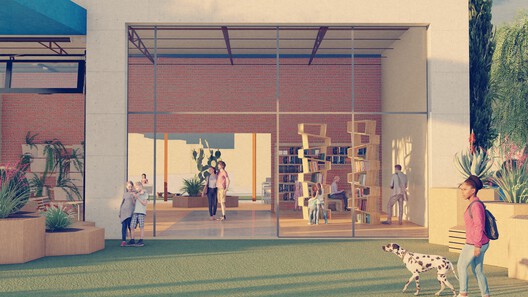
Guest Station proposes the adaptive reuse of an abandoned urban gas station, transforming a site once associated with automobile infrastructure and short-term use into a community-oriented public space. The existing canopy is retained and reinterpreted as a shaded plaza that supports informal gatherings, markets, and small events, while the former station building is converted into a flexible interior space intended for workshops, meetings, and everyday social activity. Hard surfaces are selectively removed and replaced with planting, trees, and seating to soften the site and encourage longer occupation. Elements of the original structure remain visible, maintaining a trace of the site's former function while supporting a new civic role. The project frames reuse as a means of shifting urban leftovers into shared social infrastructure without erasing their material history.
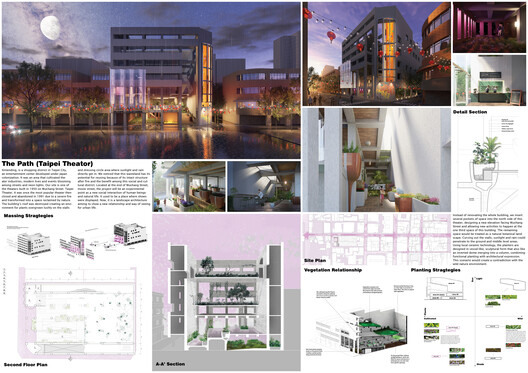
Project title: The Path (Taipei Theater)
Authors: Yen-Yun Huang and Tzu-Pei Chiang, of Pratt Institute, United States
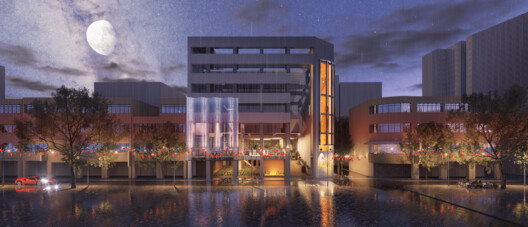
The Path reconsiders the abandoned Taipei Theater in Ximending, a former cultural landmark damaged by fire in 1991 and subsequently overtaken by vegetation, as a site shaped equally by urban history and ecological processes. Rather than restoring the building or freezing it as a ruin, the project treats its current condition as an active landscape where human and non-human forces coexist. New architectural interventions are limited and strategic, concentrated along the northern edge facing Wuchang Street to reestablish a civic presence, while much of the structure remains open to light, rain, and continued plant growth. Carved openings enhance environmental exposure, and ceramic vessel-columns introduce cultivated planting within the existing wilderness, drawing on local craft traditions. Retaining the concrete frame and fire-scarred surfaces, the project frames adaptive reuse as an engagement with ongoing change, positioning the theater as a hybrid environment shaped by time, material decay, and ecological succession.
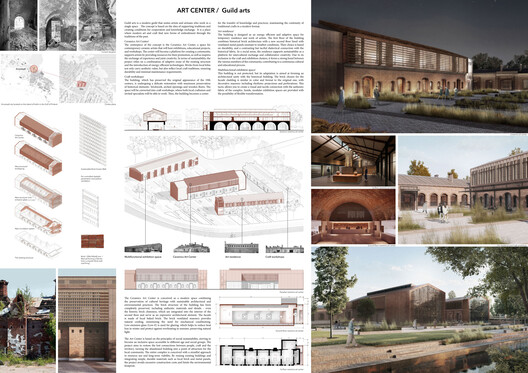
Project title: Art Center / Guild Arts
Authors: Nataliia Murashova and Mariia Knutova, from Belgium
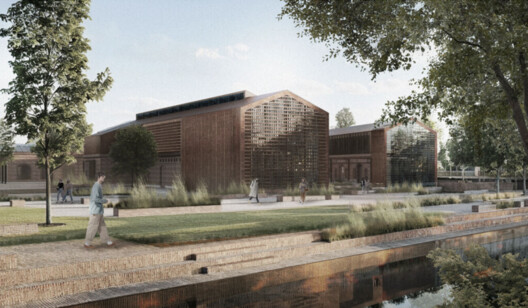
Art Center / Guild Arts proposes the adaptive reuse of a historic brick complex into a contemporary center for craft production, education, and artistic exchange, building on the traditions of guild-based work while adapting them to present-day needs. The project preserves the original architectural character of the early 19th-century structure, retaining brick masonry, arched openings, and spatial proportions, while introducing a restrained new layer of intervention to accommodate workshops, exhibition spaces, artist residences, and communal facilities. New construction elements are clearly articulated yet compatible in scale and material, using brick and metal systems to support environmental performance through natural ventilation, daylight control, and reduced energy demand. Internally, flexible and modular spaces allow for changing uses and collaborative practices, while externally, the complex is reconnected to its surroundings as a shared cultural resource. The project frames preservation as an active process, where historical fabric, sustainable construction, and contemporary craft practices coexist within a single architectural framework.
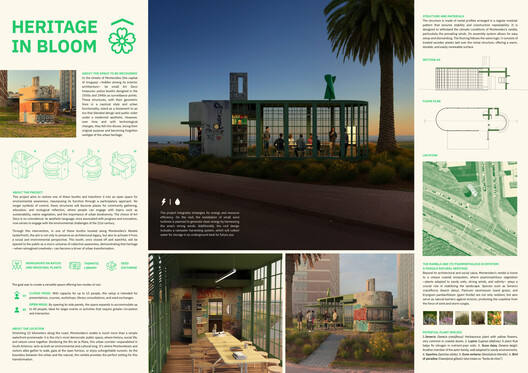
Project title: Heritage in Bloom
Author: Sebastián Javier Blanco Sagrera, of company Complot, Uruguay
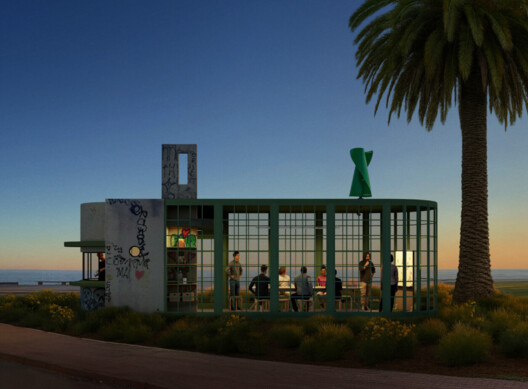
Heritage in Bloom proposes the adaptive reuse of a small Art Deco police booth along Montevideo's rambla, a coastal public space where urban life meets a sensitive ecological corridor. Originally built in the 1930s as a surveillance structure, the booth had fallen into disuse and neglect. The project transforms it into a modest, community-oriented pavilion focused on environmental education, biodiversity, and local engagement. The intervention preserves the original structure while introducing a lightweight, modular extension that allows the space to operate in both closed and open configurations, accommodating activities ranging from workshops and consultations to larger public gatherings. Native and medicinal plants are integrated as part of the program, framing the project as both a social and ecological platform. Positioned between the city and the coastal ecosystem, the project treats heritage as a flexible resource, capable of supporting new public uses while responding to contemporary environmental concerns.
Visit Buildner's website for Re-Form: New Life for Old Spaces – Edition 2, to register for the second edition of this global event.


