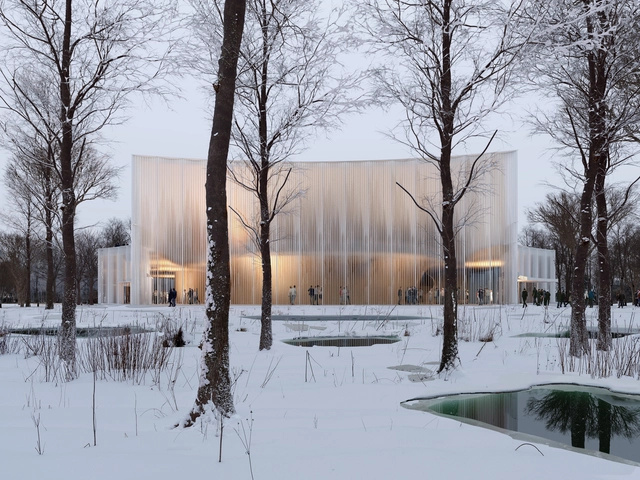
Concert halls, music, and performance venues stand as iconic symbols of cultural vitality within urban landscapes. Through these structures, which often become landmarks of the city, the residents are invited to take part and experience artistic expression, fostering a sense of community and connection. For architects, this program poses the intricate challenge of balancing form and function, creating spaces that enhance the acoustic experience, allow for the flow of audience and performers, and create visual spectacles in their own right.
Featuring both emerging and internationally recognized offices, this week’s curated selection showcases music and performance venues, from mixed arts and cultural centers to opera and ballet halls. Including proposals for international competitions such as David Chipperfield Architects or SHL and PAX architects’ designs for the Polish Royal Opera in Warsaw or Hariri Pontarini Architects’ design for an integrated center for the arts in Canada, the selection explores the program of music venues across scales and programs.
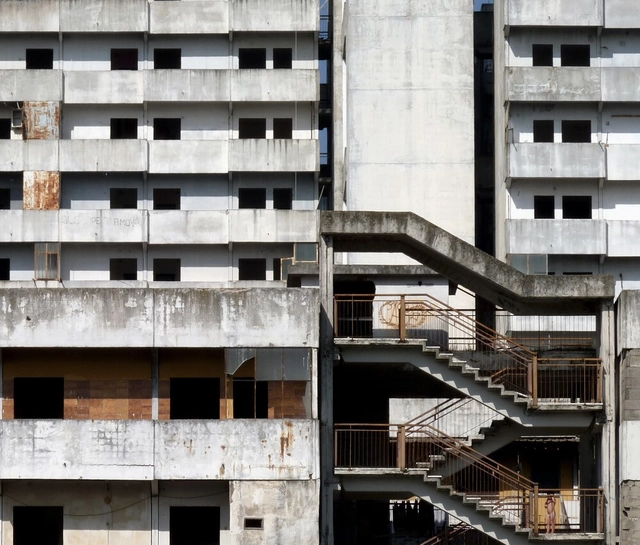
As the demand for affordable housing grows and the availability of low-cost properties diminishes, stakeholders in housing must become more innovative in their approach to social housing development. One opportunity lies in restoring and repurposing abandoned buildings. While building new houses remains the primary strategy for Housing Authorities and Associations, rehabilitating derelict buildings can be a more economical option. This approach not only maximizes the use of dilapidating infrastructure but also provides an economic opportunity to increase affordable housing within the city. Although rehabilitating derelict residential buildings may seem like an obvious solution, it becomes even more crucial when considering abandoned commercial, institutional, or historical buildings for social housing.
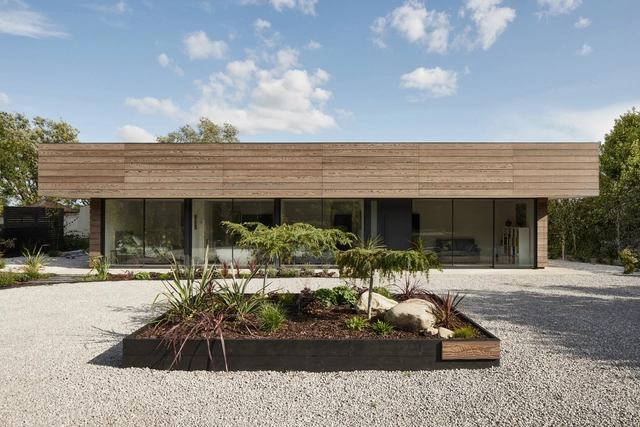
The Royal Institute of British Architects has announced the 54 winners of the 2021 RIBA National Awards, highlighting the UK's best new architecture. Ranging from single homes and housing schemes to educational facilities, cultural buildings, sports venues and medical centres, this year's projects illustrate a growing preoccupation with restoration and adaptive reuse, as well as a significant investment in education and culture. Inaugurated in 1966, the awards provide insight into UK's architectural environment and the economic trends shaping the AEC industry.
Plans for a new iron ring sculpture located at Flint Castle in Wales have been put on hold following public outcry.
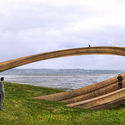
Earlier this week, George King Architects was selected as the winners of a competition held by the Welsh Government to design a signature art piece celebrating Wales’ Year of Legends with their proposal, the Iron Ring, which consists of a large circular structure embedded in the earth at just two points to create a cantilevered observation point with views of the castle and the River Dee.
But opponents of the design have claimed that the sculpture is an overt reference to the “iron ring” of fortresses used by King Edward I to “subjugate and oppress” the people of Wales during his reign from 1272 to 1307. After an online petition calling for the project to be scrapped reached over 7,000 signatures, Economy Secretary Ken Skates announced a "pause" to review the design.
Cardiff City Council has just approved the third and latest phase of Cardiff University's £300 million Innovation Campus. Hawkins\Brown and HOK each designed one building for the project, which will bring together researchers, students, investors, and businesses to work on technological innovations and new enterprises that aim to drive economic growth. The project is the latest development in Cardiff University's vision of embedding innovation within the university's fabric and generating a self-sustaining cycle of economic growth for the community as a whole.
Foster + Partners has won the competition to design Cardiff Interchange, the city’s central bus station. Part of the wider Central Square regeneration masterplan for the area, also by Foster + Partners, the interchange is being relocated closer to the Cardiff Central train station in an effort to allow greater integration of all transportation networks and accommodate future growth in passenger traffic.
The City of Cardiff has unveiled plans by Foster + Partners to redesign the city's Central Square, close to the Millennium Stadium, adding over a million square feet of office, retail and residential buildings organized around a new civic square. Explaining that it is "the key gateway to Cardiff" for many visitors, City Council leader Phil Bale said that Central Square's "role in providing a positive image for Cardiff and Wales cannot be underestimated," adding that Foster + Partners' design is "reflective of the City’s ambition to be amongst the most ‘liveable’ cities in the world."
The results of the Royal Institute of British Architects (RIBA) Future Trends Survey for July 2014 show that the Workload Index among UK practices fell back to +28 (from +34 in June) with confidence levels among RIBA practices about the level of future workloads remaining "very strong in practices of all sizes across the whole of the UK." Whereas last month’s survey saw Scotland top the index with a balance figure of +50, London showed the greatest strength in July with a balance figure of +38. Practices located in Wales and the West were the most cautious about prospects for future workloads, returning a balance figure of just +12. The survey shows that actual workloads have been growing for four consecutive quarters and the overall value of work in progress last month was 10% higher than this time last year.
The results of the Royal Institute of British Architects (RIBA) Future Trends Survey for May show that the Workload Index among UK practices was slightly down in comparison to April (from +35 to +33) with the recovery in confidence levels remaining consistently "very strong" across the country. Although last month's survey showed London as the region with the brightest outlook, confidence levels reported by architects in Wales and the West topped the index with a balance figure of +49. Workload forecasts in the private sector, public sector and community sector have all significantly increased.
A design by Dow Jones Architects for a new Maggie's Centre in Wales has received planning permission. The centre will enhance the existing cancer care facilities at Velindre Cancer Centre in Cardiff which provides support across South-Eastern Wales. The building sits in gardens designed by RHS Gold Medallist Cleve West, and has an intimate relationship with the surrounding landscape, with rooms that open onto woodland gardens.















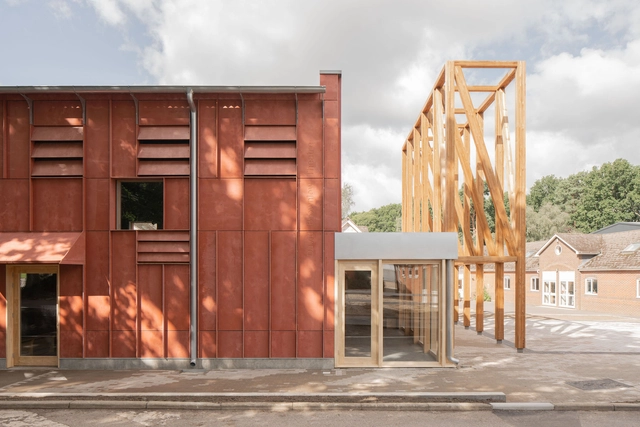


_Andy_Marshall_2019_75.jpg?1585792020&format=webp&width=640&height=580)
_Andy_Marshall_2019_03.jpg?1585789607 "© Andy Marshall")
_Andy_Marshall_2019_26.jpg?1585790606 "© Andy Marshall")
_Andy_Marshall_2019_39.jpg?1585790821 "© Andy Marshall")
-Andy-Marshall-2019-32-(1).jpg?1585792133 "© Andy Marshall")
_Andy_Marshall_2019_75.jpg?1585792020)
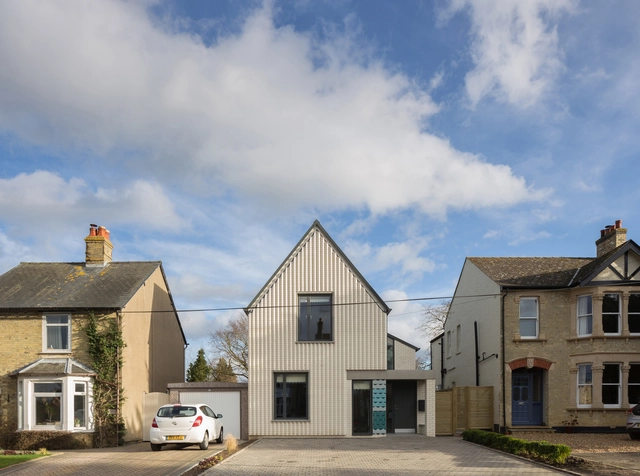





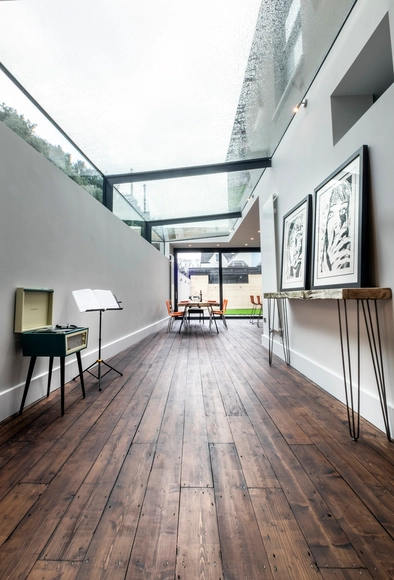

















.jpg?1475112898&format=webp&width=640&height=580)






.jpg?1399375393&format=webp&width=640&height=580)