How to visualize architectural concepts in SketchUp using D5 Lite for faster design exploration.
How to visualize architectural concepts in SketchUp using D5 Lite for faster design exploration.
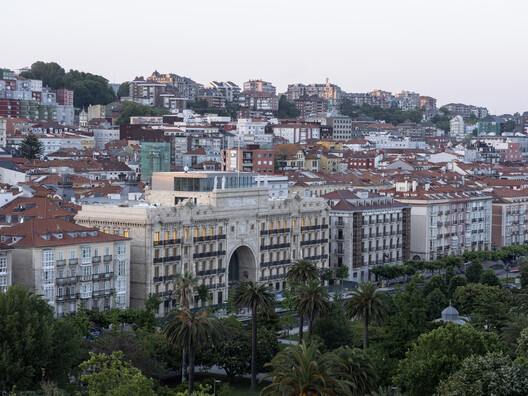
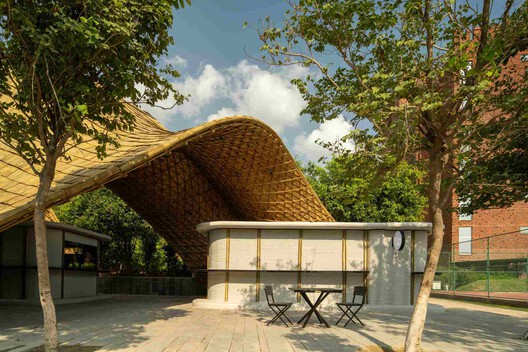
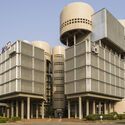
Architecture this week looked as much to the past as to the future. Across museums, restored landmarks, and large-scale urban redevelopments, the featured stories explored how architecture is continually reinterpreted through new cultural, political, and urban lenses. From reconsidering the architectural legacy of post-independence West Africa to transforming former prisons into energy-neutral neighborhoods and restoring twentieth-century cultural landmarks, the projects demonstrate how existing buildings and histories remain active participants in contemporary discourse. Alongside these interventions, the announcement of the World Architecture Festival shortlist and renewed attention to global urban growth provide a broader picture of a profession negotiating heritage, environmental responsibility, and rapidly changing cities.

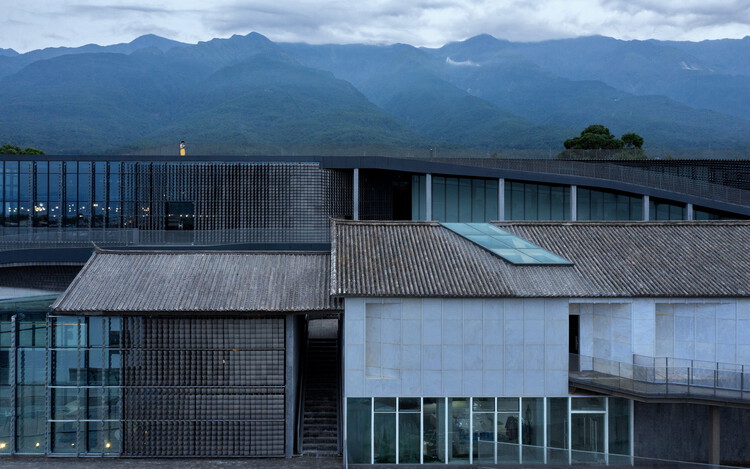
During July and until August 19, Aedes – Architecture and Space in Berlin will be showcasing the exhibition "A Structure of Feeling: On a New Generation of Architects in China." Aedes is a non-profit cultural institution founded in 1980. Focusing on the intersections of architecture, the city, and society, its continuous public program has presented around 600 exhibitions over more than four decades of work. In 2001, the space presented TUMU, an exhibition bringing a generation of young independent Chinese architects to international attention. Twenty-five years later, "A Structure of Feeling" showcases the work of a new generation working under changed conditions. Nine practices are represented in twelve projects transforming the existing urban fabric, rural development, and contemporary forms of spatial production.

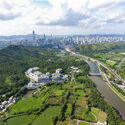
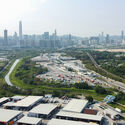
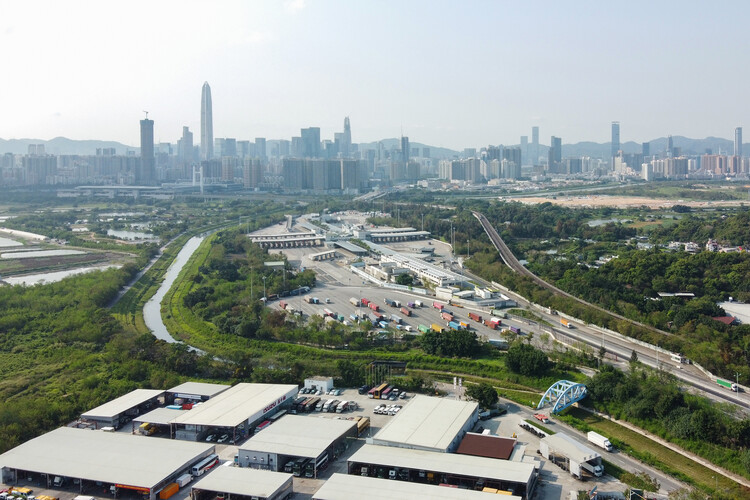
For most children, the journey to school is an everyday geography of street life and traffic, repeated so often that it becomes almost invisible, folded into the background of childhood and growing up. Yet for cross-boundary students who live in Shenzhen and attend school in Hong Kong, the school day begins much earlier, and much farther from the classroom. It begins at the border.
Their commute is not simply a matter of distance. It is shaped by two legal systems, two administrative cultures, and a set of infrastructures designed to make daily crossing a little bit more feasible for individuals under 18. On a typical morning, the route to school may pass through a boundary control point before it reaches a classroom. It may involve a government-approved school coach, a restricted access road, an immigration hall, a fingerprint scanner, or a clearance procedure that takes place while the child remains seated on the bus. What appears from a distance as a school commute is, in spatial terms, a carefully managed architectural corridor between two cities.

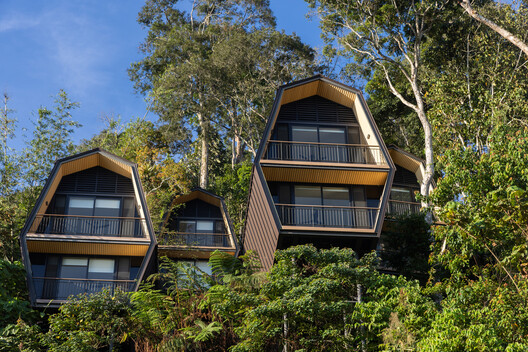
What will the future of steel be? How can this material build the foundation for sustainable economic development and the transition to a low-carbon society?
Steel plays an essential role in modern societies, shaping countless aspects of daily life and supporting sustainable development through its contribution to the built environment, transportation, and energy infrastructure. From automobiles and buildings to cargo ships and refrigerators, steel is a durable and versatile engineering and construction material with a distinctive strength-to-weight ratio compared with other building materials. By offering fast, durable, and flexible solutions with temperature control and resistance to extreme weather conditions, steel has become an integral part of modern construction systems. Its long-term performance also places it at the center of the debate on how to transition toward a lower-carbon world.



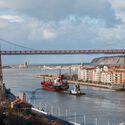
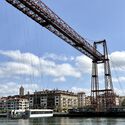
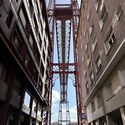
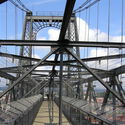
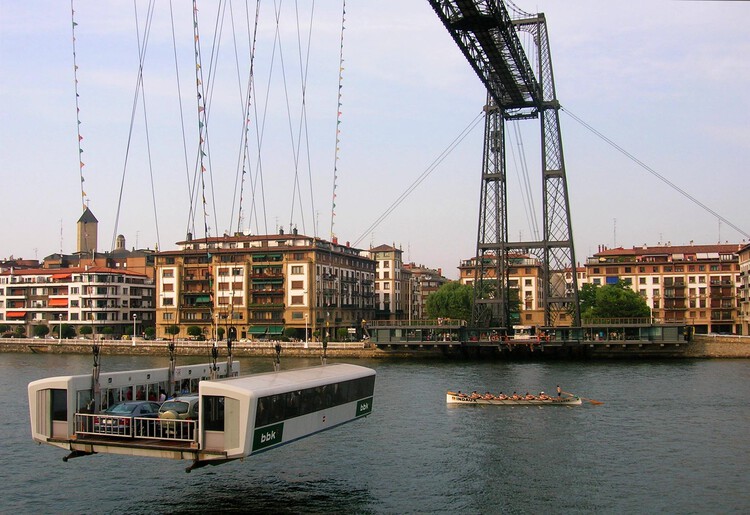
What role do transportation infrastructures play in shaping the culture and economy of societies? How do they bridge cultural, ideological, and geographic divides while transforming the lives of the communities they serve? One of the most remarkable iron structures of the European Industrial Revolution stands west of Bilbao, spanning the Nervión River at the mouth of the Ibaizabal Estuary. It is the Bizkaia Bridge, which combines nineteenth-century ironworking traditions with the innovative use of lightweight alternating-twist steel cables. Recognized as the world's first transporter bridge, it became a model for similar structures built throughout Europe, Africa, and the Americas.
Constructed to connect the opposite banks of the Nervión estuary, it was the first bridge in the world to allow ships, passengers, and vehicles to cross simultaneously by means of a suspended gondola. This innovative system improved communication between two small seaside resort towns while allowing uninterrupted navigation through one of Europe's busiest inland ports.


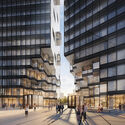
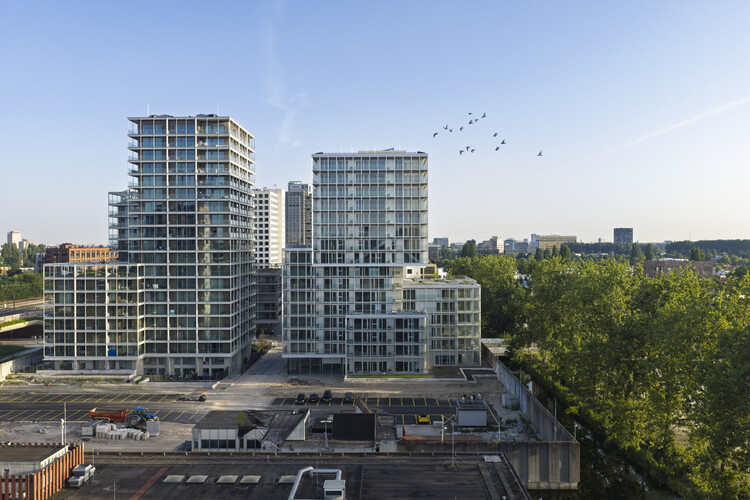
The Martin, a residential building designed by OMA's David Gianotten and Mariano Sagasta, has been completed in Amsterdam's Bajes Kwartier. Located within the Central Cluster of the 7.5-hectare redevelopment, the project is the latest completed component of OMA's master plan to transform the former Bijlmerbajes prison complex, which operated between 1978 and 2016, into a mixed-use, energy-neutral neighborhood. The completion follows that of The Jay in 2025, while a third residential building, The Cardinal, is expected to be finished in 2030.