

-
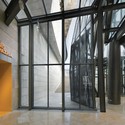
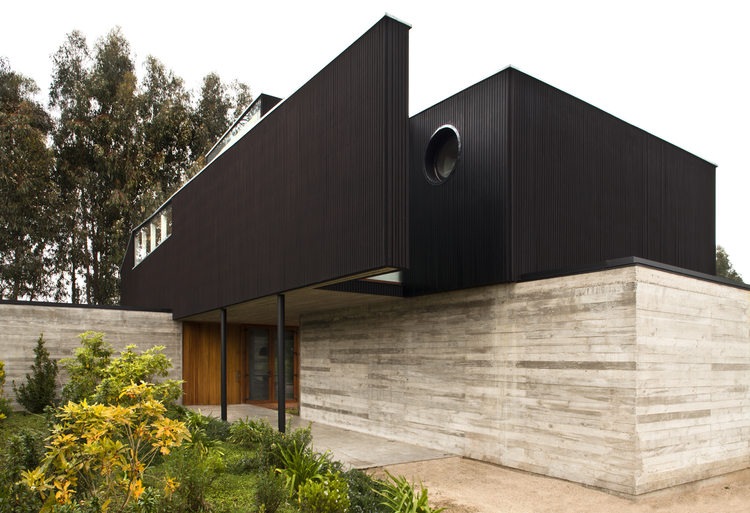
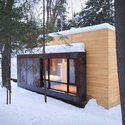
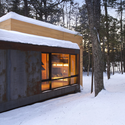
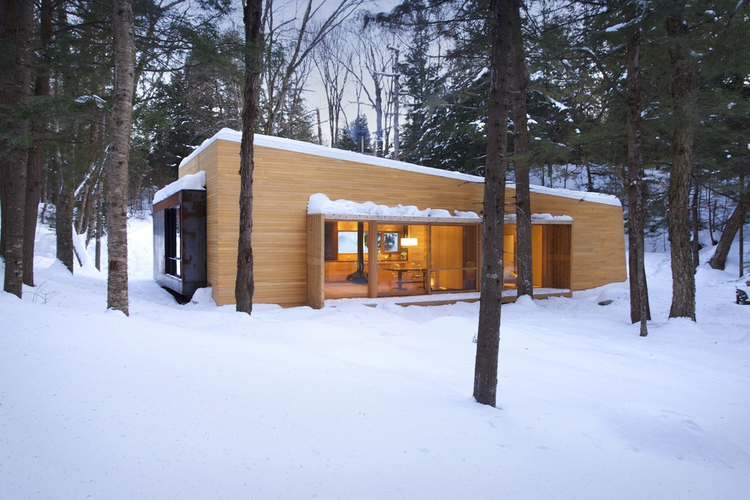
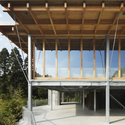
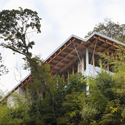
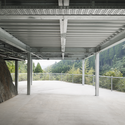
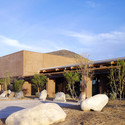
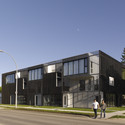
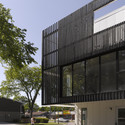
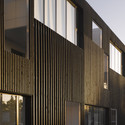
Architects: 5468796 Architecture
- Year: 2011



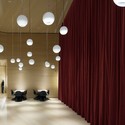
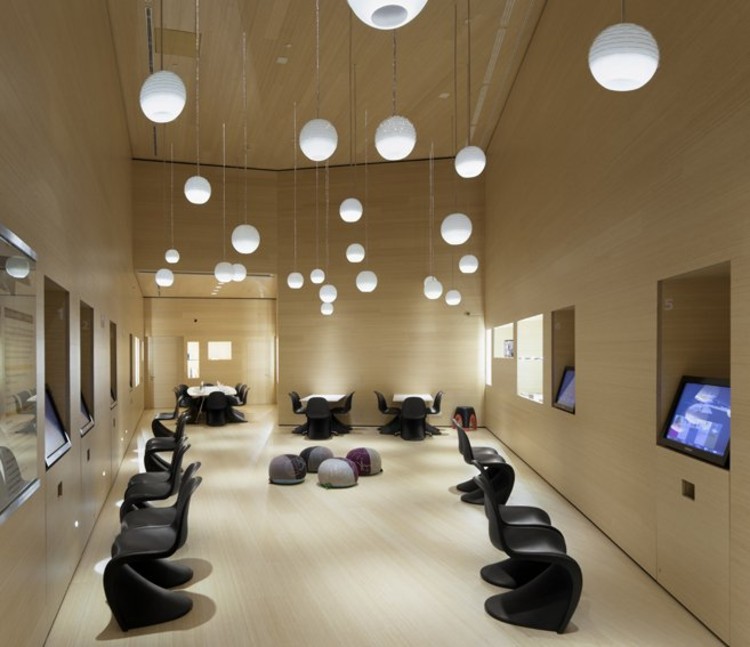
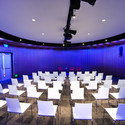
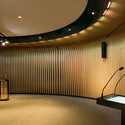
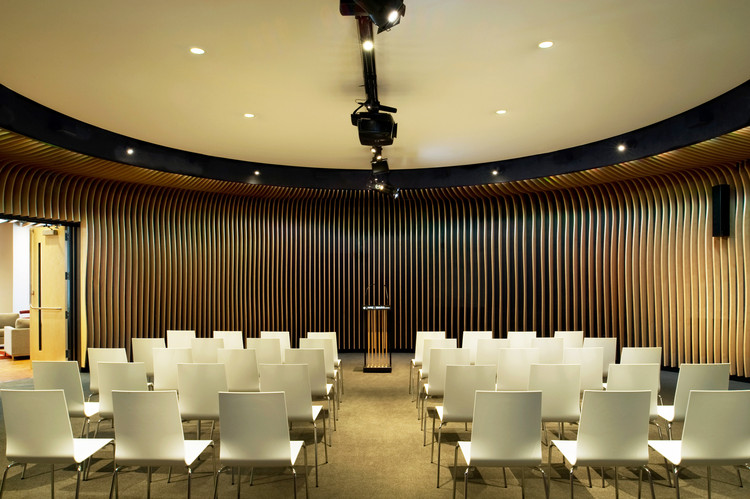
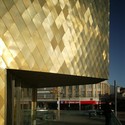
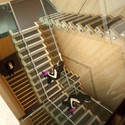
Architects: ACXT Location: Museo Guggenheim, Bilbao, Spain Architect In Charge: César Caicoya Gómez-Morán Design Team: Beatriz Pagoaga Lighting Consultant: Susaeta Prolighting Project Year: 2011 Photographs: Aitor Ortiz
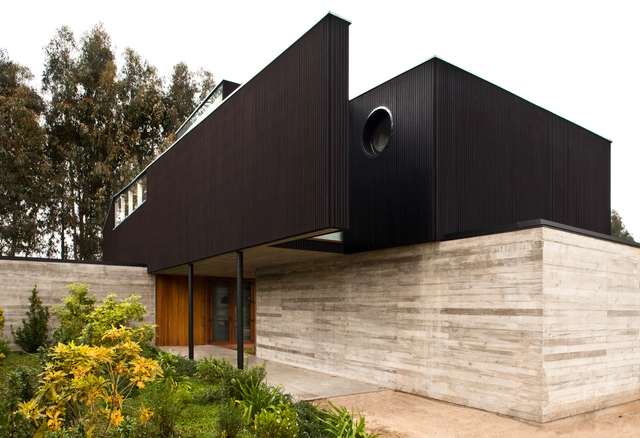

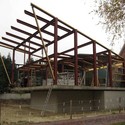
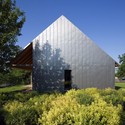
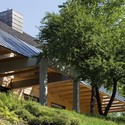
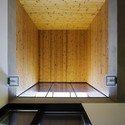
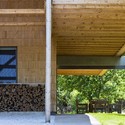
The Headquarters Krogmann in Lohne-Kroge, Germany, by Despang Architekten investigates the numerous characteristics and fundamental opportunities inherent within wood and exhibits a modern approach to the craftsmanship of traditional German vernacular. Designed as a new corporate center of operations for the woodworking company Krogmann, this new office would need to succeed not only in handcrafting a new image for them, but also serve as a catalyst for future growth while showcasing their ability as ‘makers’ in the field of construction. Having worked as the builders for several projects for Despang Architekten, their choice to retain them as the design architects for their own project was a natural extension of an already solid relationship built upon the dedication to quality and progressiveness. As an extension of this article, we also had the opportunity to speak with Principal and University of Hawaii Associate Professor Martin Despang about the process involved in the making of this project.
More details and our Q&A with Martin after the break.

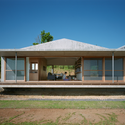
Architects: SPACE Location: Pedregal, Mexico City, Mexico Chief Designer: Juan Carlos Baumgartner, Jimena Fernández Navarra Design Team: Sergio Gaytán, Ana Mallón Project Year: 2011 Photographs: Pim Schalkwijk


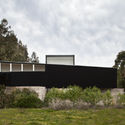
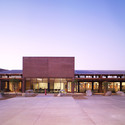
Architects: Budapesti Műhely Location: Sóskút, Hungary Architect In Charge: Tamás Dévényi, Budapesti Műhely Associate Architects: István Kovács, Eszter Mihály, Orsolya Takács, Viktor Vadász Project Year: 2011 Photographs: Tamas Bujnovszky


A wood-based nanomaterial composed of cellulose nanocrystals and cellulose nanofibrils is being evaluated at the Forest Products Laboratory, in support of a project at the Army Research Laboratory in Aberdeen, Maryland. The material, presumably stronger than Kevlar, is being produced to create clear composites as reinforced glass for clear applications. US Forest Services has opened a $1.7 million pilot plant in Wisconsin to develop the wood-based nanomaterial, whose future applications may include windshield and high performance glass.